
40GP FCL transit time for medical equipment from China to Europe
Managing the 40GP FCL transit time for medical equipment from China to Europe is a critical task for healthcare providers and distributors. In the fast-paced medical industry, any delay in shipping can lead to significant disruptions in patient care and supply chain operations. Therefore, choosing a reliable partner like Top China Freight ensures that your sensitive cargo reaches its destination safely and on schedule. This guide provides a comprehensive analysis of shipping durations, costs, and logistical strategies for medical equipment importers.
Understanding the 40GP FCL Transit Time for Medical Equipment from China to Europe
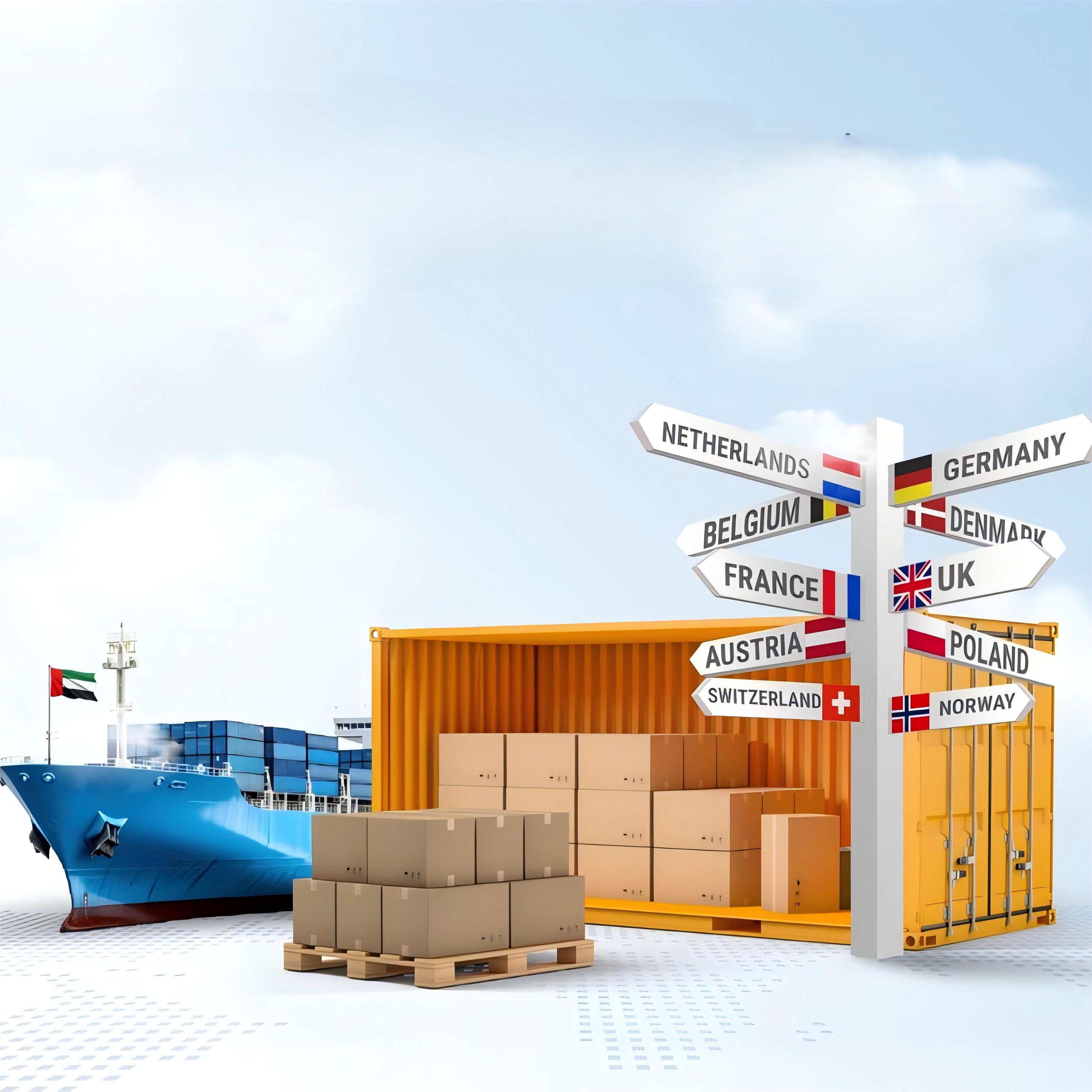
The standard 40GP FCL transit time for medical equipment from China to Europe typically ranges between 30 and 45 days. However, this duration fluctuates based on the specific departure port in China and the final destination in Europe. For instance, shipments from Shenzhen to Rotterdam usually take less time than those originating from northern ports like Tianjin.
Moreover, the type of medical equipment being shipped influences the handling process. Sensitive diagnostic machines require careful bracing and packing within the 40GP container. Consequently, the preparation phase might add a few days to the overall timeline before the vessel even leaves the port.
Additionally, choosing sea freight remains the most cost-effective method for large volumes of medical supplies. While it is slower than air freight, the 40GP container offers the necessary space for bulky items like hospital beds or imaging systems. Indeed, most businesses plan their inventory cycles around these established sea transit schedules.
Key Factors Influencing Shipping Durations for Medical Cargo
Several variables can impact the 40GP FCL transit time for medical equipment from China to Europe. For example, weather conditions in the South China Sea or the Indian Ocean can cause unforeseen delays. Furthermore, seasonal demand peaks often lead to port congestion, which slows down the loading and unloading processes.
In addition, the choice of shipping route plays a vital role. Direct routes are generally faster but may come at a higher cost. On the other hand, transshipment through hubs like Singapore or Colombo can extend the journey by 5 to 10 days. Therefore, importers must weigh the trade-offs between speed and budget.
Furthermore, the efficiency of customs brokerage services is paramount. Medical equipment often requires specific certifications and inspections upon arrival in the European Union. Consequently, incomplete documentation can lead to lengthy stays in bonded warehouses, further delaying the delivery to the final medical facility.
| Port of Loading (China) | Port of Discharge (Europe) | Average Transit Time | Route Type |
|---|---|---|---|
| Shanghai | Rotterdam, Netherlands | 32-35 Days | Direct |
| Shenzhen | Hamburg, Germany | 30-33 Days | Direct |
| Ningbo | Felixstowe, UK | 35-38 Days | Transshipment |
| Qingdao | Genoa, Italy | 28-32 Days | Direct |
How Does 40GP FCL Compare to Other Shipping Options?
When evaluating the 40GP FCL transit time for medical equipment from China to Europe, it is essential to consider alternative modes of transport. While sea freight is the standard, rail freight has emerged as a viable middle ground. It offers faster transit times than sea but at a lower price point than air.
For instance, rail transport via the Silk Road can deliver goods to Central Europe in approximately 18 to 22 days. Nevertheless, the capacity for 40GP containers on trains is more limited than on massive container ships. Accordingly, rail is best suited for high-value medical electronics that need to reach the market quickly.
In contrast, air freight is the fastest option, taking only 5 to 7 days. However, the cost of air freight for a volume equivalent to a 40GP container is often prohibitive for most medical equipment. Therefore, sea freight remains the primary choice for the majority of large-scale medical imports into Europe.
| Shipping Method | Cost Range (40GP Equiv) | Transit Time | Best For |
|---|---|---|---|
| Sea Freight (FCL) | $3,200 – $4,500 | 30-45 Days | Bulky Equipment |
| Rail Freight | $6,000 – $8,500 | 18-22 Days | Urgent Mid-Value |
| Air Freight | $45,000 – $60,000 | 5-7 Days | Critical Supplies |
| Sea-Air Hybrid | $12,000 – $18,000 | 15-20 Days | Balanced Needs |
Case Study 1: Shipping Diagnostic Imaging Gear to Germany
Case Study 01: High-Value Imaging Equipment Logistics
Route: Shanghai, China to Hamburg, Germany
Cargo: MRI Components and X-Ray Machines, 58 CBM, 12,000 kg
Container: 40GP FCL
Shipping Details:
– Carrier: Maersk
– Port of Loading: Shanghai (CNSHA)
– Port of Discharge: Hamburg (DEHAM)
– Route Type: Direct
Cost Breakdown:
– Ocean Freight: $3,850
– Origin Charges: $420
– Destination Charges: $550
– Customs and Duties: $1,200
– Total Landed Cost: $6,020
Timeline:
– Booking to Loading: 4 days
– Sea Transit: 33 days
– Customs Clearance: 2 days
– Total Door-to-Door: 39 days
Key Insight: Using a direct route minimized vibration risks and ensured the sensitive medical sensors remained calibrated during the 40GP FCL transit time for medical equipment from China to Europe.
Case Study 2: Hospital Bed Distribution to the United Kingdom
Case Study 02: Bulk Medical Furniture Shipment
Route: Ningbo, China to Felixstowe, UK
Cargo: Adjustable Hospital Beds, 65 CBM, 15,000 kg
Container: 40GP FCL
Shipping Details:
– Carrier: COSCO Shipping
– Port of Loading: Ningbo (CNNGB)
– Port of Discharge: Felixstowe (GBFXT)
– Route Type: Transshipment via Singapore
Cost Breakdown:
– Ocean Freight: $4,100
– Origin Charges: $380
– Destination Charges: $620
– Customs and Duties: $800
– Total Landed Cost: $5,900
Timeline:
– Booking to Loading: 5 days
– Sea Transit: 38 days
– Customs Clearance: 3 days
– Total Door-to-Door: 46 days
Key Insight: Although transshipment added 5 days to the schedule, the lower freight rate allowed the distributor to maintain competitive pricing for the UK healthcare market.
Strategies to Optimize Your Medical Equipment Supply Chain
To effectively manage the 40GP FCL transit time for medical equipment from China to Europe, proactive planning is essential. For example, booking your container at least 3 to 4 weeks in advance can help you secure better rates and guaranteed space on the vessel. Additionally, utilizing door to door services simplifies the logistics chain by reducing the number of intermediaries.
Moreover, ensuring all medical certifications, such as CE marks and ISO standards, are documented correctly prevents customs delays. Indeed, many shipments are held up because of minor clerical errors in the packing list or commercial invoice. Consequently, working with an experienced freight forwarder who understands European medical regulations is a significant advantage.
Furthermore, consider the impact of seasonal trends. Rates and transit times often increase during the months leading up to the Chinese New Year or the European holiday season. Therefore, shipping during off-peak periods can result in both cost savings and more predictable delivery schedules.
Which Shipping Option Should You Choose?
Choosing the right method depends on your specific priorities. If your primary goal is budget optimization for non-urgent supplies, the standard 40GP FCL via sea is the best choice. On the other hand, if you are launching a new medical product and need to meet a strict deadline, rail freight provides a faster alternative without the extreme cost of air transport.
Without a doubt, the volume of your cargo also dictates the method. If you have enough equipment to fill a 40GP container, FCL is always more secure and efficient than LCL (Less than Container Load). This is because FCL reduces the risk of damage since the container is not opened until it reaches its final destination.
In conclusion, evaluate your lead times and profit margins carefully. For most medical equipment importers, a well-planned sea freight strategy offers the most sustainable balance of speed and reliability. Always consult with a logistics expert to tailor a solution that fits your unique requirements.
Final Thoughts on Shipping Medical Equipment to Europe
Successfully navigating the 40GP FCL transit time for medical equipment from China to Europe requires a blend of strategic planning and expert execution. By understanding the factors that influence transit times, from port congestion to customs regulations, importers can better manage their inventory and meet the demands of the healthcare sector.
To summarize, while sea freight is the most common method, alternatives like rail freight offer valuable flexibility for urgent shipments. Regardless of the method chosen, maintaining clear communication with your logistics provider and ensuring documentation accuracy are the keys to a smooth shipping experience. Trusting a professional partner ensures that your 40GP FCL transit time for medical equipment from China to Europe remains within your expected window.
Ready to streamline your logistics?
Are you ready to streamline your medical supply chain? Contact Top China Freight today for a customized quote and expert guidance on managing your 40GP FCL transit time for medical equipment from China to Europe. Our team is dedicated to ensuring your life-saving equipment arrives safely and on time. Send Inquiry link:
Request Quote