
40GP FCL Transit Time for Toys: China to Seattle
“Shipping toys from China to Seattle requires careful planning, especially when dealing with a 40GP FCL (Full Container Load). Understanding the 40GP FCL transit time for toys from China to Seattle is crucial for managing inventory and meeting market demands. This comprehensive guide from Top China Freight will help you navigate the complexities of international freight and ensure timely delivery.”
What is 40GP FCL Shipping for Toys?
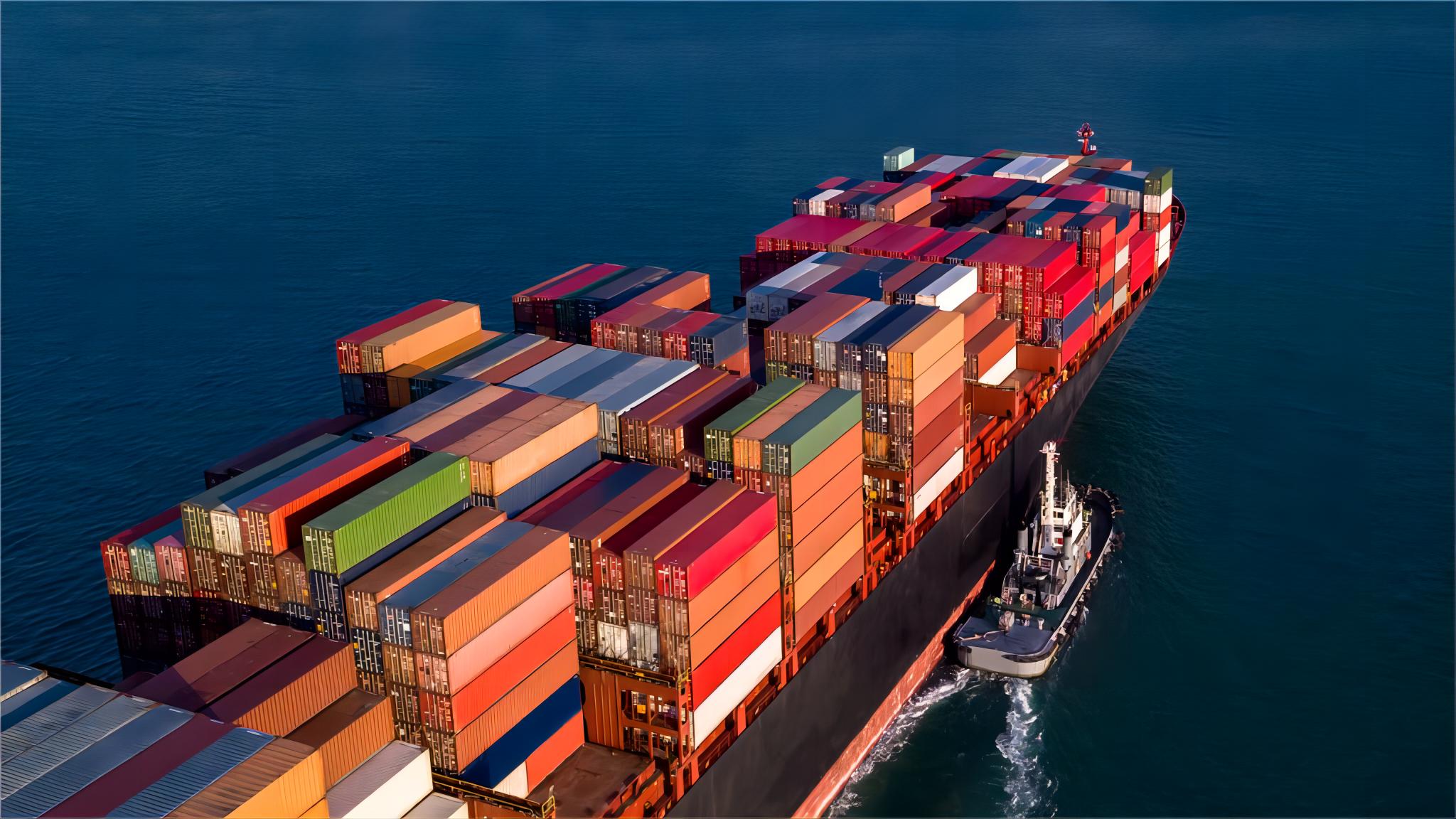
❖FCL stands for Full Container Load, signifying that your goods, in this case, toys, occupy an entire shipping container. Typically, this involves a 40-foot General Purpose (40GP) container. This method is often the most cost-effective for large volumes of merchandise and provides dedicated space.
Choosing FCL shipping for toys from China to Seattle offers several distinct advantages. It ensures enhanced security, minimized handling, and a lower risk of damage for your cargo. Moreover, FCL generally provides greater control over your shipping schedule, which is vital for managing inventory. Consequently, many businesses prioritize FCL for their large-scale toy imports via sea freight.
A 40GP container measures approximately 40 feet long, 8 feet wide, and 8.5 feet high, offering about 67 CBM (cubic meters) of usable space. This makes it ideal for substantial quantities of toys, from plush figures to intricate playsets. Furthermore, this container type is widely available and suitable for most general cargo, including various types of toy imports.
Key Factors Influencing 40GP FCL Transit Time for Toys
❖Several critical elements dictate the total 40GP FCL transit time for toys from China to Seattle. Understanding these factors helps in setting realistic expectations and planning your supply chain effectively. Therefore, consider each point carefully when estimating delivery schedules and freight rates.
Firstly, the port of origin in China significantly impacts transit times. Major ports like Shanghai, Ningbo, and Shenzhen generally offer more direct routes and frequent sailings. Conversely, shipments from smaller or inland ports might require additional domestic transport, adding several days to the overall journey and increasing logistics complexity.
Secondly, the specific shipping line and service chosen play a vital role. Some carriers offer express services with fewer transshipment points, while others might prioritize cost-effectiveness over speed. Thus, selecting the right carrier can directly affect your delivery schedule. For instance, direct services are faster but potentially cost more than routes with transshipment.
Lastly, seasonal demand and global logistics trends, such as peak seasons or port congestion, can cause significant delays. For example, during holidays like Chinese New Year or the Q4 pre-holiday rush, transit times typically extend by several days or even weeks. Additionally, unforeseen weather conditions, port labor disputes, or equipment shortages can further disrupt schedules. Therefore, planning ahead for these periods is essential for toy importers to manage their supply chain effectively.
Typical 40GP FCL Transit Times from China to Seattle
❖The direct sea transit time for a 40GP FCL container from major Chinese ports to Seattle usually ranges from 14 to 20 days. However, this is just the ocean leg. The total door-to-door transit time is considerably longer, encompassing various stages like factory loading, port processing, customs clearance, and final delivery. Indeed, it’s crucial to account for all these phases when forecasting your supply chain and delivery schedule.
Generally, for shipments originating from key manufacturing hubs in China like Shenzhen, Shanghai, or Ningbo, and destined for the Port of Seattle, you can expect an average total journey of 25 to 35 days. This comprehensive estimate includes pre-shipment logistics, ocean transit, customs clearance in the USA, and inland trucking to the final destination. Furthermore, the overall efficiency of the North America shipping process, particularly at congested ports, is a key consideration for timely toy imports.
Below is a table illustrating typical transit times from common Chinese ports to Seattle, considering various factors affecting door-to-port and door-to-door delivery. These figures provide a useful benchmark for planning your toy imports. Nevertheless, always confirm current estimates with your freight forwarder, as market conditions and logistics trends can impact these timings significantly.
| Origin Port (China) | Estimated Sea Transit (Days) | Total Door-to-Port (Days) | Total Door-to-Door (Days) |
|---|---|---|---|
| Shanghai | 16-20 | 25-30 | 28-35 |
| Ningbo | 15-19 | 24-29 | 27-34 |
| Shenzhen (Yantian/Shekou) | 14-18 | 23-28 | 26-33 |
| Qingdao | 18-22 | 27-32 | 30-37 |
Navigating Customs and Documentation for Toy Imports
❖Importing toys into the USA, especially through Seattle, involves stringent customs procedures and specific documentation requirements. Proper preparation is essential to avoid delays and ensure a smooth process. Therefore, understanding these regulations is paramount for toy businesses to maintain their delivery schedule and avoid unexpected shipping costs.
Key documents typically include the Commercial Invoice, Packing List, Bill of Lading, and potentially a Certificate of Origin. Additionally, toy imports often require compliance with Consumer Product Safety Commission (CPSC) regulations, including lead content testing reports, phthalates restrictions, and children’s product certificates (CPC). Moreover, submitting an accurate Importer Security Filing (ISF) at least 24 hours before loading is mandatory. Engaging a professional customs brokerage service is highly recommended to manage these complexities and ensure compliance.
Delays at customs can significantly impact your 40GP FCL transit time for toys from China to Seattle. Inaccurate documentation, non-compliance with safety standards, or issues with product labeling are common culprits leading to examinations, holds, or even penalties. Consequently, working with experienced brokers can streamline this complex phase, minimizing potential setbacks and ensuring your cargo handling is efficient and compliant with import/export regulations.
How Does 40GP FCL Compare to Other Shipping Options?
❖When shipping toys from China to Seattle, businesses have several options beyond 40GP FCL, each with its own cost and transit time implications. Understanding these alternatives helps in making informed decisions for your supply chain strategy. Therefore, consider your specific needs before selecting a method.
While 40GP FCL is ideal for large volumes, offering predictable freight rates, other methods might be more suitable for smaller shipments or urgent deliveries. For instance, LCL (Less than Container Load) allows sharing container space, which can be cost-effective for smaller quantities. However, LCL typically involves longer transit times due to consolidation and deconsolidation processes, adding complexity to the delivery schedule.
Air freight, on the other hand, provides significantly faster transit times, often delivering within 5-10 days. This method is crucial for urgent orders, high-value items, or product launches with tight deadlines. However, the trade-off is a substantially higher shipping cost compared to sea freight. Express services offer even faster options for small parcels or samples, usually arriving within 3-7 days, but at the highest per-kilogram cost and with strict size limits.
| Shipping Method | Cost Range (approx. for toys) | Transit Time (China-Seattle) | Best For | Limitations |
|---|---|---|---|---|
| 40GP FCL Sea Freight | $2,800 – $3,800 | 25-35 days | Large volumes, cost-efficiency, dedicated space, bulk toy imports | Slower than air, requires full container volume, susceptible to port congestion |
| LCL Sea Freight | $80-$150 per CBM | 30-45 days | Smaller volumes (under 15 CBM), budget-conscious, flexible quantities | Longer transit, more handling, potential for delays, higher per-unit cost than FCL |
| Air Freight | $4-$8 per kg | 5-10 days | Urgent, high-value, small to medium volumes, seasonal demand spikes | Significantly higher cost, weight/volume restrictions, environmental impact |
| Express Service | $8-$15 per kg | 3-7 days | Samples, urgent small packages, e-commerce direct, last-minute refills | Highest cost, strict size and weight limits, not for bulk shipments |
Cost Considerations for Shipping Toys to Seattle
❖The overall cost of shipping a 40GP FCL of toys from China to Seattle involves more than just ocean freight. It includes various charges at origin and destination, as well as potential duties and taxes. Thus, a comprehensive cost breakdown is crucial for accurate budgeting and understanding total landed cost, which impacts your overall import/export profitability.
Typical costs include ocean freight (base rate plus surcharges like BAF – Bunker Adjustment Factor, CAF – Currency Adjustment Factor), terminal handling charges (THC) at both ends, drayage (trucking) to and from ports, customs clearance fees, and cargo insurance. Furthermore, import duties for toys can vary based on Harmonized System (HS) codes and trade agreements. Additionally, be aware of potential demurrage or detention charges if containers are not cleared or returned promptly. Consequently, obtaining a detailed quote from a freight forwarder is always advisable to avoid hidden shipping costs.
Based on current market rates as of early 2025, the ocean freight for a 40GP container from China to USA West Coast (including Seattle) typically ranges from $2,500 to $3,500. However, this figure fluctuates based on fuel surcharges, peak seasons, and carrier capacity, reflecting ongoing logistics trends. Origin charges might add $300-$600, while destination charges could range from $500-$1000, excluding duties. Industry average for customs brokerage services might be $250-$400 per entry. Note: Freight rates are subject to change based on fuel costs, carrier capacity, and seasonal demand. Contact us for a current quote tailored to your specific shipment.
Optimizing Your Supply Chain for Toy Imports
❖Efficiently managing your supply chain is paramount for minimizing the 40GP FCL transit time for toys from China to Seattle and reducing overall costs. Strategic planning can mitigate common shipping challenges and enhance your logistics trends. Therefore, proactive measures are highly beneficial for smooth import/export operations.
Consider consolidating multiple orders or suppliers into a single 40GP FCL shipment. This approach maximizes container utilization and can lead to significant freight savings and improved cargo handling. Additionally, explore direct shipping routes to Seattle to avoid transshipment delays. Utilizing services like Amazon FBA prep in China can also streamline processes by ensuring products meet Amazon’s specific packaging and labeling requirements before export.
Furthermore, establishing clear communication channels with your suppliers and freight forwarder is essential. Regular updates on production schedules and shipping status help in anticipating and addressing potential issues promptly. Implementing technology for supply chain visibility, such as tracking platforms, can also provide real-time insights into your delivery schedule. Consequently, a well-coordinated effort ensures smoother logistics and adherence to your market demands. For urgent, smaller needs, consider leveraging express service for critical components or samples.
Real-World Shipping Scenarios: 40GP FCL Toys to Seattle
❖Examining actual shipping examples provides practical insights into the 40GP FCL transit time for toys from China to Seattle. These scenarios highlight various factors that can influence both cost and delivery schedules, offering valuable context for your import planning. Therefore, they serve as valuable learning tools for importers, demonstrating real-world logistics trends and challenges.
Case Study 1: Standard Toy Import for Retail
| Detail | Description |
|---|---|
| Route | Shanghai, China Seattle, USA |
| Cargo | Assorted plastic toys, 65 CBM, 9,500 kg |
| Container | 40GP FCL |
| Shipping Details | Carrier: COSCO, Port of Loading: Shanghai, Port of Discharge: Seattle, Route Type: Direct |
| Cost Breakdown | Ocean Freight: $3,100, Origin Charges (THC, documentation): $450, Destination Charges (THC, drayage): $850, Customs & Duties (estimated): $1,200, Total Landed Cost: $5,600 (Based on Q4 2024 market rates) |
| Timeline | Booking to Loading: 5 days, Sea Transit: 17 days, Customs Clearance: 3 days, Total Door-to-Door: 28 days |
| Key Insight | Smooth customs clearance due to pre-filed ISF and accurate CPSC documentation. Achieved target delivery within 4 weeks, meeting crucial retail launch deadlines effectively. |
Case Study 2: Seasonal Toy Shipment with Peak Season Surcharge
| Detail | Description |
|---|---|
| Route | Ningbo, China Seattle, USA |
| Cargo | Educational wooden toys, 60 CBM, 11,000 kg |
| Container | 40GP FCL |
| Shipping Details | Carrier: Maersk, Port of Loading: Ningbo, Port of Discharge: Seattle, Route Type: Direct |
| Cost Breakdown | Ocean Freight: $3,600 (includes PSS), Origin Charges (THC, documentation): $500, Destination Charges (THC, drayage): $900, Customs & Duties (estimated): $1,500, Total Landed Cost: $6,500 (Typical rates during Q3 2024 peak season) |
| Timeline | Booking to Loading: 7 days, Sea Transit: 19 days, Customs Clearance: 4 days (slight delay), Total Door-to-Door: 32 days |
| Key Insight | Higher freight costs due to peak season surcharge (PSS). Slight customs delay due to a new product line requiring additional review, but still within acceptable range for seasonal sales targets. |
Case Study 3: Urgent Replenishment via Premium Service
| Detail | Description |
|---|---|
| Route | Shenzhen, China Seattle, USA |
| Cargo | Collectible action figures, 62 CBM, 8,000 kg |
| Container | 40GP FCL |
| Shipping Details | Carrier: Evergreen (Premium Service), Port of Loading: Yantian, Port of Discharge: Seattle, Route Type: Direct |
| Cost Breakdown | Ocean Freight: $4,200 (premium rate), Origin Charges (THC, documentation): $480, Destination Charges (THC, drayage): $950, Customs & Duties (estimated): $1,100, Total Landed Cost: $6,730 (Based on Q1 2025 market rates for faster transit) |
| Timeline | Booking to Loading: 4 days, Sea Transit: 15 days, Customs Clearance: 2 days, Total Door-to-Door: 24 days |
| Key Insight | Opted for a premium service with faster sea transit to address an urgent stockout. Higher ocean freight justified by quicker market re-entry and sales recovery. Efficient cargo handling at both ends was critical for this time-sensitive shipment. |
Which Shipping Option Should You Choose?
❖Deciding on the best shipping method for your toy imports from China to Seattle depends on several key criteria. Balancing speed, cost, and cargo volume is essential for making the right choice. Therefore, consider your business priorities carefully to optimize your supply chain.
If budget is your primary concern and you have sufficient volume to fill a container, 40GP FCL sea freight offers the most economical solution. You can expect a reasonable 40GP FCL transit time for toys from China to Seattle, typically under 35 days door-to-door. This option is ideal for regular, large-scale imports, ensuring competitive freight rates and efficient cargo handling.
Conversely, if speed is paramount for urgent orders or limited stock, air freight or express services are preferable, despite their higher cost. For smaller, less time-sensitive shipments, LCL sea freight can be a viable compromise. Consider your inventory management strategy: Just-in-Time (JIT) often favors faster shipping, while larger safety stocks can accommodate longer sea transit. Ultimately, the best choice aligns with your specific operational needs and financial constraints for import/export success.
Partnering with a Reliable Freight Forwarder
❖Working with an experienced freight forwarder is critical for ensuring a smooth and efficient shipping process for your toys. A good partner can navigate the complexities of international logistics, from origin to final destination. Consequently, they help optimize your 40GP FCL transit time for toys from China to Seattle and manage overall logistics trends effectively.
A reliable freight forwarder provides expertise in customs compliance, documentation, and carrier selection. They can also offer value-added services like cargo insurance, warehousing, and door-to-door delivery. Furthermore, their extensive network and relationships with carriers can help mitigate potential delays and secure competitive freight rates. Moreover, they act as a single point of contact, simplifying communication and problem-solving for your entire supply chain. Therefore, choosing the right partner is an investment in your supply chain’s success and your delivery schedule’s reliability.
Final Thoughts on 40GP FCL Transit Time for Toys
The 40GP FCL transit time for toys from China to Seattle typically ranges from 25 to 35 days, door-to-door. This timeline is influenced by various factors such as origin port, carrier choice, and customs efficiency. Proactive planning, robust documentation, and a strategic choice of shipping method are all vital for successful toy imports, impacting both shipping costs and delivery schedules. By understanding these elements, businesses can effectively manage their inventory and meet market demands for toys.
Partnering with a knowledgeable freight forwarder like Top China Freight further enhances the efficiency and reliability of your supply chain. We are committed to providing transparent and effective solutions for your international shipping needs, including expert customs brokerage and optimized cargo handling. Ultimately, careful preparation and expert support will ensure your toys reach the Seattle market promptly and cost-effectively, safeguarding your import/export operations and overall profitability.
Ready to streamline your logistics?
Ready to optimize your toy imports from China to Seattle? Contact Top China Freight today for a personalized quote and expert guidance on your 40GP FCL transit time for toys. Our dedicated team is here to streamline your shipping process, manage your supply chain, and ensure timely, cost-effective delivery to the USA.
Request Quote