
40GP FCL Freight Rate for Machinery from China to Netherlands
“Shipping industrial machinery from China to the Netherlands requires careful planning and a clear understanding of logistics. Securing a competitive 40GP FCL freight rate for machinery from China to Netherlands is crucial for managing your import costs effectively. This comprehensive guide will help you navigate the complexities of international freight, ensuring your valuable equipment arrives safely and on schedule. Learn more about our solutions at Top China Freight.”
Understanding the 40GP FCL Freight Rate for Machinery
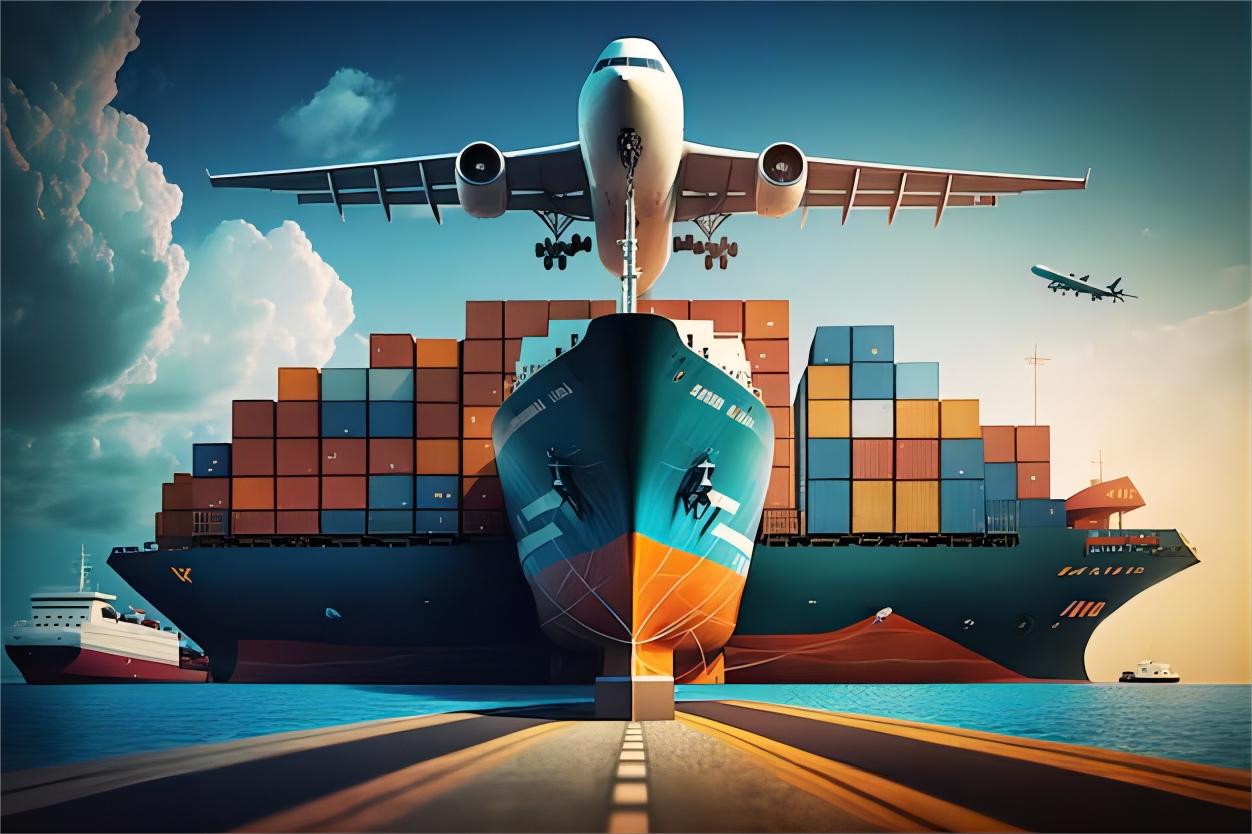
❖The 40GP (General Purpose) Full Container Load (FCL) is a standard option for shipping machinery. It offers exclusive use of the container, safeguarding your goods from potential damage or contamination by other cargo. This method is particularly suitable for large or sensitive industrial equipment, ensuring dedicated space and security throughout the journey.
When considering the 40GP FCL freight rate for machinery from China to Netherlands, several components make up the total cost. These typically include ocean freight, surcharges, terminal handling charges, and destination costs. Understanding each element helps in predicting your overall shipping expenses and budgeting accurately for your imports.
Key Factors Influencing Your 40GP FCL Freight Rate
❖Numerous variables significantly impact the final 40GP FCL freight rate for machinery. Firstly, the specific port of loading in China and the port of discharge in the Netherlands play a major role. Direct routes generally cost more but offer faster transit times, while routes with transshipment might be cheaper but take longer.
Secondly, the current market dynamics, including fuel prices and carrier capacity, heavily influence rates. Peak seasons, such as before major holidays like Chinese New Year or during Q3/Q4 for holiday shopping, often lead to increased surcharges. Therefore, booking in advance can sometimes help secure better rates.
Moreover, the type and dimensions of your machinery affect cargo handling requirements and any special equipment needed. Dangerous goods or oversized cargo will incur additional fees due to specialized handling and regulatory compliance. Always provide precise cargo details to get an accurate quote for shipping heavy equipment from China.
How Does Sea Freight Compare to Other Shipping Options?
❖Choosing the right shipping method is paramount for efficient and cost-effective machinery transport. While sea freight is the most common choice for large machinery, other alternatives exist depending on your specific needs for speed, cost, and cargo type. Evaluating these options helps in making an informed decision for your supply chain.
For instance, if your budget is flexible but time is critical, air freight offers unparalleled speed. Conversely, rail freight presents a balanced option between sea and air for certain routes. Understanding the trade-offs between cost, speed, and capacity is essential for optimizing your logistics solutions for large cargo.
| Shipping Method | Cost Range (40GP equivalent) | Transit Time | Best For | Limitations |
|---|---|---|---|---|
| Sea Freight (FCL) | $2,800 – $4,200 | 28-35 days | Large, heavy, non-urgent machinery | Long transit times, port congestion risk |
| Rail Freight (FCL) | $6,000 – $9,000 | 18-22 days | Time-sensitive, medium-volume machinery | Limited route flexibility, capacity constraints |
| Air Freight (LCL equivalent) | $15,000 – $25,000+ | 3-7 days | Urgent, high-value, smaller machinery | Very high cost, weight/volume restrictions |

Sea Freight: The Standard for Machinery
Sea freight remains the most economical option for shipping large and heavy machinery from China to the Netherlands. It provides the capacity for 40GP FCL containers, making it ideal for non-urgent, high-volume shipments. Transit times typically range from 28 to 35 days, depending on the specific route and carrier. For comprehensive ocean transport services, explore sea freight solutions.
Despite longer transit times, the cost-effectiveness of sea freight for industrial machinery often outweighs the wait. It supports a wide range of cargo types, including oversized items that cannot fit into standard air cargo planes. Furthermore, it offers greater flexibility in terms of volume and weight, making it a preferred choice for many businesses.
Rail Freight: A Faster Land Bridge
Rail freight offers a viable alternative for shipping machinery from China to Europe, including the Netherlands. This method provides a good balance between speed and cost, often taking 18-22 days, significantly faster than sea freight but more affordable than air freight. It is particularly effective for inland destinations where ocean ports are not directly accessible.
However, rail freight might have limitations on cargo dimensions and weight compared to FCL sea containers. It also requires efficient intermodal transfers at various points along the Silk Road railway. For detailed information on this transit option, consider rail freight services.
The reliability and growing infrastructure of the China-Europe rail network make it an increasingly attractive option for time-sensitive but non-critical machinery shipments. It helps in reducing transit times for sea freight Netherlands-bound cargo, offering a competitive edge.
Air Freight: For Urgent and High-Value Shipments
For urgent or extremely high-value machinery, air freight is the fastest shipping method, with transit times typically ranging from 3-7 days. While considerably more expensive, it minimizes downtime for critical equipment and reduces inventory holding costs. This option is generally reserved for smaller, lighter, or time-sensitive components rather than full 40GP containers of heavy machinery.
Air cargo rates are calculated based on volumetric weight or actual weight, whichever is greater, making it less suitable for bulky items. Nevertheless, for specific needs like emergency parts or rapid market entry, air freight provides an invaluable service. Discover more about rapid delivery options through air freight.
Furthermore, security measures for air cargo are often more stringent, providing an added layer of protection for valuable goods. However, the environmental impact and cost of shipping industrial machinery via air freight are significant considerations for businesses.
Breaking Down the Costs: What’s Included in Your Freight Rate?
❖A detailed understanding of your 40GP FCL freight rate for machinery from China to Netherlands involves several cost components. The base ocean freight charge covers the transport from port to port. However, this is just one part of the total shipping costs.
Additional surcharges are common and can fluctuate. These include Bunker Adjustment Factor (BAF) for fuel, Currency Adjustment Factor (CAF) for exchange rate volatility, and Peak Season Surcharges (PSS) during high demand periods. Terminal Handling Charges (THC) at both origin and destination ports are also standard fees.
Furthermore, local charges at origin (e.g., drayage, customs declaration, documentation fees) and destination (e.g., customs clearance, duties, taxes, delivery to warehouse) significantly add to the overall expense. It is crucial to request an all-inclusive quote to avoid hidden costs when shipping heavy equipment from China.
Optimizing Your Shipment: Strategies for Reducing Costs and Risks
❖Reducing shipping costs for machinery requires strategic planning and careful execution. Firstly, consolidating multiple smaller shipments into a single 40GP FCL container can yield substantial savings compared to LCL or multiple smaller shipments. This approach maximizes container utilization and reduces per-unit costs.
Secondly, consider flexible delivery schedules. Opting for slower, less direct routes or off-peak shipping periods can often result in lower freight rates. Booking well in advance also provides more options and potentially better pricing, especially for FCL shipping rates China to Netherlands.
Moreover, proper packaging and securing machinery for international shipping are vital to prevent damage, which can lead to costly insurance claims or delays. Working with an experienced freight forwarder who offers door-to-door services can streamline the entire process, from pickup at the factory to final delivery, minimizing your logistical burden and optimizing your supply chain for machinery.
Navigating Customs and Documentation for Machinery Imports
❖Successful import of machinery into the Netherlands necessitates meticulous attention to customs clearance and documentation. Essential documents typically include the commercial invoice, packing list, bill of lading (B/L), and certificate of origin. Incomplete or incorrect documentation can lead to significant delays and penalties.
Machinery import regulations Netherlands may also require specific certifications or inspections, especially for specialized equipment or items with environmental implications. Understanding these requirements beforehand is crucial for a smooth customs process. Engaging a professional for customs brokerage services can prevent costly errors.
Furthermore, calculating and paying import duties and VAT correctly is a critical step. The Harmonized System (HS) codes for your machinery must be accurate to ensure proper classification and avoid discrepancies. An experienced customs broker can provide invaluable assistance in navigating these complex procedures efficiently.
Real-World Scenarios: Case Studies for Machinery Shipments
❖Examining actual shipping scenarios provides practical insights into the complexities and costs involved in transporting machinery. These case studies illustrate typical transit times for sea freight Netherlands routes and the range of expenses associated with them. Based on Q3 2024 market rates, these examples offer a realistic perspective.
Case Study 1: Industrial Robots from Shanghai to Rotterdam
| Detail | Value |
|---|---|
| Route | Shanghai, China -> Rotterdam, Netherlands |
| Cargo | 2 units Industrial Robots, 55 CBM, 15,000 kg |
| Container | 1 x 40GP |
| Shipping Details | |
| – Carrier/Service | COSCO (Major carrier) |
| – Port of Loading | Shanghai |
| – Port of Discharge | Rotterdam |
| – Route Type | Direct service |
| Cost Breakdown | |
| – Ocean Freight | $3,500 |
| – Origin Charges (THC, documentation) | $450 |
| – Destination Charges (THC, DDC) | $380 |
| – Customs & Duties (estimated) | $1,200 |
| – Total Landed Cost (approx.) | $5,530 |
| Timeline | |
| – Booking to Loading | 5 days |
| – Sea Transit | 30 days |
| – Customs Clearance | 3 days |
| – Total Door-to-Port | 38 days |
| Key Insight | Direct service offers reliability, but Q3 peak season rates were slightly elevated. Proper documentation ensured smooth customs clearance. |

Case Study 2: CNC Machine Parts from Ningbo to Amsterdam
| Detail | Value |
|---|---|
| Route | Ningbo, China -> Amsterdam, Netherlands |
| Cargo | Heavy-duty CNC machine parts, 48 CBM, 12,000 kg |
| Container | 1 x 40GP |
| Shipping Details | |
| – Carrier/Service | Maersk (Major carrier) |
| – Port of Loading | Ningbo |
| – Port of Discharge | Rotterdam (then inland to Amsterdam) |
| – Route Type | Transshipment via Singapore |
| Cost Breakdown | |
| – Ocean Freight | $2,900 |
| – Origin Charges (THC, documentation) | $420 |
| – Destination Charges (THC, DDC) | $350 |
| – Inland Transport (Rotterdam to Amsterdam) | $600 |
| – Customs & Duties (estimated) | $950 |
| – Total Landed Cost (approx.) | $5,220 |
| Timeline | |
| – Booking to Loading | 7 days |
| – Sea Transit | 34 days |
| – Customs Clearance | 4 days |
| – Total Door-to-Door | 45 days |
| Key Insight | Transshipment saved on ocean freight but added a few days to transit. Inland transport costs need careful consideration for total logistics costs. |
Case Study 3: Agricultural Equipment from Shenzhen to Rotterdam
| Detail | Value |
|---|---|
| Route | Shenzhen, China -> Rotterdam, Netherlands |
| Cargo | Agricultural spraying equipment, 60 CBM, 10,000 kg |
| Container | 1 x 40GP |
| Shipping Details | |
| – Carrier/Service | MSC (Major carrier) |
| – Port of Loading | Shenzhen |
| – Port of Discharge | Rotterdam |
| – Route Type | Direct service with one stop |
| Cost Breakdown | |
| – Ocean Freight | $3,200 |
| – Origin Charges (THC, documentation) | $400 |
| – Destination Charges (THC, DDC) | $360 |
| – Customs & Duties (estimated) | $1,100 |
| – Total Landed Cost (approx.) | $5,060 |
| Timeline | |
| – Booking to Loading | 6 days |
| – Sea Transit | 32 days |
| – Customs Clearance | 3 days |
| – Total Door-to-Port | 41 days |
| Key Insight | Consistent communication with the forwarder helped manage expectations during a busy shipping period. Rates were competitive due to early booking. |
Which Option Should You Choose? A Decision Framework
❖Selecting the optimal shipping method for your machinery depends on your business priorities. Consider the following criteria to make the best decision for your specific needs. Each factor plays a crucial role in the overall efficiency and cost-effectiveness of your logistics strategy.
Ultimately, the goal is to balance speed, cost, and reliability while ensuring the safe delivery of your valuable machinery. A comprehensive evaluation of these points will guide you toward the most appropriate solution for your cargo and budget.
Budget Priority
If cost-saving is your primary concern, sea freight via 40GP FCL is almost always the most economical choice. It offers the lowest per-unit cost for large volumes. However, be prepared for longer transit times and potential port delays.
Speed Priority
For urgent shipments where machinery downtime is critical, air freight is the fastest option, albeit at a significantly higher cost. Rail freight offers a middle ground, providing faster delivery than sea freight at a more moderate price point.
Consider hybrid solutions like sea-rail combinations for a balance. These can reduce overall transit time compared to pure sea freight while remaining more cost-effective than air. They are particularly useful for optimizing supply chain efficiency.
Cargo Type Considerations
Heavy, bulky, or oversized machinery is best suited for FCL sea freight due to its capacity and flexibility. Fragile or high-value components might benefit from the faster, more secure handling of air freight, despite the increased expense. Specialized cargo handling might be required for certain types of equipment.
Volume Thresholds for Switching Methods
For shipments exceeding 15-20 CBM, a 40GP FCL container often becomes more cost-effective than LCL. For volumes below this, LCL might still be viable, but the benefits of FCL for machinery security and dedicated space are considerable. Evaluate the total logistics costs against the benefits of dedicated container use.
Choosing the Right Freight Partner for Your Machinery
❖Selecting a reliable freight forwarder is paramount for successful international shipping. An experienced partner understands the nuances of shipping heavy equipment from China to the Netherlands, including specific regulations and optimal routes. They can provide accurate 40GP FCL freight rate for machinery quotes and manage the entire logistics process.
A good freight forwarder offers transparency in pricing, excellent communication, and proactive problem-solving. They should have a strong network in both China and the Netherlands, ensuring seamless coordination from origin to destination. Look for providers with proven expertise in industrial machinery transport.
At Top China Freight, we specialize in comprehensive logistics solutions for businesses importing from China to Europe. Our dedicated team ensures competitive FCL shipping rates China to Netherlands, efficient customs clearance, and timely delivery. We pride ourselves on providing tailored services that meet your unique supply chain demands.
Market Trends and Future Outlook for China-Netherlands Freight
❖The global freight market is dynamic, constantly influenced by various geopolitical and economic factors. As of early 2025, freight rates from China to Europe have largely stabilized after the Red Sea disruptions of late 2023 and 2024, although occasional surcharges may still apply. Market data suggests a return to more predictable shipping costs.
However, seasonal patterns continue to affect rates. Rates typically increase by 15-25% during the August-October peak season leading up to year-end holidays. Planning your shipments outside these peak periods can help in securing better 40GP FCL freight rate for machinery. Furthermore, new regulations regarding emissions and sustainable shipping practices might introduce new cost components in the future.
Moreover, ongoing investments in port infrastructure and digital logistics solutions aim to improve efficiency and reduce transit times. Staying informed about these logistics trends and working with a forwarder who adapts to market changes is key to maintaining an optimized and resilient supply chain.
Conclusion
Securing the best 40GP FCL freight rate for machinery from China to Netherlands involves navigating a complex landscape of factors. From understanding cost components to choosing the right shipping method and partner, each decision impacts your bottom line and delivery schedule. Prioritizing clear communication and meticulous planning is essential.
By leveraging detailed market insights and strategic comparisons, businesses can optimize their shipping costs and ensure the timely arrival of their industrial equipment. Always remember that freight rates are subject to change based on fuel costs, carrier capacity, and seasonal demand. Contact us for a current quote tailored to your specific shipment.
Ready to streamline your logistics?
Ready to get a precise 40GP FCL freight rate for machinery from China to Netherlands? Our experts are standing by to provide a customized quote tailored to your specific shipping needs. Contact us today to streamline your logistics and ensure a smooth, cost-effective delivery of your valuable equipment.
Request Quote