
Reefer FCL Booking Process for Electronics from China to Germany
Shipping sensitive electronics from China to Germany demands precision, especially when temperature and humidity control are critical. Understanding the Reefer FCL booking process for electronics from China to Germany is essential for safeguarding your valuable cargo. This comprehensive guide will walk you through every crucial step, from initial planning to final delivery, ensuring a smooth and efficient supply chain.
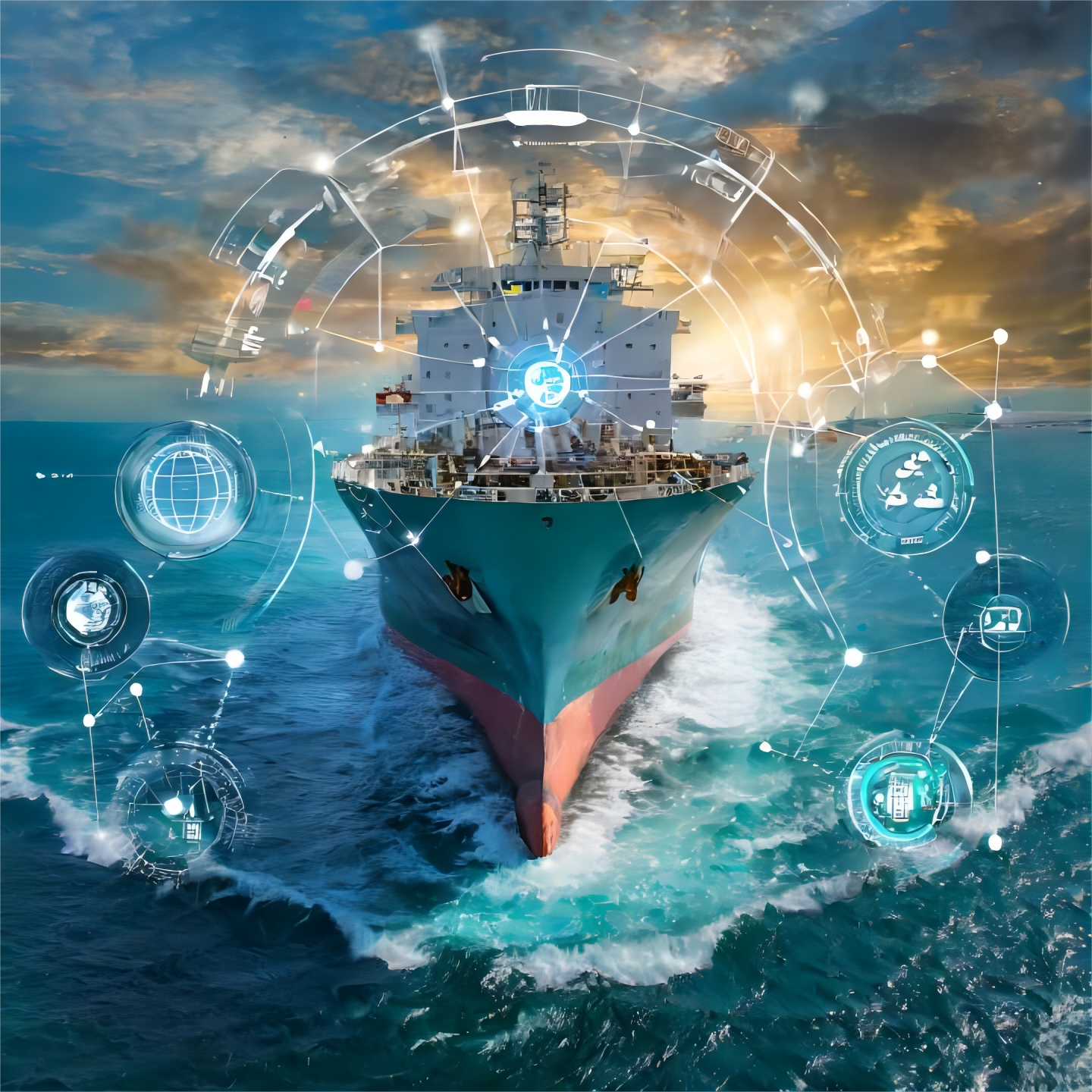
What is Reefer FCL and Why is it Essential for Electronics?
Indeed, Full Container Load (FCL) shipping involves using an entire container exclusively for your cargo. Reefer FCL specifically refers to temperature-controlled containers, crucial for transporting sensitive goods. These specialized units maintain precise conditions, protecting electronics from environmental damage during transit.
Crucially, electronics, including semiconductors, circuit boards, and advanced devices, are highly susceptible to temperature fluctuations and humidity. Exposure to extreme heat or cold can degrade components, while condensation can cause irreversible damage. Therefore, opting for a reefer container mitigates these risks, preserving product integrity.
Furthermore, modern reefer containers offer advanced monitoring capabilities. This allows for real-time tracking of temperature, humidity, and even shock, providing unparalleled transparency and control over your valuable electronics. Consequently, this technology ensures peace of mind throughout the long journey from China to Germany.
The Step-by-Step Reefer FCL Booking Process for Electronics
Navigating the reefer FCL booking process requires careful planning and coordination. Here, we outline the key stages involved in shipping electronics from China to Germany. Following these steps systematically helps ensure a compliant and efficient shipment.
Initially, gather all necessary details about your cargo, including type of electronics, quantity, dimensions, and specific temperature/humidity requirements. This information is vital for accurate quoting and proper container selection. Providing precise data upfront prevents potential delays and additional costs later.
Next, engage with a reputable freight forwarder specializing in electronics and reefer shipments. They will assist with rate negotiation, vessel space booking, and overall logistics planning. A reliable partner ensures smooth coordination across the entire supply chain.
Subsequently, prepare all required documentation, such as commercial invoices, packing lists, and certificates of origin. Additionally, ensure compliance with both Chinese export regulations and German import requirements. Proper documentation is paramount for avoiding customs delays.
Cargo Preparation and Loading Procedures
Before loading, ensure your electronics are properly packaged for international transit. Use anti-static materials, cushioning, and sturdy cartons to protect against physical shock and vibration. Moreover, consolidate your goods efficiently within the container to maximize space and prevent movement during shipping.
During loading, the reefer container’s pre-cooling is essential. The container must reach the desired temperature before your cargo is placed inside. Additionally, proper stuffing and securing of the cargo within the reefer are crucial to maintain airflow and temperature consistency throughout the journey. This meticulous approach safeguards your valuable electronics.
Furthermore, after loading, the container doors are sealed, and the reefer unit settings are confirmed. A professional freight forwarder will then arrange for the container to be transported to the port of loading in China. This ensures the cold chain integrity is maintained from the point of origin.
Ocean Transit and Real-time Monitoring
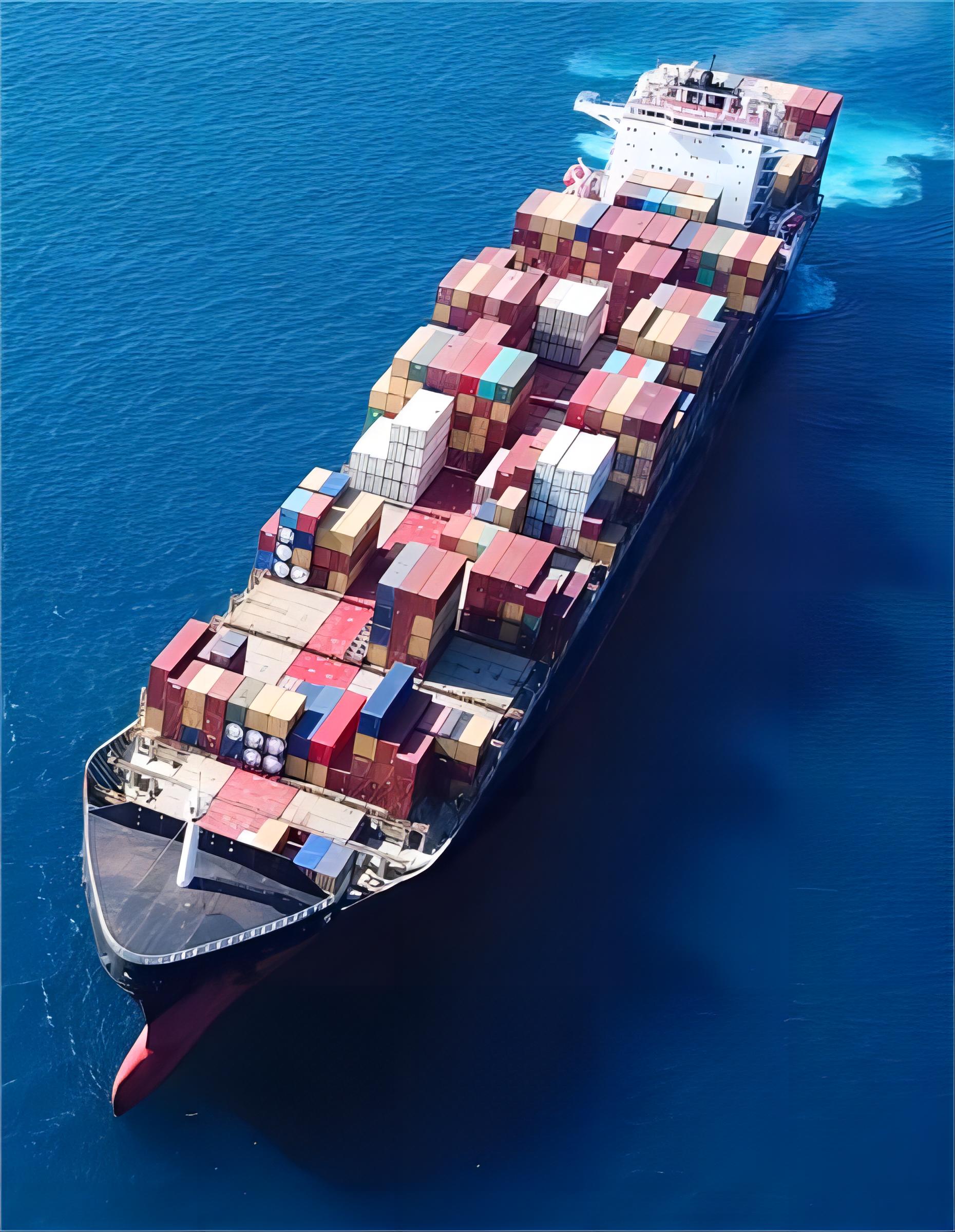
Once loaded onto the vessel, your reefer FCL shipment embarks on its ocean transit to Germany. The journey typically involves major shipping lanes across the Indian Ocean and through the Suez Canal. Transit times vary, depending on the specific ports and carrier routes chosen.
Throughout the voyage, continuous monitoring of the reefer container’s internal conditions is critical. Modern reefer units often feature telematics systems that provide real-time data on temperature, humidity, and even GPS location. This allows you to track your shipment’s status and ensures optimal conditions are maintained.
In case of any deviations from the set parameters, alerts are triggered, enabling prompt intervention by the carrier or freight forwarder. This proactive monitoring is vital for preserving the quality of your sensitive electronics. Consequently, you receive timely updates on your cargo’s journey, enhancing supply chain visibility.
Customs Clearance and Final Delivery in Germany
Upon arrival at a German port, such as Hamburg or Bremerhaven, your shipment will undergo customs clearance. This process involves submitting import declarations, paying applicable duties and taxes, and complying with all relevant EU regulations. Engaging an experienced customs brokerage service is highly recommended to streamline this complex stage.
Following successful customs clearance, the reefer container is transported to its final destination within Germany. This could be a warehouse, distribution center, or direct to your customer. For efficient logistics, consider utilizing door-to-door services, which handle the entire journey from your supplier’s factory to your desired location.
Finally, upon arrival, the container is unloaded, and the electronics are inspected for any potential damage. Proper handling during this final stage is crucial to complete the cold chain delivery successfully. Therefore, coordinating with the receiving party ensures a smooth and secure handover of your valuable goods.
How Does Reefer FCL Compare to Other Shipping Options?
Choosing the right shipping method for electronics from China to Germany involves weighing several factors, including cost, speed, and cargo sensitivity. While Reefer FCL is ideal for temperature-sensitive electronics, other options might suit different needs. Understanding these alternatives is crucial for optimizing your logistics strategy.
For instance, air freight offers significantly faster transit times but at a much higher cost. Conventional dry FCL is cheaper but lacks the essential temperature control for delicate electronics. Therefore, a comprehensive comparison helps in making an informed decision for your specific cargo requirements.
Moreover, hybrid solutions or LCL (Less than Container Load) services can also play a role, depending on the volume and urgency of your shipment. Each method presents unique advantages and limitations, influencing the overall efficiency and expense of your supply chain.
Shipping Method Comparison for Electronics (China to Germany)
This table provides a clear overview of the primary shipping methods available. It highlights key differences in cost, transit time, suitability, and potential limitations. Based on current market rates (Q1 2025), these figures offer a general guideline for planning purposes.
| Shipping Method | Cost Range (40HQ/1000kg) | Transit Time | Best For | Limitations |
|---|---|---|---|---|
| Reefer FCL Sea Freight | $4,000 – $6,000 | 28-35 days | Temperature/humidity sensitive electronics, large volumes | Long transit time, higher cost than dry FCL |
| Dry FCL Sea Freight | $3,000 – $4,200 | 28-35 days | Non-sensitive electronics, large volumes | No temperature control, not suitable for delicate items |
| Air Freight (General) | $15,000 – $25,000 | 3-7 days | Urgent, high-value, smaller volumes | Very high cost, limited capacity for large shipments |
| LCL Sea Freight (Dry) | $500 – $1,500 (per CBM) | 35-45 days | Small to medium volumes, non-sensitive items | Longer transit, higher risk of damage, no temp control |
| Rail Freight | $8,000 – $12,000 (40HQ) | 18-25 days | Medium urgency, large volumes, some temp control options | Limited routes/schedules, higher cost than sea, less flexible |
Which Option Should You Choose for Your Electronics?
Deciding on the optimal shipping method hinges on your specific priorities and cargo characteristics. Consider these criteria to make the best choice. Each scenario presents a trade-off between speed, cost, and specific handling requirements for your electronics.
**Budget Priority**: If cost is the primary concern and electronics are not temperature-sensitive, standard sea freight (dry FCL or LCL) is the most economical option. However, for sensitive items, Reefer FCL sea freight balances cost with essential protection.
**Speed Priority**: For urgent shipments or high-value, time-sensitive electronics, air freight is unparalleled in speed. While significantly more expensive, it ensures rapid delivery, minimizing time in transit. This is often chosen for new product launches or critical components.
**Cargo Type Considerations**: For sensitive electronics requiring strict temperature and humidity control, Reefer FCL is non-negotiable. For robust, non-temperature-sensitive items like cables or plastic casings, dry FCL or LCL suffices. Shipping to Europe with electronics requires careful consideration of the specific destination and infrastructure.
**Volume Thresholds**: For shipments exceeding 15-20 CBM, FCL generally becomes more cost-effective than LCL. If your electronics volume fills a reefer container, FCL provides better security and control. Smaller volumes might consider LCL if temperature control is not strictly required, or express service for very small, urgent parcels.
Critical Factors Influencing Cost and Transit Time
Several dynamic elements significantly impact the cost and transit time of your Reefer FCL shipment from China to Germany. Understanding these factors allows for better budget planning and expectation management. Consequently, anticipating these variables helps mitigate potential disruptions.
Firstly, freight rates are highly volatile, influenced by global supply and demand, fuel prices, and carrier capacity. Surcharges, such as Bunker Adjustment Factor (BAF) and Peak Season Surcharge (PSS), can also significantly add to the overall cost. Obtaining a current quote is always advisable.
Secondly, seasonal variations play a crucial role. Rates typically increase 15-25% during the August-October peak season leading up to holidays. Similarly, Chinese New Year closures can cause delays and rate hikes. Planning your shipments around these periods can lead to substantial savings.
Thirdly, port congestion at both origin and destination can cause unforeseen delays. Strikes, weather events, and equipment shortages also contribute to extended transit times. Working with a proactive freight forwarder helps navigate these challenges more effectively. They can often provide alternative solutions or updated delivery schedules.
Ensuring Compliance and Risk Management for Electronics
Shipping electronics internationally involves navigating a complex web of regulations and potential risks. Proactive compliance and robust risk management strategies are paramount for a successful Reefer FCL booking process for electronics from China to Germany. This ensures your cargo arrives safely and legally.
Initially, meticulous adherence to customs regulations is non-negotiable. Both Chinese export and German (EU) import laws must be strictly followed. This includes accurate commodity classification, proper valuation, and obtaining any necessary licenses or permits for your specific electronic products. Incorrect declarations can lead to severe penalties and delays.
Furthermore, understand the applicable import duties and taxes for electronics entering Germany. These vary by product category and origin. Consulting with a customs expert can help you estimate these costs accurately and identify any potential duty relief programs. This financial planning is a critical part of import/export operations.
Moreover, investing in comprehensive cargo insurance for high-value electronics is highly recommended. While carriers offer limited liability, it often does not cover the full value of your goods in case of loss or damage. A robust insurance policy provides financial protection against unforeseen events during transit.
Packaging and Container Requirements for Electronics
Proper packaging is the first line of defense for your electronics. Utilize anti-static bags, foam inserts, and sturdy corrugated cardboard boxes. Moreover, ensure that individual packages are clearly labeled with handling instructions and destination information. This meticulous approach minimizes transit risks.
For reefer containers, proper loading and bracing are vital. The cargo must be stowed to allow adequate airflow around the entire container. This prevents hot spots and ensures consistent temperature distribution. Additionally, secure your goods to prevent shifting during transit, which could damage both the cargo and the reefer unit.
Always verify the reefer container’s condition before loading. Check for any damage, ensure the cooling unit is functioning correctly, and confirm calibration. A pre-trip inspection (PTI) report provides assurance of the container’s readiness for sensitive electronics. This due diligence is crucial for cold chain integrity.
Case Studies: Real-World Reefer FCL Shipments to Germany
Examining actual shipment scenarios provides practical insights into the complexities and successful execution of the Reefer FCL booking process for electronics from China to Germany. These examples highlight typical challenges and effective solutions in cold chain logistics. Therefore, they offer valuable lessons for future shipments.
These case studies reflect market conditions and typical rates as of early 2025. Note that freight rates are subject to change based on fuel costs, carrier capacity, and seasonal demand. Always contact us for a current quote tailored to your specific shipment.
Case Study 1: Large Volume of Consumer Electronics
| Route: | Shenzhen, China -> Hamburg, Germany |
| Cargo: | Smartphones and tablets, 55 CBM, 15,000 kg |
| Container: | 1 x 40HQ Reefer |
| Shipping Details: | |
| – Carrier/Service: | MSC |
| – Port of Loading: | Yantian, Shenzhen |
| – Port of Discharge: | Port of Hamburg |
| – Route Type: | Direct |
| Cost Breakdown (Based on Q1 2025 rates): | |
| – Ocean Freight: | $4,800 |
| – Origin Charges (THC, documentation): | $550 |
| – Destination Charges (THC, DDC): | $680 |
| – Customs & Duties (estimated): | $1,200 |
| – Total Landed Cost: | $7,230 |
| Timeline: | |
| – Booking to Loading: | 5 days |
| – Sea Transit: | 32 days |
| – Customs Clearance: | 3 days |
| – Total Door-to-Door: | 40 days |
| Key Insight: | Efficient documentation and pre-booked slot during a stable rate period ensured smooth transit and cost-effectiveness. Temperature was maintained at 20°C, 50% RH. |
Case Study 2: Specialized Medical Devices (High-Value)
| Route: | Shanghai, China -> Munich, Germany (via Bremerhaven) |
| Cargo: | Medical diagnostic equipment, 28 CBM, 8,000 kg |
| Container: | 1 x 20GP Reefer |
| Shipping Details: | |
| – Carrier/Service: | COSCO |
| – Port of Loading: | Shanghai |
| – Port of Discharge: | Bremerhaven |
| – Route Type: | Direct |
| Cost Breakdown (Typical rates as of early 2025): | |
| – Ocean Freight: | $3,800 |
| – Origin Charges (THC, documentation): | $450 |
| – Destination Charges (THC, DDC): | $600 |
| – Customs & Duties (estimated): | $950 |
| – Total Landed Cost: | $5,800 |
| Timeline: | |
| – Booking to Loading: | 7 days |
| – Sea Transit: | 35 days |
| – Customs Clearance: | 4 days |
| – Total Door-to-Door: | 46 days |
| Key Insight: | Despite a slight customs delay due to new medical device regulations, robust insurance and proactive communication from the freight forwarder ensured minimal impact. Temperature was maintained at 22°C, 45% RH. |
Choosing the Right Freight Forwarder for Your Electronics Shipments
Selecting a competent freight forwarder is arguably the most critical decision in the Reefer FCL booking process for electronics from China to Germany. A reliable partner acts as an extension of your logistics team, ensuring smooth operations. Their expertise directly impacts the efficiency and safety of your valuable cargo.
Firstly, look for forwarders with proven experience in handling sensitive electronics and operating reefer containers. They should demonstrate a deep understanding of cold chain logistics, specific packaging requirements, and international regulations. This specialized knowledge is invaluable for complex shipments.
Secondly, assess their network and partnerships. A strong global network, particularly in China and Germany, ensures seamless coordination at both origin and destination ports. Furthermore, reputable forwarders often have established relationships with major shipping lines, securing better rates and reliable vessel space.
Finally, transparency in communication and advanced tracking capabilities are essential. You need a partner who provides regular updates, real-time monitoring data, and prompt responses to inquiries. This level of service minimizes stress and allows you to stay informed throughout the entire shipping journey.
Mastering Your Reefer FCL Shipments for Electronics
Ultimately, navigating the complex Reefer FCL booking process for electronics from China to Germany requires meticulous planning, precise execution, and a trusted logistics partner. From understanding cargo specifics to managing customs and mitigating risks, each step is vital for safeguarding your valuable investment. By prioritizing cold chain integrity and regulatory compliance, you ensure the successful delivery of your sensitive electronics.
Indeed, with careful preparation and the right support, shipping electronics via reefer FCL can be a seamless and efficient process. This approach protects your products and strengthens your supply chain, ultimately contributing to your business success. Partner with experts who understand the nuances of international electronics shipping.
Get Your Shipping Quote Today
Ready to streamline your Reefer FCL booking process for electronics from China to Germany? Our expert team at Top China Freight specializes in secure, temperature-controlled logistics for sensitive cargo. Contact us today to receive a personalized quote and ensure your electronics arrive safely and efficiently.
Request Quote