
Understanding Freight Rate for FCL Shipping from China to Seattle
Navigating international logistics can be complex, especially when seeking the optimal freight rate for FCL shipping from China to Seattle. Businesses frequently encounter challenges in understanding the various components that contribute to the overall cost. This comprehensive guide aims to demystify FCL shipping costs, offering clear insights and practical strategies for your supply chain needs.
What is FCL Shipping and Why Choose It for China to Seattle?
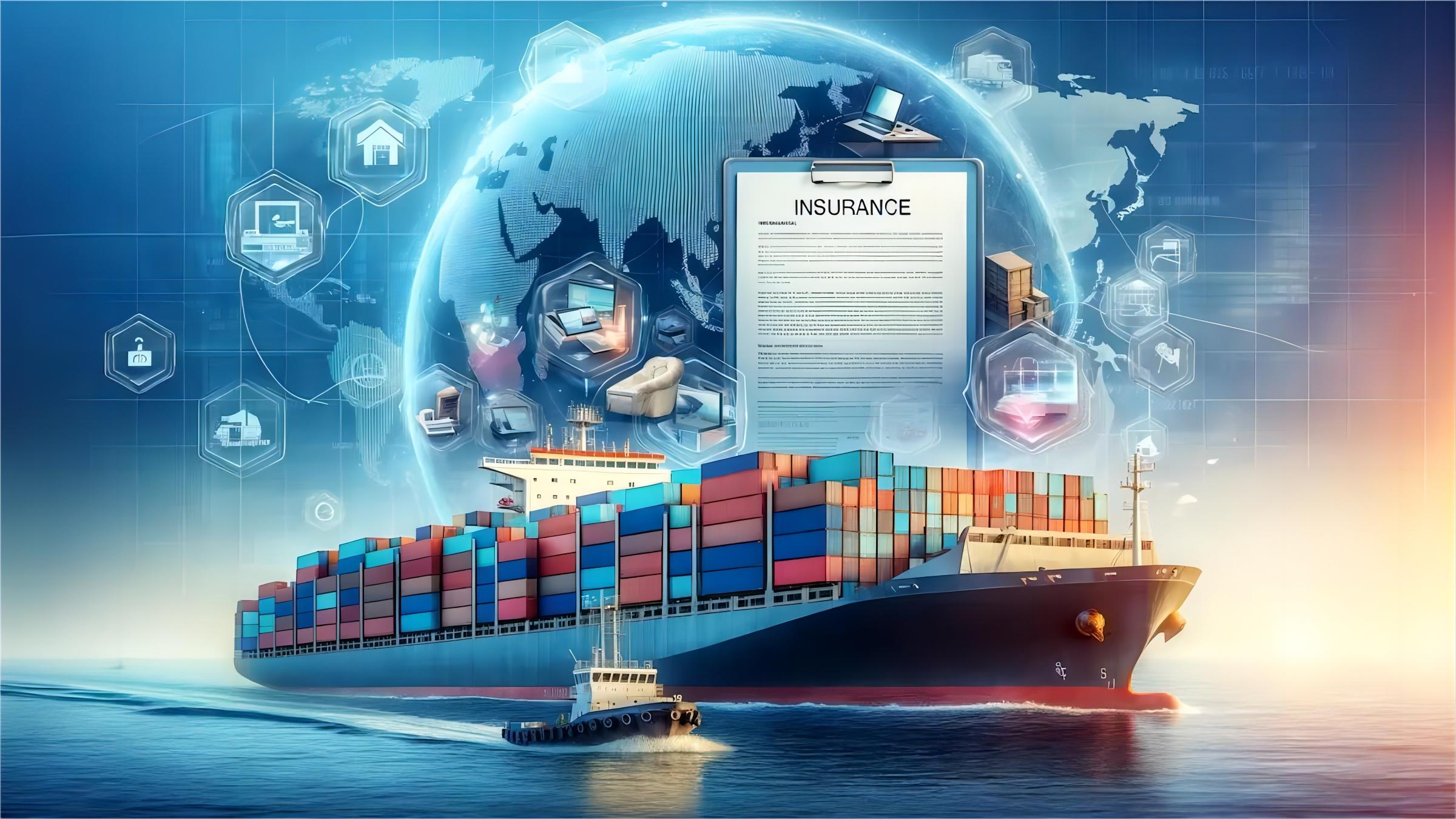
FCL stands for Full Container Load, meaning your goods occupy an entire shipping container. This method is ideal for larger shipments that can fill a 20-foot, 40-foot, or 40-foot high cube container.
Choosing FCL shipping from China to Seattle offers several distinct advantages. Primarily, it provides greater security and faster transit times compared to Less than Container Load (LCL) options. Your cargo remains sealed from origin to destination, minimizing handling and potential damage.
How Does FCL Shipping Compare to Other Options for China to Seattle?
When planning your logistics from China to Seattle, evaluating various shipping methods is crucial. Each option presents a unique balance of cost, speed, and suitability for different cargo types. Consequently, understanding these trade-offs helps in making informed decisions.
Comparatively, ocean freight remains the backbone for bulk shipments due to its cost-effectiveness. However, other methods might be more appropriate depending on your specific requirements. This comparison highlights key differences.
| Shipping Method | Cost Range (USD) | Transit Time | Best For | Limitations |
|---|---|---|---|---|
| FCL Sea Freight | $2,800 – $4,500 (40HQ) | 14-22 days | Large volume, heavy cargo, non-urgent goods | Slower transit, port congestion delays |
| LCL Sea Freight | $50 – $120 per CBM | 20-30 days | Smaller shipments, flexible volume, cost-sensitive | More handling, longer transit, potential for delays |
| Air Freight | $4 – $8 per kg (general cargo) | 3-7 days | Urgent, high-value, perishable goods, small volume | Significantly higher cost, size/weight restrictions |
| Multimodal (Sea-Rail) | $3,500 – $5,500 (40HQ) | 25-35 days | Cost-effective for inland US, larger volume | Longer overall transit, multiple transfers |
What Factors Influence the Freight Rate for FCL Shipping from China to Seattle?
The overall sea freight rate for FCL shipping from China to Seattle is a dynamic figure, influenced by numerous variables. Understanding these factors allows businesses to better predict and manage their shipping budgets. Therefore, a detailed breakdown of these elements is essential.
Market conditions, fuel prices, and geopolitical events all play significant roles. Moreover, the specific characteristics of your cargo and chosen service level also impact the final cost. Consequently, rates can fluctuate considerably.
Origin and Destination Ports
The specific port of loading in China (e.g., Shanghai, Ningbo, Shenzhen) and the port of discharge in Seattle directly affect pricing. Demand and capacity at these ports can cause rate variations. Furthermore, inland transportation costs, known as drayage, from the port to your final destination in Seattle are also included.
Container Type and Size
The most common FCL container sizes are 20-foot GP, 40-foot GP, and 40-foot HQ (High Cube). Generally, larger containers offer better per-unit cost efficiency. For example, the 40ft container rates China to Seattle are often more economical than two 20ft containers for the same volume.
Specialized containers like open-top or reefer containers naturally incur higher freight rates due to their unique features and limited availability. Thus, your cargo’s requirements dictate the container choice and its associated costs.
Ocean Carrier and Service Level
Different shipping lines (e.g., Maersk, COSCO, Evergreen) offer varying service levels and pricing structures. Premium services may offer faster transit times or guaranteed space, albeit at a higher cost. Conversely, standard services are more budget-friendly but might be subject to longer waits.
Direct routes typically come with a higher price tag but offer shorter transit times. On the other hand, routes involving transshipment can be more economical but extend the overall delivery schedule. Therefore, balancing speed and cost is key.
Seasonal Demand and Market Fluctuations
Freight rates are highly susceptible to seasonal demand. Rates typically increase 15-25% during August-October due to the peak season leading up to holidays. Similarly, rates often surge before Chinese New Year as shippers rush to move goods. Conversely, demand usually softens in Q1 after the holiday rush.
Global events, such as port congestion, fuel price volatility, or geopolitical tensions, can also cause sudden and significant rate changes. For instance, as of Q1 2025, while Red Sea disruptions mainly affected Europe, global capacity shifts still impact trans-Pacific routes.
Surcharges and Additional Fees
Beyond the base ocean freight, several surcharges contribute to the total FCL shipping costs China Seattle. These include Bunker Adjustment Factor (BAF) for fuel, Currency Adjustment Factor (CAF), Terminal Handling Charges (THC) at both origin and destination, and Peak Season Surcharges (PSS).
Other potential fees might include documentation fees, customs inspection charges, and chassis usage fees. Furthermore, demurrage and detention charges can apply if containers are not picked up or returned within the free time. Careful planning can help mitigate these extra costs.
How to Estimate Your FCL Shipping Costs from China to Seattle?
Accurately estimating the freight rate for FCL shipping from China to Seattle requires considering all cost components. This proactive approach helps in budgeting and avoiding unexpected expenses. Therefore, gathering detailed information about your shipment is the first step.
While online calculators can provide rough estimates, a precise quote from a reputable freight forwarder is always recommended. These quotes factor in real-time market conditions and specific route details. This ensures you receive the most accurate pricing.
Typical Cost Components for FCL China to Seattle (as of Q1 2025)
Based on current market rates, a 40HQ container from major Chinese ports to Seattle typically ranges from $2,800 to $3,800 for ocean freight. This figure, however, is just one part of the overall landed cost. Several other charges will apply.
For example, origin charges (THC, documentation) might add $200-$400. Destination charges (THC, port security) in Seattle could be $300-$600. Drayage from Seattle port to an inland warehouse can range from $400-$800, depending on distance. Customs duties and taxes vary based on product HS codes.
Note: Freight rates are subject to change based on fuel costs, carrier capacity, and seasonal demand. Contact us for a current quote tailored to your specific shipment.
Calculating Transit Time
The sea transit time for FCL shipping from China to Seattle generally ranges from 14 to 22 days. This duration depends on the specific origin port, the carrier, and whether the route is direct or involves transshipment. For instance, Shanghai to Seattle might be quicker than Dalian to Seattle.
However, the total door-to-door transit time will be longer. This includes inland transport in China, port loading times, customs clearance, and drayage in Seattle. Consequently, a realistic total often falls between 20-30 days, allowing for potential delays.
| Port of Loading (China) | Port of Discharge (USA) | Estimated Sea Transit (Days) | Total Door-to-Door (Days) |
|---|---|---|---|
| Shanghai | Seattle | 14-18 | 20-25 |
| Ningbo | Seattle | 15-19 | 21-26 |
| Shenzhen | Seattle | 16-22 | 23-30 |
| Qingdao | Seattle | 18-22 | 25-30 |
Real-World Scenarios: FCL Shipping from China to Seattle
Examining real-world case studies provides valuable context for understanding the complexities and costs involved. These examples illustrate how various factors impact the final freight rate for FCL shipping from China to Seattle. Each scenario highlights different challenges and solutions.
These cases are based on typical rates as of early 2025, offering a realistic view of current market conditions. They demonstrate the importance of meticulous planning and choosing the right logistics partner. Hence, learning from these examples can optimize your own shipping strategy.
Case Study 1: E-commerce Retailer’s Seasonal Stock-Up
| Detail | Description |
|---|---|
| Route | Ningbo, China -> Seattle, USA |
| Cargo | Seasonal Apparel, 55 CBM, 9,500 kg |
| Container | 1 x 40HQ |
| Shipping Details | |
| – Carrier/Service | Major carrier (e.g., COSCO) |
| – Port of Loading | Ningbo |
| – Port of Discharge | Seattle |
| – Route Type | Direct |
| Cost Breakdown (Estimated) | |
| – Ocean Freight | $3,500 |
| – Origin Charges | $350 |
| – Destination Charges | $500 |
| – Customs & Duties (est.) | $700 |
| – Total Landed Cost (excl. drayage) | $5,050 |
| Timeline | |
| – Booking to Loading | 5 days |
| – Sea Transit | 17 days |
| – Customs Clearance | 3 days |
| – Total Door-to-Door (to Seattle warehouse) | 28 days |
| Key Insight | Booking well in advance of peak season secured a better rate. Amazon FBA preparedness was crucial for smooth delivery. |
Case Study 2: Industrial Equipment for Construction Project
| Detail | Description |
|---|---|
| Route | Qingdao, China -> Seattle, USA |
| Cargo | Heavy Machinery Parts, 25 CBM, 18,000 kg |
| Container | 1 x 20GP |
| Shipping Details | |
| – Carrier/Service | Major carrier (e.g., OOCL) |
| – Port of Loading | Qingdao |
| – Port of Discharge | Seattle |
| – Route Type | Direct |
| Cost Breakdown (Estimated) | |
| – Ocean Freight | $2,000 |
| – Origin Charges | $300 |
| – Destination Charges | $450 |
| – Customs & Duties (est.) | $1,200 |
| – Total Landed Cost (excl. drayage) | $3,950 |
| Timeline | |
| – Booking to Loading | 7 days |
| – Sea Transit | 20 days |
| – Customs Clearance | 4 days |
| – Total Door-to-Door (to construction site) | 32 days |
| Key Insight | Heavy cargo in a 20GP optimized cost. Professional customs brokerage ensured compliance for specialized equipment. |
Case Study 3: Furniture Importer Facing Port Congestion
| Detail | Description |
|---|---|
| Route | Xiamen, China -> Seattle, USA |
| Cargo | Flat-pack Furniture, 60 CBM, 8,000 kg |
| Container | 1 x 40HQ |
| Shipping Details | |
| – Carrier/Service | Major carrier (e.g., MSC) |
| – Port of Loading | Xiamen |
| – Port of Discharge | Seattle |
| – Route Type | Transshipment via Busan |
| Cost Breakdown (Estimated) | |
| – Ocean Freight | $3,200 |
| – Origin Charges | $320 |
| – Destination Charges | $550 |
| – Customs & Duties (est.) | $800 |
| – Total Landed Cost (excl. drayage) | $4,870 |
| Timeline | |
| – Booking to Loading | 6 days |
| – Sea Transit | 24 days |
| – Customs Clearance | 5 days |
| – Total Door-to-Door (to distribution center) | 38 days |
| Key Insight | Choosing a transshipment route offered a lower base rate but added transit time. Proactive communication with the door-to-door logistics provider helped manage expectations during port congestion. |
Strategies to Optimize Your FCL Freight Rate from China to Seattle
Securing a competitive freight rate for FCL shipping from China to Seattle requires strategic planning and negotiation. By implementing effective strategies, businesses can significantly reduce their overall shipping expenditures. Therefore, continuous evaluation of your logistics process is beneficial.
Several approaches can lead to cost savings without compromising service quality. These include optimizing container utilization, flexible scheduling, and leveraging the expertise of a freight forwarder. Consequently, a well-thought-out plan can yield substantial benefits.
Maximize Container Utilization
Ensuring your container is fully loaded is one of the most effective ways to lower your per-unit shipping cost. Every cubic meter of unused space is a missed opportunity for efficiency. Thus, meticulous planning of cargo dimensions and packaging is essential.
Consider using professional loading services that specialize in optimizing container space. This approach helps you get the most out of every 20ft container cost China to Seattle or 40ft container rate. Efficient packing minimizes empty space and maximizes value.
Plan Ahead and Be Flexible
Booking your FCL shipment well in advance, especially during peak seasons, can help secure better rates and avoid premium surcharges. Last-minute bookings often incur higher costs due to limited space availability. Consequently, early planning is a powerful cost-saving tool.
If your delivery schedule allows, being flexible with departure dates can also yield savings. Shipping during off-peak periods or choosing slightly longer transit times often comes with lower freight rates. Therefore, evaluate your urgency versus cost priorities.
Choose the Right Incoterms
Incoterms define the responsibilities and liabilities between buyer and seller in international trade. Choosing the appropriate Incoterm (e.g., FOB, EXW, CIF) impacts who pays for which part of the freight, insurance, and customs. Consequently, this choice significantly affects your overall landed cost FCL China to Seattle.
For instance, under FOB (Free On Board), the seller covers costs until the goods are loaded onto the vessel. Under EXW (Ex Works), the buyer assumes responsibility from the seller’s factory. Understanding these distinctions is vital for cost control.
Leverage a Reputable Freight Forwarder
Partnering with an experienced freight forwarder is invaluable for optimizing your FCL shipping from China to Seattle. They have established relationships with multiple carriers, allowing them to negotiate better rates and secure space. Moreover, they possess expertise in navigating complex customs procedures and documentation.
A good forwarder can provide insights into market trends, advise on the cheapest FCL rates China to US West Coast, and offer alternative shipping solutions like air freight when sea options are not viable. Their knowledge can save both time and money.
Which Option Should You Choose for Your FCL Shipment?
Deciding on the best shipping strategy for your FCL cargo from China to Seattle depends on a careful assessment of your business priorities. There is no one-size-fits-all solution; rather, the optimal choice is tailored to your specific needs. Therefore, consider these criteria.
Your budget, urgency, cargo characteristics, and overall supply chain objectives will guide your decision. By evaluating these factors, you can select the most efficient and cost-effective method. This ensures smooth operations and predictable logistics.
Budget Priority
If minimizing costs is your primary concern, FCL sea freight is almost always the most economical choice. Look for options with slightly longer transit times or consider transshipment routes for potential savings. Consolidating orders to fill a 40HQ container will further reduce your per-unit freight rate for FCL shipping from China to Seattle.
Speed Priority
When time is of the essence, direct FCL sea freight routes with premium carriers offer the fastest ocean transit. However, for extremely urgent shipments, air freight remains the undisputed champion, despite its significantly higher cost. For critical, smaller volumes, air might be necessary.
Cargo Type Considerations
For durable, non-perishable goods in large quantities, FCL sea freight is ideal. However, for fragile, high-value, or time-sensitive items like electronics or pharmaceuticals, air freight provides better protection and speed. Specialized containers are available for temperature-controlled or oversized cargo via sea.
Volume Thresholds
If your cargo volume is consistently above 15 CBM (cubic meters), FCL shipping generally becomes more cost-effective than LCL. A 20-foot container holds approximately 33 CBM, while a 40-foot HQ holds about 76 CBM. Maximize your container space to achieve the best freight rate.
Navigating FCL Shipping from China to Seattle with Confidence
The journey of securing an optimal freight rate for FCL shipping from China to Seattle involves understanding numerous variables, from container types to market dynamics. By carefully considering these factors and implementing strategic approaches, businesses can achieve significant cost efficiencies and improve their supply chain reliability.
Partnering with a knowledgeable logistics provider like Top China Freight is paramount. We offer expertise and personalized solutions to help you navigate the complexities of international shipping, ensuring your cargo arrives in Seattle efficiently and cost-effectively. Make informed decisions and empower your global trade endeavors.
Start Your Shipment
Ready to optimize your freight rate for FCL shipping from China to Seattle? Contact our experts today for a personalized quote and tailored logistics solutions. We’re here to streamline your supply chain and ensure cost-effective, reliable delivery.
Request Quote