
20GP FCL Best Route for Electronics from China to Chicago
“Shipping electronics from China to Chicago demands a reliable and efficient logistics strategy. For businesses dealing with significant volumes, selecting the 20GP FCL best route for electronics from China to Chicago is paramount. This guide explores optimal shipping methods, cost considerations, and crucial compliance factors to ensure your valuable cargo arrives safely and on schedule.”
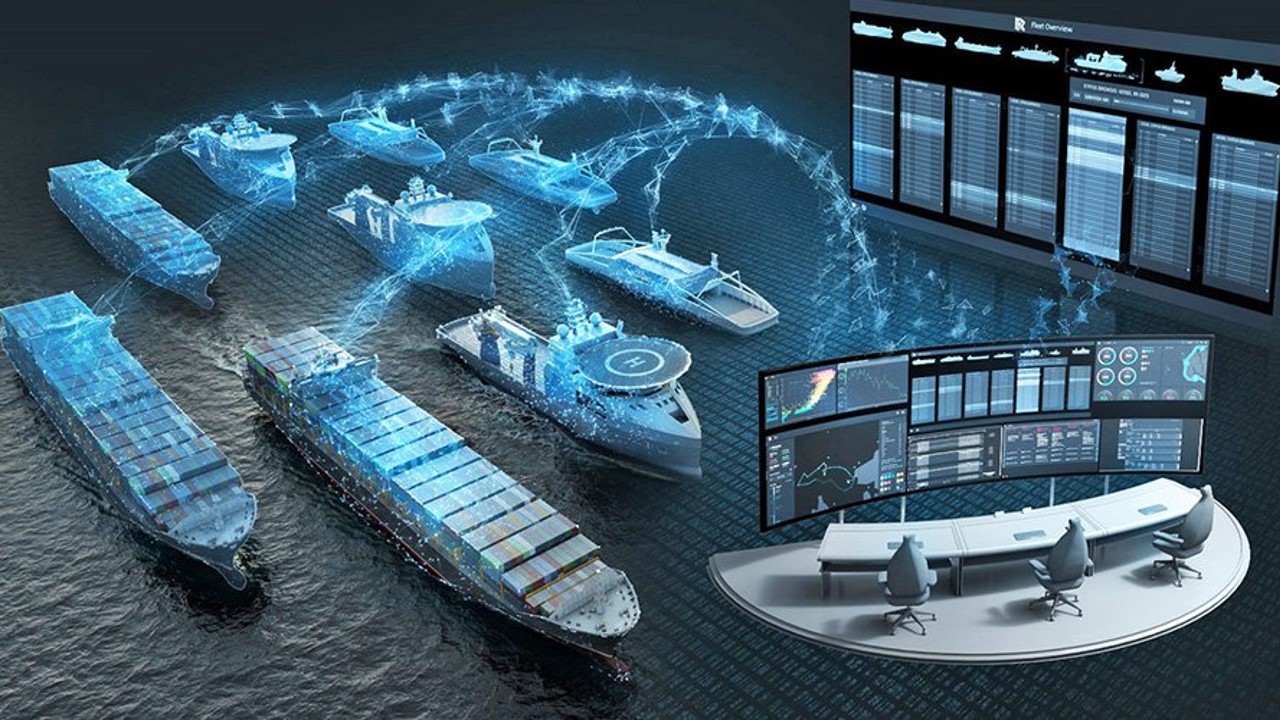
Understanding 20GP FCL for Electronics Shipments
❖A 20GP (General Purpose) Full Container Load (FCL) means using an entire 20-foot shipping container exclusively for your cargo. This method is ideal for electronics due to the volume, enhanced security, and reduced handling risks involved, making it a cost-effective solution for valuable goods.
FCL provides greater control over transit times and container integrity compared to LCL. Moreover, it typically results in lower per-unit costs for larger volumes. Consequently, FCL is a cost-effective solution preferred by many importers for their valuable electronic goods.
Key Considerations for Shipping Electronics
❖Shipping electronics involves unique challenges beyond standard cargo. These items are often fragile, high-value, and subject to specific import regulations. Proper planning, including adequate packaging and detailed customs documentation, is essential for successful shipments and prevents delays.
Adequate packaging is critical to protect against shock, vibration, and environmental factors like humidity. Detailed customs documentation, including accurate product descriptions and HTS codes, also prevents delays. Understanding these nuances streamlines the entire logistics process.
The Optimal Sea Freight Route: China to Chicago
❖For the 20GP FCL best route for electronics from China to Chicago, sea freight remains the most economical option. Shipping from major Chinese ports like Shanghai, Ningbo, or Shenzhen to a US West Coast port (Los Angeles/Long Beach) is primary. Afterwards, cargo transfers efficiently via intermodal rail to Chicago’s hubs, optimizing transit times compared to all-water East Coast routes. Sea freight and rail combined offer a good balance of speed and cost for electronics.
How Does Ocean Freight Compare to Other Shipping Options?
❖While ocean freight is often preferred for 20GP FCL electronics, comparing it with other viable options is important. Each method presents different trade-offs in cost, speed, and suitability for various cargo types. Understanding these differences helps in making an informed decision.
Indeed, selecting the right shipping method is crucial for balancing budget constraints with delivery expectations. Below is a comprehensive comparison of the main freight options from China to Chicago. This overview highlights the strengths and weaknesses of each service.
| Shipping Method | Cost Range (20GP Est.) | Transit Time | Best For | Limitations |
|---|---|---|---|---|
| Sea Freight (West Coast + Rail) | $2,500 – $4,500 | 20-28 days | Large volume, non-urgent, cost-sensitive electronics | Slower than air, potential port/rail delays |
| Air Freight | $15,000 – $25,000 | 3-7 days | Urgent, high-value, smaller volume electronics | Very high cost, limited capacity for FCL equivalent |
| Rail Freight (China-Europe-USA) | $8,000 – $12,000 | 25-35 days | Specific European distribution, not direct to USA | Not direct China-USA, complex transshipment |

Alternative Shipping Strategies for Electronics
❖Despite the advantages of 20GP FCL sea freight, alternative strategies can be beneficial for specific needs. A hybrid Sea-Air solution offers a middle ground between speed and cost, involving sea freight to a transit hub then air freight to Chicago.
Conversely, for smaller, urgent electronics not filling a 20GP, express service or LCL air freight might be suitable. These options provide faster delivery but at a higher per-unit cost. For e-commerce, Amazon FBA services can streamline delivery to US warehouses.
Which Shipping Option Should You Choose?
❖Deciding on the optimal shipping method for your 20GP FCL electronics depends on critical factors like budget, speed, and cargo nature. If **budget is the primary concern** and you have lead time, FCL sea freight with intermodal rail is most cost-effective. Conversely, for **speed paramount** electronics, air freight is preferred, though more expensive.
For **high-value, fragile electronics**, FCL sea freight offers superior security and reduced handling. Considering **volume thresholds**, FCL becomes significantly more economical than LCL once cargo exceeds roughly 15 CBM. Always assess these factors before making your selection.
Navigating Customs and Compliance for Electronics
❖Successful importation of electronics into the US requires meticulous attention to customs regulations. Electronics are subject to specific tariffs, safety standards, and intellectual property checks. Proper classification, accurate HTS codes, and certifications like FCC approval are vital for compliance and prevent costly delays.
Indeed, having all necessary permits and declarations prepared in advance prevents penalties. Understanding import duties and taxes is crucial for accurate landed cost calculations. Engaging a professional customs brokerage service can navigate these complexities, ensuring a smooth clearance process for your 20GP FCL electronics.
Real-World Case Studies: Electronics Shipments to Chicago
❖To further illustrate practical applications, here are three real-world case studies for shipping electronics to Chicago. These examples highlight different scenarios and the logistics solutions applied. They provide insight into typical costs, transit times, and challenges for the 20GP FCL best route for electronics from China to Chicago.
Case Study 1: Volume Consumer Electronics
| Field | Value |
|---|---|
| Route | Shenzhen, China -> Chicago, USA |
| Cargo | Smart home devices, 28 CBM, 9,500 kg |
| Container | 20GP FCL |
| Shipping Details | |
| – Carrier/Service | COSCO |
| – Port of Loading | Shenzhen |
| – Port of Discharge | Los Angeles |
| – Route Type | Direct to LA, then intermodal rail to Chicago |
| Cost Breakdown (Estimated, Q4 2024) | |
| – Ocean Freight | $3,800 |
| – Origin Charges (THC, documentation) | $450 |
| – Destination Charges (incl. rail) | $1,200 |
| – Customs & Duties (estimated) | $850 |
| – Total Landed Cost | $6,300 |
| Timeline | |
| – Booking to Loading | 5 days |
| – Sea Transit | 16 days |
| – Rail Transit | 5 days |
| – Customs Clearance | 2 days |
| – Total Door-to-Door | 28 days |
| Key Insight | Optimizing the West Coast + rail route provided a good balance of cost and speed for this bulk shipment. |
Case Study 2: Time-Sensitive New Product Launch
| Field | Value |
|---|---|
| Route | Ningbo, China -> Chicago, USA |
| Cargo | Gaming peripherals, 26 CBM, 8,000 kg |
| Container | 20GP FCL |
| Shipping Details | |
| – Carrier/Service | Maersk (Premium Service) |
| – Port of Loading | Ningbo |
| – Port of Discharge | Long Beach |
| – Route Type | Expedited direct service to LB, express rail to Chicago |
| Cost Breakdown (Estimated, Q1 2025) | |
| – Ocean Freight | $4,500 |
| – Origin Charges (THC, documentation) | $500 |
| – Destination Charges (incl. exp. rail) | $1,500 |
| – Customs & Duties (estimated) | $700 |
| – Total Landed Cost | $7,200 |
| Timeline | |
| – Booking to Loading | 4 days |
| – Sea Transit | 14 days |
| – Rail Transit | 4 days |
| – Customs Clearance | 2 days |
| – Total Door-to-Door | 24 days |
| Key Insight | Paying a premium for expedited ocean and rail services significantly reduced overall transit time, crucial for product launch. |
Case Study 3: High-Value Industrial Electronics
| Field | Value |
|---|---|
| Route | Shanghai, China -> Chicago, USA |
| Cargo | Specialized industrial sensors, 20 CBM, 12,000 kg |
| Container | 20GP FCL |
| Shipping Details | |
| – Carrier/Service | Evergreen (with enhanced cargo insurance) |
| – Port of Loading | Shanghai |
| – Port of Discharge | Long Beach |
| – Route Type | Direct service to LB, intermodal rail to Chicago |
| Cost Breakdown (Estimated, Q2 2025) | |
| – Ocean Freight | $3,900 |
| – Origin Charges (THC, documentation) | $480 |
| – Destination Charges (incl. rail) | $1,250 |
| – Customs & Duties (estimated) | $1,100 |
| – Total Landed Cost | $6,730 |
| Timeline | |
| – Booking to Loading | 6 days |
| – Sea Transit | 17 days |
| – Rail Transit | 5 days |
| – Customs Clearance | 3 days |
| – Total Door-to-Door | 31 days |
| Key Insight | Comprehensive insurance and careful handling were prioritized for this high-value, heavy cargo, leading to a slightly longer clearance time. |
Optimizing Your Supply Chain for Electronics Imports
❖Beyond selecting the right shipping route, optimizing your broader supply chain is crucial for sustained success. This involves strategic planning from origin to final delivery in North America, reducing costs and improving reliability.
Consolidating shipments from multiple suppliers into a single 20GP FCL container maximizes utilization and reduces expenses. Implementing robust risk management, including comprehensive cargo insurance, is vital for high-value electronics. Leveraging technology for real-time tracking also enhances supply chain control and efficiency.

Conclusion: Securing Your Electronics Journey to Chicago
Navigating the complexities of shipping 20GP FCL electronics from China to Chicago requires strategic planning and expert execution. The optimal route typically involves sea freight to a US West Coast port, followed by efficient intermodal rail transport. This method balances cost-effectiveness with reasonable transit times, crucial for valuable electronics.
By understanding key considerations like customs compliance, exploring alternative shipping strategies, and leveraging professional logistics partners, businesses can significantly enhance their supply chain efficiency. We invite you to explore our comprehensive <a href=”https://Top China Freight.net/services/door-to-door/”>door-to-door</a> services to simplify your next shipment. Ultimately, choosing the right partner ensures your electronics arrive safely and on schedule, reinforcing your business’s success.
Ready to streamline your logistics?
Ready to streamline your electronics imports with the 20GP FCL best route for electronics from China to Chicago? Partner with Top China Freight for expert logistics solutions tailored to your specific needs. Request a personalized quote today to optimize your shipping strategy and ensure seamless delivery.
Request Quote