20GP FCL Space Availability for Auto Parts from China to Florida
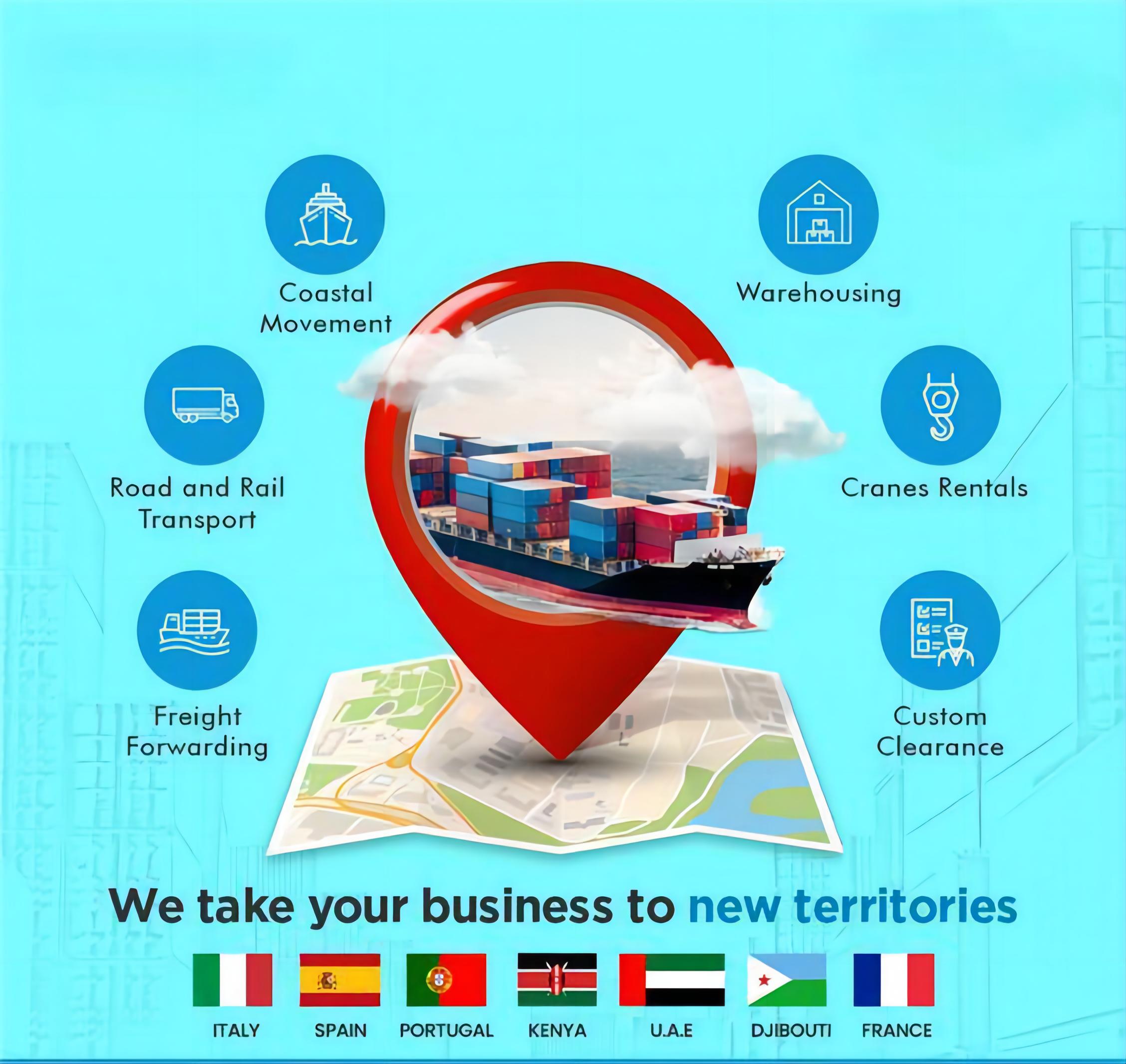
Securing reliable 20GP FCL space availability for auto parts from China to Florida is crucial for automotive businesses. Navigating the complexities of international logistics, fluctuating freight rates, and vessel schedules requires expertise. Therefore, partnering with a seasoned freight forwarder like Top China Freight can streamline your supply chain and ensure timely delivery of your essential auto components.
Why is 20GP FCL Space Critical for Auto Parts from China to Florida?
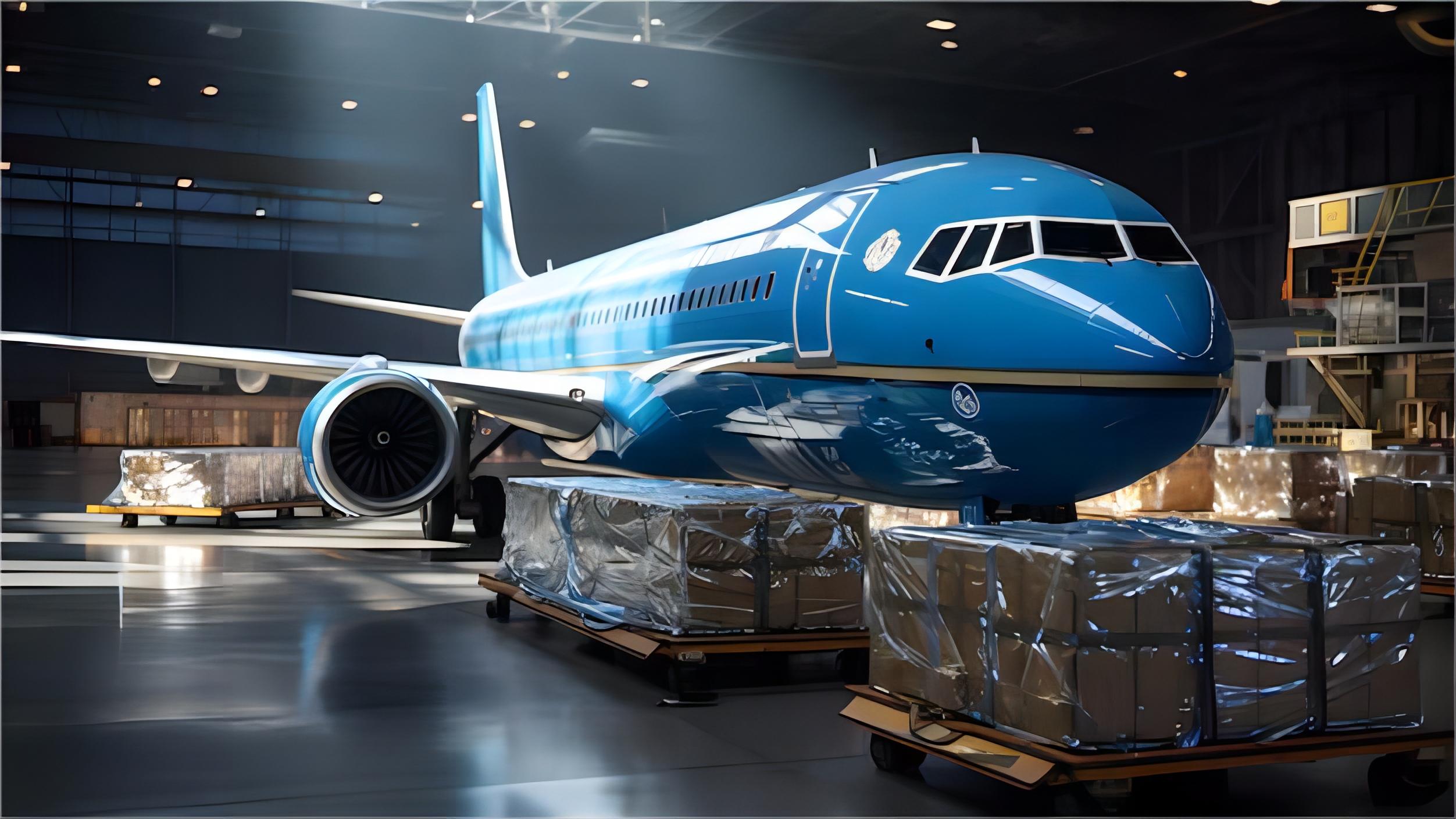
Specifically, a 20GP (20-foot General Purpose) Full Container Load (FCL) offers dedicated space for your cargo. This ensures that your auto parts are not consolidated with other shipments, which reduces handling and potential damage. Consequently, for businesses importing car parts to Florida, maintaining control over their cargo’s journey is paramount.
Moreover, dedicated FCL space provides greater security and efficiency for sensitive automotive components. This method is often preferred for larger volumes or high-value items, guaranteeing that your entire shipment arrives together. Understanding the nuances of container availability for auto components is therefore essential for effective supply chain management.
What Factors Influence 20GP FCL Space Availability and Rates?
Several key factors significantly impact 20GP FCL space availability and FCL shipping rates from China to Florida. Firstly, global shipping demand plays a major role; peak seasons, such as before holidays or major sales events, often lead to tight vessel space and higher costs. Furthermore, port congestion in both China and Florida can cause delays and affect schedules.
Additionally, fuel costs, carrier capacity, and geopolitical events can all influence the overall freight rates and space allocation. Consequently, staying informed about current logistics trends and market conditions is vital for importers. Reliable freight forwarders continuously monitor these variables to secure the best possible solutions.
How to Secure Optimal 20GP FCL Space for Your Auto Parts?
Securing optimal 20GP FCL space for shipping auto parts from China to Florida requires strategic planning and timely action. Firstly, booking in advance is always recommended, especially during peak shipping seasons, to lock in vessel space and potentially better rates. Furthermore, consider flexibility with your shipping dates if possible.
Secondly, working with an experienced freight forwarder is crucial. They have established relationships with multiple carriers and can leverage their network to find available space and competitive pricing. They can also assist with customs brokerage, ensuring a smooth import process into Florida. Moreover, understanding your cargo’s specific needs, like whether it requires special handling, will inform the booking process.
Navigating Transit Times and Delivery Schedules for Auto Parts
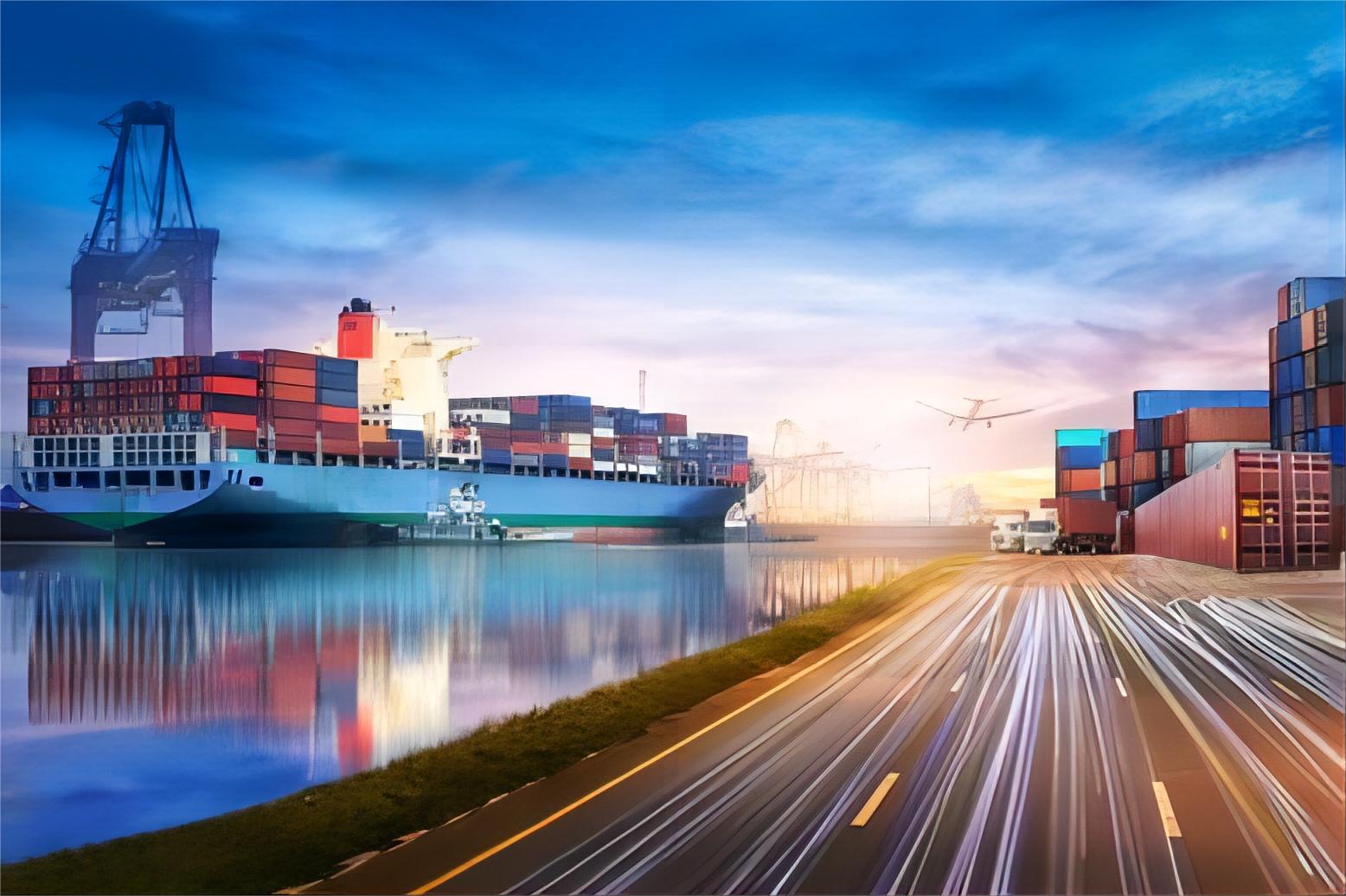
Managing transit times China to Florida auto parts is a critical aspect of importing automotive supplies. Typically, sea freight from major Chinese ports like Shanghai or Ningbo to Florida ports such as Miami or Jacksonville can take between 30 to 38 days. However, this transit time can vary based on the specific carrier, route, and potential transshipment points.
Furthermore, beyond the ocean transit, factors like port congestion, customs clearance, and inland transportation affect the total door-to-door delivery schedule. Therefore, it is important to build in buffer time to account for unforeseen delays. Utilizing door-to-door services can simplify this process by managing all legs of the journey.
| Port of Loading (China) | Port of Discharge (Florida) | Typical Sea Transit Time | Considerations |
|---|---|---|---|
| Shanghai | Miami | 32-38 days | Major hub, potential for direct services |
| Ningbo | Jacksonville | 30-36 days | Efficient port, good for northern Florida distribution |
| Shenzhen | Tampa | 33-39 days | Southern China origin, strategic for West Florida |
| Qingdao | Port Everglades | 35-40 days | Northern China origin, often involves transshipment |
How Does Sea Freight Compare to Other Shipping Options for Auto Parts?
When importing auto parts, comparing sea freight with other methods is essential for optimizing cost and speed. While sea freight is the most economical for large volumes, alternatives offer different advantages. For instance, air freight provides significantly faster transit but at a much higher cost.
Conversely, for smaller, urgent shipments, express services might be viable, but they are not suitable for 20GP FCL volumes. Understanding the trade-offs between these options is key to making informed logistics decisions for your automotive supply chain.
| Shipping Method | Cost Range (20GP Equivalent) | Transit Time (China-Florida) | Best For | Limitations |
|---|---|---|---|---|
| Sea Freight (FCL) | $2,500-$5,500 | 30-40 days | Large volumes, heavy goods, cost-effectiveness | Slowest, potential port delays |
| Sea Freight (LCL) | $80-$150/CBM | 35-45 days | Smaller volumes (<15 CBM), non-urgent | Longer transit than FCL, more handling |
| Air Freight | $12,000-$25,000+ | 5-8 days | Urgent, high-value, lightweight parts | Very expensive, volume/weight restrictions |
| Express Service | $500-$2,000 (small packages) | 2-5 days | Samples, emergency small parts, documents | Not for commercial quantities, very high unit cost |
Which Shipping Option is Best for Your Auto Parts?
Deciding on the best shipping option for importing car parts to Florida depends heavily on your specific business priorities. Moreover, a decision framework based on budget, urgency, and cargo type can guide your choice. Evaluating these factors carefully ensures that you select the most efficient and cost-effective method.
For example, if budget is your primary concern and you have ample lead time, sea freight via 20GP FCL is undoubtedly the most economical choice. However, for critical, time-sensitive components that halt production lines, the higher cost of air freight might be justified to prevent costly downtime. Furthermore, consider hybrid solutions, such as shipping the bulk via sea and urgent smaller components via air, to balance cost and speed.
Budget Priority: Cost of Shipping 20GP to Florida
When minimizing cost is paramount, FCL sea freight offers the best value for importing auto parts from China to Florida. This method provides the lowest per-unit shipping cost, especially for full container loads. Therefore, if your delivery schedule allows for longer transit times, this is the most financially prudent option. Consider consolidating orders to fill a 20GP container for maximum savings.
Speed Priority: Urgent Auto Parts Shipments
For urgent auto parts, such as those needed to fulfill a rush order or prevent production delays, air freight is the superior choice. Although significantly more expensive, it dramatically reduces transit times. This option is ideal for high-value, lightweight components where speed is critical to business continuity. Always weigh the cost against the potential losses from delays.
Cargo Type Considerations: Optimizing Auto Parts Logistics
The nature of your auto parts also influences the best shipping method. Large, bulky, or heavy items like engine blocks, body panels, or chassis components are best suited for 20GP FCL sea freight. Conversely, small, delicate, or high-value electronics might benefit from the faster and potentially more secure handling of air freight or express services. Proper packaging and cargo handling are crucial for all methods.
Case Studies: Real-World 20GP FCL Shipments of Auto Parts to Florida
Examining real-world scenarios provides valuable insights into the practicalities of securing 20GP FCL space availability for auto parts from China to Florida. These case studies highlight common challenges, costs, and transit times. They demonstrate how effective planning and freight forwarding expertise can lead to successful outcomes, even amidst market fluctuations.
Case Study 1: Large Volume of Engine Components
| Field | Details |
|---|---|
| Route | Shanghai, China Miami, Florida, USA |
| Cargo | Engine blocks and transmission parts, 25 CBM, 18,000 kg |
| Container | 20GP FCL |
| Shipping Details | |
| – Carrier/Service | COSCO (Major carrier) |
| – Port of Loading | Shanghai |
| – Port of Discharge | Miami |
| – Route Type | Direct |
| Cost Breakdown (Based on Q3 2024 market rates) | |
| – Ocean Freight | $3,850 |
| – Origin Charges (THC, documentation) | $420 |
| – Destination Charges | $580 |
| – Customs & Duties (estimated) | $750 |
| – Total Landed Cost (estimated) | $5,600 |
| Timeline | |
| – Booking to Loading | 7 days |
| – Sea Transit | 34 days |
| – Customs Clearance | 3 days |
| – Total Door-to-Door (estimated) | 45 days |
| Key Insight | Early booking secured direct vessel space, avoiding transshipment delays. Q3 rates were stable, but a slight port congestion at Miami added an extra day to clearance. |
Case Study 2: Assorted Aftermarket Auto Accessories
| Field | Details |
|---|---|
| Route | Ningbo, China Jacksonville, Florida, USA |
| Cargo | Assorted aftermarket auto accessories (lights, mirrors, interior parts), 28 CBM, 12,000 kg |
| Container | 20GP FCL |
| Shipping Details | |
| – Carrier/Service | MSC (Major carrier) |
| – Port of Loading | Ningbo |
| – Port of Discharge | Jacksonville |
| – Route Type | Transshipment via Panama Canal |
| Cost Breakdown (Typical rates as of early 2025) | |
| – Ocean Freight | $3,200 |
| – Origin Charges (THC, documentation) | $390 |
| – Destination Charges | $550 |
| – Customs & Duties (estimated) | $680 |
| – Total Landed Cost (estimated) | $4,820 |
| Timeline | |
| – Booking to Loading | 10 days |
| – Sea Transit | 38 days |
| – Customs Clearance | 4 days |
| – Total Door-to-Door (estimated) | 52 days |
| Key Insight | Booking during a slight dip in Q1 rates provided cost savings. However, transshipment added a few days to the overall transit time, which was mitigated by proactive communication with the client. |
Market Trends and Cost-Saving Strategies for Auto Parts Shipping
Staying abreast of current market conditions is vital for optimizing auto parts logistics. As of Q1 2025, freight rates from China to the USA East Coast have generally stabilized after recent global disruptions, though regional port congestion can still cause localized spikes. Moreover, seasonal patterns continue to influence pricing; rates typically increase 15-25% during the August-October peak season.
To mitigate costs for importing car parts to Florida, consider several strategies. Firstly, explore longer-term contracts with carriers or freight forwarders to secure more stable rates. Secondly, optimize container loading to maximize cubic meter utilization, reducing per-unit shipping costs. Thirdly, utilize off-peak shipping periods whenever possible. Lastly, a robust supply chain management strategy, including safety stock and diversified sourcing, can reduce reliance on urgent, high-cost shipping options.
Your Partner for 20GP FCL Auto Parts Shipping to Florida
Ultimately, successful import of auto parts from China to Florida hinges on understanding and proactively managing 20GP FCL space availability. From navigating fluctuating freight rates and transit times to ensuring seamless customs clearance, every step is critical. Moreover, by partnering with an experienced freight forwarder, businesses can overcome these challenges and maintain a robust supply chain.
Therefore, investing in expert logistics support for your automotive supplies guarantees efficiency, cost-effectiveness, and peace of mind. Let us help you secure your next shipment of auto parts, optimizing your import process every step of the way. Note: Freight rates are subject to change based on fuel costs, carrier capacity, and seasonal demand. Contact us for a current quote tailored to your specific shipment.
Need a tailored shipping solution?
Ready to secure reliable 20GP FCL space availability for auto parts from China to Florida? Contact us today for a tailored quote and expert logistics solutions. Our team is prepared to optimize your supply chain and ensure your automotive components arrive on time and within budget.