
FCL Shipping for Auto Parts from China to Seattle: Your Complete Guide
Importing auto parts from China to Seattle demands precise logistics and strategic planning. Businesses often face challenges like fluctuating freight rates, complex customs procedures, and extended transit times. Understanding Full Container Load (FCL) shipping is crucial for optimizing your supply chain and ensuring timely delivery. For comprehensive solutions, explore Top China Freight.
What is FCL Shipping and Why Choose It for Auto Parts?
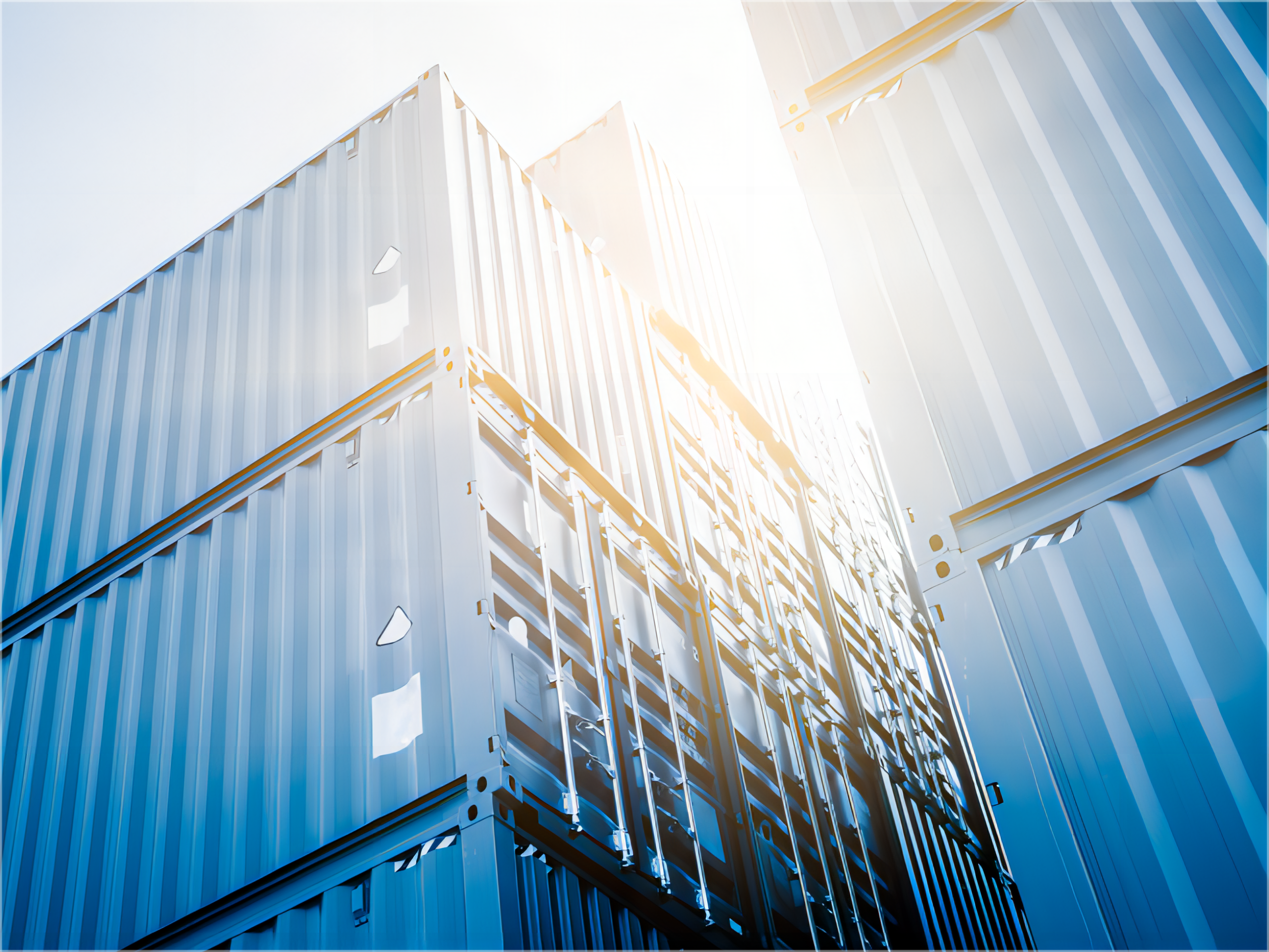
FCL, or Full Container Load, means your cargo occupies an entire shipping container. This method is ideal when you have sufficient volume to fill a 20-foot or 40-foot container. Furthermore, it offers exclusive use of the container, enhancing security.
Choosing FCL for auto parts offers significant advantages. Primarily, it minimizes handling, reducing the risk of damage to sensitive components. Additionally, FCL generally provides faster transit times compared to LCL (Less than Container Load) due to fewer consolidation delays.
Consequently, for businesses regularly importing large volumes of automotive components, FCL shipping is often the most cost-effective and efficient solution. Moreover, it allows for better control over scheduling and delivery. This predictability is vital for managing your inventory and production lines effectively.
Key Factors Influencing FCL Shipping for Auto Parts from China to Seattle
Several critical factors impact the success and cost of your FCL shipment. Understanding these elements is essential for effective planning and execution. We will delve into each in detail.
Firstly, the choice of port of loading in China greatly affects transit times and inland logistics. Major ports like Shanghai, Ningbo, and Shenzhen offer more frequent sailings. Secondly, the specific type and volume of auto parts dictate container size and special handling requirements.
Ultimately, navigating these factors requires expertise and careful coordination. Therefore, partnering with an experienced freight forwarder is highly recommended for a smooth process.
Origin Ports in China and Destination in Seattle
China boasts numerous major ports, each serving different manufacturing hubs. For auto parts, common loading ports include Shanghai, Ningbo, Qingdao, and Shenzhen. These ports offer extensive connections to the West Coast of the USA.
The Port of Seattle, alongside Tacoma, forms the Northwest Seaport Alliance, a crucial gateway for trans-Pacific trade. This alliance ensures efficient offloading and onward distribution. Consequently, direct routes to Seattle are readily available.
Selecting the nearest port to your supplier in China minimizes inland transportation costs and time. Conversely, choosing a port with more direct sailings to Seattle can reduce overall transit duration. It’s a balance of efficiency and cost.
Container Types and Capacity for Automotive Components
Standard dry containers, 20-foot (20GP) and 40-foot (40GP/40HQ), are most commonly used for auto parts. A 20GP holds approximately 28-30 CBM, while a 40GP holds about 58-60 CBM and a 40HQ up to 68 CBM.
However, specialized containers may be necessary for certain auto parts. For instance, open-top containers suit oversized items like vehicle chassis, whereas flat racks accommodate heavy machinery. Furthermore, proper loading and bracing are vital to prevent damage during transit.
Careful planning of container utilization can significantly reduce per-unit shipping costs. Therefore, optimizing your cargo arrangement within the container is a key strategy for cost efficiency.
Understanding FCL Shipping Costs and Transit Times
FCL shipping costs from China to Seattle typically include ocean freight, terminal handling charges (THC), documentation fees, and local charges at both origin and destination. Additionally, customs duties and taxes are applied upon arrival in Seattle.
Transit times for FCL shipping from major Chinese ports to Seattle generally range from 14 to 20 days. This duration can vary based on the specific port of origin, carrier schedule, and potential port congestion. Peak seasons often lead to longer transit times.
For example, a shipment from Shanghai to Seattle might take 16 days, while one from Tianjin could take 18 days. Moreover, unexpected delays due to weather or customs inspections can also affect the final delivery schedule. Therefore, it is wise to factor in a buffer.
How Does FCL Shipping Compare to Other Options for Auto Parts?
When importing auto parts, FCL is a strong contender, but it is not the only option. Comparing it against alternatives like LCL, air freight, and hybrid solutions helps in making informed decisions. Each method has distinct cost, speed, and suitability profiles.
Choosing the right shipping method directly impacts your supply chain efficiency and profitability. Consequently, a thorough understanding of each option’s pros and cons is essential. Let’s examine the primary alternatives.
Consider your specific needs for speed, budget, and cargo volume. For instance, urgent, smaller shipments might justify higher costs. Conversely, large, less time-sensitive orders benefit from economical solutions.
| Shipping Method | Cost Range (per 40HQ/equivalent) | Transit Time (China to Seattle) | Best For | Limitations |
|---|---|---|---|---|
| FCL (Full Container Load) | $2,800 – $3,800 (40GP/HQ) | 14-20 days | Large volumes, heavy goods, cost-efficiency | Requires sufficient cargo to fill a container |
| LCL (Less than Container Load) | $50 – $80 per CBM | 20-30 days | Smaller shipments (under 15 CBM), flexible volume | Longer transit, more handling, higher per-unit cost |
| Air Freight | $5,000 – $15,000+ (for equivalent volume) | 3-7 days | Urgent, high-value, small/light shipments | Very high cost, limited by volume/weight, environmental impact |
| Rail Freight (China-Europe/Russia, then sea to US) | N/A (Not direct to Seattle) | N/A | N/A | Not a viable direct option for China to Seattle |
Optimizing Your FCL Shipping Strategy to Seattle
Successful FCL shipping for auto parts from China to Seattle involves more than just booking a container. It requires a strategic approach to minimize costs, reduce risks, and ensure timely delivery. Several tactics can significantly improve your logistics.
Furthermore, proactive planning and clear communication with your freight forwarder are paramount. This helps in anticipating potential issues and addressing them before they escalate. Let’s explore some key optimization strategies.
Effective supply chain management relies on continuous improvement and adaptability. Therefore, regularly reviewing your shipping processes can uncover new efficiencies. Consider sea freight as a primary option.
Consolidation and Cargo Planning
If you purchase auto parts from multiple suppliers in China, consolidating them into a single FCL shipment is highly efficient. This process involves collecting goods at a central warehouse before loading. Consequently, it saves on individual shipping costs.
Careful cargo planning also includes optimizing container space. Professional loading techniques ensure maximum utilization and secure placement of goods. This prevents shifting and potential damage during transit.
Moreover, precise planning helps in managing inventory levels more effectively. By consolidating, you can receive larger, less frequent shipments, reducing administrative overhead. This strategy is crucial for long-term savings.
Choosing the Right Freight Forwarder
Selecting a reputable freight forwarder is perhaps the most crucial decision. An experienced partner understands the intricacies of international shipping, especially for specialized cargo like auto parts. They can offer valuable insights and solutions.
A good forwarder provides comprehensive services, including booking, customs clearance, and local delivery. Look for a company with a strong track record for shipping from China to North America. Moreover, they should offer transparent communication.
Ultimately, a reliable freight forwarder acts as an extension of your logistics team. Their expertise can help navigate complex regulations and potential delays, ensuring a smoother supply chain. Consider their network and local presence in Seattle.
Navigating Customs and Compliance for Auto Parts
Importing auto parts into the USA requires strict adherence to customs regulations. Proper documentation, including commercial invoices, packing lists, and bills of lading, is essential. Furthermore, accurate Harmonized System (HS) codes are critical for correct duty assessment.
Certain auto parts, especially those related to emissions or safety, may require specific certifications or approvals from agencies like EPA or DOT. Therefore, understanding these requirements beforehand is vital to avoid delays. A skilled customs brokerage service is invaluable.
Failure to comply can result in significant fines, delays, or even cargo seizure. Consequently, working with experts who specialize in automotive imports can streamline the customs clearance process in Seattle. They ensure all necessary paperwork is correctly filed.
Case Studies: Real-World FCL Shipments of Auto Parts to Seattle
Examining real-world examples can illuminate the practical aspects of FCL shipping. These case studies showcase diverse scenarios, highlighting challenges and successful strategies. They provide tangible insights into transit times, costs, and cargo types.
Based on Q3 2024 market rates, these examples reflect typical logistics operations. They demonstrate the complexities involved in moving automotive components across continents. Moreover, they underscore the value of meticulous planning.
Each case study offers a unique perspective on optimizing the supply chain. Thus, understanding these examples can help you better prepare for your own import needs. Actual results may vary based on market conditions.
Case Study 1: Large Volume of Engine Components
This shipment involved a substantial quantity of engine blocks and cylinder heads. The client required efficient, cost-effective delivery for their manufacturing schedule. Consequently, FCL was the optimal choice for this heavy and bulky cargo.
| Detail | Description |
|---|---|
| Route | Shanghai, China Seattle, USA |
| Cargo | Engine blocks & cylinder heads, 55 CBM, 25,000 kg |
| Container | 1 x 40GP |
| Shipping Details | Carrier: COSCO, Port of Loading: Shanghai, Port of Discharge: Seattle, Route Type: Direct |
| Cost Breakdown | Ocean Freight: $3,200, Origin Charges: $450, Destination Charges: $550, Customs & Duties (est): $1,200, Total Landed Cost: $5,400 |
| Timeline | Booking to Loading: 5 days, Sea Transit: 16 days, Customs Clearance: 2 days, Total Door-to-Door: 25 days |
| Key Insight | Direct route minimized transit time, and expert loading prevented damage to heavy components. |
Case Study 2: Assorted Car Accessories and Interior Parts
A retailer needed to import a diverse range of car accessories and interior components. While varied, the total volume justified a full container. The challenge was managing diverse SKUs and ensuring proper packing.
This shipment required careful inventory management and detailed documentation. The forwarder provided full visibility throughout the journey. Consequently, the retailer maintained precise control over their incoming stock.
| Detail | Description |
|---|---|
| Route | Ningbo, China Seattle, USA |
| Cargo | Car accessories, dashboards, seats, 62 CBM, 10,000 kg |
| Container | 1 x 40HQ |
| Shipping Details | Carrier: Maersk, Port of Loading: Ningbo, Port of Discharge: Seattle, Route Type: Direct |
| Cost Breakdown | Ocean Freight: $3,500, Origin Charges: $500, Destination Charges: $600, Customs & Duties (est): $1,500, Total Landed Cost: $6,100 |
| Timeline | Booking to Loading: 7 days, Sea Transit: 18 days, Customs Clearance: 3 days, Total Door-to-Door: 29 days |
| Key Insight | Effective labeling and inventory management were crucial for handling diverse product types within one container. Smooth door-to-door delivery was achieved. |
Which FCL Shipping Option Should You Choose?
Deciding on the best FCL shipping strategy depends on your specific business priorities. There is no one-size-fits-all solution for auto parts imports. Therefore, evaluate your needs carefully before making a choice.
Consider your budget, time constraints, and the nature of your cargo. Each factor plays a significant role in determining the most suitable approach. Ultimately, the goal is to balance efficiency with cost-effectiveness.
Furthermore, market conditions can influence your decision. For instance, during peak seasons, booking in advance becomes critical. Moreover, flexibility in your supply chain can be a major asset.
Budget Priority
If minimizing costs is your primary concern, focus on securing competitive ocean freight rates. Consider booking well in advance, especially outside peak seasons. Moreover, explore different carriers and their service levels.
Optimizing container space also contributes significantly to cost savings. Ensure your cargo fills the container efficiently to avoid paying for unused space. Furthermore, managing destination charges effectively can reduce overall expenses.
Speed Priority
For urgent auto parts, selecting direct routes with minimal transshipment points is crucial. Choose carriers known for reliable schedules and faster transit times. Additionally, pre-clearing customs can expedite the arrival process.
While FCL is generally slower than air freight, some premium FCL services offer faster transit. These services often come at a higher cost but can be worthwhile for time-sensitive inventory. Consequently, balancing speed and budget is key.
Consider utilizing express services for smaller, critical components. However, for full container loads, direct sailings remain the fastest sea option. Furthermore, a responsive freight forwarder can help prioritize urgent shipments.
Cargo Type and Volume Considerations
The nature of your auto parts dictates container type and handling. Fragile or high-value items require careful packing and potentially specialized containers. Conversely, bulky, durable items might need less elaborate internal packaging.
For volumes consistently exceeding 15 CBM, FCL is almost always more economical than LCL. As your volume approaches a full container, the per-unit cost drops significantly. Therefore, accurately assessing your cargo volume is paramount.
Specialized auto parts like car engines, transmissions, or body panels often benefit most from FCL’s dedicated space. This dedicated space minimizes the risk of damage from other cargo. Moreover, it allows for custom bracing and securing.
Market Trends and Future Outlook for China-Seattle FCL Shipping
The global shipping landscape is constantly evolving, impacting FCL shipping for auto parts from China to Seattle. Current market conditions, technological advancements, and geopolitical factors all play a role. Staying informed is vital for strategic planning.
As of Q1 2025, freight rates from China to the USA West Coast have shown signs of stabilization after the volatility of recent years. However, seasonal peaks and unexpected events, such as port congestion or canal disruptions, can still cause fluctuations. Therefore, flexibility is crucial.
Industry trends suggest a growing emphasis on digitalization and supply chain visibility. Moreover, sustainable shipping practices are gaining traction. Consequently, shippers must adapt to these changes for long-term success.
Impact of Global Events and Seasonal Patterns
Global events, such as the Red Sea disruptions seen in late 2024, can significantly alter shipping routes and transit times. While these primarily affected Asia-Europe routes, they can indirectly impact vessel availability and rates on other lanes. Therefore, monitoring global news is essential.
Seasonal patterns also heavily influence freight rates and capacity. Rates typically increase 15-25% during the August-October peak season leading up to holidays. Chinese New Year closures also cause pre-holiday rate spikes. Consequently, planning around these periods is wise.
Market data suggests that booking FCL shipments well in advance during peak times can mitigate higher costs and secure space. Additionally, maintaining good relationships with freight forwarders helps in navigating these challenging periods. This proactive approach ensures supply chain resilience.
Technological Advancements in Logistics
Digital platforms are transforming FCL shipping, offering better tracking, real-time updates, and streamlined documentation. These tools enhance transparency and efficiency throughout the supply chain. Consequently, they empower businesses with greater control.
Automation in ports and warehouses also contributes to faster cargo handling and reduced labor costs. Moreover, predictive analytics helps in forecasting demand and optimizing inventory levels. These innovations are reshaping the future of logistics.
Embracing these technologies can provide a competitive edge. Therefore, look for freight partners who leverage advanced systems for managing your auto parts shipments. This commitment to innovation ensures a more agile and responsive supply chain.
Conclusion
Navigating FCL shipping for auto parts from China to Seattle requires a comprehensive understanding of costs, transit times, and regulatory frameworks. By choosing the right container type, optimizing cargo planning, and partnering with an experienced freight forwarder, businesses can achieve significant efficiencies.
Indeed, strategic decision-making, coupled with an awareness of market dynamics, is paramount for a robust supply chain. Ultimately, mastering FCL shipping for auto parts ensures timely delivery and competitive advantage. We encourage you to seek expert guidance for your specific requirements.
Get Your Shipping Quote Today
Ready to streamline your FCL shipping for auto parts from China to Seattle? Contact our experts today for a personalized quote and discover seamless logistics solutions tailored to your business needs. We are here to help you navigate international trade with confidence.
Request Quote