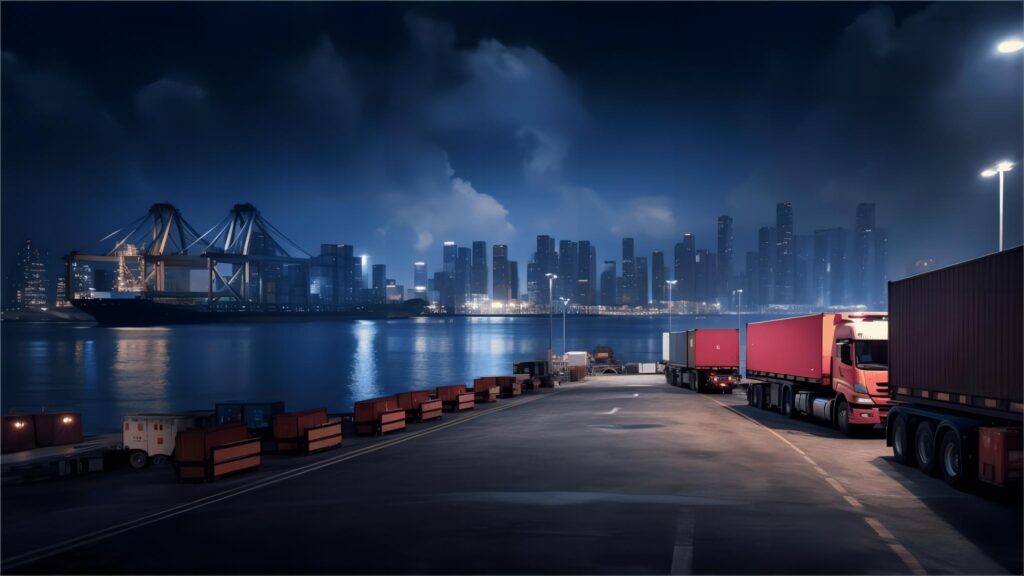
As a freight agent for Top China Freight, we present the shipping conditions in Peru as follows: Located on the Pacific coast of South America, Peru boasts a prime geographic position with a well-developed maritime trade network. Despite its moderate economic strength, major cities like Lima and Callao have excellent port facilities and logistics networks, serving as key hubs for import and export activities. Goods are typically transported to Peru via sea and air, leveraging its extensive port resources and regular flight services. During the transportation process, clients need to understand and comply with Peru’s customs and tax regulations to ensure smooth customs clearance and avoid additional fees. As your partner, we will provide professional freight services to ensure your goods arrive safely and quickly at their destination in Peru.
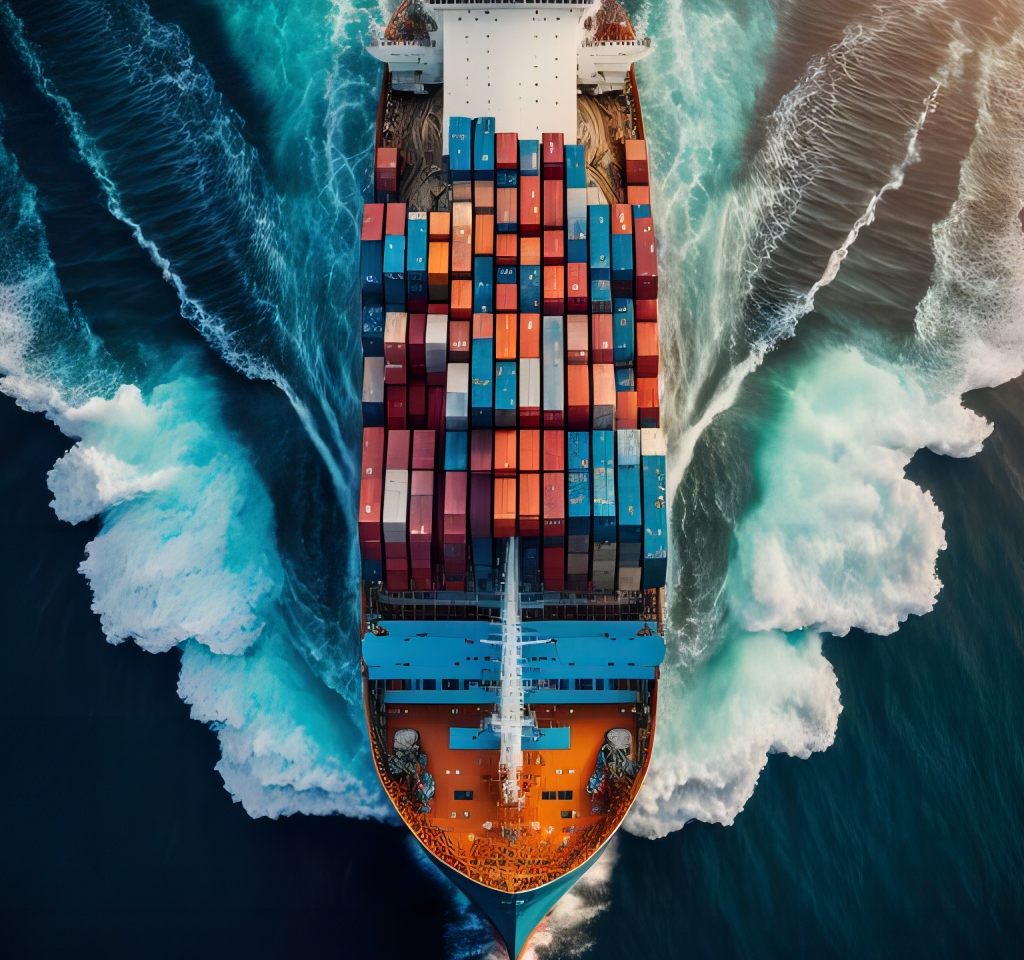
The transportation of goods by cargo ships across oceans, ideal for large volumes and heavy items.
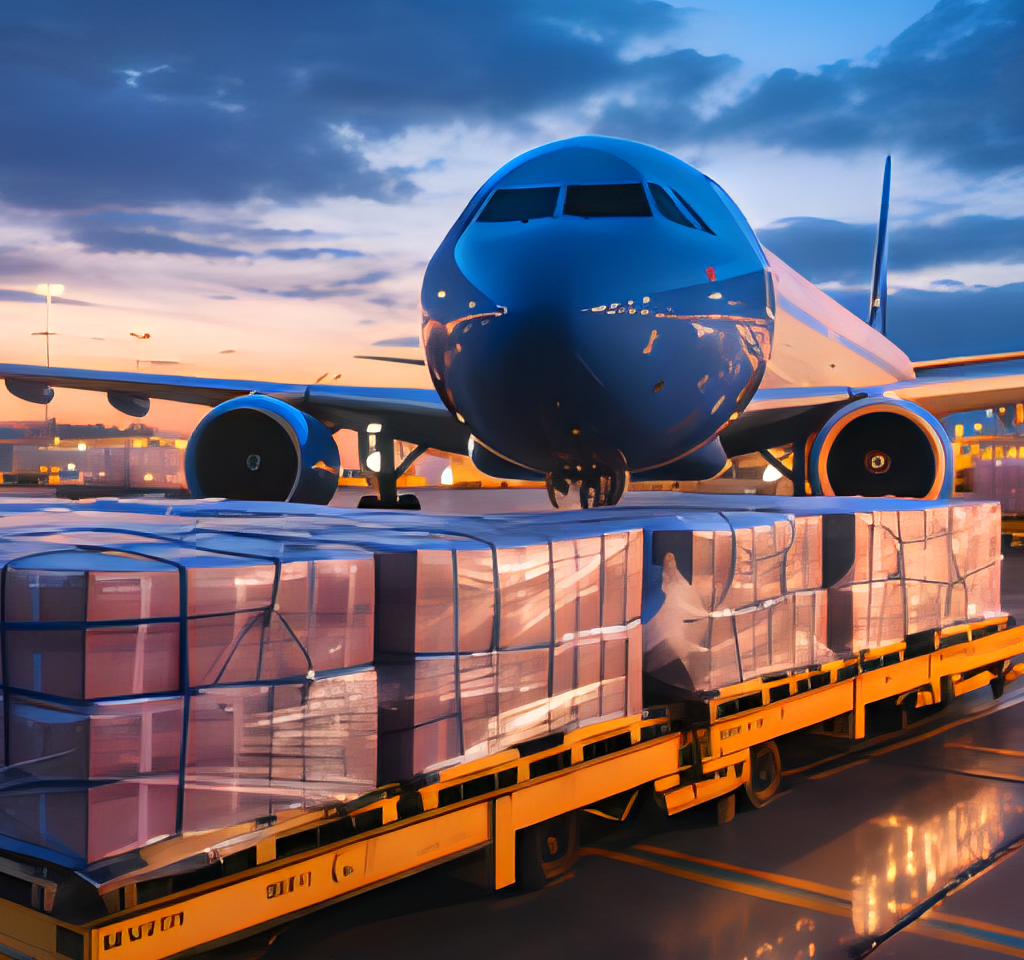
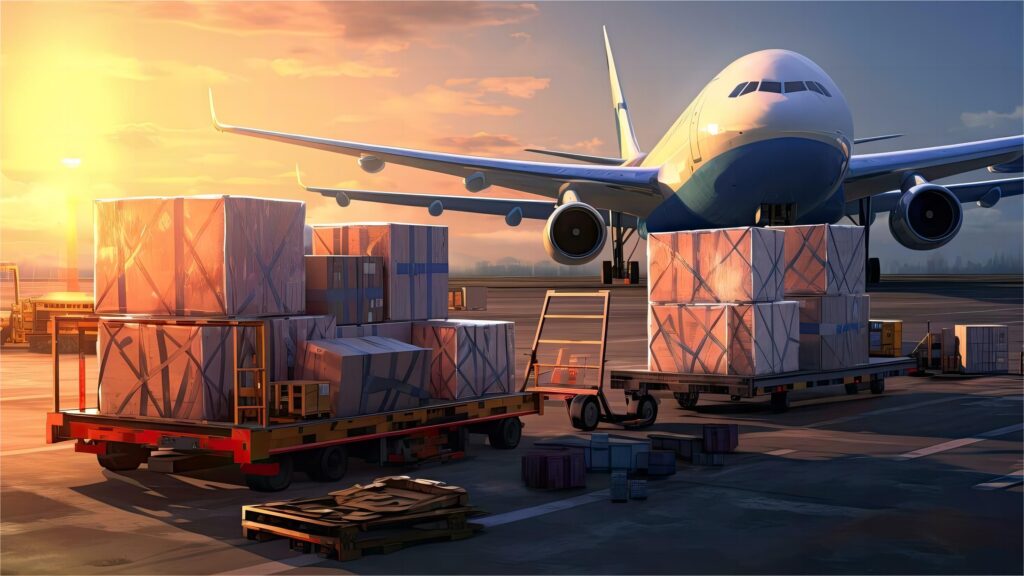
The shipment of goods via airplanes, offering fast delivery times for high-value or time-sensitive cargo.
This comprehensive solution streamlines the shipping process, ensuring efficient and hassle-free delivery.
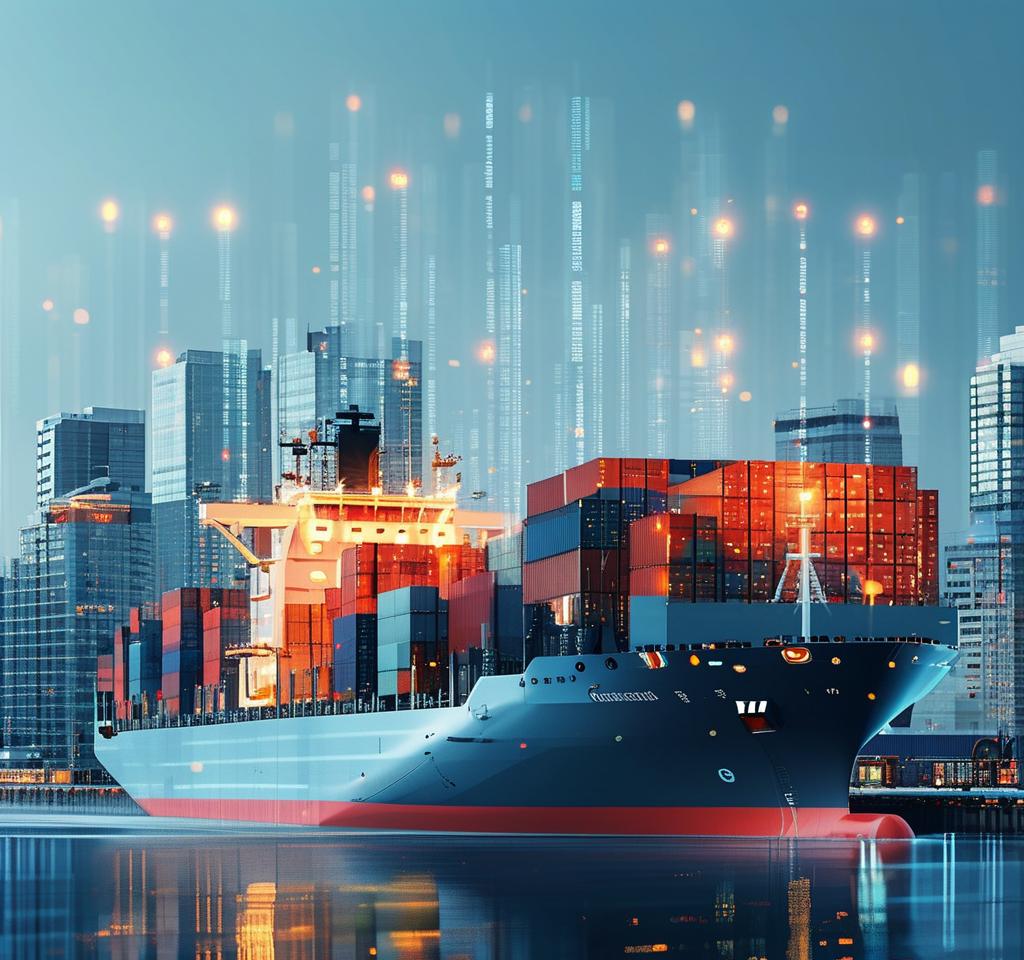
The process of shipping goods that are loaded individually rather than in containers, typically used for oversized or irregularly shaped cargo.
Yes, and this is something Peruvian importers are very sensitive about.
Peruvian customs compares:
Product description
Unit price
Quantity
HS code
Historical import data
If your supplier simplifies the description (for example, changing detailed specs into generic wording), customs may consider it inconsistent with previous imports.
Even small wording differences can trigger valuation review.
Importers usually insist on approving the final invoice draft before shipment.
Because Peru enforces tariff classification carefully.
If the broker does not clearly understand:
Material composition
Function
Technical parameters
Intended use
The HS code may be wrong.
And once the container arrives at the Port of Callao, correcting classification becomes slow and expensive.
Serious importers confirm classification before the vessel sails.
Peru monitors customs value against reference databases.
If your declared unit price is significantly below typical market value:
Customs may request proof of payment
They may reject transaction value
They may adjust the customs value upward
Importers are concerned because valuation adjustment directly increases duty and VAT.
Peru is not a market where aggressive undervaluation consistently works.
Because Peru uses a risk-based channel system.
If your shipment is assigned to physical inspection:
The container is opened
Cargo is verified
Additional handling costs apply
Clearance time increases
Even compliant importers may occasionally receive inspection.
The key concern is how frequently it happens.
Yes, certain sectors are watched more closely, including:
Textiles and footwear
Steel products
Some industrial goods
Importers worry not only about duty rates, but about possible trade defense measures or stricter valuation checks.
Before placing bulk orders, they often verify whether their HS code has active measures.
Often, yes.
Customs systems track:
Importer history
Product type
Declared unit value
Supplier patterns
If a new supplier suddenly offers much lower pricing, it may raise questions during valuation review.
Consistency is something Peruvian importers pay attention to.
Some importers hesitate to accept CIF because:
Freight cost becomes part of customs value
They lose transparency on freight component
They cannot verify if freight is inflated
Others accept CIF for simplicity.
The concern is not logistics convenience — it is how CIF affects total tax calculation.
If customs disagrees with the declared HS code:
Duty rate may increase
VAT amount increases
Fines may apply
Future shipments may face higher scrutiny
Reclassification risk is one of the biggest concerns for importers handling technical or multi-function products.
Importers worry about:
Port storage fees
Demurrage
Detention
Broker adjustment fees
Costs accumulate daily once free time expires.
Even a short documentation error can quickly turn into significant additional expense.
Because once cargo is at port, flexibility decreases.
Before arrival, corrections are simple.
After arrival, corrections may require:
Amendment filings
Customs review
Extended storage time
Pre-arrival document control reduces financial exposure.
Peru is generally structured and stable.
However, valuation enforcement is serious.
It is not chaotic — but it is detail-oriented.
Importers who treat documentation casually often experience friction.
Those who maintain consistency usually have predictable clearance.
Assuming that if the goods are legal and the invoice exists, clearance will be automatic.
In reality, Peru evaluates:
Description precision
Price realism
Classification accuracy
Import history consistency
Documentation strategy matters just as much as product selection.
Cargo Insurance provides coverage for goods against loss, damage, or theft during transit, ensuring that the owner receives financial compensation in the event of unforeseen incidents.
Amazon FBA (Fulfillment by Amazon) is a service where sellers store their products in Amazon's warehouses, and Amazon handles the packing, shipping, and customer service.
Customs brokerage is a service that helps importers and exporters clear goods through customs.
Door to door service refers to the transportation of goods directly from the sender's location to the recipient's location, handled entirely by the carrier.
Express service provide fast, time-sensitive delivery of parcels and documents.
DDU term means the seller is responsible for delivering the goods to the buyer’s designated destination, but not for paying import duties and other import fees. The buyer is responsible for customs clearance and paying all applicable duties, taxes, and fees.
DDP term means the seller is responsible for delivering the goods to the buyer’s designated destination and for paying all import duties and other import fees. The buyer only needs to receive the goods, without bearing any additional expenses.