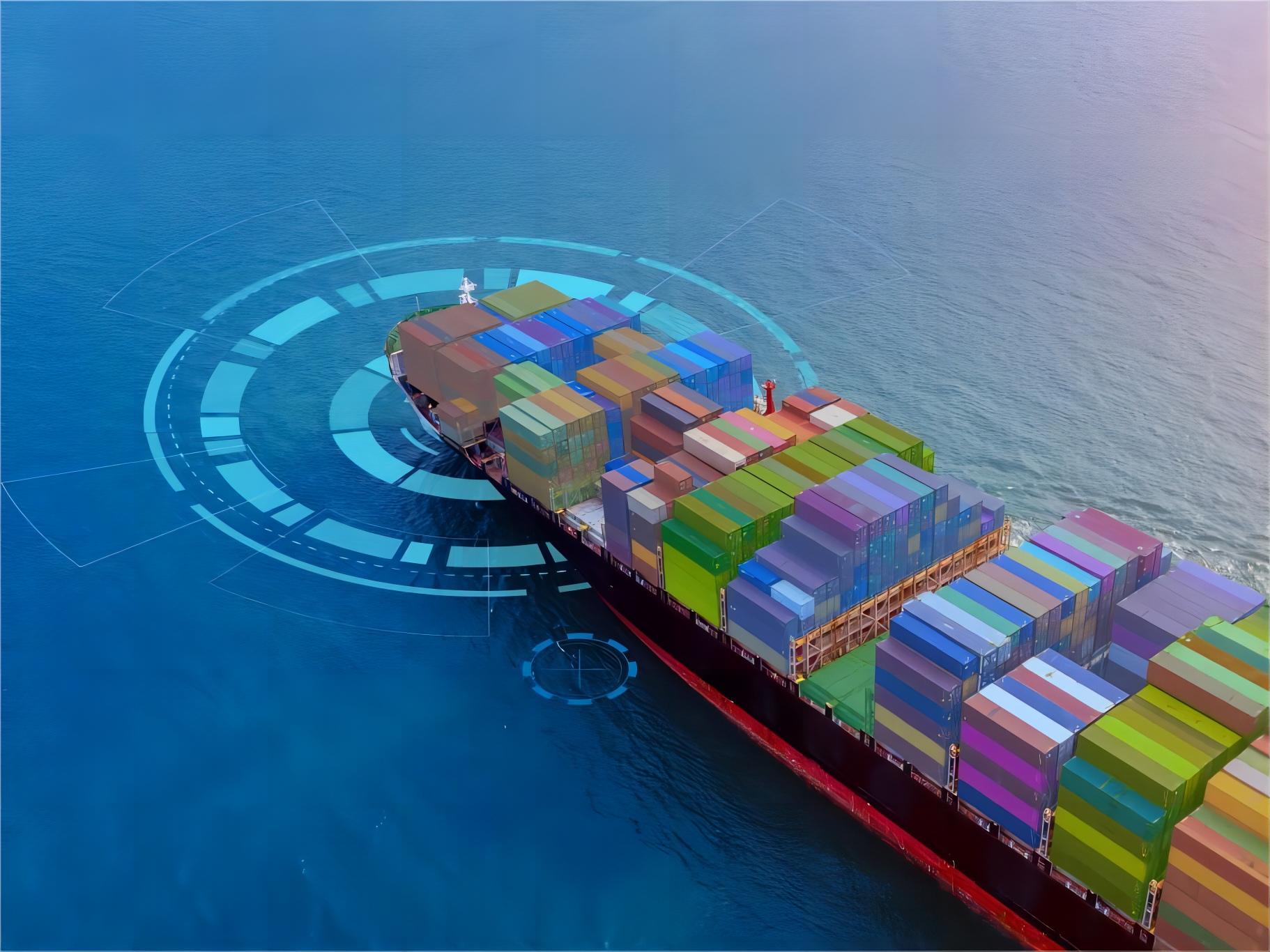
40GP FCL Detention Prevention for Electronics from China to France
Shipping electronics from China to France using 40GP FCL containers presents significant logistics challenges. Specifically, managing potential detention charges is critical for maintaining profitability and efficient supply chains. This guide provides comprehensive strategies to prevent costly delays and associated fees, ensuring your high-value cargo reaches its destination smoothly. Discover how Top China Freight can streamline your international shipping operations.

Understanding 40GP FCL Detention and Demurrage Charges
When importing electronics from China to France, understanding detention and demurrage is paramount. These charges arise when containers are not moved within the allocated free time. Essentially, demurrage is levied by the shipping line for using their container beyond the free days at the port terminal.
Conversely, detention refers to charges incurred for holding the container outside the port, such as at a warehouse, beyond the free time. Both can significantly inflate your overall shipping costs. Therefore, proactive management is indispensable for cost-effective logistics.
Why Electronics Shipments are Prone to Detention in France
Electronics shipments often face unique challenges contributing to detention risks. These products typically have high value and strict delivery schedules. Moreover, they require specialized handling and can be subject to rigorous customs scrutiny upon arrival in France.
Furthermore, rapid market changes mean delays can quickly lead to obsolescence or missed sales opportunities. Consequently, any hold-up, whether due to documentation errors or port congestion, can have amplified financial implications. Careful planning is therefore essential.
Comprehensive Pre-Shipment Planning for 40GP FCL
Effective planning is the cornerstone of preventing detention. Firstly, precise documentation is non-negotiable for electronics. This includes commercial invoices, packing lists, certificates of origin, and any necessary compliance certificates.
Secondly, selecting the right carrier and booking well in advance can secure optimal sailing schedules. Additionally, ensure all parties, from your supplier in China to your consignee in France, are fully aware of the shipping timeline and responsibilities. This collaborative approach minimizes surprises.
Working with an experienced freight forwarder, such as those specializing in sea freight, can greatly simplify this complex process. They can provide valuable insights and manage critical details.
Optimizing Documentation and Customs Readiness
Accurate and complete documentation is the first line of defense against delays. Prepare all import licenses and permits required by French customs authorities well before shipment departure. Incorrect paperwork is a leading cause of customs holds.
Consider pre-filing customs declarations where possible. This proactive step allows customs officials to review your paperwork before the container even arrives. Consequently, this can significantly reduce clearance times, avoiding potential demurrage. Ensure HS codes are correctly applied.
| Document Type | Purpose | Issuing Party | Criticality |
|---|---|---|---|
| Commercial Invoice | Goods value, terms of sale | Seller | High |
| Packing List | Cargo details, weight, dimensions | Seller | High |
| Bill of Lading (B/L) | Contract of carriage, title to goods | Carrier/Forwarder | High |
| Certificate of Origin | Proof of country of manufacture | Chamber of Commerce | Medium |
| CE Declaration of Conformity | Compliance for electronics in EU | Manufacturer | High |
Strategic Carrier and Route Selection
Choosing the right shipping line and service is equally important. Some carriers offer more generous free time allowances for detention and demurrage. Therefore, always inquire about these terms during the booking process to avoid unexpected costs.
Furthermore, assess direct routes versus those with transshipment. Direct services, while sometimes pricier, often offer faster transit times and fewer points of potential delay. This can be crucial for time-sensitive electronics. Look for reliable partners for door-to-door services.

Enhancing Real-Time Visibility and Communication
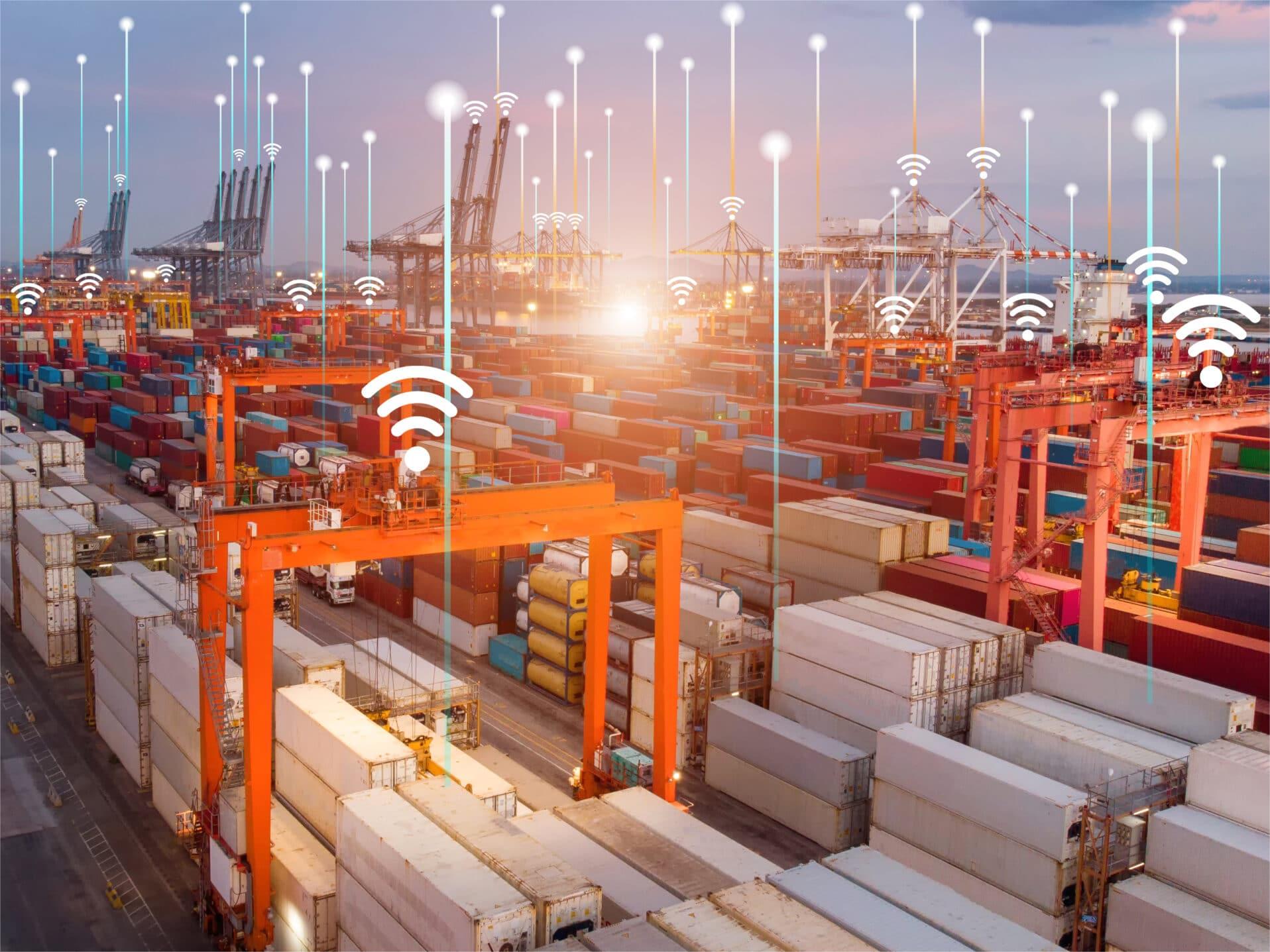
Effective communication and real-time tracking are vital throughout the shipping journey. Utilize tracking tools provided by carriers or freight forwarders to monitor your 40GP FCL container’s progress. This allows for immediate action if delays are anticipated.
Establish clear communication channels with all supply chain partners. This includes your supplier, freight forwarder, customs broker, and the receiving warehouse. Regular updates ensure everyone is synchronized and ready for the container’s arrival. Timely information prevents bottlenecks.
Leveraging Technology for Proactive Management
Advanced logistics platforms can provide predictive analytics and real-time alerts. These tools can flag potential delays due to weather, port congestion, or customs issues. Consequently, you can adjust plans proactively, such as arranging earlier pickup or re-routing.
Implementing such technology improves overall supply chain resilience. It empowers decision-makers with the data needed to mitigate risks associated with international shipping. This foresight is invaluable for electronics logistics.
Efficient Customs Clearance and Port Operations in France
Expediting customs clearance in France is a critical step in detention prevention. Engage a reputable customs broker with strong local expertise. Their knowledge of French regulations can significantly speed up the clearance process, minimizing hold-ups.
Moreover, ensure your receiving warehouse is prepared to accept the container immediately upon arrival. Pre-arrange drayage services to pick up the 40GP FCL as soon as it clears customs. Delays in port pickup are a common cause of detention charges.
For complex customs requirements, consider using specialized customs brokerage services. This ensures compliance and avoids unexpected issues.
Streamlining Drayage and Warehouse Readiness
Coordinate drayage services well in advance of the vessel’s arrival. Confirm driver availability and truck capacity. Furthermore, ensure your warehouse has the necessary equipment and staff to unload the 40GP FCL container quickly upon delivery.
Any unforeseen delays at the warehouse, such as staffing shortages or lack of unloading bays, can lead to the container sitting idle. This directly results in detention charges. Therefore, meticulous coordination between port and warehouse operations is vital.
How Does Sea Freight Compare to Other Shipping Options?
While sea freight is often the most cost-effective solution for 40GP FCL electronics from China to France, it is not the only option. Comparing alternatives helps in making informed decisions, especially when speed or specific cargo types are priorities. Each method has distinct advantages and limitations.
Consider the balance between cost, transit time, and cargo security. For instance, air freight offers speed but at a significantly higher cost. Rail freight provides a good middle ground for European destinations. Therefore, evaluating all viable options is crucial for supply chain optimization.
| Shipping Method | Cost Range (40GP equivalent) | Transit Time (China to France) | Best For | Limitations |
|---|---|---|---|---|
| Sea Freight (FCL) | $2,800 – $4,200 | 28 – 38 days | Large volumes, cost-efficiency, non-urgent goods | Slower transit, port congestion risk |
| Rail Freight | $8,000 – $12,000 | 18 – 25 days | Mid-size volumes, faster than sea, moderate urgency | Limited capacity, specific rail terminals |
| Air Freight | $15,000 – $25,000 | 5 – 7 days | Urgent shipments, high-value, perishable goods | Very high cost, volume/weight restrictions |
Decision Framework: Which Option Should You Choose?
Choosing the ideal shipping method depends heavily on your specific business priorities. If budget is the primary concern and transit time is flexible, sea freight for your 40GP FCL electronics is undoubtedly the most economical choice. It offers the best cost per unit.
However, when speed is paramount, for example, for new product launches or urgent inventory replenishment, air freight becomes the preferred option. Despite its higher cost, it ensures rapid delivery. For a balanced approach, rail freight presents a compelling alternative.
Furthermore, cargo type considerations also play a role. Extremely delicate or high-value electronics might benefit from the more controlled environment of air cargo, reducing handling risks. Volume thresholds also dictate choices; FCL sea freight is ideal for large, consistent volumes.
Real-World Case Studies in Detention Prevention
Examining practical scenarios helps illustrate effective detention prevention strategies. These case studies highlight common challenges and successful approaches for 40GP FCL electronics shipments from China to France. They underscore the importance of meticulous planning and robust communication.
These examples also demonstrate how leveraging experienced freight forwarders can significantly mitigate risks. Each case provides actionable insights based on typical market conditions as of early 2025. Note: Freight rates are subject to change based on fuel costs, carrier capacity, and seasonal demand. Contact us for a current quote tailored to your specific shipment.
Case Study 1: High-Volume Consumer Electronics
| Detail | Description |
|---|---|
| Route | Ningbo, China -> Le Havre, France |
| Cargo | Smartphones & accessories, 60 CBM, 15,000 kg |
| Container | One 40GP FCL |
| Shipping Details | Carrier/Service: COSCO (Direct Service), Port of Loading: Ningbo, Port of Discharge: Le Havre, Route Type: Direct |
| Cost Breakdown | Ocean Freight: $3,500, Origin Charges (THC, documentation): $450, Destination Charges: $550, Customs & Duties (estimated): $1,200, Total Landed Cost: $5,700 (Based on Q1 2025 market rates) |
| Timeline | Booking to Loading: 7 days, Sea Transit: 32 days, Customs Clearance: 2 days, Total Door-to-Door: 38 days |
| Key Insight | Proactive customs pre-filing and a dedicated customs broker ensured rapid clearance, avoiding any detention charges. Warehouse was pre-notified for immediate unloading. |
Case Study 2: Sensitive Industrial Components
| Detail | Description |
|---|---|
| Route | Shenzhen, China -> Marseille, France |
| Cargo | Specialized industrial sensors, 50 CBM, 12,000 kg |
| Container | One 40GP FCL |
| Shipping Details | Carrier/Service: Maersk (Transshipment via Port Klang), Port of Loading: Shenzhen, Port of Discharge: Marseille, Route Type: Transshipment |
| Cost Breakdown | Ocean Freight: $3,100, Origin Charges (THC, documentation): $400, Destination Charges: $600, Customs & Duties (estimated): $950, Total Landed Cost: $5,050 (Typical rates as of early 2025) |
| Timeline | Booking to Loading: 10 days, Sea Transit: 35 days, Customs Clearance: 3 days, Total Door-to-Door: 42 days |
| Key Insight | Despite a transshipment route, continuous tracking and immediate notification from the freight forwarder allowed for early intervention on a potential customs query, preventing delays. Extra free days were negotiated with the carrier upfront. |
Leveraging Freight Forwarder Expertise for 40GP FCL Detention Prevention
Partnering with a seasoned freight forwarder is one of the most effective strategies for preventing detention. Forwarders possess extensive knowledge of international shipping regulations, port operations, and carrier networks. They can anticipate challenges and implement proactive solutions.
A good forwarder can negotiate better free time allowances with shipping lines. Moreover, they can manage all documentation, coordinate customs clearance, and arrange timely drayage. This comprehensive support significantly reduces the burden on your internal team and minimizes risk. Consider their express service for urgent needs.
For shipments to Europe, a specialized forwarder understands local nuances. They can navigate complex regulations in France and ensure compliance. This expertise is invaluable for smooth logistics.
Navigating Market Trends and Seasonal Impacts
The global shipping landscape is constantly evolving, impacting freight rates and transit times. As of Q1 2025, freight rates from China to Europe have stabilized after the 2024 Red Sea disruptions, however, volatility remains. Staying informed about these trends is crucial for planning.
Seasonal variations also play a significant role. Rates typically increase 15-25% during August-October peak season, ahead of holidays like Christmas and Chinese New Year. Planning shipments outside these periods or booking well in advance can help mitigate cost and delay risks.
Industry benchmarks and market data suggest that early booking during off-peak seasons can secure better rates and more reliable transit schedules. This proactive approach supports efficient Amazon FBA supply chains and other business models.
Mastering 40GP FCL Detention Prevention for Electronics to France
Successfully shipping 40GP FCL electronics from China to France requires a multi-faceted approach. By prioritizing meticulous pre-shipment planning, enhancing real-time visibility, and streamlining customs and port operations, businesses can significantly reduce their exposure to detention and demurrage charges.
Furthermore, leveraging the expertise of a reliable freight forwarder and staying abreast of market trends are critical components of a resilient supply chain. Implementing these strategies will not only prevent costly delays but also ensure the efficient and timely delivery of your valuable electronics to the French market.
Get Your Shipping Quote Today
Are you seeking to optimize your electronics shipments and prevent costly detention fees from China to France? Contact Top China Freight today for a personalized consultation and a competitive quote. Our experts are ready to streamline your logistics.
Request Quote