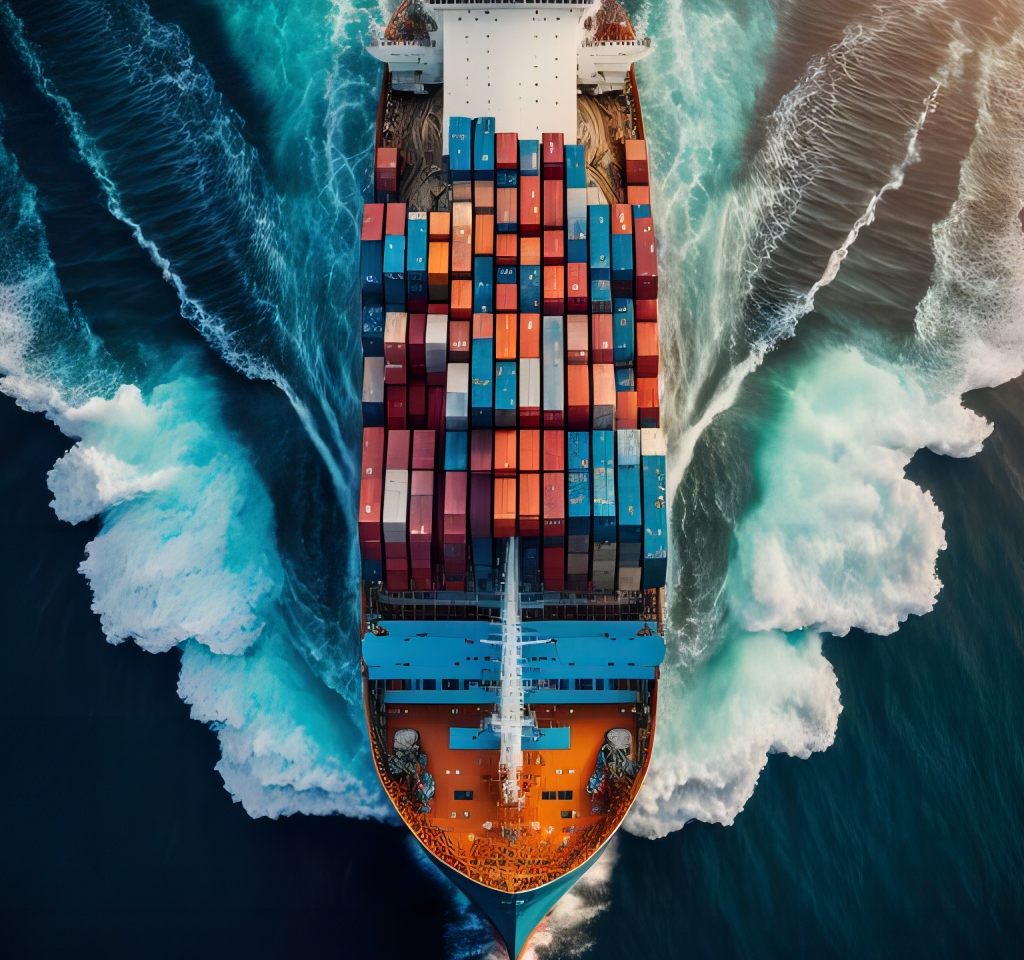
As a freight agent representing Top China Freight, we comprehend the unique freight conditions of Bolivia. Being a landlocked country in South America with limited economic strength, Bolivia cannot be reached directly via sea freight. Major cities like La Paz and Santa Cruz require transportation of goods through land or air routes. For goods necessitating maritime trade, transit through a third country such as Chile or Brazil is imperative, thereby escalating logistics costs and time. Hence, we advocate partnering with reliable logistics allies to grasp local transportation regulations, customs procedures, and optimal routes to ensure secure and swift delivery of goods. Furthermore, preemptive understanding of Bolivia’s customs and tax regulations is crucial to avoid delays and additional expenses. As your logistics collaborator, Top China Freight pledges to furnish professional logistics solutions, ensuring seamless delivery of your goods to Bolivia.
The transportation of goods by cargo ships across oceans, ideal for large volumes and heavy items.
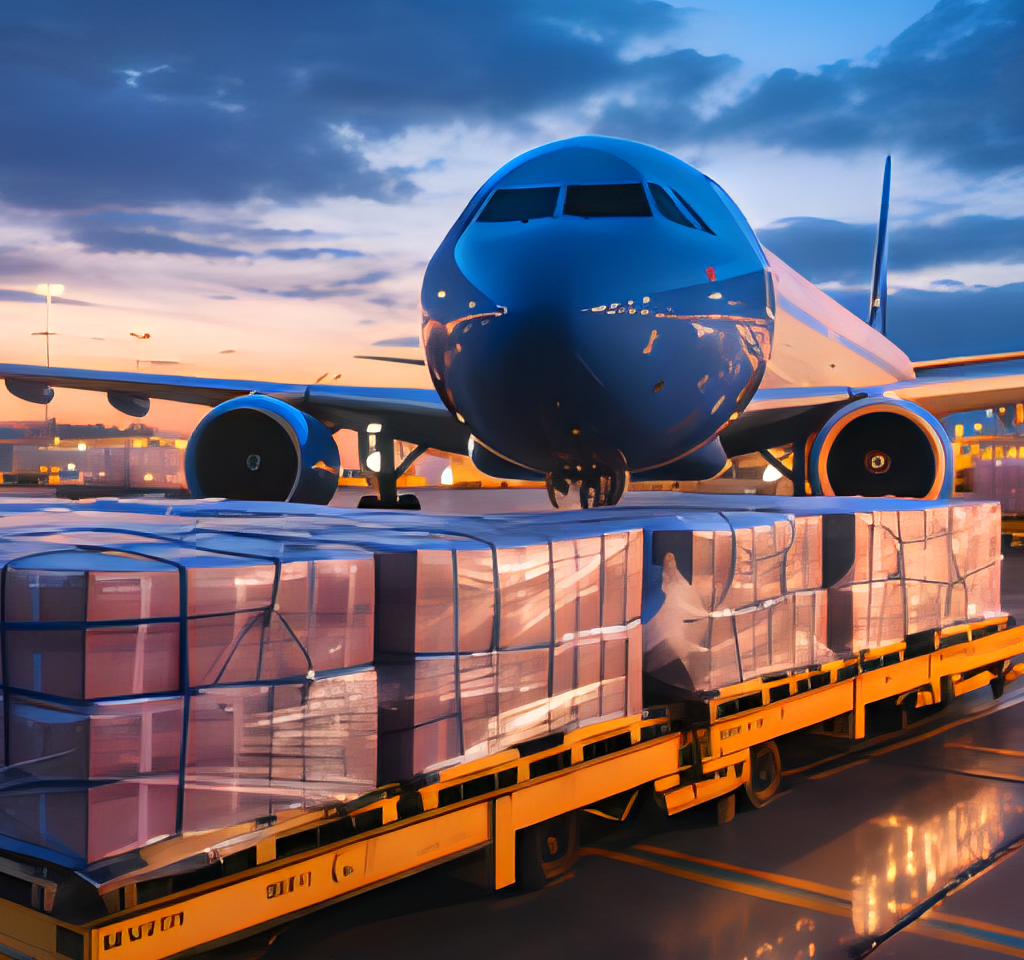
The shipment of goods via airplanes, offering fast delivery times for high-value or time-sensitive cargo.
This comprehensive solution streamlines the shipping process, ensuring efficient and hassle-free delivery.
The process of shipping goods that are loaded individually rather than in containers, typically used for oversized or irregularly shaped cargo.

Bolivia is landlocked, so all ocean shipments must first arrive at a neighboring country's port before continuing inland by truck or rail.
The two most common gateways are:
Port of Arica (Chile)
Port of Iquique (Chile)
Some cargo may also transit via Peruvian ports depending on final destination and routing strategy.
After discharge at the seaport, containers are transported across the Chile–Bolivia border and delivered inland to cities such as La Paz or Santa Cruz.
This means every shipment involves:
Ocean freight
Port handling
Cross-border inland transport
Because of this structure, inland coordination is just as critical as the sea leg.
The answer depends largely on final delivery location and cost structure.
For western Bolivia (La Paz region), Arica is often the preferred route due to geographic proximity.
For cargo destined to eastern Bolivia (especially Santa Cruz), routing strategies may vary based on trucking cost and border efficiency.
The choice is usually based on:
Inland trucking distance
Port handling efficiency
Border clearance procedures
Total landed cost
There is no universally “best” port — the right decision depends on cargo destination and shipment size.
Yes, typically.
The additional inland stage significantly increases overall logistics cost. Expenses include:
Cross-border trucking
Transit documentation
Border customs procedures
Extended container usage time
In many cases, inland transport can represent a substantial percentage of the total freight budget.
Proper routing analysis before booking helps control unexpected cost increases.
Bolivian customs is structured but documentation-sensitive.
Required documents generally include:
Commercial invoice
Packing list
Bill of lading
Certificate of origin (if required)
Import permits for regulated products
Bolivia also reviews declared cargo values carefully. Significant under-declaration may trigger reassessment.
Accurate HS classification and clear product descriptions are essential to avoid delays.
Cross-border inland transport introduces additional operational variables:
Border inspection delays
Truck availability fluctuations
Seasonal weather conditions affecting mountain routes
Transit permit processing
The Andean terrain can also affect trucking schedules, especially during heavy rain periods.
Choosing experienced regional carriers significantly reduces risk.
Total transit time consists of:
Ocean voyage from China to South America
Port discharge and container release
Cross-border trucking
Final inland delivery
For Bolivia shipments, inland movement and border clearance often create more timing variability than the ocean voyage itself.
Importers should plan for buffer time in project schedules.
For Bolivia, FCL (Full Container Load) is often preferred when volume allows.
LCL shipments may require:
Container unpacking at the transit port
Re-consolidation onto trucks
Additional handling at border facilities
Each additional handling step increases both delay and damage risk.
FCL allows sealed movement from China to final destination with fewer intermediate operations.
Bolivia imports a wide range of goods from China, including:
Construction materials
Mining machinery and spare parts
Industrial equipment
Automotive parts
Consumer wholesale products
Santa Cruz, as a major economic center, handles significant commercial and agricultural-related imports.
Most transactions use:
Advance T/T payment
Partial advance + balance before shipment
Occasionally letters of credit
Because Bolivia's financial system can experience foreign currency limitations, exporters often confirm payment receipt before releasing shipping documents.
Aligning payment timing with shipping schedule helps avoid cargo sitting at port.
Bolivia’s geography creates cost differences based on final destination.
Deliveries to La Paz involve high-altitude mountain routes.
Deliveries to Santa Cruz involve longer inland distances but more industrial infrastructure.
Inland cost calculations must always specify the exact city, not simply “Bolivia” as the destination.
Many exporters quote only ocean freight to the transit port and forget to include:
Cross-border trucking
Customs broker fees
Transit documents
Potential border delays
Because Bolivia is landlocked, the inland segment is not optional — it is a major cost and timing factor.
Success depends on coordination between:
Ocean carrier
Transit port agent
Cross-border trucking company
Bolivian customs broker
In landlocked trade lanes like Bolivia, logistics is not a single movement but a connected chain. Every stage must be planned before departure from China.
Cargo Insurance provides coverage for goods against loss, damage, or theft during transit, ensuring that the owner receives financial compensation in the event of unforeseen incidents.
Amazon FBA (Fulfillment by Amazon) is a service where sellers store their products in Amazon's warehouses, and Amazon handles the packing, shipping, and customer service.
Customs brokerage is a service that helps importers and exporters clear goods through customs.
Door to door service refers to the transportation of goods directly from the sender's location to the recipient's location, handled entirely by the carrier.
Express service provide fast, time-sensitive delivery of parcels and documents.
DDU term means the seller is responsible for delivering the goods to the buyer’s designated destination, but not for paying import duties and other import fees. The buyer is responsible for customs clearance and paying all applicable duties, taxes, and fees.
DDP term means the seller is responsible for delivering the goods to the buyer’s designated destination and for paying all import duties and other import fees. The buyer only needs to receive the goods, without bearing any additional expenses.