
40HQ FCL Insurance for Textiles: China to Houston Shipping Guide
Shipping textiles from China to Houston in a 40HQ FCL container involves significant investment and potential risks. Protecting your valuable cargo with robust shipping insurance is not just an option, but a critical necessity for peace of mind. This comprehensive guide explores the intricacies of 40HQ FCL insurance for textiles, ensuring your goods arrive safely and efficiently. We will delve into coverage options, cost factors, and essential considerations for a successful international textile shipment.
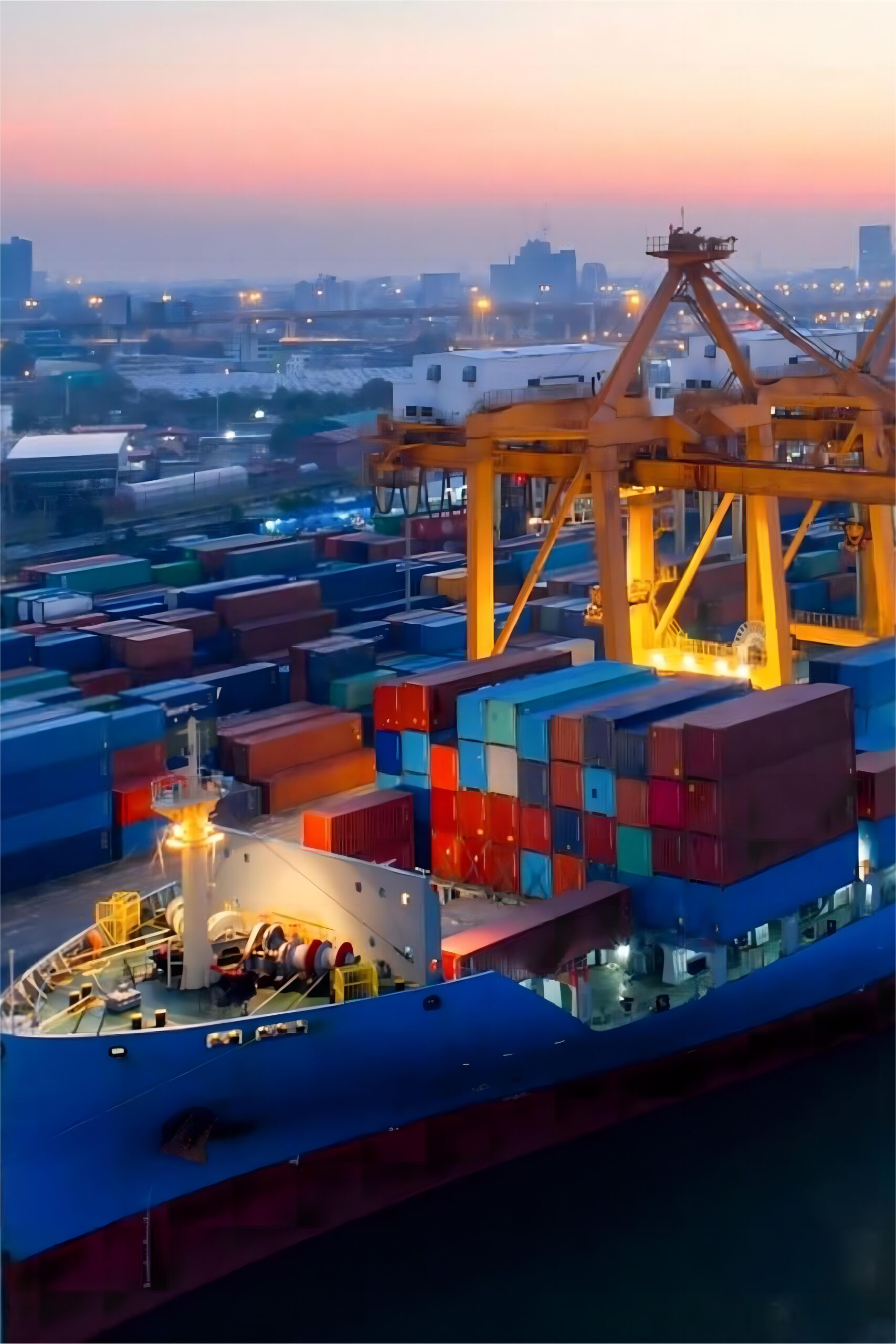
Why is 40HQ FCL Insurance Crucial for Textile Shipments to Houston?
Importing textiles via a 40HQ FCL from China to Houston presents numerous challenges. While cost-effective, sea freight exposes goods to various potential hazards over weeks at sea. Therefore, safeguarding your investment with appropriate cargo insurance is paramount.
Without adequate protection, any loss or damage during transit could lead to substantial financial setbacks. Moreover, the specialized nature of textiles, such as susceptibility to moisture, mold, or theft, necessitates specific insurance considerations. Consequently, understanding these risks is the first step in mitigating them.
Understanding the Risks for Textiles
Textiles are particularly vulnerable to certain types of damage during long voyages. For instance, water damage from condensation or container leaks can ruin entire bales of fabric. Furthermore, fire, theft, and improper handling are constant threats within the global supply chain.
Additionally, unexpected events like port delays or vessel accidents can also impact cargo integrity. Identifying these risks helps importers choose the most effective insurance policy to protect their specific textile products.
The Value of Comprehensive Coverage
A robust insurance policy provides financial security against unforeseen incidents. It ensures that your business can recover losses quickly, minimizing disruptions to your operations. Indeed, comprehensive coverage offers peace of mind throughout the entire shipping process.
Many importers underestimate the true cost of damage or loss. Consequently, proper insurance protects not only the value of the goods but also covers associated costs like freight, duties, and lost profits. This vital protection is essential for any textile import business.
What Types of Insurance Coverage are Available for FCL Shipments?
Several types of marine cargo insurance policies exist, each offering different levels of protection. Selecting the right policy depends on your specific cargo, route, and risk tolerance. Understanding these distinctions is crucial for effective risk management.
Generally, these policies are designed to cover goods while being transported by sea, air, or land. Therefore, when considering 40HQ FCL insurance for textiles from China to Houston, evaluate which policy best suits your needs.
All-Risk Coverage
All-Risk coverage is the most comprehensive form of marine cargo insurance available. It covers all causes of loss or damage, except for explicitly excluded perils like war, strikes, riots, or inherent vice of the goods. This broad protection is highly recommended for valuable textile shipments.
Although it offers extensive protection, always review the policy exclusions carefully. Furthermore, it often provides the best value for door-to-door shipments, covering the entire journey from factory to warehouse.
Named Perils Coverage
Conversely, Named Perils coverage is more restrictive, only covering losses specifically listed in the policy. These typically include events like fire, explosion, collision, capsizing, and jettison. This option is generally less expensive but offers limited protection.
For textile importers, this type of policy might leave significant gaps in coverage, especially concerning common issues like water damage or theft. Therefore, carefully weigh the cost savings against the potential for uncovered losses.
General Average Explained
General Average is a principle in maritime law where all parties involved in a sea venture proportionally share any losses resulting from a voluntary sacrifice of part of the ship or cargo to save the whole in an emergency. If your cargo is saved, you are still liable for a share of the losses.
Without insurance, you would be required to pay your portion of the General Average contribution before your cargo is released. Consequently, most marine cargo insurance policies include coverage for General Average contributions, which is a critical benefit for FCL shipments.
How Do You Calculate the Cost of 40HQ FCL Insurance for Textiles?
The cost of 40HQ FCL insurance for textiles from China to Houston is not fixed. Instead, it varies based on several key factors. Understanding these elements helps you budget effectively and secure the best policy for your needs.
Typically, insurance premiums are a small percentage of the total declared value of your goods. However, this percentage can fluctuate significantly based on market conditions and specific policy details.
Factors Influencing Premiums
Several factors directly impact your insurance premium. Firstly, the declared value of the textile cargo is the primary determinant. Higher value shipments naturally incur higher insurance costs.
Secondly, the type of goods plays a role; delicate or high-risk textiles might have higher rates. Furthermore, the chosen route, the carrier’s reputation, and the level of coverage (e.g., All-Risk vs. Named Perils) also influence the final premium.
Finally, the deductible amount and any special endorsements for specific risks (like mold protection for textiles) will adjust the overall cost.
Typical Cost Ranges and Market Trends
Based on current market rates (Q1 2025), marine cargo insurance for a 40HQ FCL textile shipment from China to Houston typically ranges from 0.2% to 0.5% of the Commercial Invoice Value (CIV) plus freight costs. This means a $100,000 shipment might cost between $200 and $500 for insurance.
However, these rates can fluctuate due to global logistics trends, increased piracy, or major weather events. Therefore, it is always advisable to obtain a current quote for precise customs brokerage and insurance costs.

Essential Steps to Insure Your Textile Cargo from China to Houston
Securing the right insurance policy involves a systematic approach to ensure all aspects of your textile shipment are covered. Proper planning and attention to detail can prevent future complications. This proactive stance is vital for any international trade.
Indeed, working with experienced freight forwarders and insurance providers can simplify this complex process. They can guide you through the necessary steps and help you understand your options.
Documentation Requirements
Accurate and complete documentation is crucial for obtaining insurance and processing claims. You will typically need a commercial invoice, packing list, bill of lading, and a detailed description of the textile goods. These documents establish the value and nature of your cargo.
Furthermore, any specific certifications or origin details relevant to textiles should also be provided. Ensuring all paperwork is in order before shipment departure streamlines the insurance process significantly.
Choosing the Right Policy
When selecting a policy, consider the specific vulnerabilities of your textile products. Discuss potential risks with your insurer, such as sensitivity to humidity or potential for crushing. An “All-Risk” policy with specific endorsements is often the safest bet for valuable textiles.
Moreover, compare quotes from multiple providers to find competitive rates and comprehensive coverage. Do not just focus on the premium; also evaluate the insurer’s reputation and claims handling efficiency.
How Does FCL Sea Freight Compare to Other Shipping Options?
While 40HQ FCL sea freight is a popular choice for large textile shipments, it is not the only option. Understanding the alternatives and their trade-offs is crucial for making informed logistics decisions. Each method offers distinct advantages and disadvantages regarding cost, speed, and capacity.
For instance, your decision will largely depend on your budget, urgency, and the volume of textiles being shipped. Therefore, a comprehensive comparison helps optimize your supply chain strategy.
| Shipping Method | Key Metrics (Cost/Time) | Best For | Limitations |
|---|---|---|---|
| Sea Freight (FCL) | $4,500-6,000 (40HQ) / 30-35 days | Large volume, non-urgent goods | Slower transit, port congestion risk |
| Sea Freight (LCL) | $80-150/CBM / 35-45 days | Smaller volume (under 15 CBM) | Slower, higher per CBM cost, potential for delays |
| Air Freight | $6-10/kg (for textiles) / 5-7 days | Urgent, high-value, low-volume goods | Very high cost, limited capacity for bulk |
| Express Service | $10-20/kg / 3-5 days | Samples, very small, urgent packages | Extremely high cost, not suitable for commercial volume |
| Rail Freight | Not direct to Houston / 20-25 days (to Europe) | Landlocked regions in Europe | Not a direct option for China to Houston route, requires sea leg |
Real-World Scenarios: Insuring Textile Shipments to Houston
Examining actual shipping examples provides practical insights into the complexities of insuring textile cargo. These case studies highlight various challenges and how insurance mitigates risks. They demonstrate the importance of detailed planning.
Moreover, understanding these scenarios can help you prepare for your own imports from China to North America. These examples are based on typical rates and logistics trends as of early 2025.
Case Study 1: High-Value Apparel
| Field | Detail |
|---|---|
| Route | Shanghai, China -> Houston, USA |
| Cargo | Designer Apparel (Cotton/Silk Blends), 65 CBM, 8,000 kg |
| Container | 40HQ FCL |
| Shipping Details | Carrier: COSCO, Port of Loading: Shanghai, Port of Discharge: Houston, Route Type: Direct |
| Cost Breakdown | Ocean Freight: $5,200; Origin Charges: $750; Destination Charges: $600; Customs & Duties (est.): $12,000; Insurance Premium: $400; Total Landed Cost: $18,950 |
| Timeline | Booking to Loading: 7 days; Sea Transit: 32 days; Customs Clearance: 3 days; Total Door-to-Door: 42 days |
| Key Insight | The client opted for All-Risk insurance due to the high value and delicate nature of the apparel. This policy provided essential protection against potential water damage or theft, which are common risks for high-end textiles. |
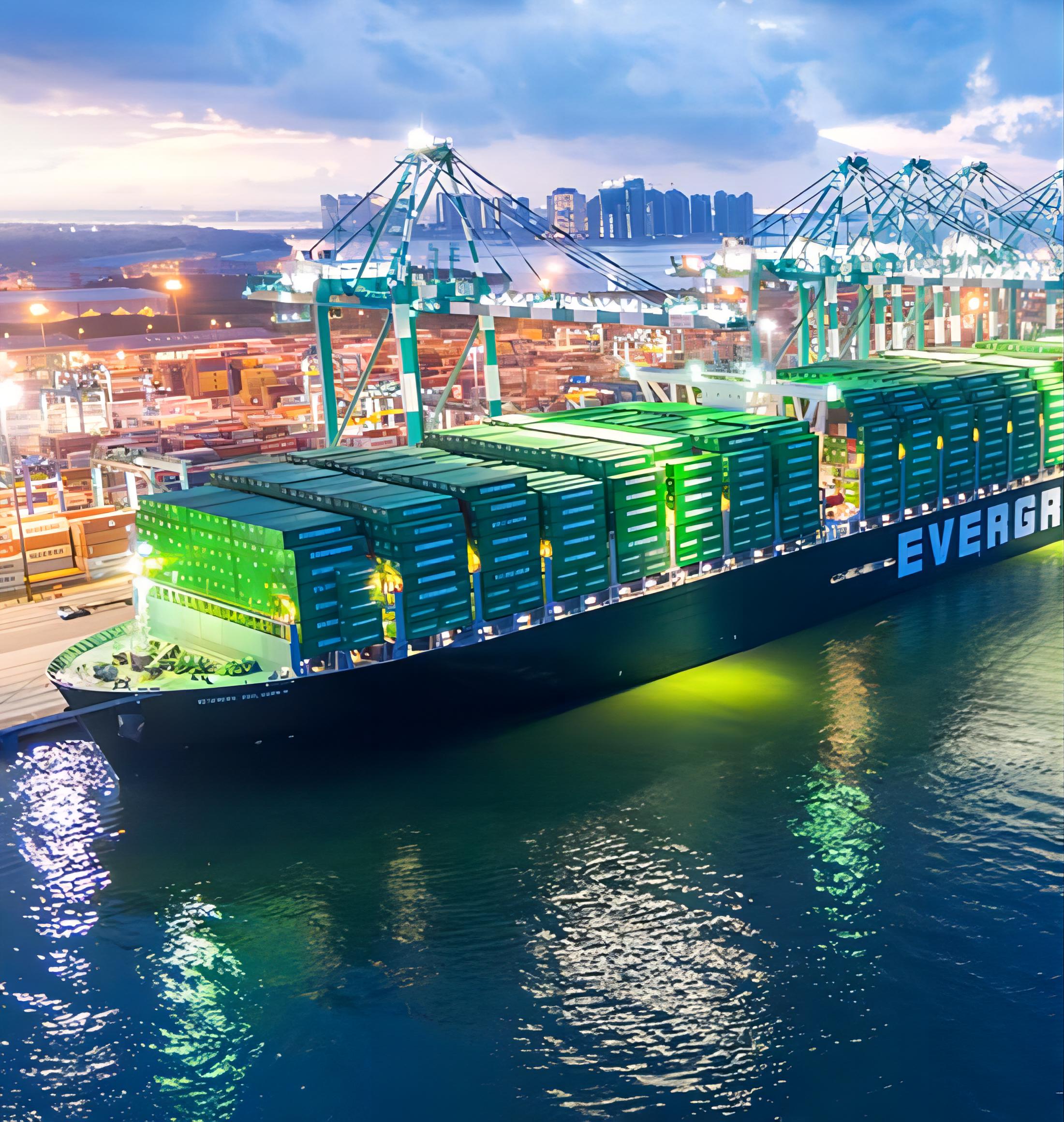
Case Study 2: Bulk Fabric Order
| Field | Detail |
|---|---|
| Route | Ningbo, China -> Houston, USA |
| Cargo | Polyester Fabric Rolls, 70 CBM, 10,000 kg |
| Container | 40HQ FCL |
| Shipping Details | Carrier: OOCL, Port of Loading: Ningbo, Port of Discharge: Houston, Route Type: Transshipment via Busan, South Korea |
| Cost Breakdown | Ocean Freight: $4,800; Origin Charges: $700; Destination Charges: $550; Customs & Duties (est.): $5,000; Insurance Premium: $300; Total Landed Cost: $11,350 |
| Timeline | Booking to Loading: 5 days; Sea Transit: 38 days; Customs Clearance: 4 days; Total Door-to-Door: 49 days |
| Key Insight | While cost-effective, transshipment routes increase transit time and handling points. The client chose All-Risk coverage to mitigate the increased risk of damage or delay at transshipment ports, ensuring protection for their bulk fabric order. |
Which Option Should You Choose for Your Textile Imports?
Deciding on the optimal shipping and insurance strategy for your textile imports requires careful consideration of several factors. There is no one-size-fits-all solution; your choice should align with your business priorities. Evaluating your specific needs is paramount.
Ultimately, the best approach balances cost, speed, and risk tolerance. Therefore, a clear decision framework can guide your choices effectively.
Budget-Driven Decisions
If minimizing shipping costs is your top priority, 40HQ FCL sea freight is generally the most economical option. This method is suitable for businesses with sufficient lead time and large order volumes. However, ensure robust insurance is still in place to protect your investment.
Consider also optimizing container loading to maximize efficiency and further reduce per-unit costs. This strategic approach helps manage overall logistics expenses.
Time-Sensitive Shipments
For urgent textile orders or seasonal collections, air freight or express services become more viable despite their higher costs. When speed is critical, the premium for faster transit often justifies the expense. This option minimizes delays in getting products to market.
However, always weigh the urgency against the additional cost. Sometimes, a slightly longer sea transit with better inventory planning can save substantial amounts.
Cargo Specifics and Fragility
The type of textile cargo significantly influences shipping and insurance choices. Highly delicate fabrics like silk or intricate garments might benefit from specialized packing and higher-tier insurance to prevent damage. Conversely, durable bulk fabrics may tolerate standard FCL conditions.
Furthermore, consider environmental controls. Some textiles might require temperature-controlled containers, which adds to the cost but protects sensitive materials.
Navigating Customs and Compliance for Textile Imports in Houston
Importing textiles into Houston, USA, involves navigating complex customs regulations and compliance requirements. Proper adherence ensures smooth clearance and avoids costly delays or penalties. Understanding these rules is essential for any importer.
Indeed, working with an experienced customs brokerage service is highly recommended. They can help streamline the process and ensure all necessary documentation is accurate.
US Customs Regulations
All textile imports are subject to U.S. Customs and Border Protection (CBP) regulations. This includes accurate classification of goods using Harmonized Tariff Schedule (HTS) codes, proper valuation, and country of origin marking. Incorrect documentation can lead to significant delays.
Moreover, importers must be aware of any quotas, anti-dumping duties, or special trade programs that might apply to textiles from China. Staying informed is key to seamless import operations.
Textile-Specific Import Requirements
Textiles often have additional specific requirements, such as labeling laws for fiber content, care instructions, and manufacturer identification. The Federal Trade Commission (FTC) enforces these regulations. Non-compliance can result in severe penalties.
Therefore, ensure your Chinese suppliers understand and meet these U.S. standards before shipment. This proactive approach helps prevent issues at the port of entry in Houston.
Final Thoughts on Securing Your Textile Shipments
Navigating the complexities of importing textiles in a 40HQ FCL container from China to Houston demands meticulous planning and robust risk management. Comprehensive 40HQ FCL insurance for textiles is not merely an expense but a vital investment that safeguards your financial interests against unforeseen events.
By understanding the available coverage, calculating costs, and adhering to customs regulations, you can ensure your textile shipments arrive safely and efficiently. Partnering with a reliable freight forwarder like Top China Freight can further enhance your supply chain security and peace of mind.
Ready to streamline your logistics?
Protect your valuable textile imports and streamline your supply chain with expert assistance. Contact us today for a personalized quote on 40HQ FCL insurance for textiles from China to Houston, and discover how Top China Freight can secure your cargo. Our team is ready to provide comprehensive logistics solutions tailored to your business needs.
Request Quote