
Reefer FCL Shipping Cost for Solar Panels: China to Ireland
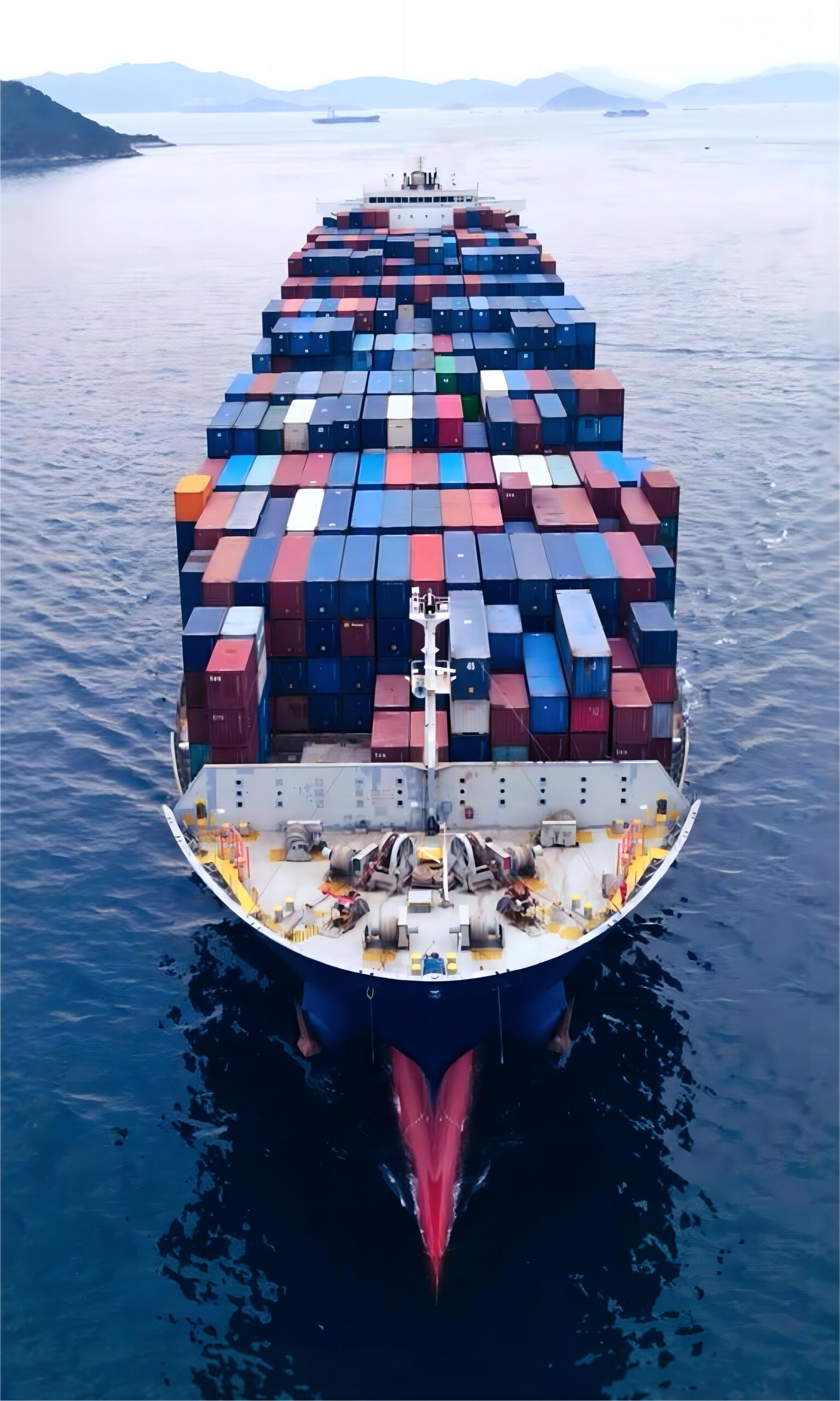
Navigating the complexities of international freight can be challenging, especially when importing high-value goods like solar panels. Many businesses seek efficient and cost-effective solutions for full container load (FCL) shipping from China to Ireland. This comprehensive guide will break down the typical costs, transit times, and critical considerations for transporting solar panels, clarifying common misconceptions about ‘reefer’ containers for this cargo type. For reliable shipping solutions, explore our services at Top China Freight.
✦
Do Solar Panels Require Reefer FCL Shipping?
First, it is crucial to clarify a common point of confusion regarding ‘reefer’ containers for solar panels. Reefer containers are specifically designed to maintain a controlled temperature range, ideal for perishable goods like food, pharmaceuticals, or certain chemicals.
However, solar panels typically do not require refrigeration or temperature control during transit. They are robust products, designed to withstand varying outdoor temperatures during their operational lifespan. Therefore, standard dry FCL containers are almost always used for shipping solar panels.
Insisting on a reefer container for solar panels would significantly increase your shipping costs unnecessarily. Furthermore, it would offer no additional protection against the primary risks for solar panels, which include physical damage, moisture ingress, and improper handling. Always ensure you specify a standard dry container for this cargo.

Understanding FCL Shipping Costs for Solar Panels from China to Ireland
The overall FCL shipping cost for solar panels from China to Ireland involves several components. These include ocean freight, origin charges, destination charges, customs duties, and local transportation. Each element contributes to the final landed cost.
Indeed, understanding these components is vital for accurate budgeting and avoiding unexpected expenses. Freight rates are dynamic, influenced by factors like fuel costs, carrier capacity, and global trade volumes. Therefore, obtaining a precise quote is always recommended.
Moreover, the size of your shipment and the type of container chosen will directly impact the ocean freight portion. A 40-foot High Cube (40HQ) container is often preferred for solar panels due to its larger volume capacity, allowing for more units per shipment.
What Factors Influence Your FCL Solar Panel Shipping Cost?
Several key factors dictate the final cost of shipping solar panels via FCL from China to Ireland. Being aware of these influences helps in strategic planning and cost optimization. Ultimately, careful consideration of each element can lead to significant savings.
Firstly, the origin port in China and the destination port in Ireland play a major role. Major ports like Shanghai, Ningbo, or Shenzhen often offer more competitive rates and frequent sailings. Similarly, Dublin Port is the primary entry point in Ireland.
Secondly, the specific shipping line and service level chosen will affect both cost and transit time. Premium services might offer faster transit but at a higher price. Conversely, more economical options might involve transshipment, extending the delivery schedule.
Thirdly, market conditions, including seasonal demand and global logistics trends, constantly shift freight rates. For example, peak seasons before major holidays or during high consumer demand periods can see rate increases. Therefore, booking in advance can often mitigate these surges.
Finally, the Incoterms (International Commercial Terms) agreed upon between buyer and seller define who is responsible for costs and risks at each stage of the journey. This significantly impacts your overall cost liability and should be clearly established.

Typical Transit Times for FCL Shipments to Ireland
Transit times for FCL shipping from China to Ireland generally range from 30 to 45 days. This duration encompasses the sea voyage, port handling, and customs clearance processes. Consequently, planning your inventory well in advance is essential.
Direct services, while sometimes more expensive, typically offer shorter transit times. In contrast, routes involving transshipment through major hubs like Rotterdam or Felixstowe may add several days to the journey. Nevertheless, these can sometimes be more cost-effective options.
Furthermore, unforeseen delays can occur due to weather conditions, port congestion, or customs inspections. Therefore, building a buffer into your delivery schedule is a prudent strategy. Effective supply chain management accounts for these variables.
| Route Segment | Estimated Duration | Considerations |
|---|---|---|
| Origin Port to Destination Port (Sea Transit) | 28-35 days | Direct vs. Transshipment routes |
| Origin Port Handling (Booking to Loading) | 3-7 days | Documentation, customs clearance at origin |
| Destination Port Handling (Unloading to Clearance) | 3-7 days | Port congestion, customs inspection |
| Inland Transport (Ireland) | 1-3 days | Distance from Dublin Port, delivery schedule |
Navigating Customs, Duties, and Taxes for Solar Panels
Importing solar panels into Ireland requires careful navigation of customs procedures, duties, and taxes. Proper documentation and understanding of regulations are paramount for smooth clearance. Indeed, errors can lead to costly delays and penalties.
The primary duty applicable to solar panels from China entering the EU (including Ireland) is typically 0% under the EU’s Generalized Scheme of Preferences or MFN rates, however, anti-dumping duties or specific tariffs can apply depending on the product type and origin. Always verify the current TARIC code and applicable duties.
Additionally, Value Added Tax (VAT) will be levied on the imported goods. The standard VAT rate in Ireland is 23%. This is generally calculated on the CIF (Cost, Insurance, Freight) value plus any applicable duties. Therefore, accurate valuation is critical.
Furthermore, specific documentation is required for customs clearance. This includes the commercial invoice, packing list, bill of lading, and potentially a certificate of origin. Ensuring all documents are accurate and complete will expedite the process. Our customs brokerage services can assist with this.
| Document | Purpose | Notes |
|---|---|---|
| Commercial Invoice | Details of goods, value, seller/buyer | Must match packing list and B/L |
| Packing List | Itemized list of contents, weights, dimensions | Essential for cargo handling and inspection |
| Bill of Lading (B/L) | Contract of carriage, title to goods | Originals often required for release |
| Certificate of Origin | Confirms manufacturing country | May influence duty rates |

How Does FCL Compare to Other Shipping Options?
When considering the most suitable method for shipping solar panels from China to Ireland, FCL (Full Container Load) is often the preferred choice. However, understanding its advantages and disadvantages relative to other options is crucial. This comparison helps in making an informed decision tailored to your specific needs.
For instance, while FCL offers dedicated space and security, other methods might suit smaller volumes or urgent deliveries. Moreover, each option has distinct cost implications and transit timeframes. Therefore, evaluating all viable alternatives is a strategic move for any importer.
Furthermore, the nature of solar panels, being relatively fragile and requiring careful handling, makes FCL particularly attractive. It minimizes the risk of damage during loading and unloading, which is more common with consolidated shipments.
| Shipping Method | Cost Range (40HQ approx.) | Transit Time (China-Ireland) | Best For | Limitations |
|---|---|---|---|---|
| FCL Sea Freight | $3,000 – $4,500 | 30-45 days | Large volume, cost-effective, bulk solar panels | Longer transit times |
| LCL Sea Freight | $80 – $150 per CBM | 35-50 days | Small volume (under 15-20 CBM) | More handling, higher damage risk, slower |
| Air Freight | $20,000 – $30,000+ | 5-10 days | Urgent, high-value, small shipments | Very high cost, not suitable for bulk solar panels |
FCL vs. LCL (Less than Container Load)
FCL involves booking an entire container for your goods, offering exclusive use and direct transit. Consequently, it generally provides better security and faster transit times compared to LCL.
In contrast, LCL combines multiple shippers’ goods into one container. This can be cost-effective for smaller volumes (typically under 15 CBM) as you only pay for the space you use. However, LCL shipments often involve more handling, increasing the risk of damage and extending transit times due to consolidation and deconsolidation processes at various hubs. For solar panels, the added handling in LCL can be a significant concern due to their delicate nature.
Generally, if your shipment volume exceeds 15-20 CBM, FCL becomes more economical than LCL. Moreover, the reduced handling in FCL minimizes potential damage risks for sensitive cargo like solar panels. Consider sea freight for these large volumes.
Sea Freight vs. Air Freight
Sea freight, particularly FCL, is the most cost-effective method for shipping heavy and bulky items like solar panels over long distances. It is significantly cheaper than air freight, making it ideal for large-scale imports where time is not the absolute most critical factor.
Conversely, air freight offers unparalleled speed, delivering goods in 5-10 days from China to Ireland. However, the cost is substantially higher, often 5-10 times more than sea freight for the same volume. Therefore, air freight is generally reserved for urgent, high-value, or time-sensitive components, not typically for full container loads of solar panels.
For example, while sea freight costs $3,000-4,500 for a 40HQ to Ireland, air freight for a similar volume would cost upwards of $20,000-$30,000. Hence, air freight is rarely a practical option for bulk solar panel shipments.
Direct Routes vs. Transshipment
Direct shipping routes from China to Ireland involve fewer stops and quicker transit times. This can be beneficial for maintaining a tighter delivery schedule and reducing handling risks. However, direct services may sometimes come at a slightly higher premium.
Transshipment routes involve transferring cargo from one vessel to another at an intermediate port, such as Rotterdam or Felixstowe. While potentially more economical, these routes add several days to the overall transit time and involve extra handling. Consequently, this might increase the risk of delays or damage. Both options are available for shipping to Europe.
Which FCL Shipping Option Should You Choose for Solar Panels?
Selecting the optimal FCL shipping strategy depends on your specific business priorities and cargo characteristics. A clear decision framework can help streamline this choice. Consider these criteria when planning your import of solar panels.
If budget is your primary priority, standard FCL sea freight is undoubtedly the most economical choice. It offers the best balance of cost and capacity for large quantities of solar panels. Furthermore, booking well in advance can secure better rates.
If speed is paramount, and you are shipping a very small, critical batch of solar panels (e.g., prototypes), air freight might be considered despite its high cost. However, for commercial volumes, FCL sea freight with a direct service offers the fastest sea option.
For cargo type considerations, solar panels benefit immensely from the dedicated space and reduced handling of FCL. This minimizes the risk of physical damage during transit, which is a major concern for fragile modules. Moreover, a door-to-door service can further simplify logistics.
Volume thresholds for switching methods are also important. As a general rule, if your shipment exceeds 15-20 CBM, FCL becomes more cost-effective than LCL. For solar panels, due to their size and fragility, FCL is almost always recommended unless the quantity is extremely small.
Real-World Case Studies: Shipping Solar Panels to Ireland
Examining actual shipping scenarios provides practical insights into costs and timelines for solar panel imports. These case studies reflect typical market conditions and logistical considerations. They highlight various factors influencing the final delivery.
Based on Q4 2024 market rates, these examples illustrate the complexities and efficiencies of FCL shipping. Market data suggests slight rate fluctuations, but the core principles remain consistent. Always remember to obtain a current quote for precise figures.
Case Study 1: Large-Scale Solar Farm Project
| Detail | Value |
|---|---|
| Route | Shanghai, China -> Dublin, Ireland |
| Cargo | 500 Monocrystalline Solar Panels, 65 CBM, 12,500 kg |
| Container | 1 x 40HQ |
| Carrier/Service | COSCO (Major carrier) |
| Port of Loading | Shanghai |
| Port of Discharge | Dublin |
| Route Type | Direct |
| Ocean Freight | $3,850 |
| Origin Charges (THC, documentation) | $350 |
| Destination Charges | $420 |
| Customs & Duties (estimated) | $0 (duties), VAT applicable |
| Total Landed Cost (ex-VAT) | $4,620 + local transport |
| Booking to Loading | 5 days |
| Sea Transit | 32 days |
| Customs Clearance | 4 days |
| Total Door-to-Door | 41 days |
| Key Insight | Direct service ensured timely delivery for project deadline. Booking early secured a competitive rate before peak season. |
Case Study 2: Commercial Rooftop Installation
| Detail | Value |
|---|---|
| Route | Ningbo, China -> Dublin, Ireland |
| Cargo | 200 Polycrystalline Solar Panels, 28 CBM, 5,000 kg |
| Container | 1 x 20GP |
| Carrier/Service | MSC (Major carrier) |
| Port of Loading | Ningbo |
| Port of Discharge | Dublin |
| Route Type | Transshipment via Rotterdam |
| Ocean Freight | $2,400 |
| Origin Charges (THC, documentation) | $300 |
| Destination Charges | $380 |
| Customs & Duties (estimated) | $0 (duties), VAT applicable |
| Total Landed Cost (ex-VAT) | $3,080 + local transport |
| Booking to Loading | 6 days |
| Sea Transit | 38 days |
| Customs Clearance | 5 days |
| Total Door-to-Door | 49 days |
| Key Insight | Transshipment saved on ocean freight but added transit time. Minor delay due to port congestion at Rotterdam. |
Case Study 3: Small-Scale Distributed Solar
| Detail | Value |
|---|---|
| Route | Shenzhen, China -> Dublin, Ireland |
| Cargo | 300 Bifacial Solar Panels, 40 CBM, 7,500 kg |
| Container | 1 x 40GP |
| Carrier/Service | Maersk (Major carrier) |
| Port of Loading | Shenzhen |
| Port of Discharge | Dublin |
| Route Type | Direct |
| Ocean Freight | $3,100 |
| Origin Charges (THC, documentation) | $320 |
| Destination Charges | $400 |
| Customs & Duties (estimated) | $0 (duties), VAT applicable |
| Total Landed Cost (ex-VAT) | $3,820 + local transport |
| Booking to Loading | 4 days |
| Sea Transit | 30 days |
| Customs Clearance | 3 days |
| Total Door-to-Door | 37 days |
| Key Insight | Efficient booking and direct route resulted in quicker-than-average delivery. Smooth customs process due to complete documentation. |
| Note | Freight rates are subject to change based on fuel costs, carrier capacity, and seasonal demand. Contact us for a current quote tailored to your specific shipment. |
Mastering Your Reefer FCL Shipping Cost for Solar Panels from China to Ireland
In conclusion, while the term ‘reefer’ might appear in your search for solar panel shipping, standard FCL dry containers are the appropriate and cost-effective choice for transporting these robust goods. Understanding the various cost components, transit times, and customs procedures is key to a successful import.
By carefully planning, selecting the right container size, and working with an experienced logistics partner, you can optimize your supply chain. This approach ensures your solar panels arrive in Ireland efficiently and within budget. Ultimately, informed decisions lead to significant savings and smoother operations for your business.