
40GP FCL Transit Time for Auto Parts from China to Texas: A Comprehensive Guide
The global automotive industry heavily relies on efficient supply chains, making the shipping of auto parts from China to key markets like Texas a critical operation. Understanding the 40GP FCL transit time for auto parts from China to Texas is essential for inventory management and production planning. Businesses constantly seek reliable and cost-effective solutions to ensure their components arrive on schedule. This guide explores the factors influencing these transit times, offers comparative insights, and provides actionable strategies for optimizing your supply chain.
What is 40GP FCL Shipping for Auto Parts?
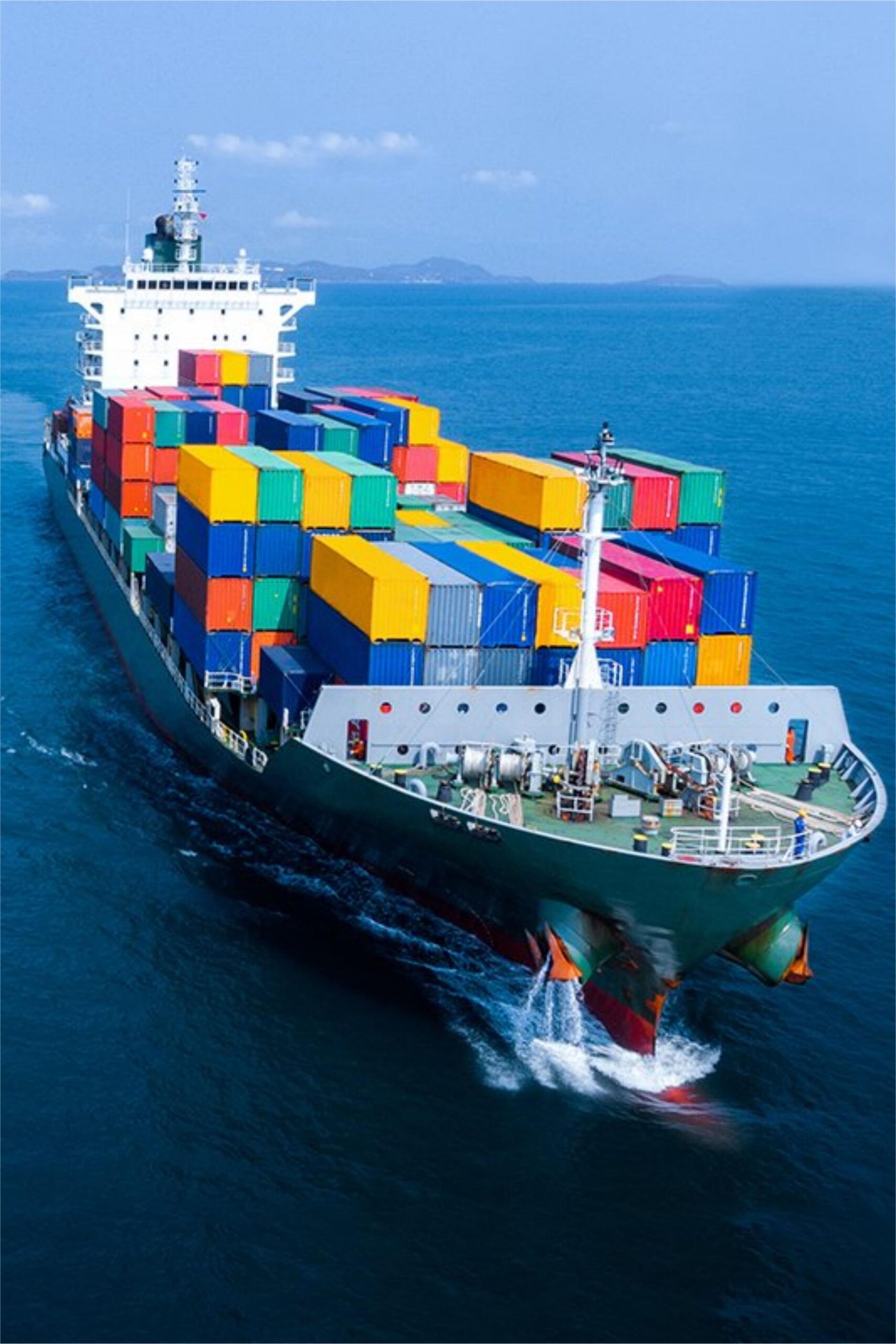
Full Container Load (FCL) shipping, specifically using a 40-foot General Purpose (40GP) container, is a predominant method for transporting large volumes of auto parts internationally. This approach means your cargo occupies an entire container, offering dedicated space and enhanced security. Consequently, it is ideal for businesses with substantial inventory requirements.
Choosing 40GP FCL for auto parts offers numerous advantages. Firstly, it provides better protection against damage and theft since your goods are not consolidated with other shippers’ cargo. Moreover, it is generally more cost-effective per unit for large volumes compared to Less than Container Load (LCL) options. This method streamlines the logistics process by reducing handling points.

Key Factors Influencing 40GP FCL Transit Time from China to Texas
Several critical elements dictate the total 40GP FCL transit time for auto parts from China to Texas. These factors range from geographical considerations to operational efficiencies. Understanding them allows for more accurate planning and expectation management.
Crucially, the chosen port of origin in China (e.g., Shanghai, Shenzhen, Ningbo) and the destination port in Texas (primarily Houston or Galveston) significantly impact transit duration. Direct routes are naturally faster than those involving transshipment points. Furthermore, the specific shipping carrier and their service reliability play a vital role in adhering to schedules.
Port congestion, a recurring challenge in global logistics, can add unexpected delays. Busy ports, particularly during peak seasons, may experience longer waiting times for vessel docking and cargo offloading. Additionally, adverse weather conditions, such as typhoons in Asia or storms in the Gulf of Mexico, can disrupt vessel schedules and extend transit times.
Finally, customs clearance procedures in both China and the USA contribute to the overall timeline. Efficient documentation and prompt responses to any customs inquiries are paramount for swift processing. Therefore, meticulous preparation is essential to avoid unnecessary holdups.
Typical 40GP FCL Transit Time for Auto Parts from China to Texas Ports
The average sea transit time for a 40GP FCL shipment of auto parts from major Chinese ports to Texas ports like Houston or Galveston typically falls within a specific range. While direct routes are generally faster, indirect routes may involve transshipment, adding several days to the journey. Ultimately, the total door-to-door time also includes inland transportation and customs processing.
For instance, a direct sailing from Shanghai to Houston usually takes less time than a route involving a stopover. Businesses must consider these variations when planning their inventory and supply chain. The following table provides estimated transit times for common routes.
Note: Freight rates and transit times are estimates and subject to change based on market conditions, carrier capacity, and seasonal demand. Always obtain a current quote for precise planning.
| Origin Port (China) | Destination Port (Texas) | Estimated Sea Transit (Days) | Total Door-to-Door (Days) |
|---|---|---|---|
| Shanghai | Houston | 28-35 | 35-42 |
| Ningbo | Galveston | 30-38 | 38-45 |
| Shenzhen | Houston | 29-36 | 36-43 |
| Qingdao | Houston | 32-40 | 40-48 |
How Does 40GP FCL Compare to Other Shipping Options for Auto Parts?
When importing auto parts, businesses must evaluate various shipping methods to find the optimal balance between speed, cost, and cargo volume. While 40GP FCL sea freight is excellent for bulk, other options might suit different needs. Therefore, understanding these alternatives is crucial for strategic decision-making.
Firstly, consider Less than Container Load (LCL) sea freight. This option is suitable for smaller volumes of auto parts that don’t fill an entire 40GP container. While LCL is more cost-effective for smaller shipments, it usually involves longer transit times due to consolidation and deconsolidation processes at ports. You can learn more about sea freight options to choose the best service.
Secondly, air freight offers significantly faster transit times, often reducing delivery from weeks to days. However, this speed comes at a much higher cost, making it ideal for urgent, high-value, or time-sensitive auto parts. For instance, air freight is typically used for critical spare parts or components needed for immediate production.
Finally, hybrid solutions, such as sea-air, combine the cost-effectiveness of sea transport for the longer leg with the speed of air freight for the final segment. This can offer a balanced approach for certain supply chain strategies. Each method has distinct trade-offs that demand careful consideration.
Note: Rates and transit times are indicative. Actual costs depend on cargo specifics, market volatility, and chosen service level. Consult a logistics expert for precise figures.
| Shipping Method | Cost Range (40GP equiv.) | Transit Time | Best For | Limitations |
|---|---|---|---|---|
| FCL Sea Freight (40GP) | $4,000-6,000 | 28-45 days | Large volumes, cost-efficiency, bulk auto parts | Slowest transit, port congestion risks |
| LCL Sea Freight | $80-150/CBM | 35-55 days | Smaller volumes (under 15 CBM), budget-conscious | Longer transit than FCL, more handling, potential damage |
| Air Freight | $15,000-25,000+ | 5-7 days | Urgent, high-value, small-volume auto parts | Significantly higher cost, weight/volume restrictions |
Optimizing Your Auto Parts Supply Chain and Mitigating Delays
Proactive strategies are crucial for ensuring a smooth and predictable 40GP FCL transit time for auto parts from China to Texas. Mitigating potential delays requires a comprehensive approach that addresses various stages of the shipping process. Therefore, implementing robust planning can significantly enhance efficiency.
Effective vendor management and cargo consolidation are key. If you source auto parts from multiple suppliers in China, consolidating them into a single FCL shipment can save costs and reduce the number of individual customs clearances. This also minimizes the risk of fragmented deliveries.
Furthermore, preparing customs documentation meticulously and in advance is paramount. Engaging with a competent customs brokerage service can help pre-clear your cargo, significantly speeding up the import process upon arrival in Texas. This proactive step helps avoid unexpected hold-ups.
Choosing the right Incoterms also impacts your supply chain. Terms like DDP (Delivered Duty Paid) can simplify your responsibilities, whereas EXW (Ex Works) places more burden on the buyer. Understanding these terms ensures clarity on who is responsible for each part of the journey.
Finally, utilizing comprehensive door-to-door services can streamline the entire logistics chain. This service handles everything from pickup at the supplier’s factory in China to final delivery at your warehouse in Texas, offering a single point of contact and simplifying coordination. This integrated approach reduces administrative burden and potential communication gaps.
Real-World Case Studies: 40GP FCL Auto Parts to Texas
Examining actual shipping scenarios provides valuable insights into the practicalities and challenges of transporting auto parts from China to Texas. These case studies illustrate typical costs, timelines, and key considerations for 40GP FCL shipments. They highlight the importance of planning and adaptability in logistics.
Case Study 1: Large Volume Engine Blocks
This case involved a manufacturer importing heavy engine blocks for assembly in Texas. The priority was cost-efficiency for a large, non-urgent volume. The shipment navigated typical peak season challenges, emphasizing the need for early booking and robust carrier selection. Based on Q3 2024 market rates, the following details applied.
| Detail | Description |
|---|---|
| Route | Shanghai, China Houston, USA |
| Cargo | Engine blocks, 50 CBM, 25,000 kg |
| Container | 40GP FCL |
| Shipping Details | Carrier: COSCO, Port of Loading: Shanghai, Port of Discharge: Houston, Route Type: Direct |
| Cost Breakdown | Ocean Freight: $5,200, Origin Charges: $450, Destination Charges: $600, Customs & Duties (estimated): $1,200, Total Landed Cost: $7,450 |
| Timeline | Booking to Loading: 7 days, Sea Transit: 32 days, Customs Clearance: 4 days, Total Door-to-Door: 43 days |
| Key Insight | Early booking during peak season (August) secured favorable rates and avoided significant delays, despite overall port congestion. |

Case Study 2: Assorted Car Accessories
This shipment involved a diverse range of car accessories, requiring careful packing and handling. The importer needed a balance of cost and reasonable transit time, opting for an FCL shipment despite the slightly lower density. This scenario highlights the role of efficient inland logistics from the port to the final distribution center. Typical rates as of early 2025 were considered.
| Detail | Description |
|---|---|
| Route | Ningbo, China Dallas, USA (via Galveston) |
| Cargo | Assorted car accessories, 58 CBM, 18,000 kg |
| Container | 40GP FCL |
| Shipping Details | Carrier: Maersk, Port of Loading: Ningbo, Port of Discharge: Galveston, Route Type: Transshipment via Busan |
| Cost Breakdown | Ocean Freight: $4,800, Origin Charges: $400, Destination Charges: $550, Customs & Duties (estimated): $900, Total Landed Cost: $6,650 |
| Timeline | Booking to Loading: 5 days, Sea Transit: 38 days, Customs Clearance: 3 days, Inland Transport: 3 days, Total Door-to-Door: 49 days |
Navigating Customs and Documentation for Auto Parts Imports to Texas
Successful import of auto parts into Texas via 40GP FCL hinges significantly on accurate and complete customs documentation. Any discrepancies can lead to costly delays, fines, or even seizure of goods. Therefore, meticulous preparation is non-negotiable.
Key documents include the Commercial Invoice, Packing List, Bill of Lading, and Certificate of Origin. The Commercial Invoice must accurately detail the goods, value, and terms of sale. The Packing List provides a comprehensive inventory of the container’s contents, while the Bill of Lading serves as a contract of carriage and title to the goods.
Crucially, correct Harmonized System (HS) code classification for each auto part is vital. Misclassification can result in incorrect duty payments and penalties. Importers must also be aware of specific import duties on auto parts from China, which can vary based on trade agreements and product type. Consulting with a customs broker is highly recommended to ensure compliance.
Furthermore, auto parts may be subject to regulatory compliance from agencies like the Environmental Protection Agency (EPA) or the Department of Transportation (DOT). These regulations ensure that imported parts meet safety and environmental standards. Consequently, having all necessary certifications and permits ready is essential for smooth clearance.
Market Insights and Future Trends Affecting China-Texas Freight
The global freight market is dynamic, with various factors influencing 40GP FCL transit time for auto parts from China to Texas. Staying informed about current market conditions and emerging trends is vital for effective supply chain management. This proactive approach helps businesses anticipate changes and adapt their strategies.
As of Q1 2025, freight rates from China to the US Gulf Coast have stabilized somewhat after periods of significant volatility, including post-pandemic surges and geopolitical events like the Red Sea disruptions. However, rates remain sensitive to fuel costs, carrier capacity, and overall global economic health. Market data suggests slight rate increases are possible during peak seasons.
Seasonal variations play a significant role in both rates and transit times. Rates typically increase 15-25% during the peak shipping season, which runs from August to October, leading up to the holiday retail period. Similarly, pre-Chinese New Year surges also impact capacity and lead to longer transit durations. Planning shipments around these periods can yield cost savings and more predictable delivery schedules.
Technology continues to transform the logistics landscape. Digital platforms offer enhanced visibility, real-time tracking, and predictive analytics for cargo handling. These innovations help importers better monitor their 40GP FCL auto parts shipments, anticipate potential delays, and react swiftly. Embracing such tools is increasingly becoming a competitive advantage in optimizing logistics.
Partnering with a Reliable Freight Forwarder for Your Auto Parts
Navigating the complexities of international shipping for auto parts, especially managing the 40GP FCL transit time from China to Texas, can be daunting. Therefore, partnering with an experienced and reliable freight forwarder is not just convenient but often essential for success. A professional partner brings expertise and efficiency to your supply chain.
A good freight forwarder can manage all aspects of your shipment, from booking vessel space and handling documentation to coordinating customs clearance and inland transportation. They leverage their network and industry knowledge to optimize routes, negotiate better rates, and provide real-time updates. This comprehensive support minimizes your administrative burden and potential errors. At Top China Freight, we specialize in seamless express service and FCL solutions from China to Texas, ensuring your auto parts arrive efficiently and on schedule. We are committed to providing transparent communication and reliable service for all your automotive logistics needs.
Conclusion: Optimizing Your 40GP FCL Auto Parts Transit to Texas
In conclusion, managing the 40GP FCL transit time for auto parts from China to Texas involves understanding numerous variables, from port dynamics to customs regulations. By strategically planning, leveraging reliable partners, and staying informed on market trends, businesses can significantly enhance the efficiency and predictability of their automotive supply chain. Proactive management remains key to successful international logistics, ensuring your auto parts reach their destination on time and within budget.
Get Your Shipping Quote Today
Navigating the complexities of 40GP FCL transit time for auto parts from China to Texas requires expertise and meticulous planning. For a tailored shipping solution that meets your specific needs, contact our specialists today. Get a personalized quote and ensure your auto parts supply chain runs smoothly.
Request Quote