
Understanding 20GP FCL Freight Rates for Toys from China to Spain
Shipping toys from China to Spain requires careful planning, especially when considering the 20GP FCL freight rate for toys from China to Spain. Understanding these costs and intricate logistics is crucial for maintaining profitability and ensuring timely delivery to your customers. This comprehensive guide will illuminate the primary factors impacting your shipping expenses, explore various shipping options, and help streamline your import process from Asia to Europe.

What is a 20GP FCL and Why is it Ideal for Toys?
A 20GP (20-foot General Purpose) container is a standard unit in international shipping, measuring approximately 20 feet long, 8 feet wide, and 8.5 feet high. It offers a substantial capacity of roughly 33 CBM (cubic meters) or 28,000 kg, making it an excellent choice for businesses importing a significant volume of goods. This container size is particularly well-suited for medium to large-scale toy shipments due to its balance of capacity and cost-efficiency.
FCL, or Full Container Load, signifies that your cargo occupies the entire container, exclusively. This method provides unparalleled security and significantly reduces handling, which is critically important for delicate, high-value, or easily damaged items like toys. Furthermore, FCL shipping generally offers more predictable and often faster transit times compared to LCL (Less than Container Load) services, contributing to a more reliable delivery schedule for your inventory.
Key Factors Influencing Your 20GP FCL Freight Rate for Toys from China to Spain
Several dynamic elements significantly influence the 20GP FCL freight rate for toys from China to Spain. Fuel prices, for instance, directly dictate the bunker surcharges applied by shipping carriers, which can fluctuate frequently. Moreover, global trade volumes and the available carrier capacity on specific routes play a substantial role in determining current market rates.
Seasonal demand further complicates pricing, with peak shipping seasons, typically from August to October, often experiencing rate increases of 15-25% due to heightened demand for vessel space. Port congestion at either the origin in China or the destination in Spain can also lead to unforeseen delays and additional charges, such as demurrage. Therefore, understanding these variables is absolutely essential for accurate budgeting and effective logistics planning.
Geopolitical events and global supply chain disruptions, as seen with recent Red Sea issues, can dramatically alter shipping routes and, consequently, freight rates. Importers must stay informed about these broader logistics trends. Likewise, the specific port of loading in China and the port of discharge in Spain can influence costs, with major hubs often offering more competitive rates. This comprehensive approach helps manage your overall shipping costs.
| Factor | Impact on Rate | Explanation |
|---|---|---|
| Fuel Costs (Bunker Adjustment Factor) | High | Directly affects carrier operating expenses; surcharges fluctuate with oil prices. |
| Peak Season (Aug-Oct & Pre-CNY) | High | Increased demand for vessel space drives up prices significantly. |
| Port Congestion & Delays | High | Leads to demurrage, detention, and potential rerouting costs. |
| Carrier Capacity & Route | Variable | Limited space or high demand increases rates; direct routes can be pricier but faster. |
| Global Events (e.g., Suez/Red Sea) | Very High | Can cause major route diversions, increasing transit time and fuel surcharges. |
| Exchange Rates (USD/EUR) | Variable | Fluctuations between currencies can affect the final landed cost for importers. |
Navigating Transit Times and Routes for Toys to Spain
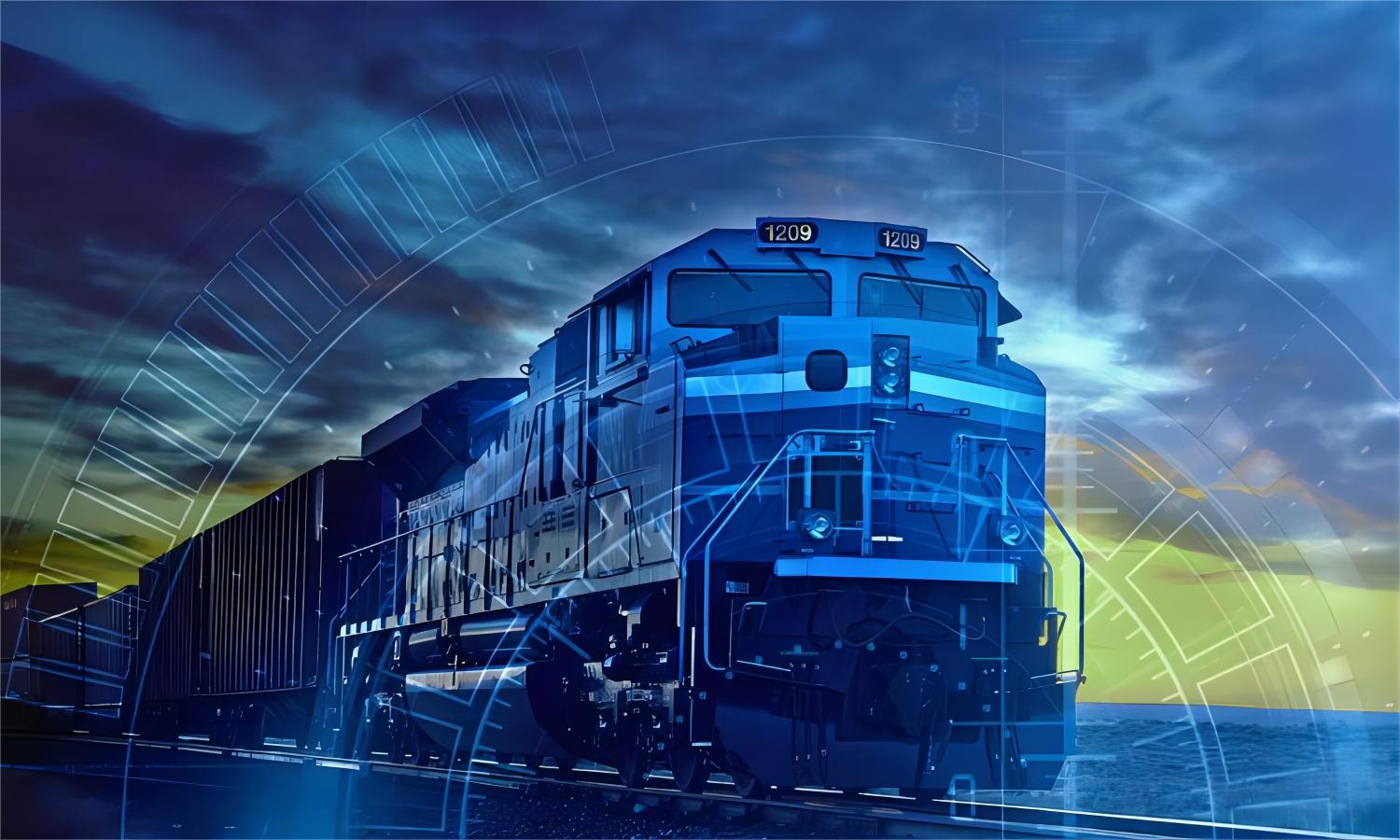
The typical sea transit time for a 20GP FCL from major Chinese ports, including Shanghai, Ningbo, or Shenzhen, to Spanish ports like Valencia or Barcelona generally ranges from 28 to 35 days. However, this duration can vary considerably based on the specific shipping carrier, the vessel’s sailing schedule, and the chosen route. Direct services, while sometimes pricier, usually offer the quickest journey for your valuable cargo.
Opting for a direct route minimizes transshipment points, thereby reducing potential delays and instances of cargo handling, which is beneficial for maintaining product integrity. Conversely, transshipment routes, often involving stops at major hubs like Singapore or Port Klang, can add an additional 5-7 days to the overall journey. For optimizing your delivery schedules and ensuring timely arrival of your toy imports, carefully consider your sea freight planning.
Factors such as weather conditions, port efficiency, and customs clearance procedures also play a role in the total transit time. Therefore, it is always advisable to build in a buffer for unexpected delays when setting your delivery schedule, especially during volatile periods. Effective communication with your freight forwarder is paramount to staying informed about your cargo’s progress and any potential disruptions.
Understanding Customs, Duties, and Documentation for Toy Imports into Spain
Importing toys into Spain, as a member state of the European Union, necessitates strict adherence to comprehensive EU regulations. All toy products must rigorously comply with the EU Toy Safety Directive (2009/48/EC), which includes mandatory CE marking requirements to indicate conformity with health, safety, and environmental protection standards. Furthermore, accurate classification using the Harmonized System (HS) codes is absolutely crucial for correctly determining the applicable import duties and taxes.
Essential documentation for customs clearance includes a precise commercial invoice, a detailed packing list, the original bill of lading, and the manufacturer’s CE Declaration of Conformity. Neglecting any of these critical documents can result in significant customs delays, hefty penalties, or even the seizure of your shipment. Therefore, leveraging expert customs brokerage services is highly recommended to ensure full compliance and facilitate a smooth, efficient clearance process at the Spanish border.
Beyond duties, importers must also account for VAT (Value Added Tax), which is applied upon import into Spain. The specific rate of VAT depends on the product category and current Spanish tax laws. Proper preparation and submission of all necessary paperwork in advance can significantly expedite the entire import/export process, preventing costly storage charges at the port and ensuring a predictable landed cost for your toys.
How Does 20GP FCL Compare to Other Shipping Options for Toys?
When planning to import toys into Europe, specifically Spain, it is vital to objectively compare FCL sea freight with other viable transportation alternatives. Each method presents unique trade-offs concerning cost, speed, cargo security, and overall suitability for different types of goods and business needs. Understanding these distinctions is fundamental to making the most informed logistics decisions for your toy supply chain.
While sea freight is often the most economical for bulk shipments, other options might be more suitable depending on urgency or specific cargo characteristics. For example, air freight offers unparalleled speed for time-sensitive deliveries, whereas rail freight provides a good balance between cost and speed for certain routes. This comparative analysis helps identify the most efficient solution for your specific operational requirements.
| Shipping Method | Cost Range (20GP Equivalent) | Transit Time (China to Spain) | Best For | Limitations |
|---|---|---|---|---|
| Sea FCL (20GP) | $1,800-2,500 | 28-35 days | Large volumes, cost-sensitive, non-urgent toys | Slowest transit, susceptible to port delays, longer lead times |
| Sea LCL (Less than Container Load) | $50-80/CBM (approx.) | 35-45 days | Smaller volumes (under 15 CBM), flexible inventory | More handling, longer transit due to consolidation, potential for delays |
| Air Freight | $5,000-15,000+ | 5-7 days | Urgent, high-value, small volume, seasonal toys | Very high cost, limited by weight/volume restrictions, higher carbon footprint |
| Rail Freight (China-Europe Express) | $3,000-5,000 | 18-25 days | Time-sensitive, medium-large volumes, landlocked destinations | Less frequent departures, specific rail terminals required, limited network coverage |
Which Option Should You Choose for Your Toy Imports?
Choosing the optimal shipping method largely depends on your supply chain priorities. If budget is your primary concern and you possess a substantial volume of toys (typically over 15 CBM), a 20GP FCL sea freight offers the best cost-per-unit solution. This method is particularly economical for bulk orders and allows for predictable long-term planning, minimizing per-item shipping expenses.
Conversely, if speed is absolutely paramount for your toy delivery schedule, perhaps for new product launches or urgent restocks, air freight is unmatched, despite its significantly higher cost. For businesses seeking a strategic balance between speed and economy, especially for medium-sized shipments, rail freight presents a compelling hybrid solution, offering faster transit than sea at a lower cost than air. Ultimately, the decision hinges on your specific inventory management needs, cargo characteristics, and market demands.
Consider also hybrid solutions. For instance, a sea-air combination might involve shipping by sea to a hub (e.g., Dubai) then by air to Spain, offering a middle-ground for transit time and cost. Furthermore, consolidating multiple smaller orders into a single FCL shipment can drastically improve cost-efficiency compared to numerous LCL shipments, optimizing your overall logistics strategy.

Real-World Case Studies: 20GP FCL Toy Shipments to Spain
To illustrate the practicalities and costs involved, let’s examine a few real-world scenarios for shipping toys via 20GP FCL from China to Spain. These examples provide concrete figures and insights into the diverse challenges and solutions encountered in international logistics. They reflect typical market conditions as of early 2025, offering a realistic perspective for importers.
Case Study 1: Standard Plastic Toys to Valencia
This case highlights a typical shipment of standard plastic action figures originating from a factory in Shenzhen. The client, a medium-sized toy distributor, sought a balance between cost-efficiency and a reasonable transit time for their recurring inventory orders. Their primary goal was to minimize per-unit shipping costs for a high-volume product while maintaining a consistent supply chain.
| Field | Value |
|---|---|
| Route | Shenzhen, China Valencia, Spain |
| Cargo | Plastic Action Figures, 30 CBM, 8,500 kg |
| Container | 20GP FCL |
| Shipping Details | |
| – Carrier/Service | Major carrier (e.g., CMA CGM) |
| – Port of Loading | Shenzhen (Yantian Port) |
| – Port of Discharge | Valencia Port |
| – Route Type | Direct Service |
| Cost Breakdown | |
| – Ocean Freight | $2,150 |
| – Origin Charges (THC, Documentation) | $380 |
| – Destination Charges (THC, Port Fees) | $450 |
| – Customs & Duties (Estimated) | $1,200 |
| – Total Landed Cost | $4,180 |
| Timeline | |
| – Booking to Loading | 5 days |
| – Sea Transit | 30 days |
| – Customs Clearance | 3 days |
| – Total Door-to-Port | 38 days |
| Key Insight | Based on Q3 2024 market rates, securing direct vessel space during the slightly off-peak period was critical for avoiding significant delays and ensuring a competitive 20GP FCL freight rate for toys from China to Spain. |
Case Study 2: Educational Games to Barcelona
An importer specializing in educational board games, sourced from a manufacturer in Ningbo, required reliable shipping to their distribution center in Barcelona. Their paramount priority was minimizing handling throughout the journey to prevent any potential damage to the delicate packaging of their intellectual property-based products, which are often susceptible to rough handling.
| Field | Value |
|---|---|
| Route | Ningbo, China Barcelona, Spain |
| Cargo | Educational Board Games, 28 CBM, 7,800 kg |
| Container | 20GP FCL |
| Shipping Details | |
| – Carrier/Service | COSCO Shipping Lines |
| – Port of Loading | Ningbo-Zhoushan Port |
| – Port of Discharge | Barcelona Port |
| – Route Type | Direct Service |
| Cost Breakdown | |
| – Ocean Freight | $2,050 |
| – Origin Charges (THC, Documentation) | $360 |
| – Destination Charges (THC, Port Fees) | $420 |
| – Customs & Duties (Estimated) | $1,100 |
| – Total Landed Cost | $3,930 |
| Timeline | |
| – Booking to Loading | 4 days |
| – Sea Transit | 32 days |
| – Customs Clearance | 4 days |
| – Total Door-to-Port | 40 days |
| Key Insight | The direct route proved invaluable for ensuring minimal cargo handling, which was absolutely crucial for protecting the fragile product packaging of these specialized educational toys, leading to fewer damage claims and happier customers. |
Case Study 3: Plush Toys with Door-to-Door Service to Madrid
This particular client required a comprehensive door-to-door shipping solution for their plush toys, originating from a factory located near Shenzhen and destined directly for their warehouse in Madrid. This integrated service eliminated the need for them to coordinate local logistics upon arrival, providing maximum convenience and reducing their operational burden.
| Field | Value |
|---|---|
| Route | Shenzhen, China Madrid, Spain |
| Cargo | Plush Toys, 32 CBM, 9,000 kg |
| Container | 20GP FCL |
| Shipping Details | |
| – Carrier/Service | MSC (via Valencia for inland transfer) |
| – Port of Loading | Shenzhen (Shekou Port) |
| – Port of Discharge | Valencia Port (then rail/truck to Madrid) |
| – Route Type | Transshipment via Valencia with inland leg |
| Cost Breakdown | |
| – Ocean Freight | $2,200 |
| – Origin Charges (THC, Documentation) | $400 |
| – Destination Charges (Port to Warehouse) | $750 |
| – Customs & Duties (Estimated) | $1,350 |
| – Total Landed Cost | $4,700 |
| Timeline | |
| – Booking to Loading | 6 days |
| – Sea Transit | 34 days |
| – Customs Clearance | 3 days |
| – Inland Transit (Valencia-Madrid) | 2 days |
| – Total Door-to-Door | 45 days |
| Key Insight | Typical rates as of early 2025 demonstrate the convenience and comprehensive nature of door-to-door service, albeit with slightly higher overall costs and extended transit times due to the integrated inland transportation leg from port to final destination. |

Optimizing Your Logistics for a Better 20GP FCL Freight Rate
Strategic planning is absolutely paramount for securing the most favorable 20GP FCL freight rate for toys from China to Spain. Booking your shipments well in advance, especially by avoiding or planning around peak seasons, can lead to substantial cost savings on ocean freight. Furthermore, actively consolidating multiple smaller orders to maximize your container utilization drastically reduces per-unit shipping expenses, making each shipment more economical and efficient.
Partnering with a knowledgeable and reliable freight forwarder, such as Top China Freight, is also immensely invaluable. They can leverage their network to offer competitive rates, expertly navigate complex customs procedures, and provide crucial insights into current market conditions and logistics trends. Consequently, this strategic partnership streamlines your entire supply chain and significantly mitigates potential risks, ultimately ensuring efficient and timely delivery of your valuable toy imports.
Moreover, consider flexible delivery schedules where possible. Opting for slower, more economical vessels when time allows can save costs compared to expedited services. Also, explore various Incoterms with your supplier to understand where responsibilities and costs shift. For instance, moving from Ex Works (EXW) to Free On Board (FOB) can give you more control over the main freight cost and carrier selection, potentially leading to better rates.
In conclusion, understanding the intricate nuances of the 20GP FCL freight rate for toys from China to Spain is paramount for successful and profitable importing. By diligently considering all influencing factors, from strategic port selection and seasonal variations to comprehensive customs requirements and available shipping alternatives, you can effectively optimize your entire shipping strategy. Partnering with an experienced and reliable freight forwarder ensures a smooth, compliant, and ultimately cost-effective process for your valuable toy shipments, securing your competitive edge in the market.
Start Your Shipment
Ready to secure a competitive 20GP FCL freight rate for toys from China to Spain? Contact our experienced experts today for a personalized quote and seamless shipping solutions tailored to your specific toy import needs. We simplify complex international logistics, allowing you to focus entirely on your business growth and market expansion.
Request Quote