
Reefer FCL Best Route for Machinery from China to Ireland
Shipping valuable machinery from China to Ireland demands meticulous planning, especially when temperature control is critical. Finding the Reefer FCL best route for machinery from China to Ireland is paramount to protecting your investment. This guide will navigate the complexities, offering clear strategies for efficient and secure delivery. For comprehensive freight solutions, explore services at Top China Freight.
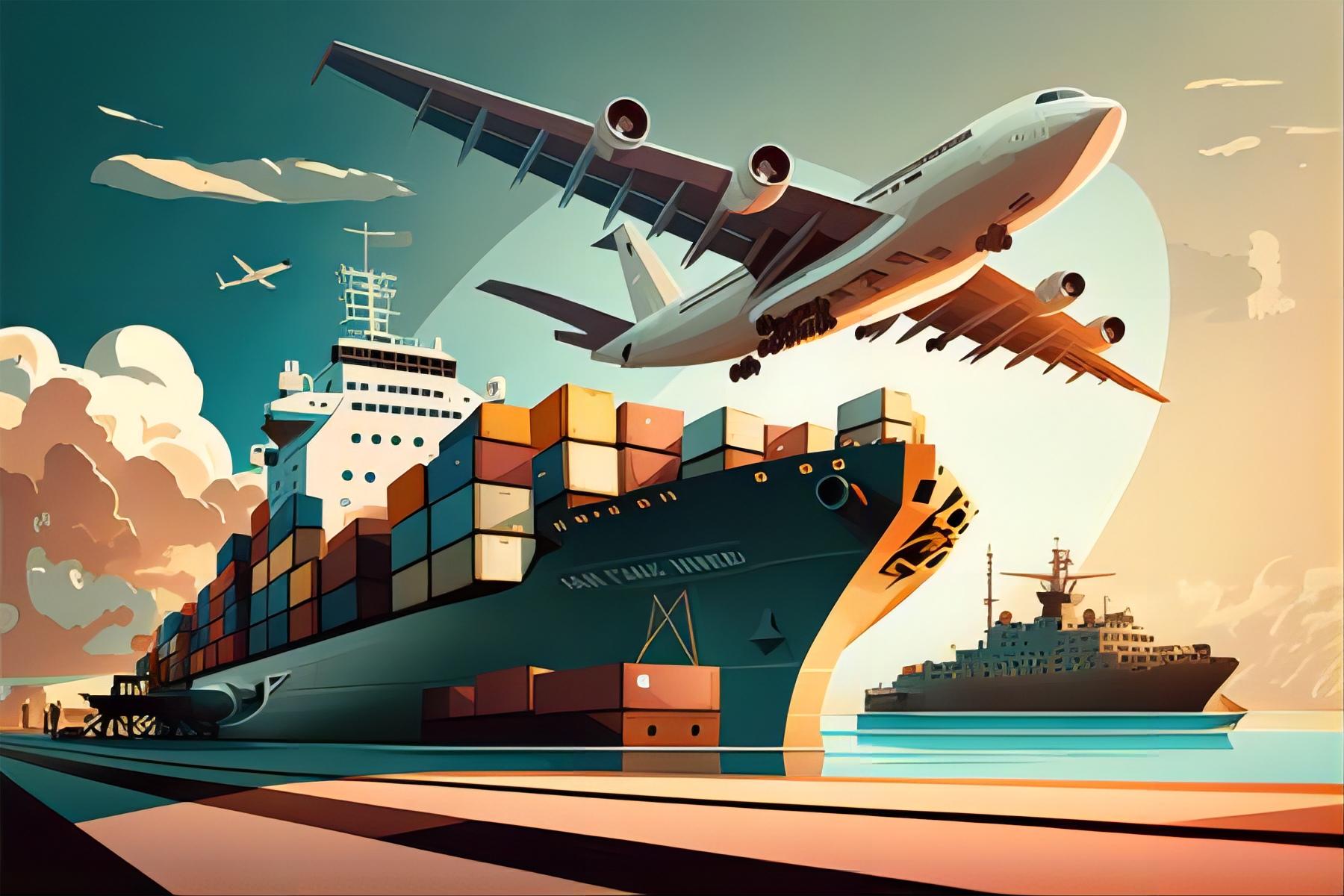
What is Reefer FCL and Why is it Essential for Machinery?
Reefer FCL, or Refrigerated Full Container Load, refers to shipping an entire container dedicated to your cargo, equipped with temperature control. This method is indispensable for machinery sensitive to heat, cold, or humidity fluctuations. Therefore, it provides a stable environment for delicate components.
Furthermore, choosing FCL means your machinery occupies the entire container, minimizing handling and potential damage. This dedicated space ensures optimal protection throughout the journey. Consequently, it is a preferred choice for high-value and critical equipment.
Key Considerations for Shipping Machinery from China to Ireland
Successfully importing machinery requires a deep understanding of various logistical elements. From cargo specifics to regulatory hurdles, each step influences the overall shipping process. Indeed, careful planning is non-negotiable for a smooth operation.
Understanding Your Machinery’s Requirements
Firstly, assess your machinery’s specific needs regarding temperature, humidity, and vibration sensitivity. Some equipment may require a constant temperature range, while others might need active dehumidification. Without a doubt, proper packaging and crating are also vital to withstand transit stresses.
Moreover, communicate these precise requirements to your freight forwarder early in the process. This ensures the correct reefer container and necessary monitoring equipment are arranged. Accordingly, this proactive approach safeguards your investment against environmental damage.
Navigating Customs and Regulations
Importing machinery into Ireland from China involves navigating specific customs procedures and regulations. You must have all necessary documentation, including commercial invoices, packing lists, and certificates of origin. Furthermore, understanding import duties and VAT obligations is crucial for accurate cost estimation.
Therefore, engaging a professional for customs brokerage can significantly streamline this process. They can ensure compliance, prevent delays, and manage all necessary declarations. This expertise helps avoid costly penalties and accelerates clearance at the port of entry.
Choosing the Right Port Pairings
Selecting efficient port pairs in China and Ireland is fundamental to optimizing transit times and costs. Major Chinese ports like Shanghai, Ningbo, and Shenzhen offer extensive services and frequent sailings. In Ireland, Dublin Port and Cork Port are primary entry points.
Additionally, consider the inland logistics from the Irish port to your final destination. Port infrastructure, potential congestion, and onward transport availability all play a role in the overall delivery schedule. Ultimately, a well-chosen port pairing reduces transit duration and enhances supply chain efficiency.
Identifying the Best Reefer FCL Route for Machinery from China to Ireland
Determining the Reefer FCL best route for machinery from China to Ireland involves balancing speed, cost, and reliability. Most routes from China to Ireland involve transshipment through major European hubs. For instance, common transshipment ports include Rotterdam, Hamburg, or Felixstowe.
While direct services might exist, they are less common and often come at a premium. Therefore, understanding the transshipment process and the chosen hub’s efficiency is key. For more information on shipping to the region, visit our Europe shipping page. Consequently, the best route minimizes layovers and ensures seamless container transfer.
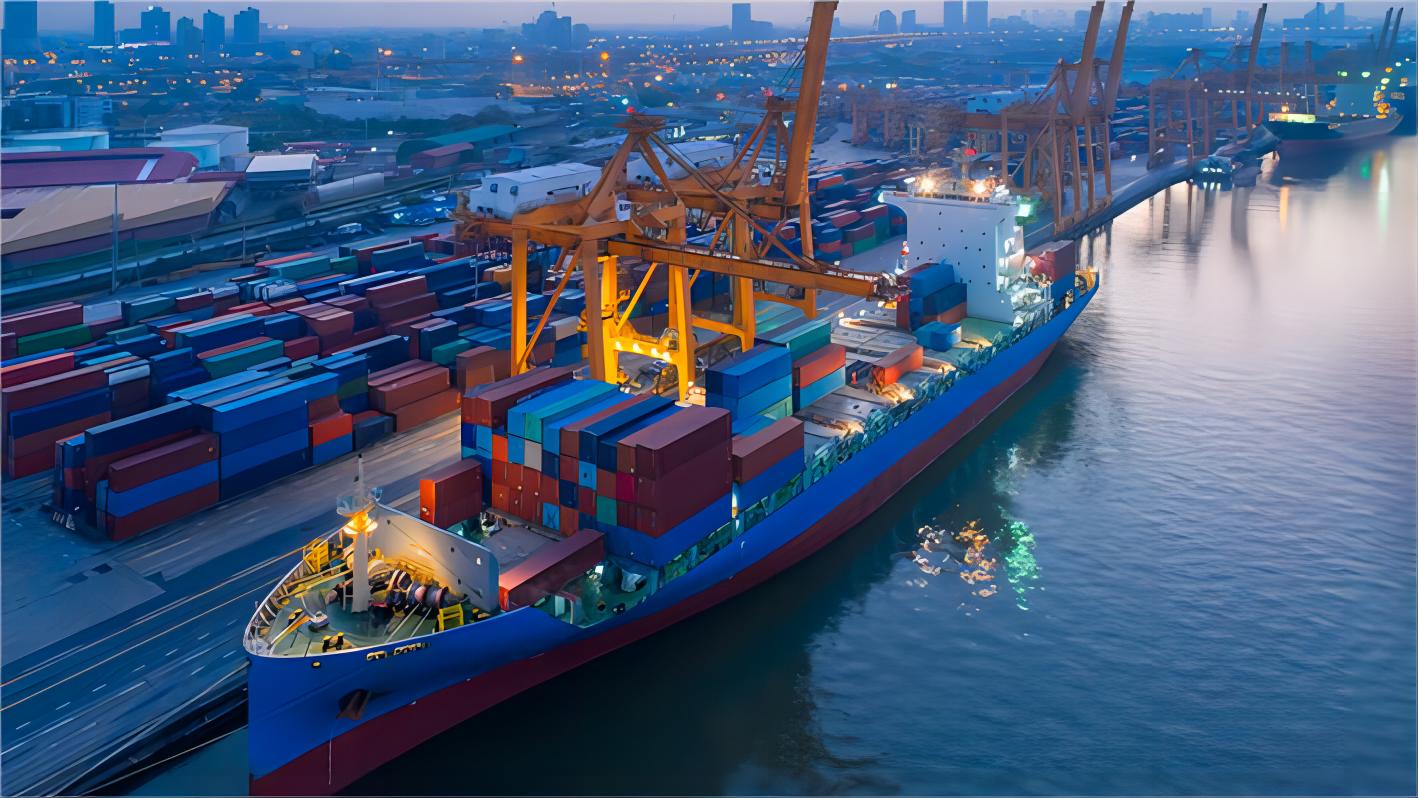
How Does Reefer FCL Compare to Other Shipping Options?
When shipping machinery from China to Ireland, several methods are available, each with distinct advantages and disadvantages. Reefer FCL via sea freight is generally the most cost-effective for large, heavy, and temperature-sensitive cargo. However, other options might suit different priorities.
It is essential to compare these alternatives based on factors like urgency, cargo value, and size. This comparison helps in making an informed decision that aligns with your specific logistics trends and budget. Therefore, a comprehensive understanding of each method is crucial.
| Shipping Method | Cost Range (40HQ) | Transit Time | Best For | Limitations |
|---|---|---|---|---|
| Reefer FCL Sea Freight | $3,500-5,500 | 30-45 days | Large, heavy, temperature-sensitive cargo | Slower transit, potential port congestion |
| Air Freight | $15,000-25,000 | 5-10 days | Urgent, high-value, smaller machinery | Very high cost, size/weight restrictions |
| Rail-Sea Hybrid | $4,500-7,000 | 25-35 days | Faster than pure sea, cost-effective for specific routes | Complex logistics, limited rail network access |
Optimizing Your Supply Chain for Machinery Import
An optimized supply chain ensures that your machinery arrives on time and within budget. This involves more than just selecting a shipping method; it encompasses strategic planning and risk management. Indeed, a holistic approach to logistics is vital for success.
Strategic Planning and Booking
Booking your Reefer FCL shipment well in advance, especially during peak seasons like August to October, can secure better freight rates and container availability. Strategic planning also involves anticipating potential delays and building buffer time into your delivery schedule. For instance, peak season rates can increase by 15-25%.
Consider market conditions: as of Q1 2025, freight rates from China to Europe have stabilized after the 2024 Red Sea disruptions. Nevertheless, staying informed about global logistics trends is essential. Proactive booking and planning can significantly mitigate risks and optimize shipping costs.

Insuring Your Valuable Cargo
Given the high value and sensitive nature of machinery, comprehensive cargo insurance is an absolute necessity. It protects against unforeseen events such as damage, loss, or theft during transit. Although additional cost, it offers invaluable peace of mind.
Discuss insurance options with your freight forwarder to ensure adequate coverage for your specific machinery. This crucial step safeguards your financial investment against potential supply chain disruptions. Therefore, never overlook cargo insurance.
End-to-End Logistics and Door-to-Door Delivery
Opting for an end-to-end logistics solution, including door-to-door service, simplifies the entire import process. This means your freight forwarder handles everything from factory pickup in China to final delivery at your Irish facility. This integrated approach minimizes your administrative burden and coordination efforts.
A reliable partner ensures seamless transitions between various modes of transport and manages all intermediaries. Consequently, this comprehensive service guarantees a more efficient and less stressful shipping experience. It allows you to focus on your core business operations.
Real-World Scenarios: Reefer FCL Machinery Shipments
These case studies illustrate practical applications of Reefer FCL for various types of machinery. They highlight the importance of detailed planning and expert execution in ensuring successful delivery. Each scenario offers insights into common challenges and effective solutions.
Based on Q3 2024 market rates, these examples provide a realistic view of costs and timelines. They demonstrate how careful management of cargo handling and logistics can lead to successful outcomes. Typical rates as of early 2025 are reflected.
Case Study 1: High-Value Medical Device Shipment
This case highlights the precision required for delicate medical devices. Maintaining consistent temperature was paramount throughout transit. The chosen carrier’s robust reefer infrastructure proved essential.
| Detail | Value |
|---|---|
| Route | Shanghai, China -> Dublin, Ireland |
| Cargo | MRI Scanner components, 60 CBM, 12,000 kg |
| Container | 40HQ Reefer |
| Carrier/Service | Maersk |
| Port of Loading | Shanghai |
| Port of Discharge | Dublin (via Rotterdam) |
| Route Type | Transshipment via Rotterdam |
| Ocean Freight | $4,000 |
| Origin Charges | $550 |
| Destination Charges | $650 |
| Customs & Duties (estimated) | $1,200 |
| Total Landed Cost | $6,400 |
| Booking to Loading | 7 days |
| Sea Transit | 35 days |
| Customs Clearance | 3 days |
| Total Door-to-Door | 45 days |
| Key Insight | Reliable carrier with robust reefer infrastructure at transshipment points was crucial for temperature-sensitive medical equipment. |
Case Study 2: Industrial Robotics Components Shipment
This scenario involved precision parts sensitive to humidity. Careful coordination of inland transport and proactive customs clearance were key. The goal was to ensure timely delivery to the manufacturing facility without compromise.
| Detail | Value |
|---|---|
| Route | Shenzhen, China -> Cork, Ireland |
| Cargo | Robotic arms and control units, 28 CBM, 8,000 kg |
| Container | 20GP Reefer |
| Carrier/Service | COSCO |
| Port of Loading | Shenzhen |
| Port of Discharge | Cork (via Felixstowe) |
| Route Type | Transshipment via Felixstowe |
| Ocean Freight | $2,500 |
| Origin Charges | $480 |
| Destination Charges | $580 |
| Customs & Duties (estimated) | $900 |
| Total Landed Cost | $4,460 |
| Booking to Loading | 5 days |
| Sea Transit | 38 days |
| Customs Clearance | 4 days |
| Total Door-to-Door | 47 days |
| Key Insight | Proactive customs clearance and coordinated inland transport ensured timely delivery for humidity-sensitive components. |
Case Study 3: Specialized Manufacturing Equipment Shipment
This case focused on advanced 3D printing machinery, sensitive to both humidity and vibration. Selecting a carrier offering a more direct route was critical. This significantly reduced overall transit time, meeting the client’s strict production schedule.
| Detail | Value |
|---|---|
| Route | Ningbo, China -> Dublin, Ireland |
| Cargo | Advanced 3D printing machinery, 55 CBM, 15,000 kg |
| Container | 40GP Reefer |
| Carrier/Service | MSC |
| Port of Loading | Ningbo |
| Port of Discharge | Dublin |
| Route Type | Direct service (or minimal transshipment) |
| Ocean Freight | $3,800 |
| Origin Charges | $520 |
| Destination Charges | $600 |
| Customs & Duties (estimated) | $1,100 |
| Total Landed Cost | $6,020 |
| Booking to Loading | 6 days |
| Sea Transit | 32 days |
| Customs Clearance | 3 days |
| Total Door-to-Door | 41 days |
| Key Insight | Opting for a direct route significantly shortened transit time, crucial for the client’s production schedule. |
Which Option Should You Choose for Your Machinery Shipment?
The ideal shipping solution depends on your specific priorities and cargo characteristics. There is no one-size-fits-all answer in international logistics. Therefore, consider these key criteria to make the best decision for your Reefer FCL best route for machinery from China to Ireland.
Your choice will directly impact your budget, delivery schedule, and overall supply chain efficiency. Weighing these factors carefully ensures the most suitable and cost-effective shipping method. Ultimately, matching the method to your needs is paramount.
| Priority/Consideration | Recommended Option | Rationale |
|---|---|---|
| Budget Priority | Reefer FCL Sea Freight | Most cost-effective for large volumes; lower freight rates. |
| Speed Priority | Air Freight | Fastest transit for urgent or time-critical deliveries. |
| Cargo Type (Sensitive) | Reefer FCL Sea Freight | Dedicated temperature and humidity control for delicate machinery. |
| Volume Threshold (>15 CBM) | Reefer FCL Sea Freight | Economical for large, full container loads. |
| Hybrid Solution | Sea-Air Combination | Balances cost and speed for certain routes and cargo types. |
Navigating Your Reefer FCL Best Route with Confidence
Selecting the Reefer FCL best route for machinery from China to Ireland is a critical decision impacting your operational efficiency and bottom line. By understanding the nuances of reefer logistics, port selections, and customs procedures, you can ensure a smooth and secure shipment.
Indeed, partnering with an experienced freight forwarder is invaluable for navigating these complexities. They can provide the expertise and support needed to optimize your supply chain. Ultimately, this ensures your valuable machinery arrives safely and on schedule, every time.

Need a tailored shipping solution?
Ready to secure the Reefer FCL best route for machinery from China to Ireland? Our experts at Top China Freight are here to provide tailored solutions and competitive freight rates. Contact us today to discuss your specific shipping needs and receive a personalized quote.