
FCL Shipping for Machinery from China to Seattle
When importing large or heavy machinery from China to Seattle, Full Container Load (FCL) shipping often presents the most efficient and secure solution. This comprehensive guide, brought to you by Top China Freight, thoroughly explores the intricacies of FCL freight, ensuring your valuable equipment reaches its destination without complications. We will delve into costs, transit times, and critical considerations for a seamless import process. Consequently, understanding these elements is crucial for successful international trade and optimized logistics.

Why Choose FCL Shipping for Machinery from China to Seattle?
Opting for Full Container Load (FCL) shipping is paramount for businesses transporting machinery from China to Seattle. This method dedicates an entire container to your cargo, regardless of whether it fully fills the space. Consequently, it offers unparalleled security and direct routing, minimizing handling risks and potential damage. Furthermore, it provides a consistent environment for sensitive equipment during its long journey.
Furthermore, FCL shipping is often the most economical choice for substantial volumes of machinery. It provides a fixed cost per container, which can be more predictable than per-CBM rates found in Less than Container Load (LCL) services. Therefore, for large or high-value items, FCL is undeniably superior, offering better control over your shipping budget. This method is a cornerstone of efficient supply chain management for industrial goods.
Dedicated Space and Enhanced Security
With FCL, your machinery occupies a container exclusively, thus eliminating co-mingling with other shippers’ goods. This significantly reduces the risk of damage, loss, or contamination during transit. Moreover, the container is sealed at the origin and typically remains unopened until it reaches its final destination in Seattle, ensuring maximum security and integrity. This dedicated environment is vital for delicate or expensive equipment.
Additionally, handling is minimized because the container moves as a single unit throughout the journey. This preserves the integrity of your sensitive equipment, preventing potential issues that can arise from frequent loading and unloading at various transshipment points. Ultimately, this dedicated space means peace of mind for valuable machinery, safeguarding your investment from unnecessary risks. It truly simplifies cargo handling.
Cost-Effectiveness for Volume Shipments
For larger machinery or multiple units, FCL shipping generally proves more cost-effective per cubic meter than LCL. Although the upfront cost of an FCL container might seem higher, the unit cost decreases significantly as you fill more of the container. Hence, for volumes exceeding 15-20 CBM, FCL becomes the preferred economic choice, offering superior value. This directly impacts your overall shipping costs.
Moreover, FCL rates are often more stable and predictable, especially when booked in advance and outside of extreme peak seasons. This predictability allows for better budget planning and avoids unexpected surcharges sometimes associated with LCL shipments due to market volatility. Consequently, businesses can better manage their import expenses, improving their overall logistics trends. This financial stability is a key advantage.
Understanding the FCL Shipping Process for Machinery
The journey of machinery from China to Seattle via FCL involves several critical stages, each requiring meticulous attention to detail. Initially, proper planning and comprehensive documentation are absolutely essential to prevent costly delays and potential penalties. Subsequently, effective coordination between suppliers, freight forwarders, and customs agents is vital for smooth execution and compliance. This intricate process underpins successful import/export operations.
Indeed, understanding each step helps importers anticipate challenges, mitigate risks, and ensure a timely delivery schedule. Therefore, partnering with an experienced logistics provider simplifies this complex process considerably, offering expert guidance. This ensures compliance with all regulations and promotes efficiency throughout the entire supply chain, from factory to warehouse. Navigating these steps effectively is crucial for cargo handling.
Key Steps from Booking to Delivery
Firstly, the process begins with selecting the right container size (20GP, 40GP, 40HQ) based on your machinery’s precise dimensions and weight. Subsequently, you’ll book space with a reputable carrier through a trusted freight forwarder, confirming sailing dates and estimated transit times. This initial booking sets the entire logistics chain in motion, impacting the overall delivery schedule.
Next, the empty container is delivered to your supplier’s factory or a designated warehouse for careful loading. After thorough loading, blocking, and securing, the container is transported to the port of loading in China. Following successful origin customs clearance, the container is loaded onto the vessel for its ocean voyage across the Pacific. Upon arrival in Seattle, the container undergoes stringent import customs brokerage procedures, followed by drayage to its final destination. This entire door-to-door service demands precise coordination and expert oversight for machinery shipments.
Essential Documentation Requirements
Accurate and complete documentation is absolutely crucial for FCL machinery shipments, serving as the backbone of international trade compliance. Key documents include the Commercial Invoice, a detailed Packing List, the Bill of Lading (B/L), and potentially a Certificate of Origin, depending on trade agreements. Furthermore, specific types of machinery might require additional permits, licenses, or certifications for legal import into the USA, such as EPA or FDA approvals. This meticulous paperwork ensures smooth cargo handling.
Moreover, importers must provide a Power of Attorney to their chosen customs broker, granting them authority to act on their behalf during the clearance process. Any discrepancies, omissions, or errors in documentation can lead to significant delays, costly demurrage charges, and potential penalties at the port of discharge. Therefore, meticulous preparation and verification of all paperwork are non-negotiable for seamless customs clearance, directly affecting your delivery schedule and overall shipping costs.
How Does FCL Shipping Compare to Other Options?
When planning to import machinery, comparing FCL sea freight with alternative shipping methods is essential for making an informed decision. Each option has distinct advantages and disadvantages concerning cost, speed, and suitability for different cargo types and volumes. Consequently, choosing the right method significantly impacts your logistics trends, budget, and overall project timeline. Understanding these trade-offs is paramount.
Indeed, understanding these comparisons helps businesses make informed decisions that align with their specific budget constraints and urgency requirements. Therefore, let’s objectively analyze FCL against other common shipping solutions for the China to Seattle route. This ensures you select the most optimal transport strategy for your valuable machinery, minimizing both shipping costs and potential delays. This strategic choice is a key aspect of effective supply chain management.
| Shipping Method | Cost Range (approx.) | Transit Time (China to Seattle) | Best For | Limitations |
|---|---|---|---|---|
| FCL Sea Freight | $2,500 – $4,500 (40HQ) | 14-18 days | Large, heavy, non-urgent machinery; cost-effective for volume | Slower than air freight; requires full container usage |
| LCL Sea Freight | $80 – $150 per CBM | 20-30 days | Smaller machinery, parts; low volume shipments (<15 CBM) | More handling, higher damage risk, longer transit, less predictable |
| Air Freight | $5 – $10 per kg (volumetric) | 5-7 days | Urgent, high-value, lightweight machinery/parts | Extremely high cost for heavy/bulky items; limited by cargo size/weight |
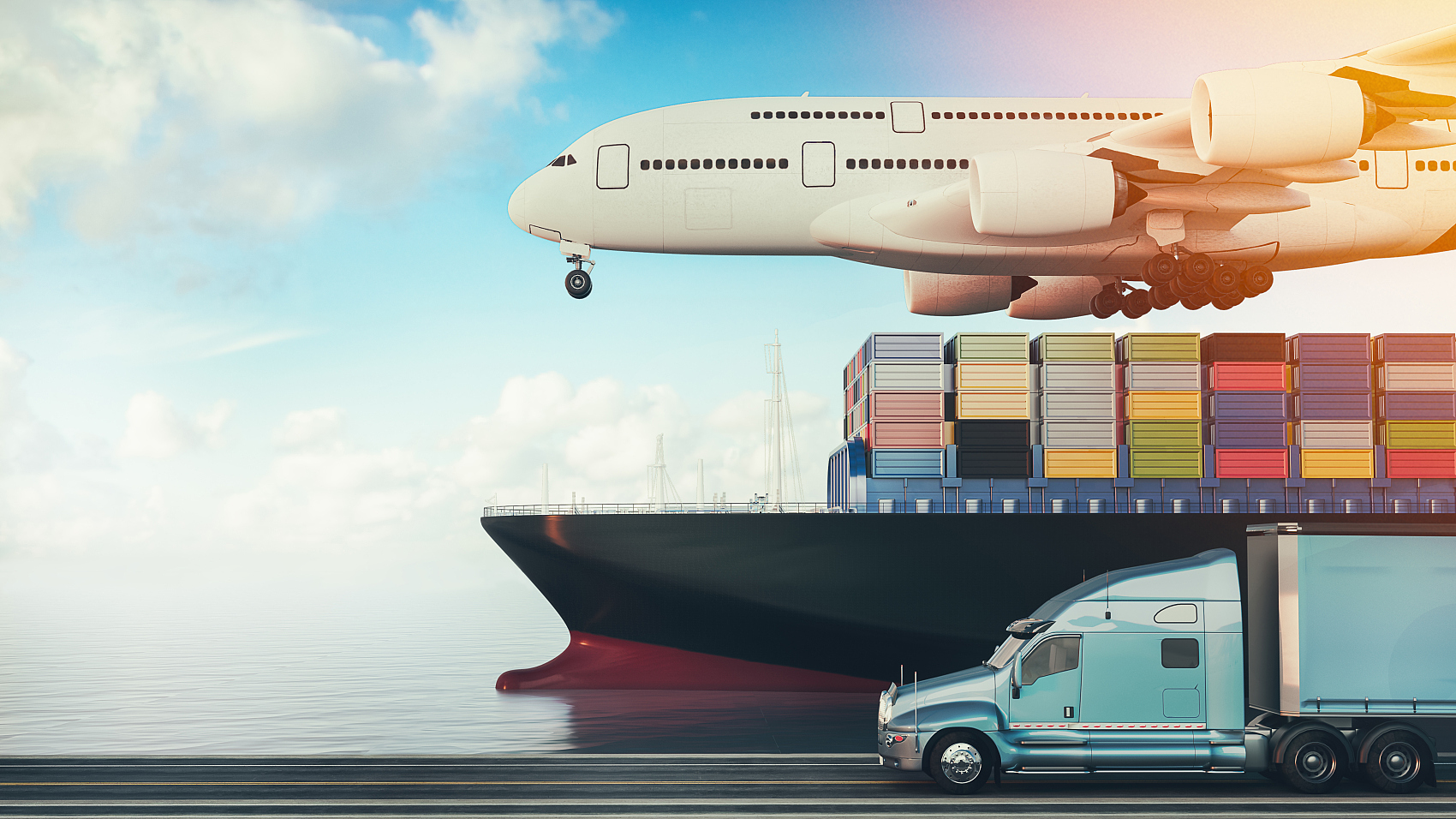
Air Freight vs. FCL Sea Freight
Air freight offers significantly faster transit times, typically ranging from 5-7 days from China to Seattle, making it ideal for extremely urgent shipments. However, it comes at a much higher cost, often ten times or more compared to sea freight, making it impractical for heavy or bulky machinery unless extreme urgency or high-value, critical components are involved. For example, shipping a 5-ton machine by air could cost tens of thousands of dollars, whereas FCL sea freight for the same weight would be a mere fraction of that. This cost disparity is a major factor.
Conversely, FCL sea freight, while considerably slower (14-18 days sea transit to USA West Coast), is substantially more economical for machinery, especially for larger volumes. It is universally recognized as the go-to option for non-time-sensitive, large, or heavy equipment, offering significant savings on shipping costs. Consequently, the trade-off between speed and cost is the primary determinant when choosing between these two methods, directly influencing your delivery schedule and budget. This strategic decision impacts your long-term logistics trends.
LCL vs. FCL for Machinery
Less than Container Load (LCL) shipping involves sharing container space with other shippers’ cargo. This can be a cost-effective solution for smaller machinery, parts, or components, especially for volumes under 15 CBM where an entire container is not justified. However, LCL typically involves more handling at origin and destination, increasing the risk of damage, loss, and potentially longer transit times due to the consolidation and deconsolidation processes at various hubs. These additional touchpoints can be detrimental to sensitive equipment. It also implies more complex cargo handling.
In contrast, FCL provides dedicated space and direct transit, which is ideal for machinery that requires minimal handling, is fragile, or is sensitive to movement. For items exceeding 15 CBM, or for any machinery needing maximum security and a more predictable sea transit, FCL is almost always the better choice, offering superior protection and efficiency. Hence, the volume, fragility, and specific handling requirements of your cargo are key factors here, directly impacting your supply chain security and overall shipping costs. This choice significantly affects your import/export strategy.
Navigating Costs and Transit Times for FCL Shipping to Seattle
Understanding the various components of shipping to North America, specifically for FCL machinery from China to Seattle, is crucial for accurate budgeting and financial planning. Freight rates are dynamic and influenced by numerous factors, including global economic conditions, fuel prices, and carrier capacity. Therefore, obtaining a detailed, all-inclusive quote that outlines all charges is highly recommended before committing. This proactive approach helps manage shipping costs effectively.
Moreover, transit times, while generally predictable for FCL, can also vary due to seasonal demand, unexpected port congestion, and specific carrier routes. Consequently, planning with ample buffer time is a smart strategy for any machinery import, safeguarding against unforeseen delays that could impact your delivery schedule. Let’s examine these critical elements in more detail to provide a comprehensive understanding of your logistics.
Factors Influencing FCL Freight Rates
Several key factors collectively dictate the overall cost of FCL shipping for machinery. Firstly, the container size (20GP, 40GP, 40HQ) is a primary determinant, as larger containers naturally incur higher base rates. Secondly, the specific port of loading in China (e.g., Shanghai, Ningbo, Shenzhen) and the chosen shipping carrier can significantly impact pricing due to varying service levels and route efficiencies. Furthermore, fluctuating fuel surcharges (Bunker Adjustment Factor – BAF), peak season surcharges (typically from August to October), and general rate increases (GRIs) all contribute to the final ocean freight cost. These are crucial elements of freight rates.
Additionally, a comprehensive quote must factor in origin charges, which include terminal handling charges (THC), documentation fees, and drayage to the port in China. Similarly, destination charges in Seattle, such as terminal handling, chassis rental, and local drayage to the final delivery point, must be accounted for. Finally, customs duties and taxes, determined by the machinery’s Harmonized System (HS) code and any applicable trade tariffs, also add to the overall landed cost. As of Q1 2025, freight rates from China to USA West Coast have shown some stabilization after recent global supply chain disruptions, though volatility remains a characteristic of the market. Always seek a current quote.
Typical Transit Times to Seattle
For FCL shipments originating from major Chinese ports (like Shanghai, Ningbo, Shenzhen) and destined for Seattle, the typical sea transit time ranges from 14 to 18 days. This duration primarily depends on the specific carrier’s service, whether it’s a direct route or involves a transshipment point, and prevailing port congestion levels. However, the total door-to-door timeline will naturally be longer, encompassing various stages beyond just the ocean voyage. This is a critical aspect of your delivery schedule.
Indeed, you should realistically account for an additional 7-10 days for pre-shipment preparation at the origin, port loading procedures, rigorous customs clearance in Seattle, and final drayage delivery inland to your facility. Therefore, a realistic total timeline for FCL machinery from China to Seattle, from the time it leaves the factory until it arrives at your door, is usually 21-28 days. Market data suggests slight variations based on specific routes, carrier schedules, and unforeseen supply chain disruptions. Always build in buffer time for unexpected events.
China to Seattle FCL Rates & Transit: An Overview (Early 2025)
Below is an estimated overview of FCL rates and typical transit times for machinery from China to Seattle. These figures are based on current market rates as of early 2025 and are inherently subject to change due to market dynamics. They serve as a general guideline for planning your logistics and understanding potential shipping costs. It is important to note these are estimates.
Note: Freight rates are subject to change based on fuel costs, carrier capacity, and seasonal demand. Contact us for a current quote tailored to your specific shipment. These estimates do not include potential customs duties or inland transportation from Seattle to your final destination, which can significantly impact total landed costs.
| Container Type | Ocean Freight (USD) | Estimated Total Landed Cost (USD) | Sea Transit (Days) | Total Door-to-Door (Days) |
|---|---|---|---|---|
| 20GP | $1,600 – $2,300 | $3,800 – $5,000 | 14-18 | 21-28 |
| 40GP | $2,600 – $3,600 | $4,800 – $6,500 | 14-18 | 21-28 |
| 40HQ | $2,900 – $3,900 | $5,200 – $7,000 | 14-18 | 21-28 |
Critical Considerations for Machinery Shipments
Shipping machinery, especially heavy, oversized, or sensitive equipment, presents unique challenges that demand specialized attention and meticulous planning. Consequently, overlooking these critical details can lead to significant delays, costly damages, or unexpected expenses, directly impacting your project budget. Therefore, careful planning and flawless execution are paramount for successful FCL shipping for machinery from China to Seattle. This ensures the integrity of your valuable assets.
Indeed, proper preparation at every stage, from the factory floor to the final delivery site, is absolutely essential. This includes understanding specialized packaging requirements, employing secure loading techniques, and navigating the complex nuances of customs clearance and regulatory compliance. Let’s explore these vital considerations in detail to safeguard your investment and ensure a smooth import/export operation. Effective cargo handling is key.
Proper Packaging and Loading Techniques
Machinery often requires specialized and robust packaging to withstand the rigors of ocean transit, including vibrations, humidity, and potential impacts. This may involve custom crating using heat-treated wood, robust shrink-wrapping, and the application of corrosion inhibitors to protect delicate components. Furthermore, securely lashing and bracing the machinery within the container is critically important. Professional blocking and bracing techniques prevent any shifting, tilting, or potential damage during the vessel’s movement, safeguarding the cargo’s integrity. These steps are vital for successful cargo handling.
Moreover, the weight distribution inside the container must be meticulously calculated and evenly balanced to ensure the container’s stability during transit and handling. Overlooking these details can result in cargo damage, container imbalance issues, or even potential safety hazards during lifting operations. Thus, engaging experienced loaders who specialize in heavy machinery and understand international shipping standards is highly advisable for all machinery shipments. Proper preparation minimizes risks and optimizes shipping costs.
Navigating Customs Clearance in Seattle
Upon the container’s arrival at the Port of Seattle, your imported machinery must undergo stringent US Customs and Border Protection (CBP) clearance procedures. This critical step involves submitting accurate and complete documentation, paying all applicable duties and taxes, and ensuring full compliance with all relevant US import regulations. Any discrepancies, errors, or omissions in the paperwork can lead to extensive inspections, significant delays, and costly demurrage or storage fees. This directly impacts your delivery schedule.
Additionally, certain types of machinery, particularly those with engines or electronic components, may be subject to specific regulations from other governmental agencies, such as the Environmental Protection Agency (EPA) for emissions or the Department of Transportation (DOT) for safety standards. Therefore, working closely with a knowledgeable and experienced customs broker is indispensable. They can ensure all regulatory requirements are met, expedite the clearance process, and provide expert advice on classification and valuation. Timely submission of the Importer Security Filing (ISF) at least 24 hours before loading is also a critical, mandatory step in the process, preventing penalties. This expertise is vital for seamless import/export.
Real-World FCL Machinery Shipping Cases
To illustrate the practicalities of FCL shipping for machinery from China to Seattle, let’s examine a few typical scenarios. These case studies highlight the diverse nature of machinery imports and the considerations involved in each. Consequently, they offer valuable insights into real-world logistics trends and challenges. Each example reflects typical rates and transit times as of early 2025.
Case Study 1: Large Industrial Press
This case involved a manufacturing company importing a heavy industrial press for their new production line. Precision and secure handling were paramount for this valuable piece of equipment.
| Detail | Value |
|---|---|
| Route | Shanghai, China -> Seattle, USA |
| Cargo | Industrial Hydraulic Press, 25 CBM, 15,000 kg |
| Container | 1 x 40GP |
| Shipping Details | Carrier/Service: COSCO, Port of Loading: Shanghai, Port of Discharge: Seattle, Route Type: Direct |
| Cost Breakdown | Ocean Freight: $3,200; Origin Charges (THC, documentation): $450; Destination Charges: $600; Customs & Duties (estimated): $850; Total Landed Cost: $5,100 |
| Timeline | Booking to Loading: 5 days; Sea Transit: 16 days; Customs Clearance: 3 days; Total Door-to-Door: 24 days |
| Key Insight | Careful planning for oversized cargo dimensions and weight distribution within the container was crucial. The direct service ensured minimal handling, safeguarding the delicate components. |
Case Study 2: Construction Equipment Fleet
A construction firm needed to import several pieces of compact construction equipment to expand their fleet. The challenge was optimizing space and ensuring all items arrived together without damage.
| Detail | Value |
|---|---|
| Route | Ningbo, China -> Seattle, USA |
| Cargo | 2 Mini Excavators, 1 Skid Steer Loader, 40 CBM, 18,000 kg |
| Container | 1 x 40HQ |
| Shipping Details | Carrier/Service: Maersk, Port of Loading: Ningbo, Port of Discharge: Seattle, Route Type: Direct |
| Cost Breakdown | Ocean Freight: $3,700; Origin Charges (THC, documentation): $500; Destination Charges: $650; Customs & Duties (estimated): $1,100; Total Landed Cost: $5,950 |
| Timeline | Booking to Loading: 7 days; Sea Transit: 17 days; Customs Clearance: 4 days; Total Door-to-Door: 28 days |
| Key Insight | Strategic loading and lashing of multiple units maximized container utilization. Pre-clearance of customs documents significantly reduced port dwell time and improved the delivery schedule. |
Case Study 3: Multiple CNC Machines
A precision machining shop imported three specialized CNC machines, requiring careful handling and secure transport to avoid damage to sensitive components and electronics.
| Detail | Value |
|---|---|
| Route | Shenzhen, China -> Seattle, USA |
| Cargo | 3 CNC Milling Machines, 30 CBM, 12,000 kg |
| Container | 1 x 40GP |
| Shipping Details | Carrier/Service: MSC, Port of Loading: Shenzhen, Port of Discharge: Seattle, Route Type: Transshipment via Busan |
| Cost Breakdown | Ocean Freight: $2,900; Origin Charges (THC, documentation): $480; Destination Charges: $620; Customs & Duties (estimated): $950; Total Landed Cost: $4,950 |
| Timeline | Booking to Loading: 6 days; Sea Transit: 20 days; Customs Clearance: 3 days; Total Door-to-Door: 29 days |
| Key Insight | Choosing a transshipment route offered a slightly lower ocean freight cost, but added a few days to the transit. Enhanced crating and internal container securing prevented any transit damage to the delicate electronics, ensuring smooth cargo handling. |
Which Shipping Option Should You Choose?
Deciding on the best shipping method for your machinery from China to Seattle depends on a careful and comprehensive assessment of your priorities. There is no one-size-fits-all solution, as each business has unique operational requirements, budget constraints, and delivery timelines. Consequently, evaluating your specific needs against the available shipping options is absolutely essential for optimizing your logistics and achieving your strategic goals. This decision framework helps clarify the most suitable approach.
Indeed, making an informed choice between FCL sea freight, LCL, or air freight requires weighing various factors. This includes understanding the trade-offs between speed, cost, and cargo security. Therefore, a structured approach to this decision-making process will save both time and money in the long run. Let’s delve into the key criteria that should guide your selection for machinery imports.
Prioritizing Budget and Speed
If budget optimization is your primary concern and you have sufficient lead time, FCL sea freight is almost always the most economical choice for machinery from China to Seattle. It provides the best value per cubic meter for large and heavy equipment, significantly reducing overall shipping costs. However, if speed is absolutely critical, and the machinery is relatively high-value, lightweight, or urgently needed for production, air freight might be justified despite its substantially higher cost. Consider whether a delay directly impacts your production schedule or project timeline significantly, warranting the premium for speed.
For instance, a critical spare part for an operational machine might warrant air freight due to the potential cost of downtime, while a new, non-urgent production line machine can comfortably travel by sea. Hybrid solutions, though less common for machinery, could involve air freighting critical, small components and sea freighting the main, heavier unit. This approach strategically balances urgency with cost-efficiency, optimizing your logistics trends. Always weigh the cost of freight against the cost of delay.
Cargo Characteristics and Volume
The physical characteristics of your machinery play a paramount role in determining the most suitable shipping method. Oversized or extremely heavy items are typically restricted to sea freight due to the inherent size and weight limitations of air cargo. Furthermore, sensitive or fragile machinery requiring minimal handling benefits immensely from the dedicated space and reduced touchpoints offered by FCL, which mitigates damage risks. For cargo volumes exceeding approximately 15 CBM, FCL generally becomes more cost-effective and secure than LCL. This ensures optimal cargo handling.
Conversely, if you are shipping small, durable parts, tools, or components that clearly do not fill a container, LCL might be a sufficient and more economical option. However, for any substantial piece of machinery, the enhanced security, directness, and predictability of FCL are often indispensable. Therefore, thoroughly assess the dimensions, weight, fragility, and quantity of your cargo carefully before making a final decision. This due diligence ensures your import/export strategy aligns with your machinery’s specific needs and protects your investment.
Partnering with a Reliable Freight Forwarder
Navigating the inherent complexities of FCL shipping for machinery from China to Seattle requires not only expertise but also a robust and established global network. Consequently, partnering with an experienced and reputable freight forwarder is not merely a convenience, but rather a strategic necessity for businesses engaged in international trade. They act as your single point of contact, meticulously managing the entire supply chain from origin to destination. This partnership ensures smooth cargo handling and peace of mind.
A reputable freight forwarder possesses deep understanding of international regulations, intricate customs procedures, and optimal carrier selection. They can effectively secure competitive freight rates, optimize transit times, and provide real-time tracking updates, keeping you informed at every stage. Ultimately, their invaluable insights into global logistics trends and volatile market conditions prove indispensable for efficient import/export operations. This comprehensive support allows you to confidently focus on your core business operations, rather than logistics headaches.
Benefits of Professional Logistics Management
Engaging a professional freight forwarder offers numerous tangible benefits for machinery imports. They streamline complex documentation processes, proactively mitigate potential risks, and expertly handle unforeseen challenges like sudden port congestion, carrier schedule changes, or unexpected customs inspections. Moreover, they can offer invaluable advice on specialized packaging, cargo insurance, and regulatory compliance, ensuring your valuable machinery arrives safely and precisely on schedule. This specialized expertise is absolutely critical for high-value and sensitive assets. It significantly enhances your delivery schedule reliability.
Additionally, a good forwarder provides unparalleled transparency in both pricing and communication, building trust and clarity throughout the shipping process. They offer tailored logistics solutions, whether it’s a standard FCL shipment, a complex project cargo requiring specialized heavy lift equipment, or even hybrid transport options. Without a doubt, their role is integral to successful international trade, ensuring efficient cargo handling and a seamless supply chain experience for all your FCL shipping for machinery from China to Seattle needs. They are your strategic partner in global commerce.
Seamless FCL Shipping for Your Machinery to Seattle
Effectively importing machinery from China to Seattle via FCL shipping demands careful planning, a clear understanding of the intricate process, and most importantly, a reliable logistics partner. Moreover, by diligently considering crucial factors like cargo volume, urgency of delivery, and budgetary constraints, businesses can make informed, strategic decisions. This ultimately ensures secure, compliant, and cost-efficient transport of their valuable equipment. It’s a key component of successful import/export.
Indeed, from securing dedicated container space to expertly navigating complex customs procedures and optimizing freight rates, FCL offers significant advantages for machinery imports. By leveraging professional freight forwarding services, companies can confidently manage their global supply chain with assurance. This ensures their valuable equipment arrives safely, on time, and within budget, making FCL shipping for machinery from China to Seattle a strategic and indispensable choice for sustained business growth and operational excellence.
Ready to streamline your logistics?
Ready to streamline your FCL shipping for machinery from China to Seattle? Contact Top China Freight today for a personalized quote and expert guidance. Our team is dedicated to providing efficient, secure, and cost-effective logistics solutions tailored to your unique requirements. Let us simplify your international machinery imports.
Request Quote