
Preventing 40HQ FCL Detention: China Electronics to New Jersey
“Importing electronics from China to New Jersey via 40HQ FCL Top China Freight offers significant advantages, yet the specter of detention charges looms large. These unforeseen costs can erode profit margins and disrupt carefully planned supply chains. Understanding and mitigating these risks is crucial for maintaining efficient operations and financial stability.”
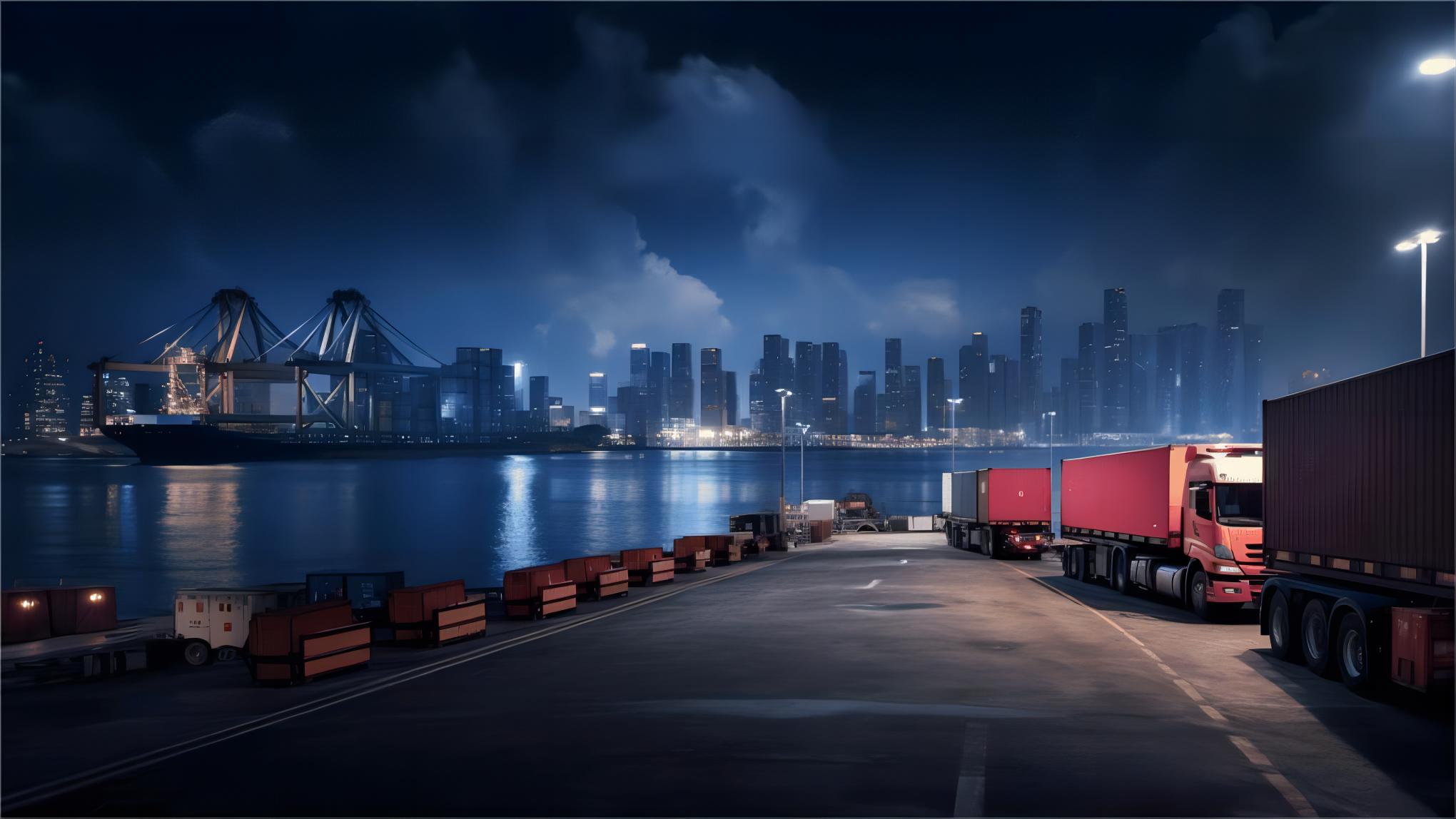
Understanding 40HQ FCL Detention for Electronics Shipments
❖First, it is essential to define what 40HQ FCL detention truly entails. Detention refers to charges levied by the shipping line when the consignee holds their container outside the port or terminal beyond the allotted free time. Demurrage, conversely, applies when the container remains inside the terminal past its free period. Both can significantly inflate your overall sea freight costs for electronics.
Electronics, moreover, present unique challenges due to their high value and rapid obsolescence. Extended delays resulting from detention can lead to lost sales opportunities, increased inventory holding costs, and potential damage risks. Therefore, diligent planning for door-to-door services is paramount to ensure smooth delivery to New Jersey.
Why Electronics are Particularly Vulnerable to Detention
Electronics cargo, by its very nature, demands expedited handling and precise delivery schedules. Unlike general cargo, electronics often have short product lifecycles and tight market release windows. Consequently, any delay can render products less competitive or even obsolete, impacting revenue and customer satisfaction.
Furthermore, strict import regulations and specific handling requirements for sensitive electronic components can inadvertently contribute to delays. Proper customs brokerage is vital to navigate these complexities effectively. This highlights the need for robust detention prevention strategies from China to New Jersey.
Key Causes of 40HQ FCL Detention on the China to New Jersey Route
❖Several factors commonly contribute to FCL detention charges when shipping electronics from China to New Jersey. Identifying these root causes is the first step towards implementing effective prevention measures. These often relate to port operations, documentation, and communication breakdowns within the supply chain.
Understanding these potential pitfalls allows importers to develop proactive strategies. Consequently, this minimizes the risk of incurring costly penalties and ensures a more predictable Amazon FBA services or direct-to-consumer supply chain.
Customs Delays and Documentation Errors
Inaccurate or incomplete customs documentation is a primary culprit for delays. Missing permits, incorrect Harmonized System (HS) codes, or discrepancies between commercial invoices and packing lists can halt a shipment indefinitely. The US Customs and Border Protection (CBP) rigorously inspects electronics imports, increasing scrutiny.
Additionally, new or evolving import regulations for electronics can catch unprepared importers off guard. Staying updated on compliance requirements is critical to avoid lengthy reviews and subsequent detention charges. This often requires expert knowledge of both Chinese export and US import procedures.
Port Congestion and Chassis Shortages
The Port of New York and New Jersey, a major gateway for goods, can experience significant congestion. High import volumes, labor shortages, or adverse weather conditions frequently lead to delays in vessel unloading and container retrieval. This directly impacts the free time available for container pickup.
Moreover, a persistent issue in many US ports, including New Jersey, is the chassis shortage. Without an available chassis, even a cleared container cannot be moved from the port, leading to unavoidable demurrage. Planning for air freight alternatives or pre-booking chassis can mitigate this risk.
Unforeseen Supply Chain Disruptions
Global events, such as pandemics, geopolitical tensions, or natural disasters, can significantly disrupt international shipping. These disruptions often lead to sudden port closures, rerouting of vessels, or severe backlogs. Such events are largely unpredictable but require robust contingency planning.
Furthermore, issues at the origin, like factory production delays or last-minute changes in shipping schedules, can cascade into problems at the destination. Effective communication and real-time tracking are essential to manage these unexpected challenges and implement alternative solutions promptly.
Proactive Strategies for 40HQ FCL Detention Prevention
❖Implementing a comprehensive strategy is key to preventing 40HQ FCL detention charges for electronics from China to New Jersey. These strategies involve meticulous planning, robust communication, and leveraging expert knowledge. Proactive measures are always more cost-effective than reacting to incurred penalties.
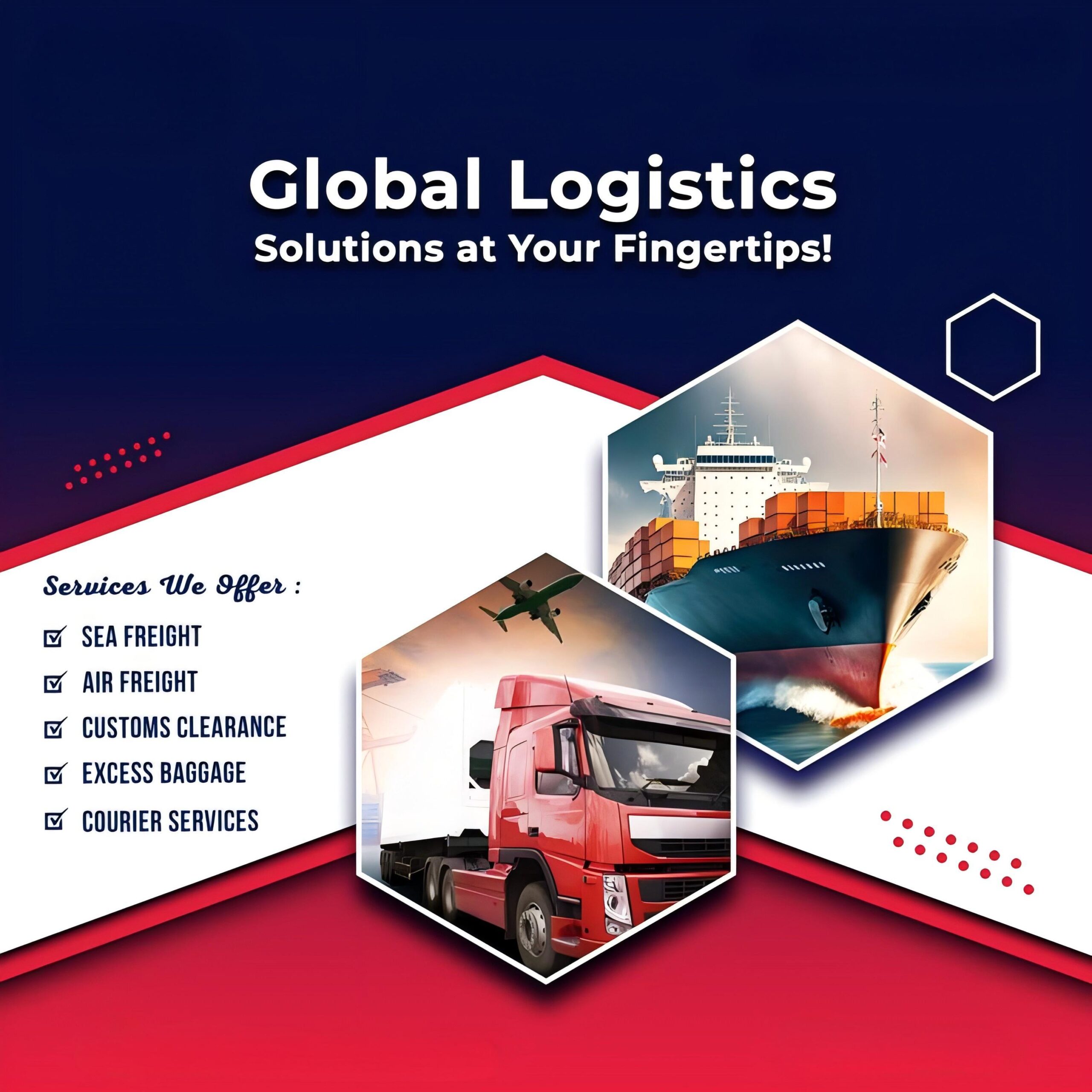
Indeed, focusing on prevention helps maintain predictable shipping costs and transit times. This approach ensures a smoother supply chain, critical for high-value and time-sensitive electronics. Ultimately, it protects profit margins and enhances customer satisfaction.
Accurate Documentation and Compliance
Ensure all shipping documents are meticulously prepared and accurate. This includes the commercial invoice, packing list, bill of lading, and any required certifications for electronics. Double-check HS codes for correctness and ensure they align with product descriptions.
Furthermore, pre-clearance procedures should be explored where possible. Working with a knowledgeable customs broker can significantly streamline this process, identifying potential issues before the vessel even arrives. This minimizes delays at the port of entry in New Jersey.
Optimizing Booking and Scheduling
Strategic booking of vessels and careful scheduling of inland transportation are vital. Book well in advance, especially during peak seasons, to secure favorable rates and reliable vessel space. Coordinate closely with your trucking partners for immediate container pickup upon arrival.
Consider requesting extended free time from shipping lines, particularly for new routes or complex cargo like electronics. While this may incur a small additional fee, it can provide a valuable buffer against unexpected delays and prevent much larger detention charges.
Effective Communication and Visibility
Maintain open and continuous communication with all parties involved in the supply chain: suppliers, freight forwarders, shipping lines, customs brokers, and trucking companies. Regular updates on vessel status, estimated arrival times, and customs clearance progress are crucial.
Leverage technology for real-time tracking and visibility of your 40HQ FCL shipment. Many freight forwarders offer platforms that provide live updates, allowing you to anticipate and respond to potential delays proactively. This enhanced visibility is a cornerstone of modern logistics trends.
How Does Sea Freight Compare to Other Shipping Options?
❖While 40HQ FCL sea freight is often the most cost-effective solution for large volumes of electronics, it is not the only option. Understanding alternatives and their trade-offs is crucial for optimizing your supply chain strategy. Different scenarios call for different approaches, balancing speed, cost, and cargo handling requirements.
Consider the unique characteristics of your electronics cargo, such as urgency, value, and fragility. This will help determine if sea freight remains the best choice or if a hybrid or alternative method might be more suitable for certain shipments. Each option has distinct advantages and limitations.
Shipping Method Comparison for China to New Jersey
The table below provides a comprehensive comparison of various shipping methods. This helps in understanding the cost implications and transit times for each. Consequently, you can make informed decisions tailored to your specific import needs for electronics.
Note: Freight rates are subject to change based on fuel costs, carrier capacity, and seasonal demand. Contact us for a current quote tailored to your specific shipment.
| Shipping Method | Cost Range (40HQ equivalent) | Transit Time | Best For | Limitations |
|---|---|---|---|---|
| 40HQ FCL Sea Freight | $4,500-$6,000 | 30-35 days | Large volume, non-urgent, cost-sensitive electronics | Slowest, port congestion risk, detention charges |
| LCL Sea Freight | $80-$150/CBM | 35-45 days | Smaller volumes (under 15 CBM), less urgent, cost-effective | Slower than FCL, potential for more handling, minimum charges |
| Air Freight | $5-$10/kg | 5-7 days | High-value, urgent, time-sensitive electronics, prototypes | Most expensive, volume/weight restrictions, higher carbon footprint |
| Sea-Air (Hybrid) | $3-$6/kg | 15-20 days | Moderately urgent, mid-value electronics, balancing cost/speed | More complex logistics, multiple transfers, limited routes |
Which Option Should You Choose?
**Budget Priority:** If minimizing shipping costs is your primary concern, 40HQ FCL sea freight is typically the most economical for large volumes. For smaller shipments, LCL sea freight offers a cost-effective alternative, albeit with longer transit times.
**Speed Priority:** For urgent electronics shipments, such as new product launches or critical components, air freight is the undisputed champion. Sea-air hybrid solutions provide a good middle ground for moderately time-sensitive cargo, balancing speed with reduced cost compared to pure air.
**Cargo Type Considerations:** Fragile or high-value electronics benefit from dedicated FCL containers, which reduce handling and potential damage. For extremely sensitive items, air freight offers faster transit, minimizing exposure time. Consider specialized packaging regardless of method.
**Volume Thresholds:** For shipments exceeding 15-20 CBM, a 40HQ FCL becomes more cost-effective than LCL. Conversely, for volumes under 10 CBM, LCL or even air freight might be more suitable, depending on urgency and value. Always assess your total landed cost.
Navigating New Jersey Port Operations for Electronics Imports
❖The Port of New York and New Jersey is a critical hub for international trade, especially for goods destined for the East Coast. Understanding its specific operational nuances can greatly aid in detention prevention for your electronics shipments. Efficient planning around port processes is non-negotiable.
Moreover, effective coordination with local logistics partners is essential. This ensures a seamless transition from port to final destination. Factors like drayage, warehousing, and last-mile delivery all play a significant role in avoiding costly delays and charges.
Port of New York and New Jersey Specifics
This port complex, one of the busiest in North America, handles a massive volume of cargo. Consequently, it is prone to congestion, especially during peak seasons or unforeseen disruptions. Staying informed about port conditions and potential delays is crucial for timely planning.
Furthermore, the port operates with specific gate hours and appointment systems for container pickup. Missing these windows can result in rollovers and additional charges. Pre-booking drayage appointments and having flexible pickup schedules are recommended strategies.
Inland Transportation and Warehousing
Once cleared from the port, efficient inland transportation is vital for electronics destined for distribution centers or retail outlets in New Jersey and surrounding areas. The availability of chassis and trucking capacity directly impacts the speed of container evacuation.
Consider pre-arranging warehousing solutions near the port if immediate onward shipment is not feasible. This can provide a buffer against unexpected delays and allow for efficient inventory management. Adequate planning for warehousing can prevent detention charges by ensuring prompt container return.
Real-World Success: Case Studies in Detention Prevention
❖Examining real-world scenarios provides valuable insights into effective detention prevention strategies. These case studies highlight common challenges and demonstrate how proactive measures can lead to successful outcomes. Each example focuses on electronics shipments from China to New Jersey, illustrating practical application.
Based on current market rates and typical operational flows, these examples showcase how careful planning mitigates risks. They emphasize the importance of a well-coordinated supply chain for high-value electronics. These insights are crucial for importers aiming for efficiency.
Case Study 1: High-Value Consumer Electronics
| Detail | Description |
|---|---|
| Route | Shanghai, China to Elizabeth, New Jersey, USA |
| Cargo | Smartphones & Accessories, 65 CBM, 15,000 kg |
| Container | 1 x 40HQ FCL |
| Carrier/Service | COSCO, Direct Service |
| Port of Loading | Shanghai |
| Port of Discharge | Port Newark, NJ |
| Route Type | Direct |
| Ocean Freight | $5,200 (Q3 2024 market rates) |
| Origin Charges | $450 |
| Destination Charges | $680 (including drayage and chassis rental) |
| Customs & Duties (estimated) | $1,800 |
| Total Landed Cost | $8,130 |
| Booking to Loading | 7 days |
| Sea Transit | 32 days |
| Customs Clearance | 2 days (pre-filed ISF and documents) |
| Total Door-to-Door | 36 days (including 1 day for warehouse delivery) |
| Key Insight | Early booking, pre-cleared customs documentation, and pre-arranged drayage avoided detention. Consignee had 3 days free time, container returned on day 2. |

Case Study 2: Electronic Components for Manufacturing
| Detail | Description |
|---|---|
| Route | Ningbo, China to Newark, New Jersey, USA |
| Cargo | Circuit Boards & Microchips, 58 CBM, 12,000 kg |
| Container | 1 x 40HQ FCL |
| Carrier/Service | MSC, Transshipment via Busan |
| Port of Loading | Ningbo |
| Port of Discharge | Port Elizabeth, NJ |
| Route Type | Transshipment via Busan, South Korea |
| Ocean Freight | $4,800 (Typical rates as of early 2025) |
| Origin Charges | $420 |
| Destination Charges | $710 (including chassis and drayage) |
| Customs & Duties (estimated) | $1,500 |
| Total Landed Cost | $7,430 |
| Booking to Loading | 10 days |
| Sea Transit | 38 days |
| Customs Clearance | 3 days (due to high volume at port) |
| Total Door-to-Door | 42 days (including 1 day for factory delivery) |
| Key Insight | Despite transshipment and minor customs delay, extended free time (5 days negotiated) and immediate drayage once cleared prevented detention. Proactive communication with carrier was vital. |
Case Study 3: Seasonal Product Launch
| Detail | Description |
|---|---|
| Route | Shenzhen, China to Jersey City, New Jersey, USA |
| Cargo | Smart Home Devices, 60 CBM, 14,000 kg |
| Container | 1 x 40HQ FCL |
| Carrier/Service | Maersk, Direct Service |
| Port of Loading | Shenzhen |
| Port of Discharge | Port Newark, NJ |
| Route Type | Direct |
| Ocean Freight | $5,500 (Q4 2024 peak season rates) |
| Origin Charges | $480 |
| Destination Charges | $750 (including drayage to Amazon FBA warehouse) |
| Customs & Duties (estimated) | $2,000 |
| Total Landed Cost | $8,730 |
| Booking to Loading | 8 days |
| Sea Transit | 31 days |
| Customs Clearance | 2 days (with pre-approved Amazon FBA entry) |
| Total Door-to-Door | 35 days (including delivery to Amazon FBA) |
| Key Insight | Peak season required earlier booking and a robust contingency plan for drayage. Leveraging an experienced freight forwarder with strong port connections ensured rapid pickup and delivery, avoiding detention entirely. This prevented delays for a critical product launch. |
Partnering for Seamless Logistics from China to New Jersey
❖Choosing the right logistics partner is arguably the most critical decision for successful 40HQ FCL detention prevention for electronics. A reputable freight forwarder acts as your eyes and ears, managing complexities and mitigating risks on your behalf. Their expertise can save significant time and money.
Indeed, a strong partnership ensures that all aspects of the shipping process are handled with precision. From origin to destination, a reliable partner provides the necessary oversight and proactive solutions. This includes navigating customs, coordinating transport, and offering real-time updates.
Benefits of a Reliable Freight Forwarder
An experienced freight forwarder offers invaluable expertise in international shipping regulations, especially for electronics. They can help with proper documentation, customs compliance, and optimizing routes. This specialized knowledge directly contributes to avoiding detention charges.
Furthermore, a good freight forwarder has established relationships with carriers, ports, and trucking companies. These connections can be crucial during peak seasons or unexpected disruptions, ensuring your cargo receives priority handling and swift resolution of issues.
Our Expertise in Electronics Logistics
At Top China Freight, we specialize in comprehensive sea freight solutions tailored for electronics. Our team understands the nuances of shipping high-value, sensitive cargo from China to New Jersey. We focus on proactive planning to minimize risks and optimize efficiency.
We provide end-to-end support, including expert customs brokerage to ensure smooth clearance. Our door-to-door services ensure your electronics reach their final destination promptly. For urgent shipments, our air freight options offer speed and reliability. Additionally, we assist with Amazon FBA services, streamlining your e-commerce supply chain.
Conclusion: Master Your Electronics Imports with Proactive Detention Prevention
Effectively managing 40HQ FCL detention prevention for electronics from China to New Jersey is not merely about avoiding fees; it is about building a resilient and efficient supply chain. By understanding the causes of detention and implementing proactive strategies, importers can protect their profit margins and ensure timely delivery.
Indeed, meticulous documentation, strategic scheduling, and transparent communication are paramount. Partnering with an experienced freight forwarder like Top China Freight provides the expertise and resources needed to navigate these complexities successfully. Secure your electronics shipments and eliminate the stress of unforeseen charges.
Ready to streamline your logistics?
Ready to optimize your electronics supply chain and prevent costly detention charges? Contact us today for a personalized consultation and a competitive quote. Let Top China Freight manage your 40HQ FCL detention prevention for electronics from China to New Jersey with expertise and efficiency.
Request Quote