
20GP FCL Shipping Cost for Machinery from China to Belgium
“Navigating the complexities of international freight, especially when shipping heavy machinery, requires precise planning and cost understanding. This guide focuses on the 20GP FCL shipping cost for machinery from China to Belgium, providing essential insights for businesses. We will explore various factors influencing these rates, helping you budget effectively and streamline your supply chain with Top China Freight.”
What is 20GP FCL Shipping for Machinery?
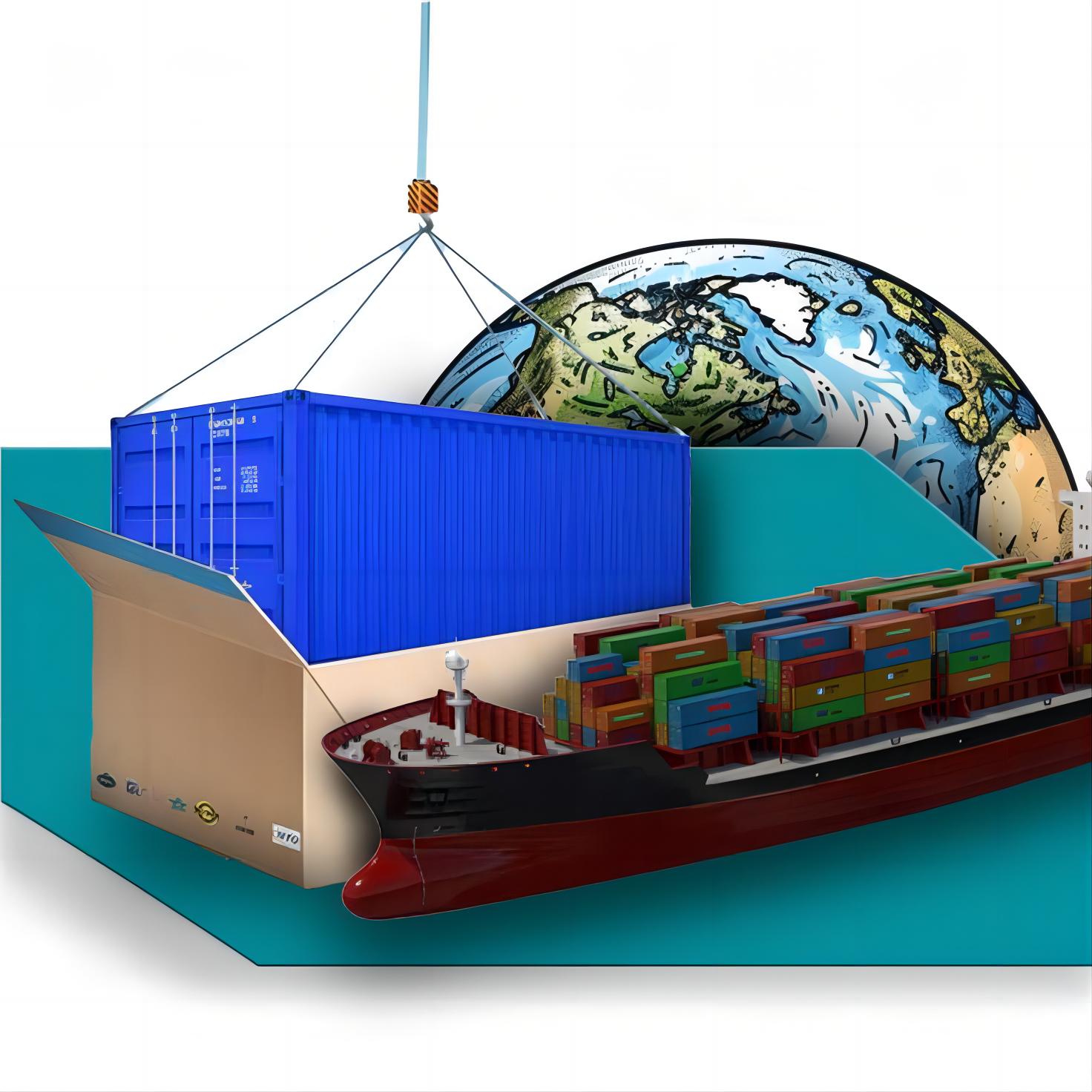
❖A 20GP (General Purpose) container is a standard 20-foot shipping unit, approximately 6.1 meters long, 2.44 meters wide, and 2.59 meters high. It offers a capacity of around 33 CBM (cubic meters) and a maximum payload of roughly 28,000 kg. This container type is frequently utilized for various cargo, including industrial machinery.
FCL, or Full Container Load, signifies that your shipment occupies the entire container, exclusively. Therefore, even if your machinery does not fill the container completely, you retain sole use of the space. This method ensures dedicated transport and reduced handling risks for delicate or high-value equipment.
Furthermore, choosing FCL for machinery from China to Belgium offers significant advantages. It minimizes the risk of damage or contamination from other goods, providing a secure environment for your valuable assets. Consequently, this dedicated space enhances security and simplifies the logistics process for importing industrial equipment from China.
Key Factors Influencing 20GP FCL Shipping Costs
❖Determining the exact 20GP FCL shipping cost for machinery from China to Belgium involves several dynamic components. Understanding these elements is crucial for accurate budgeting and strategic planning. Moreover, market conditions and specific cargo requirements significantly impact the final freight rates.
Firstly, the origin port in China (e.g., Shanghai, Ningbo, Shenzhen) and the destination port in Belgium (e.g., Antwerp, Zeebrugge) play a vital role. Different ports have varying handling fees and connectivity, which can affect overall shipping to Europe. Subsequently, direct routes usually command higher prices but offer faster transit.
Secondly, ocean freight rates constitute a major portion of the cost. These rates fluctuate based on global supply and demand, fuel prices, and carrier capacity. Additionally, various surcharges like BAF (Bunker Adjustment Factor), CAF (Currency Adjustment Factor), and PSS (Peak Season Surcharge) are often added. Market data suggests rates can vary significantly, especially during peak seasons.
Thirdly, local charges at both origin and destination ports contribute substantially. These include Terminal Handling Charges (THC), documentation fees, and security fees. In particular, destination charges in Belgium encompass port fees, customs inspection charges, and potentially drayage if inland transport is required. These are crucial for a complete cost-effective machinery transport plan.
Fourthly, customs duties and taxes in Belgium are mandatory for imported machinery. These charges are calculated based on the machinery’s Harmonized System (HS) code and its declared value. Engaging professional customs brokerage services can help ensure compliance and avoid costly delays. Therefore, accurate classification is paramount for machinery customs clearance procedures.
Finally, insurance costs protect against unforeseen events like damage or loss during transit. While optional, it is highly recommended for high-value machinery. Furthermore, documentation fees for bills of lading, certificates of origin, and other necessary paperwork add to the administrative overhead. Optimizing FCL shipping routes often involves streamlining these processes.
Typical 20GP FCL Shipping Cost Breakdown
❖A comprehensive understanding of the cost components helps in accurately calculating your 20GP FCL shipping cost for machinery from China to Belgium. Below is an illustrative breakdown based on typical rates observed in early 2025. This table provides a general overview, though specific quotes will vary.
Note: Freight rates are subject to change based on fuel costs, carrier capacity, and seasonal demand. Contact us for a current quote tailored to your specific shipment.
| Cost Component | Estimated Range (USD) | Description |
|---|---|---|
| Ocean Freight (20GP) | $1,800 – $2,500 | Base cost for sea transport from China to Belgium ports |
| Origin Charges (THC, Docs) | $350 – $600 | Terminal handling, documentation, and local fees in China |
| Destination Charges (THC, Docs) | $400 – $700 | Terminal handling, documentation, and local fees in Belgium |
| Customs Clearance Fee | $150 – $250 | Fee for customs broker services in Belgium |
| Customs Duties & Taxes | 5% – 15% of value | Based on machinery HS code and declared value (estimated) |
| Cargo Insurance | 0.3% – 0.5% of value | Protection against loss or damage during transit |
| Inland Transport (Belgium) | $300 – $800 | Delivery from port to final destination (drayage) |
Understanding Transit Times from China to Belgium
❖The transit time for 20GP FCL shipping of machinery from China to Belgium typically ranges from 28 to 35 days for direct services. However, this is merely the sea transit duration. Several other factors influence the overall delivery schedule. Consequently, managing expectations for the total logistics journey is vital.
Factors impacting transit time include the specific ports of loading and discharge, carrier service routes, and potential transshipment points. Direct services are faster but often pricier, whereas transshipment via major hubs like Singapore or Dubai can add 5-10 days. Therefore, choosing the right service level affects both speed and cost.
Furthermore, port congestion, adverse weather conditions, and customs clearance procedures can cause unexpected delays. For example, peak seasons (e.g., before Chinese New Year or during Q4) often lead to longer waiting times at ports. Planning ahead and building buffer time into your schedule is always recommended for shipping large machinery overseas.
How Does FCL Sea Freight Compare to Other Shipping Options?
❖While FCL sea freight is a primary choice for machinery, it is beneficial to consider alternative logistics solutions for manufacturing machinery. Comparing different modes helps in making an informed decision based on your specific needs, such as urgency, budget, and cargo characteristics. Each method presents unique trade-offs.
For instance, air freight offers significantly faster transit times but at a much higher cost, suitable for urgent or high-value, smaller machinery components. Rail freight, conversely, provides a balance between speed and cost for specific routes, although its network might be less extensive than sea routes. Understanding these differences is key to optimizing your supply chain.
Below is a comparison table outlining the main differences between sea, rail, and air freight for shipments from China to Belgium. This helps illustrate the varied logistics trends and options available. This comparison should guide your decision-making process for your next import/export operation.
| Shipping Method | Cost Range (20GP Equivalent) | Transit Time (China-Belgium) | Best For | Limitations |
|---|---|---|---|---|
| Sea Freight (FCL) | $1,800 – $2,500 | 28 – 35 days | Heavy, bulky machinery; cost-sensitive shipments | Longest transit time; potential port delays |
| Rail Freight | $3,500 – $6,000 | 18 – 25 days | Mid-size machinery; faster than sea, cheaper than air | Limited network coverage; capacity constraints |
| Air Freight | $12,000 – $20,000+ | 5 – 8 days | Urgent, high-value, smaller machinery components | Highest cost; weight/volume restrictions |

Alternative Shipping Strategies
For machinery imports, businesses can explore several alternative approaches beyond standard FCL sea freight. If your machinery is extremely time-sensitive, a sea-air hybrid solution might be considered. This involves shipping by sea to a hub (e.g., Dubai) and then by air to Belgium, balancing speed and cost. This option is particularly useful for critical components.
Another strategy involves optimizing container utilization. If your machinery doesn’t fully fill a 20GP, but is too large for LCL, consider consolidating with another compatible shipment if possible. Moreover, exploring different port combinations within China and Belgium can sometimes yield better rates or faster transit times. This requires thorough planning and a flexible delivery schedule.
Additionally, for certain types of machinery, especially those originating from inland China, leveraging rail freight to Europe can be a viable alternative. This method often provides faster transit than sea freight and is more environmentally friendly. It’s a growing option for those seeking a middle-ground solution in terms of speed and cost.
Which Option Should You Choose?
Your choice of shipping method largely depends on your priorities and the specific characteristics of your machinery. If budget is your primary concern, FCL sea freight is almost always the most economical option for heavy and bulky machinery. This method offers the lowest per-unit shipping costs, especially for large volumes.
Conversely, if speed is paramount, air freight is the undisputed champion, albeit at a premium price. This is ideal for urgent spare parts, prototypes, or machinery with strict delivery deadlines. Furthermore, rail freight can offer a good balance if you need faster delivery than sea but cannot justify air freight costs.
Consider the cargo type and volume thresholds when making your decision. Very small, lightweight machinery might be suitable for express courier services or LCL. However, for full container load options for industrial equipment, a 20GP FCL provides the best balance of security, cost-efficiency, and capacity. Therefore, carefully evaluate your specific needs.
Real Case Studies: 20GP FCL Machinery Shipments
❖Examining real-world examples helps illustrate the practical aspects of managing 20GP FCL shipping cost for machinery from China to Belgium. These case studies provide insight into typical scenarios, costs, and timelines. They reflect current market conditions as of early 2025.
Case Study 1: Industrial Robot Arm
This case demonstrates a straightforward shipment of a high-value industrial robot. The client prioritized a direct route to minimize transit time, accepting slightly higher ocean freight rates. Careful planning ensured smooth customs clearance and timely delivery, crucial for their production schedule.
| Detail | Value |
|---|---|
| Route | Shanghai, China –> Antwerp, Belgium |
| Cargo | Industrial Robot Arm, 15 CBM, 4,500 kg |
| Container | 20GP FCL |
| Shipping Details | Carrier: COSCO; Port of Loading: Shanghai; Port of Discharge: Antwerp; Route Type: Direct |
| Cost Breakdown | Ocean Freight: $2,200; Origin Charges: $450; Destination Charges: $500; Customs & Duties (estimated): $1,500; Total Landed Cost: $4,650 |
| Timeline | Booking to Loading: 5 days; Sea Transit: 30 days; Customs Clearance: 3 days; Total Door-to-Door: 38 days |
| Key Insight | Direct route ensured quicker delivery despite slightly higher peak season rates, vital for project timeline. |
Case Study 2: Production Line Components
This example highlights a cost-conscious client importing various components for a production line. Opting for a transshipment route helped reduce ocean freight costs, though it extended the transit time. Efficient documentation prevented delays at customs, ensuring a predictable delivery schedule.
| Detail | Value |
|---|---|
| Route | Ningbo, China –> Zeebrugge, Belgium |
| Cargo | Production Line Components, 28 CBM, 8,000 kg |
| Container | 20GP FCL |
| Shipping Details | Carrier: MSC; Port of Loading: Ningbo; Port of Discharge: Zeebrugge; Route Type: Transshipment via Singapore |
| Cost Breakdown | Ocean Freight: $1,900; Origin Charges: $400; Destination Charges: $480; Customs & Duties (estimated): $2,000; Total Landed Cost: $4,780 |
| Timeline | Booking to Loading: 7 days; Sea Transit: 38 days; Customs Clearance: 4 days; Total Door-to-Door: 49 days |
| Key Insight | Cost-effective choice with slightly longer transit, managed through careful planning and optimized cargo handling. |
Tips for Optimizing Your 20GP FCL Shipping Costs
❖Managing the 20GP FCL shipping cost for machinery from China to Belgium effectively requires proactive strategies. Implementing these tips can lead to significant savings and a smoother logistics experience. Therefore, a well-thought-out approach is essential for any import operation.
Firstly, meticulous planning is paramount. Booking your container well in advance, especially outside of peak seasons, can secure better rates. Additionally, comparing quotes from multiple freight forwarders helps in identifying the most competitive pricing. This also includes understanding all potential port charges for FCL Belgium.
Secondly, optimize your packaging and loading. Efficiently packing your machinery to maximize container space can prevent the need for a larger, more expensive container. Consulting with your supplier or forwarder on optimal loading plans is highly recommended. Consequently, proper packaging also minimizes damage risks.
Thirdly, ensure all documentation is accurate and complete. Errors in paperwork can lead to customs delays, fines, and additional storage charges. Working with experienced forwarders who specialize in customs brokerage ensures compliance. This proactive measure avoids unforeseen expenses and streamlines the import process.
Finally, consider the Incoterms carefully. Choosing the right Incoterm (e.g., FOB, EXW, CIF) defines who is responsible for which costs and risks. Understanding these terms can help you negotiate better deals and avoid unexpected charges. This is a critical aspect of optimizing FCL shipping routes for cost-efficiency.
Choosing the Right Freight Forwarder for Machinery Shipments
❖Selecting a reliable freight forwarder is perhaps the most critical decision when shipping machinery from China to Belgium. A seasoned partner can navigate the complexities of international logistics, ensuring a seamless process. Look for expertise in heavy equipment transport and a strong network.
Furthermore, an ideal forwarder should offer comprehensive services, including origin handling, ocean freight, customs clearance, and even door-to-door delivery. Their experience with specific routes and cargo types, like industrial machinery, is invaluable. Always verify their track record and client testimonials.
Top China Freight possesses extensive experience in handling 20GP FCL shipments of machinery to Belgium. We understand the nuances of machinery shipping rates China to Belgium and are committed to providing transparent, efficient, and cost-effective solutions. Our team ensures your valuable equipment arrives safely and on schedule, offering the best freight forwarder for heavy equipment solutions.

Conclusion
Effectively managing the 20GP FCL shipping cost for machinery from China to Belgium requires a thorough understanding of various factors, from ocean freight rates to customs duties. While sea freight remains the most economical option for heavy machinery, exploring alternatives like rail or hybrid solutions can cater to specific needs. Strategic planning, optimizing packaging, and choosing a reliable freight forwarder are crucial for a successful and cost-efficient shipment.
By considering all aspects discussed, businesses can make informed decisions to streamline their supply chain and ensure their valuable machinery reaches Belgium efficiently. Always remember that market conditions influence rates, so obtaining current quotes is essential. Partnering with experienced logistics providers ensures a smooth import process for your industrial equipment from China.
Ready to streamline your logistics?
Ready to get a precise 20GP FCL shipping cost for machinery from China to Belgium? Contact our experts today for a tailored quote and personalized logistics solutions. We are here to simplify your international shipping needs.
Request Quote