
Open Top FCL: Best Route for Toys from China to Seattle
Navigating international freight for specialized cargo like toys can be complex, especially when considering the Open Top FCL best route for toys from China to Seattle. This guide will help you understand the optimal strategies for efficient and cost-effective shipping. We at Top China Freight specialize in streamlining your supply chain, ensuring your products arrive safely and on time.
What is Open Top FCL Shipping and Why Use It for Toys?
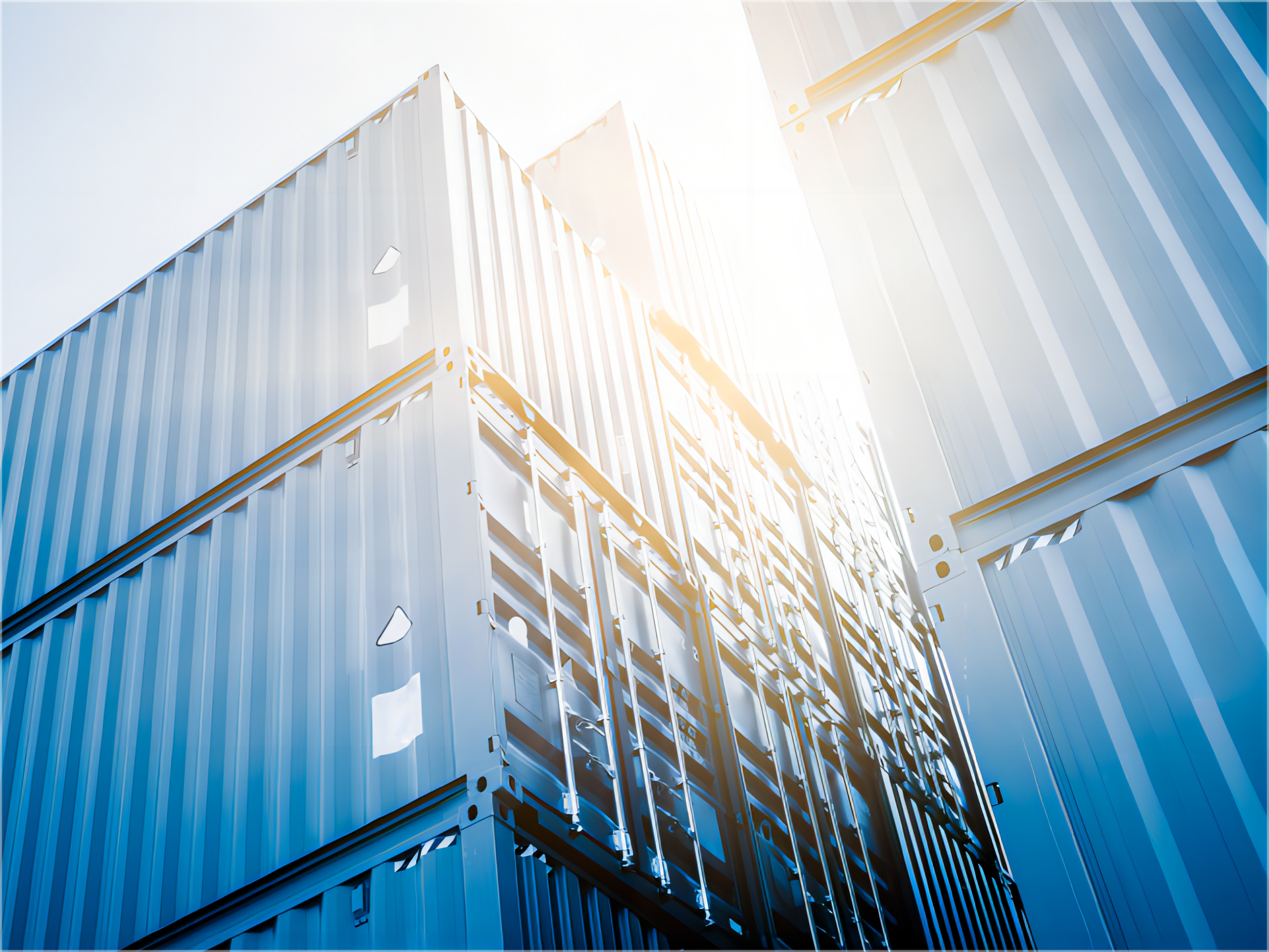
Open Top Full Container Load (FCL) shipping involves using a standard shipping container with a removable or convertible roof. Instead of a solid metal roof, it features a tarpaulin or soft top, which can be secured to protect cargo from the elements. This specialized container type is crucial for certain types of shipments.
Consequently, Open Top FCL is ideal for oversized or tall cargo that cannot be loaded through standard container doors. For instance, large toy playsets, outdoor play equipment, or intricately designed figures often exceed standard container height limits. Therefore, this method facilitates easy loading from the top using cranes, ensuring cargo integrity.
Identifying the Best Route for Open Top FCL Toys from China to Seattle
The optimal route for shipping Open Top FCL toys from China to Seattle typically involves direct trans-Pacific ocean freight. Major ports in China, such as Shanghai, Ningbo, and Shenzhen, offer frequent sailings to the Port of Seattle. This direct approach minimizes transit time and reduces the risk of multiple handling.
Choosing the right port of loading in China depends on your supplier’s location; proximity generally reduces inland transportation costs. Moreover, reputable carriers offer direct services, ensuring a smoother journey. Understanding the various options is key to securing the Open Top FCL best route for toys from China to Seattle.
Key Chinese Ports for Seattle-bound Shipments
Shanghai Port: This is one of the world’s busiest ports, offering extensive connections and frequent sailings. It is ideal for suppliers located in Eastern China.
Ningbo-Zhoushan Port: Located south of Shanghai, this port serves a vast manufacturing region. It provides competitive rates and good schedule reliability.
Shenzhen Port: A major hub for Southern China, Shenzhen is excellent for electronics and toy manufacturers in the Pearl River Delta. It offers numerous services to the USA West Coast.
Factors Influencing Route Selection
Transit Time: Direct routes typically offer the fastest ocean transit, crucial for meeting delivery schedules. However, indirect routes might be cheaper.
Cost: Freight rates vary significantly between carriers and routes. Comparing multiple quotes is essential for cost-effective shipping solutions.
Reliability: Opting for carriers with a strong track record of on-time delivery and efficient cargo handling is paramount. This ensures your specialized toy imports are well-managed.
Understanding Open Top Container Specifications and Costs
Open Top containers come in standard sizes, primarily 20-foot and 40-foot, similar to general purpose containers. However, their internal dimensions, especially height, are slightly different due to the removable roof structure. This distinction is crucial for oversized cargo. For instance, a 40-foot Open Top container might have an internal height of around 7 feet 8 inches, accommodating taller items.
Pricing for Open Top FCL can be higher than standard FCL due to the specialized equipment and handling required. Moreover, the cost depends on factors like the specific route, carrier, and current market demand. It is always recommended to get a detailed quote. Furthermore, consider the potential for additional charges for out-of-gauge (OOG) cargo that extends beyond the container’s footprint.
| Container Type | External Dimensions (L x W x H) | Internal Dimensions (L x W x H) | Max Payload |
|---|---|---|---|
| 20′ Open Top | 20′ x 8′ x 8’6″ | 19’4″ x 7’8″ x 7’8″ | ~28,000 kg |
| 40′ Open Top | 40′ x 8′ x 8’6″ | 39’5″ x 7’8″ x 7’8″ | ~26,000 kg |
Transit Times and Logistics for China to Seattle Toy Shipments
The typical ocean transit time for an Open Top FCL shipment from major Chinese ports to Seattle ranges from 14 to 18 days. This duration is for the sea leg only. However, the total door-to-door delivery schedule will include pre-carriage in China, customs clearance at both ends, and post-carriage in the US. Therefore, planning for a total of 25-35 days from factory gate to warehouse door is a realistic expectation.
Furthermore, various factors can influence these transit times. Port congestion, adverse weather conditions, and unforeseen customs delays can all impact the delivery schedule. Partnering with an experienced freight forwarder can help mitigate these risks. They can provide real-time tracking and proactive communication, ensuring you are always informed about your shipment’s status.
Typical Transit Time Breakdown (China to Seattle)
| Stage | Estimated Duration |
|---|---|
| Booking to Loading (China) | 3-7 days |
| Ocean Transit (Port to Port) | 14-18 days |
| Port Unloading & Customs Clearance (Seattle) | 3-5 days |
| Inland Delivery (Seattle area) | 1-3 days |
| Total Door-to-Door | 21-33 days |

Optimizing Your Delivery Schedule
Booking in Advance: Secure your container space well in advance, especially during peak seasons like Q3 and Q4. This helps avoid last-minute rush charges and potential delays.
Accurate Documentation: Ensure all shipping documents are accurate and complete to prevent customs hold-ups. This includes commercial invoices, packing lists, and bills of lading.
Customs Pre-Clearance: Work with a customs broker for pre-clearance procedures. This can significantly speed up the release of your cargo upon arrival in Seattle. Learn more about customs brokerage here.
How Does Open Top FCL Compare to Other Shipping Options?
When shipping toys from China to Seattle, several methods exist, each with distinct advantages and disadvantages. Open Top FCL is specifically for oversized cargo, but it’s essential to compare it with standard FCL, LCL, and even air freight for different scenarios. Considering the unique characteristics of your cargo is crucial for making an informed decision. Furthermore, understanding these alternatives helps in finding the most cost-effective shipping solutions.
For instance, while air freight offers speed, its cost can be prohibitive for large volumes of toys. Conversely, standard FCL is cheaper but cannot accommodate tall items. Therefore, an objective analysis of all viable alternatives is necessary to determine the best approach for your specific toy imports. This ensures you select a method that aligns with your budget and delivery requirements.
| Shipping Method | Cost Range (40′ Container Equivalent) | Transit Time (Port to Port) | Best For | Limitations |
|---|---|---|---|---|
| Open Top FCL | $3,000 – $4,500 | 14-18 days | Oversized/Tall cargo (e.g., large toy playsets) | Higher cost than standard FCL, specialized handling |
| Standard FCL (40’HQ) | $2,800 – $3,800 | 14-18 days | Large volume, standard-sized toys | Cannot accommodate oversized height |
| LCL (Less than Container Load) | $50 – $100 per CBM | 20-25 days | Small to medium volume (under 15 CBM) | Longer transit, more handling, potential for damage |
| Air Freight | $5,000 – $15,000 (for ~10CBM) | 5-7 days | High-value, urgent, small volume toy samples | Very high cost, limited by weight/volume |
Alternative Shipping Strategies and Cost-Saving Tips
While Open Top FCL is excellent for specific cargo, exploring alternative strategies can optimize your supply chain. Sometimes, a hybrid approach or careful cargo consolidation can yield significant savings. For example, if some of your toy products are not oversized, you might consider splitting your shipment. This strategic decision can impact overall freight rates and delivery efficiency.
Implementing these strategies requires careful planning and coordination with your freight forwarder. Always discuss your specific needs and cargo handling requirements. This proactive approach ensures you benefit from the most cost-effective and efficient shipping solutions available. Consider leveraging various services to meet diverse shipping needs.

Hybrid Solutions and Trade-offs
Sea-Air Combination: For moderately urgent shipments, consider shipping by sea to a transshipment hub (e.g., Korea or Japan) then by air to Seattle. This offers a middle ground between speed and cost, saving time compared to pure sea freight but costing less than pure air freight. However, it involves more handling points.
FCL for Main, LCL for Samples: If you have a large volume of oversized toys, use Open Top FCL. For smaller, non-oversized toy samples or urgent top-up orders, utilize express service or air freight. This balances cost and urgency effectively.
Direct vs. Transshipment: Direct routes are faster but often 10-15% more expensive. Transshipment via major hubs like Busan or Tokyo can save costs but adds 5-7 days to transit time. Evaluate if the time saving justifies the increased expense for your specific delivery schedule.
Which Option Should You Choose? A Decision Framework
Budget Priority: If minimizing shipping costs is your primary concern, and your toys are oversized, Open Top FCL is likely the best choice. For smaller volumes, consider LCL. However, be mindful of the longer transit times.
Speed Priority: For urgent toy shipments, especially for product launches or holiday seasons, air freight is unparalleled in speed. Yet, the cost implications are substantial. A sea-air hybrid could be a compromise.
Cargo Type Considerations: Open Top FCL is indispensable for tall or oversized toys. If your toys are standard dimensions but high volume, a standard FCL is more economical. For smaller, high-value items, door-to-door express services are often preferred.
Volume Thresholds: For shipments under 15 CBM, LCL can be more economical. Above this threshold, FCL (Open Top or standard) typically becomes more cost-effective. Always calculate cost per CBM to determine the optimal method.
Navigating Customs, Duties, and Import Regulations for Toys
Importing toys into the US involves strict compliance with regulations set by agencies like the Consumer Product Safety Commission (CPSC) and US Customs and Border Protection (CBP). All toys must meet safety standards, including lead content, phthalates, and small parts regulations. Therefore, proper documentation and adherence to these rules are paramount to avoid delays and penalties.
Working with an experienced customs broker is highly recommended. They can help classify your toys with the correct HTS codes, calculate estimated duties and taxes, and ensure all necessary declarations are filed correctly. This proactive approach streamlines the customs clearance process. Furthermore, understanding sea freight regulations is vital for smooth imports.
Key Documents Required for Toy Imports
Commercial Invoice: Details the value, quantity, and description of the goods.
Packing List: Itemizes contents of each package, crucial for inspection.
Bill of Lading: The contract between the shipper and carrier, acting as title to the goods.
CPSC Certificates: Proof of compliance with US toy safety standards.
Importer Security Filing (ISF): Must be filed at least 24 hours before vessel departure from China.
Market Context and Industry Trends
As of Q1 2025, freight rates from China to the USA West Coast have shown some stabilization after recent global supply chain disruptions. However, seasonal peaks, particularly leading up to major holidays like Christmas, can still lead to rate increases of 15-25% during August-October. Planning ahead is crucial to manage shipping costs.
Industry trends indicate a growing demand for sustainable and eco-friendly toys, which may introduce new regulatory requirements in the future. Staying informed about these changes is vital for long-term import success. Based on current market rates, securing contracts with carriers or freight forwarders well in advance can lock in favorable pricing.
Real Case Studies: Open Top FCL for Toy Shipments to Seattle
Exploring real-world examples helps illustrate the practical application of Open Top FCL shipping. These case studies highlight various scenarios, challenges, and successful outcomes. They demonstrate how careful planning and the right logistics partner can make a significant difference in your supply chain management for toy imports. We’ve compiled a few examples based on typical market scenarios as of early 2025.
Case Study 1: Large Outdoor Playsets
| Detail | Description |
|---|---|
| Route | Shenzhen, China -> Seattle, USA |
| Cargo | Outdoor plastic playsets, 55 CBM, 4,500 kg (tall components) |
| Container | Two 40′ Open Top |
| Shipping Details | Carrier: COSCO, Port of Loading: Yantian (Shenzhen), Port of Discharge: Seattle, Route Type: Direct |
| Cost Breakdown | Ocean Freight: $3,600/container; Origin Charges: $450/container; Destination Charges: $550/container; Customs & Duties (estimated): $800/container; Total Landed Cost: $5,400/container (approx.) |
| Timeline | Booking to Loading: 5 days; Sea Transit: 16 days; Customs Clearance: 4 days; Total Door-to-Door: 28 days |
| Key Insight | Open Top FCL was essential for the playset’s height. Pre-booking during Q1 avoided peak season surcharges, optimizing shipping costs. |
Case Study 2: Oversized Plush Toys Display
| Detail | Description |
|---|---|
| Route | Ningbo, China -> Seattle, USA |
| Cargo | Large plush toy display units (non-collapsible), 28 CBM, 1,800 kg |
| Container | One 40′ Open Top |
| Shipping Details | Carrier: MSC, Port of Loading: Ningbo, Port of Discharge: Seattle, Route Type: Direct |
| Cost Breakdown | Ocean Freight: $3,200; Origin Charges: $400; Destination Charges: $500; Customs & Duties (estimated): $650; Total Landed Cost: $4,750 (approx.) |
| Timeline | Booking to Loading: 4 days; Sea Transit: 17 days; Customs Clearance: 3 days; Total Door-to-Door: 26 days |
| Key Insight | The display units were too tall for a standard container. Efficient Amazon FBA preparation and direct route minimized handling and transit time. |
Case Study 3: Custom Made Children’s Furniture (Toy-related)
| Detail | Description |
|---|---|
| Route | Qingdao, China -> Seattle, USA |
| Cargo | Custom children’s furniture (beds, desks designed for play), 38 CBM, 3,000 kg |
| Container | One 40′ Open Top |
| Shipping Details | Carrier: Maersk, Port of Loading: Qingdao, Port of Discharge: Tacoma (near Seattle), Route Type: Direct |
| Cost Breakdown | Ocean Freight: $3,500; Origin Charges: $420; Destination Charges: $520; Customs & Duties (estimated): $750; Total Landed Cost: $5,190 (approx.) |
| Timeline | Booking to Loading: 6 days; Sea Transit: 18 days; Customs Clearance: 4 days; Total Door-to-Door: 30 days |
| Key Insight | Even though some items could fit standard containers, the overall height of certain pieces necessitated an Open Top, simplifying consolidation. This provided a seamless experience for door-to-door delivery. |
Conclusion: Securing Your Open Top FCL Best Route for Toys from China to Seattle
Ultimately, selecting the Open Top FCL best route for toys from China to Seattle involves a strategic combination of understanding container specifications, optimizing transit times, and navigating customs regulations. This specialized shipping method is indispensable for oversized toy cargo, ensuring safe and efficient delivery.
By partnering with an experienced freight forwarder, you can effectively manage costs, mitigate risks, and ensure your specialized toy imports reach their destination smoothly. Always consider market conditions and plan proactively to secure the most favorable freight rates. Trust in expert logistics to make your international toy shipping a success.

Need a tailored shipping solution?
Ready to optimize your toy imports with the Open Top FCL best route for toys from China to Seattle? Contact Top China Freight today for a personalized quote and expert guidance. Our team is prepared to help you streamline your shipping process and overcome any logistical challenges.