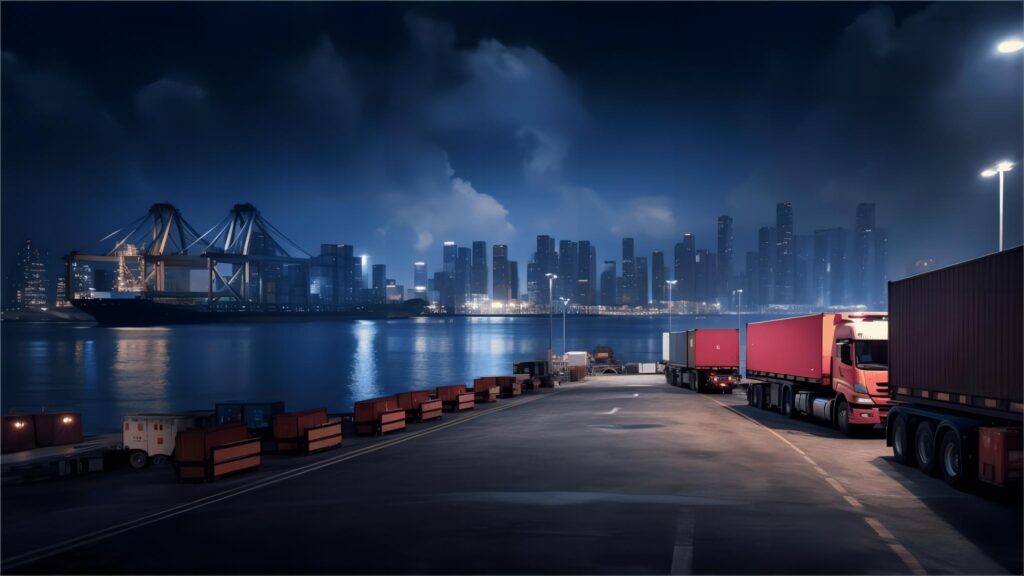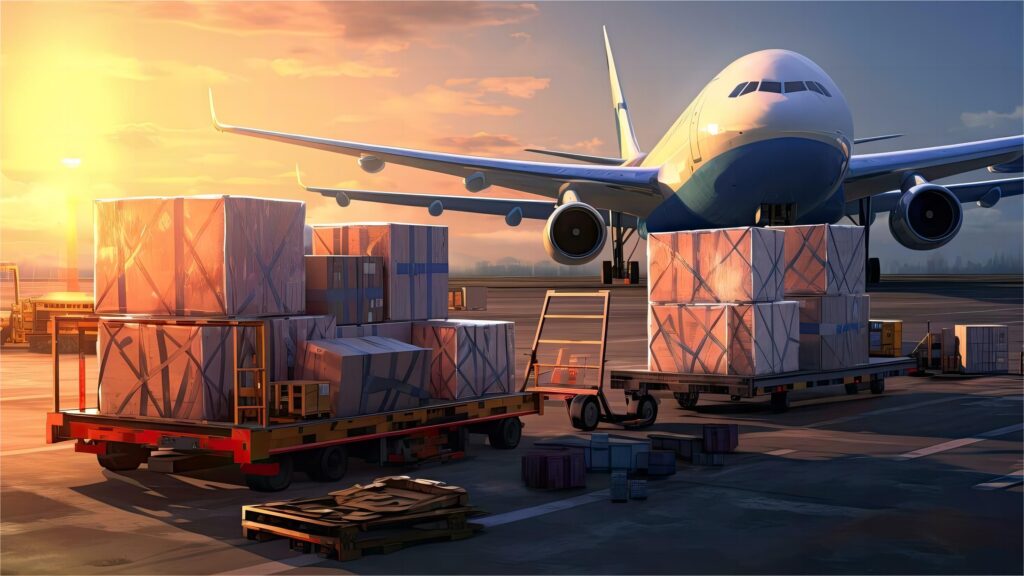
As a freight agent representing Top China Freight, I’m pleased to outline the freight conditions in Cuba. Cuba, situated in the Americas, boasts moderate economic strength but lacks comprehensive infrastructure. Key ports and cities include Havana, Havana Port, and Santiago Port. Despite its proximity to the United States, Cuba has endured a prolonged economic blockade, hampering its international trade and infrastructure development. Despite these challenges, we are dedicated to offering professional services tailored to your needs, including customized freight solutions, assistance with customs procedures, and real-time shipment tracking, ensuring the secure and punctual delivery of your cargo. Despite the economic constraints, Cuba holds untapped potential in the Americas. We eagerly anticipate partnering with you to provide top-tier freight services, jointly exploring opportunities in the Cuban market, and fostering mutually beneficial cooperation.
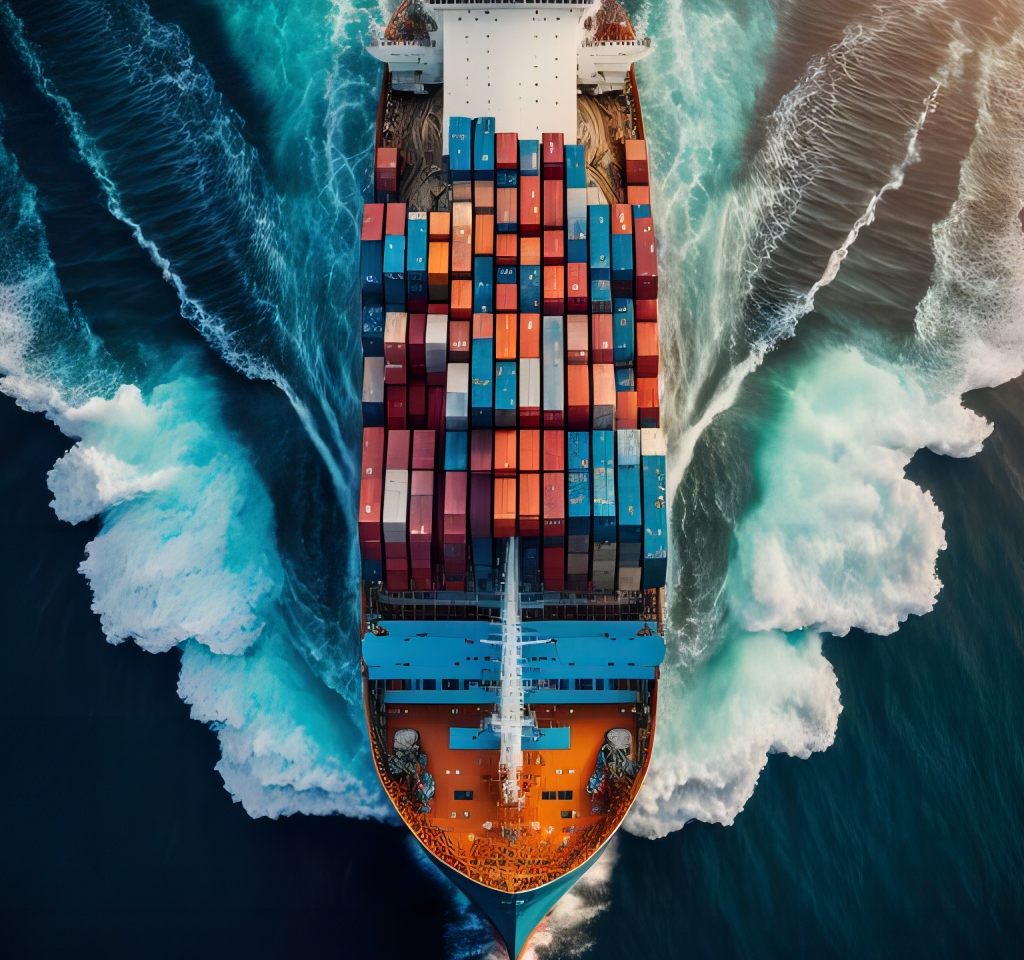
The transportation of goods by cargo ships across oceans, ideal for large volumes and heavy items.
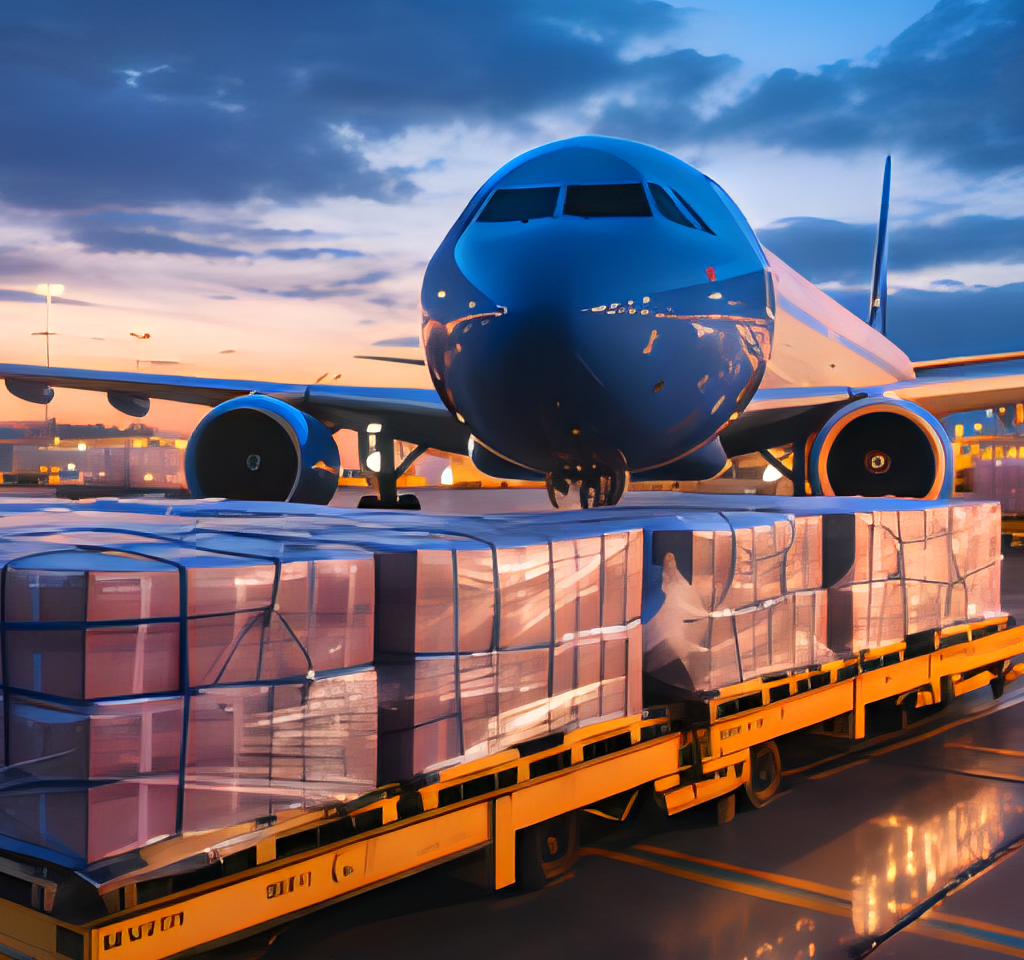
The shipment of goods via airplanes, offering fast delivery times for high-value or time-sensitive cargo.

This comprehensive solution streamlines the shipping process, ensuring efficient and hassle-free delivery.
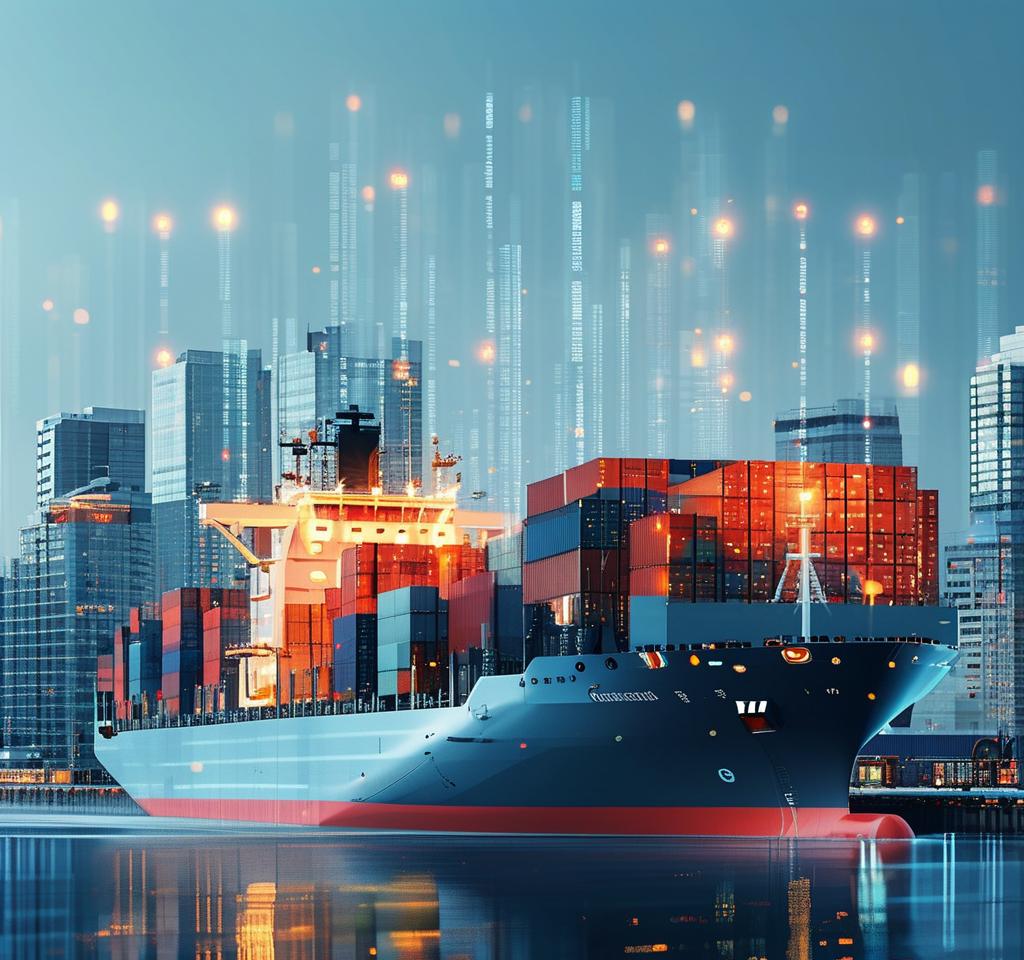
The process of shipping goods that are loaded individually rather than in containers, typically used for oversized or irregularly shaped cargo.
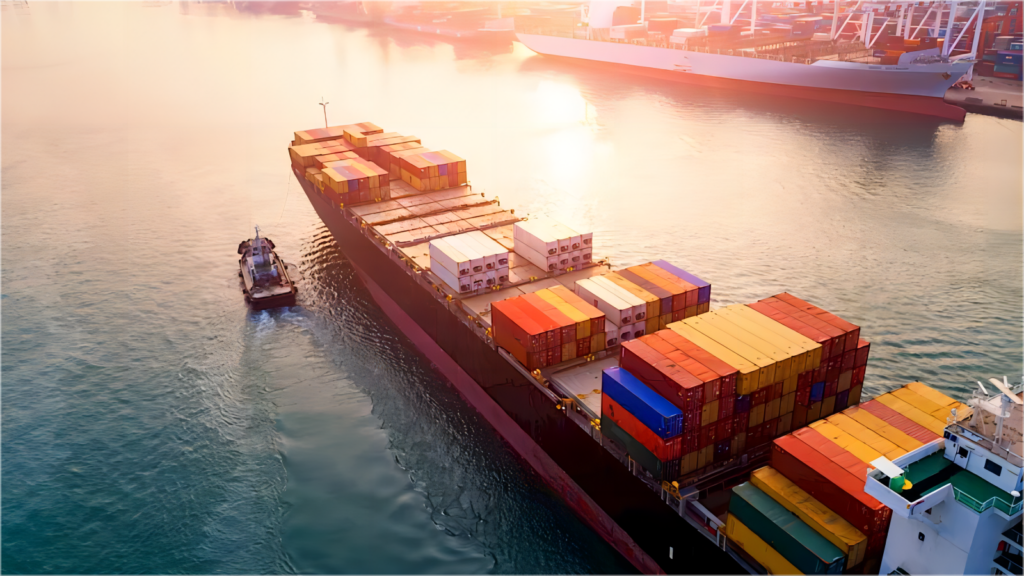
Cuba is subject to U.S. sanctions, but it is not broadly restricted by most other countries.
The key issue is not whether cargo can physically ship — it usually can. The issue is:
Whether banks will process the payment
Whether carriers are willing to accept the booking
Whether insurance companies will cover the shipment
Transactions involving U.S. financial systems can face complications. Many importers rely on non-U.S. banks and carriers that operate outside U.S. jurisdiction.
Before shipping, payment feasibility must be confirmed — not just logistics feasibility.
The primary container gateway is the Port of Mariel, which handles the majority of modern container operations.
Some cargo may also move through the Port of Havana, depending on routing and cargo type.
Port infrastructure exists, but operational efficiency can vary depending on equipment availability and administrative procedures.
This is one of the most important structural differences.
In many cases, the importer is:
A state-owned enterprise
A government trading company
An entity with centralized purchasing authority
Private sector import capacity is growing, but state-linked entities still dominate many sectors.
This affects:
Contract negotiation
Payment timelines
Approval processes
Delivery expectations
The sales cycle is often longer than in open-market economies.
Banking channels are the biggest challenge.
Common structures include:
Payment through third-country banks
Structured advance payments
Confirmed letters of credit through non-U.S. banks
Payment delays are common due to liquidity constraints or banking compliance reviews.
Suppliers often require higher deposit ratios or confirmed payment security before shipment.
Cuban customs procedures are centralized and formal, but not always fast.
Delays can occur due to:
Administrative review
Product approval verification
Documentation correction
Limited staffing capacity
Clearance time may be longer than in other Caribbean or Latin American markets.
Planning extra buffer time is realistic.
Yes. Certain categories may require additional authorization, including:
Telecommunications equipment
Medical products
Industrial machinery
Chemicals
Food and pharmaceuticals
Import approval often depends on the purchasing entity’s authorization rather than just customs classification.
Some international carriers avoid Cuba due to:
Sanctions-related compliance risk
Insurance restrictions
Financial exposure concerns
Not all carriers refuse, but routing options can be more limited compared to other Latin American destinations.
Freight rates may reflect this limited competition.
There are rarely direct sailings.
Cargo often transships through major hubs before arriving in Cuba.
Total delivery time depends on:
Transshipment schedule
Port handling efficiency
Clearance process
Administrative approval timing
The regulatory and payment side often affects total timeline more than ocean transit itself.
The main risks are:
Payment delay or non-transferability
Sanctions compliance issues
Administrative approval delays
Carrier or insurance refusal
Currency liquidity constraints
These risks are financial and structural, not just logistical.
Cargo insurance is strongly recommended.
Given the complexity of sanctions and limited dispute resolution mechanisms, insurance provides financial protection if issues arise.
Coverage terms should be reviewed carefully to ensure the insurer accepts Cuban destination risk.
Full container load (FCL) is often preferred for:
Better cargo control
Reduced handling risk
Simplified documentation
Consolidated cargo can increase coordination complexity and clearance exposure.
Given administrative sensitivity, simplicity is often safer.
Cargo Insurance provides coverage for goods against loss, damage, or theft during transit, ensuring that the owner receives financial compensation in the event of unforeseen incidents.
Amazon FBA (Fulfillment by Amazon) is a service where sellers store their products in Amazon's warehouses, and Amazon handles the packing, shipping, and customer service.
Customs brokerage is a service that helps importers and exporters clear goods through customs.
Door to door service refers to the transportation of goods directly from the sender's location to the recipient's location, handled entirely by the carrier.
Express service provide fast, time-sensitive delivery of parcels and documents.
DDU term means the seller is responsible for delivering the goods to the buyer’s designated destination, but not for paying import duties and other import fees. The buyer is responsible for customs clearance and paying all applicable duties, taxes, and fees.
DDP term means the seller is responsible for delivering the goods to the buyer’s designated destination and for paying all import duties and other import fees. The buyer only needs to receive the goods, without bearing any additional expenses.
I signed up with Top China Freight years ago ( in the early days I believe) and have been a regular customer with the Germany, UK and US warehouse facilities. I have had many irregular and demanding situations over the years and I can honestly say that Top China Freight has consistently delivered valuable service at a reasonable cost and I am truly grateful. Sometimes they even went out of their way to suggest a better solution for my situation. I rarely leave reviews but have been so impressed over the years of service that I feel compelled to leave this review. Thank you to all the staff at Top China Freight!