20GP FCL Best Route for Textiles from China to Georgia
Navigating international logistics for textile imports can be a complex challenge, especially when seeking the most efficient and cost-effective solutions. For businesses importing textiles, identifying the 20GP FCL best route from China to Georgia is paramount to supply chain success. This guide provides comprehensive insights into optimizing your shipping strategy, ensuring timely and budget-friendly deliveries. For expert assistance with your freight needs, visit Top China Freight.

Why Choose 20GP FCL for Textile Shipments to Georgia?
Opting for a 20-foot General Purpose Full Container Load (20GP FCL) presents numerous advantages for textile importers. This dedicated container ensures your goods remain untouched from origin to destination, significantly reducing the risk of damage or loss.
Furthermore, FCL shipping often proves more cost-effective for larger volumes of textiles compared to Less than Container Load (LCL) options. You benefit from exclusive container space, allowing for more predictable transit times and streamlined cargo handling processes. Consequently, this method is ideal for businesses with substantial textile orders.
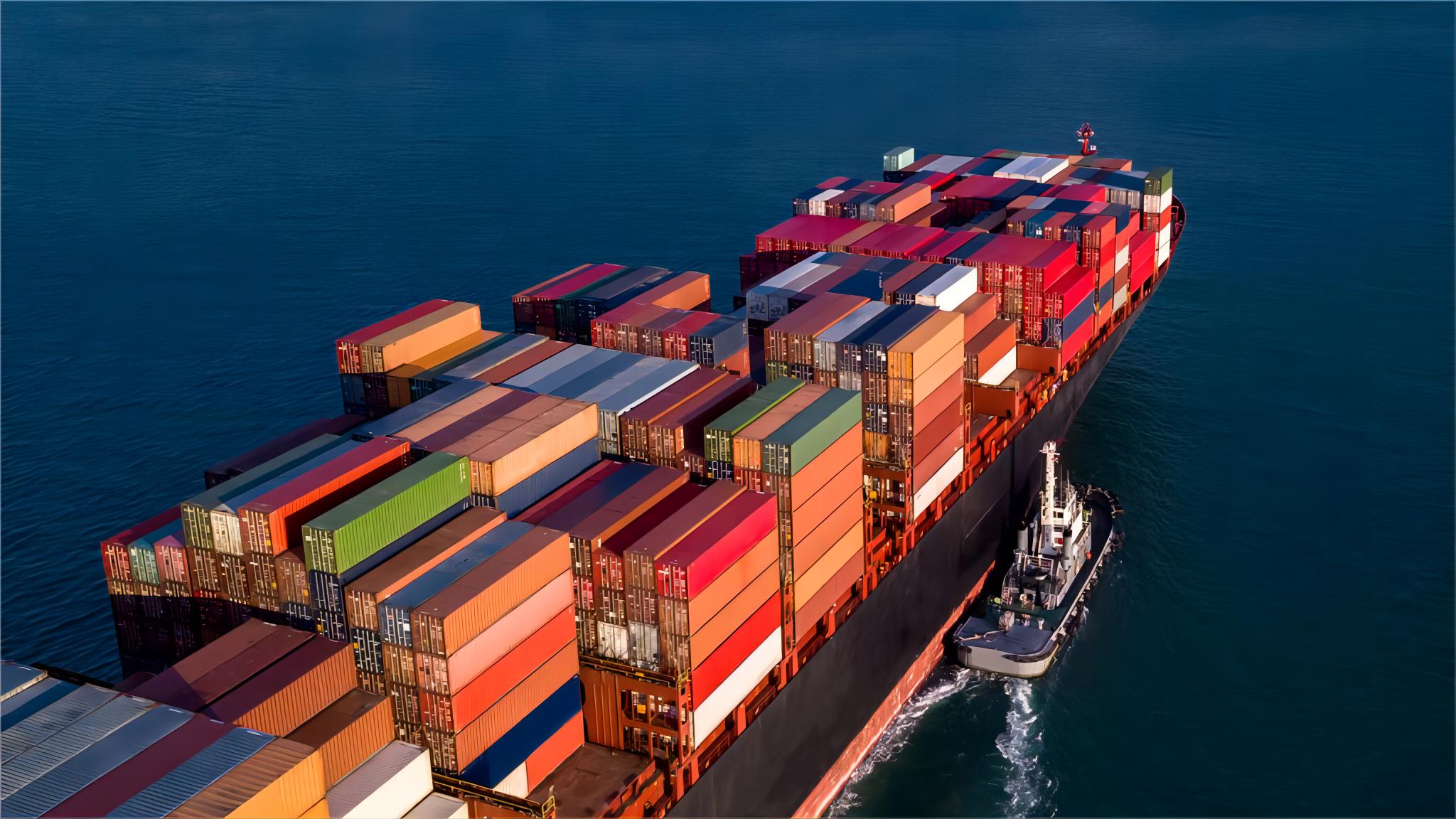
Moreover, a 20GP container offers sufficient capacity for a wide range of textile products, from raw fabrics to finished garments. This ensures maximum efficiency for your supply chain, preventing delays often associated with consolidating smaller shipments. Therefore, understanding its benefits is crucial for optimizing your logistics strategy.
What are the Key Considerations for Shipping Textiles from China to Georgia?
When planning your textile shipments, several critical factors demand careful attention. These include selecting the right shipping method, understanding transit times, managing customs regulations, and accurately calculating overall shipping costs. Each element plays a vital role in the success of your import operation.
Initially, the choice of port in China can greatly influence your shipping efficiency. Major ports like Shanghai, Ningbo, and Shenzhen offer extensive global connections and frequent vessel departures. Conversely, the primary port of entry in Georgia is Poti, which serves as a crucial gateway to the Caucasus region.
Additionally, regulatory compliance for textile imports into Georgia requires thorough preparation. Importers must ensure all documentation, including commercial invoices, packing lists, and certificates of origin, are accurate and complete. Consequently, neglecting these details can lead to significant delays and additional expenses.
Ultimately, partnering with an experienced freight forwarder can simplify these complexities. They can guide you through the intricacies of international shipping, ensuring a smooth and compliant process. This support is invaluable for both seasoned and new importers.
How Does Sea Freight Offer the Best Route for Textiles to Georgia?
For the vast majority of textile shipments from China to Georgia, sea freight stands out as the most economical and practical option. It accommodates the large volumes typical of FCL textile orders, making it ideal for businesses focused on cost-efficiency. While slower than air freight, its capacity and affordability are unmatched.
Typically, the route involves sailing from major Chinese ports to Poti, Georgia, often via transshipment hubs in the Mediterranean or Black Sea. Common transshipment ports include Istanbul (Turkey), Piraeus (Greece), or occasionally ports in Egypt. This network ensures reliable connectivity, albeit with varying transit times.
Moreover, sea freight is generally considered the most environmentally friendly mode of transport for long-distance cargo. This aspect is becoming increasingly important for businesses prioritizing sustainable supply chain practices. Therefore, it aligns with both economic and ecological objectives for textile importers.
Considering the specific logistics, understanding the full scope of services available is beneficial. Many forwarders offer comprehensive solutions, from port-to-port to full door-to-door delivery, simplifying the entire process for importers. This integrated approach ensures seamless handling from factory to final destination.

What are the Typical Transit Times and Costs for 20GP FCL to Georgia?
Transit times for 20GP FCL textile shipments from China to Georgia typically range from 30 to 45 days. This duration includes ocean transit, potential transshipment, and port handling at both ends. Factors such as the specific origin port in China, carrier choice, and current shipping lane congestion can influence this timeframe.
Regarding costs, the overall landed cost comprises several components. These include ocean freight, origin charges (THC, documentation), destination charges (DDC, port fees), and customs duties and taxes in Georgia. Freight rates are subject to market fluctuations, fuel surcharges, and peak season demand. Therefore, obtaining a precise quote is always recommended.
For a 20GP FCL, ocean freight from major Chinese ports to Poti, Georgia, can range from approximately $2,500 to $4,500, based on current market rates (as of early 2025). This figure can vary significantly based on global supply and demand dynamics. Consequently, budgeting for potential rate changes is a prudent strategy.
Note: Freight rates are subject to change based on fuel costs, carrier capacity, and seasonal demand. Contact us for a current quote tailored to your specific shipment.
| Cost Component | Estimated Range (USD) | Notes |
|---|---|---|
| Ocean Freight (20GP) | $2,500 – $4,500 | China Main Port to Poti, Georgia |
| Origin Charges (THC, Doc) | $300 – $600 | Terminal Handling, B/L fees in China |
| Destination Charges (DDC, Port) | $400 – $800 | Destination Delivery Charge, port fees in Poti |
| Customs Clearance (Georgia) | $200 – $500 | Brokerage fees (excluding duties/taxes) |
| Inland Transport (Georgia) | $150 – $400 | From Poti to final warehouse (variable) |
How Does 20GP FCL Compare to Other Shipping Options for Textiles?
While 20GP FCL sea freight is often the preferred choice for textiles, it is beneficial to understand alternative shipping methods. Comparing these options helps in making informed decisions based on urgency, cargo value, and budget. Each method presents distinct advantages and limitations for textile logistics.
Moreover, considering hybrid solutions can sometimes offer the best of both worlds. For instance, a combination of sea and rail freight could be explored for specific routes or time-sensitive components of a larger textile order. This flexibility is key to a resilient supply chain strategy.
| Shipping Method | Cost Range (20GP FCL) | Transit Time | Best For | Limitations |
|---|---|---|---|---|
| Sea Freight (FCL) | $2,500 – $4,500 | 30-45 days | Large volumes, cost-efficiency, non-urgent goods | Long transit times, port congestion risks |
| Air Freight | $15,000 – $25,000 (equivalent volume) | 5-10 days | Urgent, high-value, samples, small batches | Very high cost, limited volume/weight capacity |
| Rail Freight (Multimodal) | $7,000 – $12,000 | 20-25 days | Faster than sea, cheaper than air, specific routes | Less direct to Georgia, potential transshipment complexities, limited network |
Which Option Should You Choose for Your Textile Shipments?
The optimal shipping solution for your textiles ultimately depends on your specific business priorities. Evaluating your needs against various criteria will guide you toward the most suitable method. Consider these factors when making your decision.
If budget is your primary concern, sea freight via 20GP FCL is almost always the most economical choice. It offers the lowest per-unit cost for large volumes, making it ideal for regular, non-urgent textile imports. This method allows for significant cost savings over time.
However, if speed is paramount, especially for seasonal collections or urgent replenishment, air freight is the undisputed winner. While considerably more expensive, it ensures the quickest delivery, minimizing lead times. For example, fashion items with short market windows often benefit from air transport.
For cargo type considerations, delicate or high-value textiles might benefit from the reduced handling of FCL sea freight. Rail freight can be a good intermediate option, offering a balance between speed and cost, particularly for routes passing through Central Asia. This hybrid approach caters to specific logistical demands.
Finally, volume thresholds for switching methods are crucial. For shipments under 15 CBM, LCL sea freight or even air freight might be considered, though a 20GP FCL becomes highly competitive for volumes exceeding 15 CBM. Conversely, if your textile volume consistently fills a 20GP container, FCL provides the best value and control. This strategic decision optimizes your logistics efficiency.
Understanding Customs Clearance and Documentation for Georgia Imports
Efficient customs clearance is a cornerstone of successful international textile shipping. Proper documentation and adherence to Georgian import regulations are non-negotiable. Any oversight can lead to significant delays, penalties, and increased costs, impacting your delivery schedule.
Key documents required typically include a commercial invoice, packing list, bill of lading, and certificate of origin. Depending on the textile type, additional certifications, such as quality or safety standards, might be necessary. Therefore, verifying all requirements beforehand is essential.
Moreover, understanding Georgian import duties and taxes on textiles is crucial for accurate cost forecasting. These rates vary based on the Harmonized System (HS) code of your specific textile products. Working with an experienced customs brokerage service can significantly streamline this process, ensuring compliance and avoiding unexpected charges.
Furthermore, Georgia operates under a simplified customs procedure aimed at facilitating trade. However, proactive preparation and accurate declarations remain vital. Consequently, engaging a knowledgeable partner helps navigate these complexities seamlessly, ensuring your goods clear customs without incident.
| Document | Purpose | Importance |
|---|---|---|
| Commercial Invoice | Details of goods, value, buyer/seller | Essential for customs valuation and duties |
| Packing List | Itemizes contents of each package/container | Facilitates inspection and cargo verification |
| Bill of Lading (B/L) | Contract of carriage, title to goods | Proof of shipment and ownership |
| Certificate of Origin | Confirms country of manufacture | May impact preferential duty rates |
| Product Certificates | Quality, safety, or compliance (if applicable) | Ensures goods meet Georgian standards |
Real-World Case Studies: 20GP FCL Textile Shipments to Georgia
Examining actual shipment scenarios provides practical insights into optimizing the 20GP FCL best route for textiles from China to Georgia. These case studies highlight common challenges and successful strategies.
Based on Q3 2024 market rates, these examples illustrate typical costs and timelines. They underscore the importance of meticulous planning and reliable logistics partners for textile imports. Understanding these real-world applications can help refine your own shipping approach.
Case Study 1: Seasonal Apparel from Shanghai to Poti
This shipment involved a time-sensitive order for a new fashion collection, requiring a balance between cost and a reasonable transit time. The importer prioritized reliability and clear communication throughout the process.
| Detail | Description |
|---|---|
| Route | Shanghai, China to Poti, Georgia |
| Cargo | Finished apparel, 25 CBM, 8,500 kg |
| Container | 20GP FCL |
| Shipping Details | Carrier: COSCO, Port of Loading: Shanghai, Port of Discharge: Poti, Route Type: Transshipment via Istanbul |
| Cost Breakdown | Ocean Freight: $3,200, Origin Charges: $450, Destination Charges: $600, Customs & Duties (estimated): $750, Total Landed Cost: $5,000 |
| Timeline | Booking to Loading: 5 days, Sea Transit: 32 days, Customs Clearance: 3 days, Total Door-to-Door: 40 days |
| Key Insight | Early booking during Q3 avoided peak season surcharges. The transshipment via Istanbul was efficient due to high vessel frequency. |
Case Study 2: Bulk Fabric Rolls from Ningbo to Tbilisi (Inland)
A manufacturer needed a steady supply of raw fabric. The focus was on minimizing cost per unit and ensuring seamless inland delivery from the port to their factory. This required a comprehensive door-to-door solution.
| Detail | Description |
|---|---|
| Route | Ningbo, China to Tbilisi, Georgia |
| Cargo | Bulk fabric rolls, 28 CBM, 10,000 kg |
| Container | 20GP FCL |
| Shipping Details | Carrier: Maersk, Port of Loading: Ningbo, Port of Discharge: Poti, Route Type: Transshipment via Piraeus (Greece) |
| Cost Breakdown | Ocean Freight: $3,800, Origin Charges: $500, Destination Charges: $700, Inland Transport (Poti-Tbilisi): $350, Customs & Duties (estimated): $900, Total Landed Cost: $6,250 |
| Timeline | Booking to Loading: 7 days, Sea Transit: 38 days, Customs Clearance: 4 days, Total Door-to-Door: 49 days |
| Key Insight | Integrated inland transport and customs brokerage streamlined the final leg of delivery. The longer transit time was acceptable due to regular order volumes. |
Case Study 3: Specialized Textile Components from Shenzhen to Kutaisi
This shipment involved specific textile components for industrial use, where careful cargo handling and adherence to a strict delivery schedule were critical. The importer needed a reliable and transparent shipping process.
| Detail | Description |
|---|---|
| Route | Shenzhen, China to Kutaisi, Georgia |
| Cargo | Specialized textile components, 22 CBM, 7,000 kg |
| Container | 20GP FCL |
| Shipping Details | Carrier: MSC, Port of Loading: Shenzhen, Port of Discharge: Poti, Route Type: Direct (less common, but available via specific services) |
| Cost Breakdown | Ocean Freight: $4,100, Origin Charges: $480, Destination Charges: $650, Inland Transport (Poti-Kutaisi): $250, Customs & Duties (estimated): $800, Total Landed Cost: $6,280 |
| Timeline | Booking to Loading: 6 days, Sea Transit: 30 days, Customs Clearance: 3 days, Total Door-to-Door: 42 days |
| Key Insight | Choosing a carrier with a more direct service, despite a slightly higher ocean freight, resulted in a shorter overall transit time, meeting the critical delivery schedule. This demonstrated value for specific logistical needs. |
Optimizing Your Textile Supply Chain: Tips and Best Practices
To truly maximize the efficiency and cost-effectiveness of your textile imports, adopting several best practices is essential. These strategies go beyond simply choosing a route; they encompass the entire logistics process. Consequently, a holistic approach yields the best results.
Firstly, consolidate your orders to fill a 20GP FCL whenever possible. This significantly reduces per-unit shipping costs compared to LCL. Planning ahead for larger, less frequent shipments can lead to substantial savings. Therefore, inventory management plays a crucial role.
Secondly, maintain open and clear communication with your suppliers and freight forwarder. Early notification of shipment readiness and any potential delays allows for proactive problem-solving. This transparency helps manage expectations and ensures smoother operations.
Moreover, invest in robust cargo insurance. While FCL reduces handling risks, unforeseen circumstances can still occur. Protecting your textile investment against damage or loss provides peace of mind and financial security. This is a small cost for significant protection.
Additionally, regularly review your shipping contracts and freight rates. The market is dynamic, and rates can fluctuate based on global events, fuel prices, and seasonal demand. Staying informed enables you to negotiate better terms and adapt your strategy as needed. For example, consider the benefits of express service for urgent, smaller textile samples.
Furthermore, consider the benefits of a dedicated account manager with your logistics provider. This ensures personalized service and expert guidance tailored to your specific textile import needs. A consistent point of contact simplifies complex queries and improves overall service quality.
Ultimately, partnering with a reliable and experienced freight forwarder is paramount. They offer invaluable expertise in navigating international regulations, optimizing routes, and managing potential disruptions. Their support is critical for maintaining a resilient and efficient textile supply chain from China to Georgia. They can also provide insights into air freight options for urgent needs.
Navigating the Best Route for Your Textile Imports
Identifying the 20GP FCL best route for textiles from China to Georgia involves a careful balance of cost, transit time, and reliability. Sea freight remains the most advantageous option for the majority of textile importers, offering significant cost savings for bulk shipments. However, understanding alternative methods and market dynamics is equally important.
By focusing on meticulous planning, thorough documentation, and partnering with experienced logistics providers, businesses can successfully navigate the complexities of international textile shipping. Ultimately, a well-executed strategy ensures your textile products reach Georgia efficiently and cost-effectively, bolstering your supply chain resilience and profitability.
Start Your Shipment
Ready to streamline your textile imports from China to Georgia? Contact Top China Freight today for a personalized quote and expert guidance. Our team is dedicated to finding the 20GP FCL best route for textiles, ensuring efficiency and cost-effectiveness for your business. Let us optimize your supply chain.
Request Quote