
Booking Process for FCL Shipping from China to Houston: A Comprehensive Guide
Shipping goods internationally can be complex, particularly when managing full container loads (FCL) from China to Houston. Understanding the booking process for FCL shipping from China to Houston is crucial for efficient supply chain management. This comprehensive guide, brought to you by Top China Freight, will demystify each step, helping you navigate the logistics with confidence. We aim to provide clear insights into costs, transit times, and essential documentation for a smooth import experience.
What is FCL Shipping and Why Choose it for China to Houston?
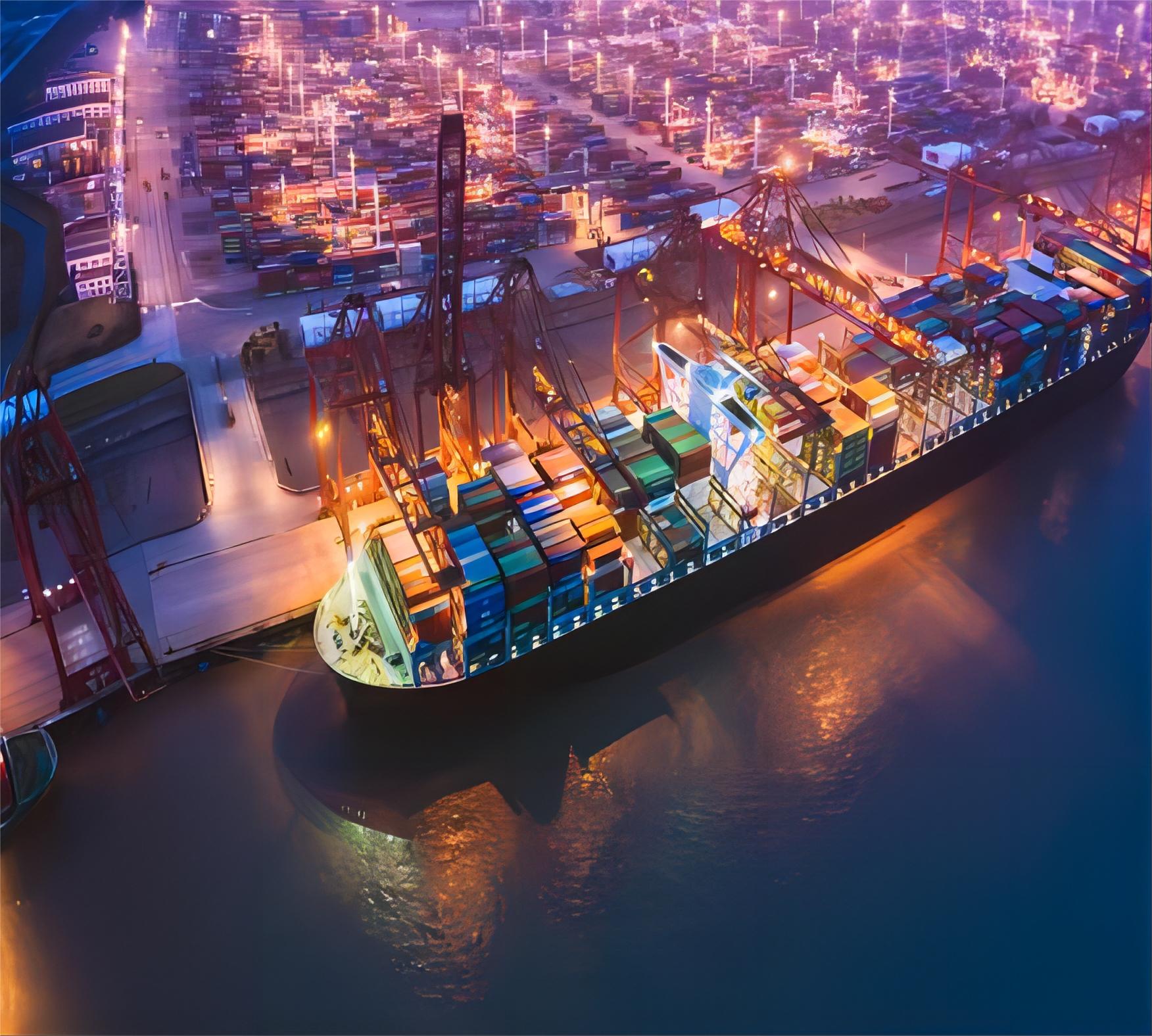
Full Container Load (FCL) shipping involves reserving an entire shipping container for your cargo exclusively. Regardless of whether the container is fully loaded, it is dedicated solely to your goods. This method offers significant advantages for businesses importing substantial volumes from China to Houston.
Moreover, choosing FCL shipping typically results in lower per-unit costs compared to Less than Container Load (LCL) shipments. Your cargo also benefits from enhanced security and reduced handling, minimizing the risk of damage. Therefore, for large or high-value consignments, FCL is often the most economical and secure option, leveraging sea freight services effectively.
The Step-by-Step Booking Process for FCL Shipping
Initiating your FCL shipment from China to Houston involves several critical steps. Firstly, you must request a detailed quote from a reputable freight forwarder. This inquiry should include cargo specifics, origin, destination, and desired shipping timeline. Providing accurate information ensures a precise estimate for your FCL shipping rates China to Houston.
Subsequently, upon receiving and approving the quote, you will proceed with the booking confirmation. This step involves finalizing the terms, agreeing on transit times, and securing container space on a vessel. A confirmed booking effectively reserves your container and allocates it for your specific shipment.
Next, you will prepare your cargo for loading, ensuring it is properly packed and ready for transport. The freight forwarder will then arrange for the container to be delivered to your supplier’s factory or a designated warehouse for stuffing. After loading, the container moves to the port of loading, such as Shanghai or Ningbo, ready for departure. How to book a container from China efficiently often depends on seamless coordination here.
Finally, once the vessel departs, you will receive tracking information to monitor your cargo’s journey across the ocean. The booking process for FCL shipping from China to Houston concludes with customs clearance and final delivery to your specified address in the USA.
Key Documentation Required for FCL Shipments
Accurate and complete documentation is paramount for a smooth FCL shipping experience. Firstly, the Bill of Lading (B/L) serves as the contract of carriage, a receipt for goods, and a document of title. It contains crucial details about the shipper, consignee, cargo, and destination.
Additionally, a commercial invoice, packing list, and often a certificate of origin are essential. The commercial invoice details the transaction between buyer and seller, while the packing list provides a comprehensive inventory of the container’s contents. Consequently, any discrepancies in these documents can lead to significant delays and penalties during customs clearance for FCL shipments USA.
Therefore, working with an experienced FCL freight forwarder China to Houston who understands these requirements is vital. They can assist with preparing and verifying all necessary paperwork, including utilizing their customs brokerage expertise. Proper documentation prevents hold-ups and ensures compliance with both Chinese export and US import regulations.
Understanding FCL Shipping Costs and Factors Affecting Them
The cost of 40ft HQ container from China to Houston can vary significantly based on numerous factors. Primarily, ocean freight charges constitute the largest portion, influenced by fuel prices, carrier capacity, and seasonal demand. Peak seasons, typically from August to October, often see a 15-25% increase in rates.
Furthermore, origin charges include terminal handling charges (THC), documentation fees, and local trucking to the port of loading. Destination charges encompass similar fees at the Port of Houston, along with drayage (trucking from port to final destination) and potentially demurrage or detention if the container is not picked up or returned promptly.
Additionally, customs duties and taxes, determined by the Harmonized System (HS) code of your goods, are a crucial cost component. Insurance, while optional, is highly recommended to protect against unforeseen damages or losses. Therefore, a comprehensive understanding of these elements is vital for accurate budgeting and managing your overall supply chain management FCL Houston expenses.
| Cost Component | Description | Typical Range (USD) |
|---|---|---|
| Ocean Freight | Main shipping cost for container space | $4,000 – $6,000 |
| Origin Charges | Terminal handling, documentation, local transport | $400 – $800 |
| Destination Charges | Terminal handling, drayage, chassis rental | $600 – $1,200 |
| Customs Duties & Taxes | Based on cargo value and HS code (estimated) | Varies widely |
| Insurance (optional) | Coverage for loss or damage | 0.5% – 1% of cargo value |
Transit Times and Route Considerations to Houston
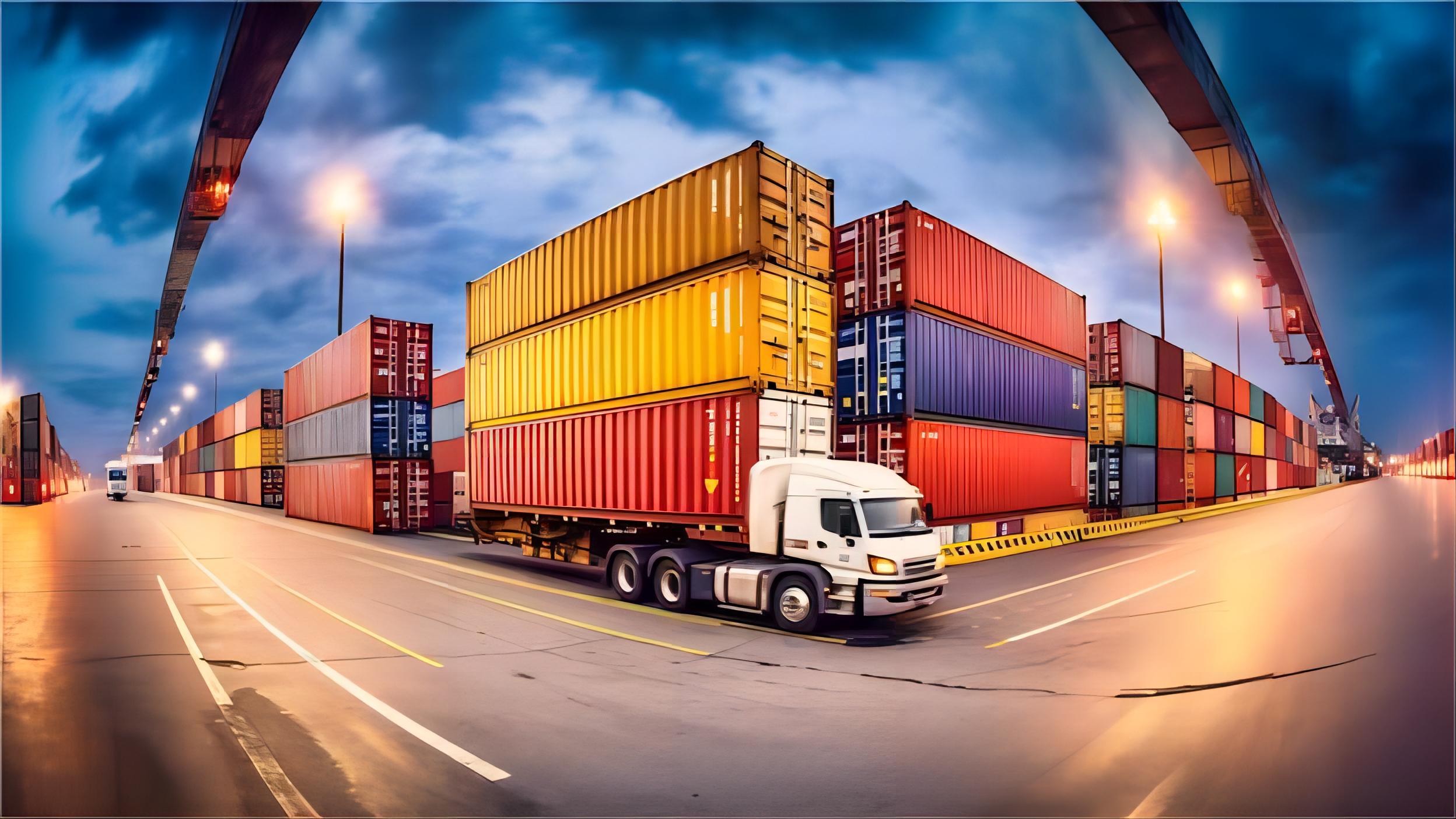
The transit time FCL China to Houston typically ranges from 30 to 38 days for direct services. This duration covers the sea voyage from major Chinese ports like Shanghai, Ningbo, or Shenzhen to the Port of Houston. However, several factors can influence this timeline.
For instance, indirect routes involving transshipment through other major hubs might add 5-7 days to the total journey. Port congestion at either the origin or destination can also cause unexpected delays, impacting your delivery schedule. Therefore, choosing a reliable carrier with a proven track record on this route is paramount.
Moreover, weather conditions, especially during typhoon season in Asia, can occasionally disrupt vessel schedules. Planning your shipments with a buffer period is always a prudent strategy. Understanding these variables helps in setting realistic expectations for your FCL shipping from China to Houston operations.
Customs Clearance and Delivery in Houston
Upon arrival at the Port of Houston, your FCL shipment enters the crucial customs clearance phase. Firstly, the importer or their designated customs broker must submit all required documentation to U.S. Customs and Border Protection (CBP). This includes the Bill of Lading, commercial invoice, packing list, and any other pertinent permits or licenses.
Subsequently, CBP reviews the documentation and may conduct inspections to verify cargo compliance. Successful clearance results in the release of your container. However, any inaccuracies or missing paperwork can lead to significant delays, additional storage fees, and potential penalties. Hence, meticulous preparation is essential.
Finally, after customs clearance, the container is typically picked up from the port and transported via truck to its final destination within Houston or surrounding areas. Many businesses opt for a door-to-door service to streamline this final leg, ensuring seamless delivery. This comprehensive approach simplifies the logistics, from Full container load shipping from Shanghai to Houston right to your warehouse.
How Does FCL Shipping Compare to Other Shipping Options?
When considering the best way to move goods from China to Houston, it is important to evaluate FCL against viable alternatives. While FCL offers dedicated space and often lower per-unit costs for large volumes, other methods cater to different needs and priorities. Therefore, a comparative analysis is critical for informed decision-making.
For example, Less than Container Load (LCL) shipping might be more suitable for smaller shipments that do not fill an entire container. LCL involves consolidating multiple shippers’ cargo into one container, reducing individual freight costs. However, it often entails longer transit times due to consolidation and deconsolidation processes, alongside increased handling risks.
Conversely, for urgent shipments, air freight stands out as the fastest option. While significantly more expensive, especially for heavy or bulky items, it drastically reduces transit times to a matter of days. Consequently, the trade-off between speed and shipping costs is a primary consideration when choosing between these logistics trends. Rail freight is generally not a direct option for China to Houston, but sea-rail combinations might exist for other US destinations.
| Shipping Method | Cost Range (40HQ est.) | Transit Time (days) | Best For | Limitations |
|---|---|---|---|---|
| FCL Sea Freight | $4,000 – $6,000 | 30 – 38 | Large volumes, cost-effective | Slower than air, port congestion risks |
| LCL Sea Freight | Varies by CBM ($80-150/CBM) | 35 – 45 | Smaller shipments (under 15 CBM) | Longer transit, more handling, potential delays |
| Air Freight | $15,000 – $25,000+ | 5 – 10 | Urgent, high-value, small volume | Very high cost, volume/weight restrictions |
Which Shipping Option Should You Choose?
Selecting the optimal shipping method for your goods from China to Houston depends on your specific business priorities. If your primary concern is budget, FCL sea freight is almost always the most economical choice for substantial volumes. It provides the best cheapest FCL shipping from China solution per unit.
However, if speed is paramount, especially for time-sensitive products or urgent restocking, air freight is the undeniable winner. Although more costly, its rapid delivery can prevent stockouts and capitalize on market opportunities. Consequently, businesses must weigh the financial implications against the urgency of their delivery schedule.
Furthermore, cargo type and volume play a significant role. For shipments under 15 CBM, LCL might be more economical. Conversely, if your goods require dedicated space, or if you are shipping hazardous materials, FCL offers the necessary control and security. Ultimately, aligning your choice with these criteria ensures efficient cargo handling and supply chain success.

Real-World FCL Shipping Case Studies
Exploring practical examples can illuminate the complexities and successes of FCL shipping from China to Houston. These case studies highlight various scenarios, costs, and transit times, offering valuable insights for your own logistics planning. They reflect typical rates as of early 2025.
Case Study 1: Electronics Importer from Shenzhen
A Houston-based electronics distributor frequently imports consumer gadgets. This specific shipment illustrates a typical FCL operation during a moderate demand period, focusing on efficiency and cost.
| Detail Category | Description |
|---|---|
| Route | Shenzhen, China -> Houston, USA |
| Cargo | Consumer electronics, 28 CBM, 9,500 kg |
| Container | 1x 40HQ |
| Shipping Details | Carrier: COSCO, Port of Loading: Yantian, Port of Discharge: Houston, Route Type: Direct |
| Cost Breakdown | Ocean Freight: $4,800; Origin Charges (THC, documentation): $550; Destination Charges: $650; Customs & Duties (estimated): $700; Total Landed Cost: $6,700 |
| Timeline | Booking to Loading: 5 days; Sea Transit: 32 days; Customs Clearance: 3 days; Total Door-to-Door: 40 days |
| Key Insight | Efficient documentation streamlined customs, avoiding delays. Based on Q3 2024 market rates. |
Case Study 2: Furniture Manufacturer from Ningbo
A furniture importer in Houston needed to move a large volume of flat-pack furniture. This case demonstrates the value of FCL for bulky, non-urgent goods, optimizing the cost of 20ft container from China to Houston.
| Detail Category | Description |
|---|---|
| Route | Ningbo, China -> Houston, USA |
| Cargo | Flat-pack furniture, 25 CBM, 12,000 kg |
| Container | 1x 20GP |
| Shipping Details | Carrier: Maersk, Port of Loading: Ningbo, Port of Discharge: Houston, Route Type: Transshipment via Busan |
| Cost Breakdown | Ocean Freight: $3,200; Origin Charges (THC, documentation): $480; Destination Charges: $720; Customs & Duties (estimated): $550; Total Landed Cost: $4,950 |
| Timeline | Booking to Loading: 7 days; Sea Transit: 35 days; Customs Clearance: 4 days; Total Door-to-Door: 46 days |
| Key Insight | Opting for a transshipment route saved 10% on ocean freight, despite adding a few days to transit. Typical rates as of early 2025. |
Case Study 3: Apparel Brand Shipping from Qingdao
An apparel brand required consistent FCL shipments for seasonal collections. This example highlights the importance of reliable scheduling and proactive optimizing FCL shipping costs measures.
| Detail Category | Description |
|---|---|
| Route | Qingdao, China -> Houston, USA |
| Cargo | Textiles and apparel, 58 CBM, 8,000 kg |
| Container | 2x 40GP |
| Shipping Details | Carrier: MSC, Port of Loading: Qingdao, Port of Discharge: Houston, Route Type: Direct |
| Cost Breakdown | Ocean Freight: $9,600 ($4,800/container); Origin Charges (THC, documentation): $1,100; Destination Charges: $1,300; Customs & Duties (estimated): $1,800; Total Landed Cost: $13,800 |
| Timeline | Booking to Loading: 6 days; Sea Transit: 33 days; Customs Clearance: 3 days; Total Door-to-Door: 42 days |
| Key Insight | Booking well in advance during pre-peak season secured favorable rates. Port congestion Houston FCL was avoided by early planning. Based on Q4 2024 market rates. |
Optimizing Your FCL Shipments: Tips for Importers
To enhance the efficiency and cost-effectiveness of your FCL shipments, several strategies can be employed. Firstly, consolidate your orders to maximize container utilization. A fully loaded container ensures you are getting the best value for your freight spend, directly impacting FCL shipping rates China to Houston.
Furthermore, planning well in advance helps avoid peak season surcharges and secures better rates. Being flexible with your shipping dates, if possible, can also lead to significant savings. Consider working with a freight forwarder that offers flexible scheduling and competitive pricing.
Finally, ensure all your documentation is meticulously prepared and submitted on time. Proactive communication with your supplier and freight forwarder is key to preventing delays and managing any unforeseen challenges. This diligent approach is crucial for supply chain management FCL Houston and a smooth booking process for FCL shipping from China to Houston.

Conclusion: Master Your FCL Shipping Journey to Houston
Navigating the booking process for FCL shipping from China to Houston requires careful planning, accurate documentation, and a clear understanding of costs and transit times. By following the outlined steps and leveraging expert advice, businesses can optimize their logistics operations, ensuring timely and cost-effective delivery of goods.
Choosing the right shipping partner, like Top China Freight, is paramount. We empower importers to make informed decisions, transforming complex international shipping into a seamless experience. Ultimately, mastering your FCL shipping journey enhances your supply chain efficiency and supports your business growth in the competitive Houston market.
Get Your Shipping Quote Today
Ready to streamline your FCL shipping from China to Houston? Contact Top China Freight today for a personalized quote and expert guidance. Our team is ready to assist you through every step of the booking process for FCL shipping from China to Houston, ensuring efficient and reliable delivery.
Request Quote