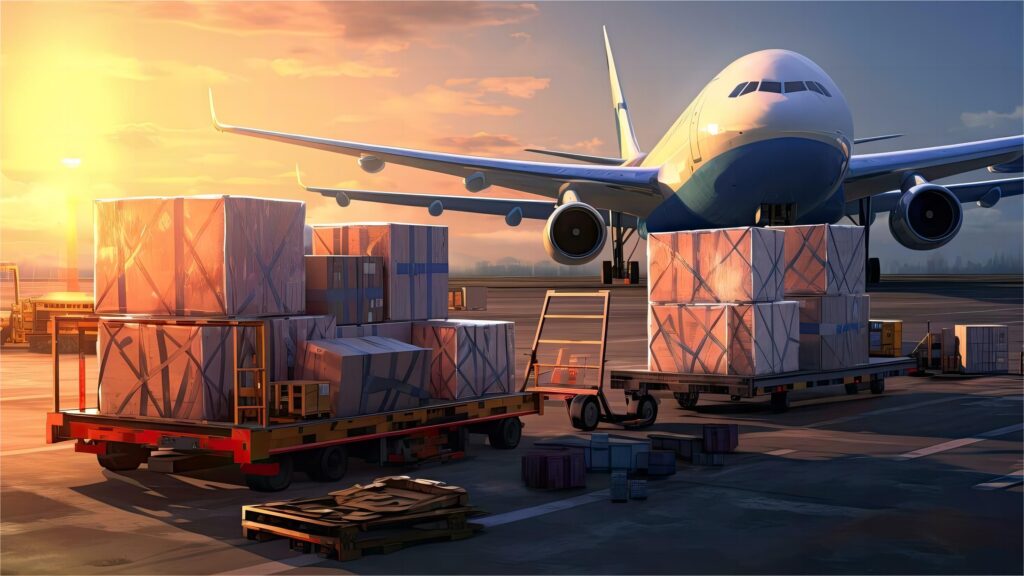
As a freight agent for Top China Freight, we are pleased to present Panama’s freight conditions. Though Panama has moderate economic strength, its logistics network is highly developed, with advanced facilities supporting efficient trade. Key trade hubs such as Panama City, Colon Port, and Balboa Port serve as vital gateways for imports and exports, making them essential to the region’s supply chain.
Located between two oceans, Panama is globally known for the Panama Canal, a crucial maritime route that connects the Atlantic and Pacific Oceans. This unique positioning enhances Panama’s role in international trade, enabling seamless connections for freight across the Americas.
In our partnerships with clients shipping to and from Panama, we offer a range of services tailored to meet your logistics needs. These include customized transportation solutions, expert customs clearance support, and real-time shipment tracking to ensure timely and secure deliveries. Our dedicated team provides ongoing support at each step, giving you peace of mind throughout the process.
Panama’s strategic location and robust port facilities make it an optimal choice for international freight. Top China Freight is committed to delivering reliable, high-quality freight services, and we look forward to working together for mutual success.
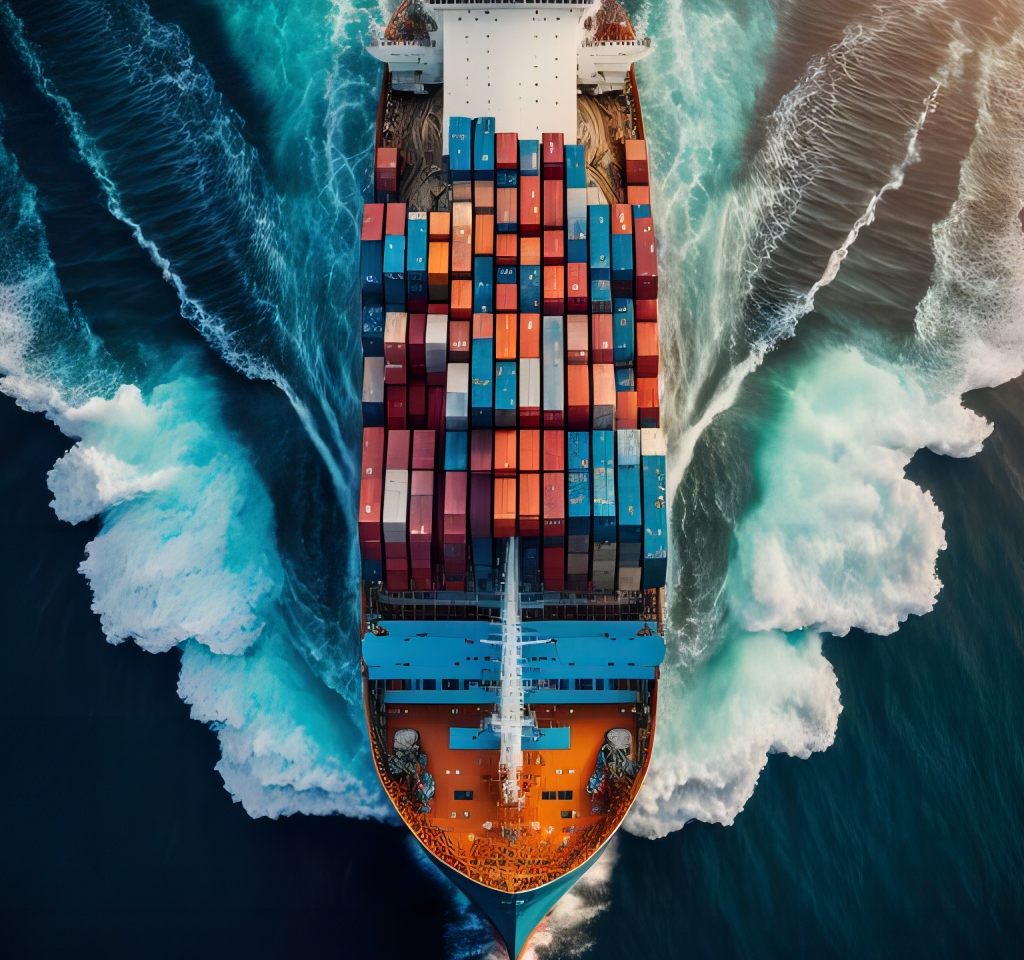
The transportation of goods by cargo ships across oceans, ideal for large volumes and heavy items.
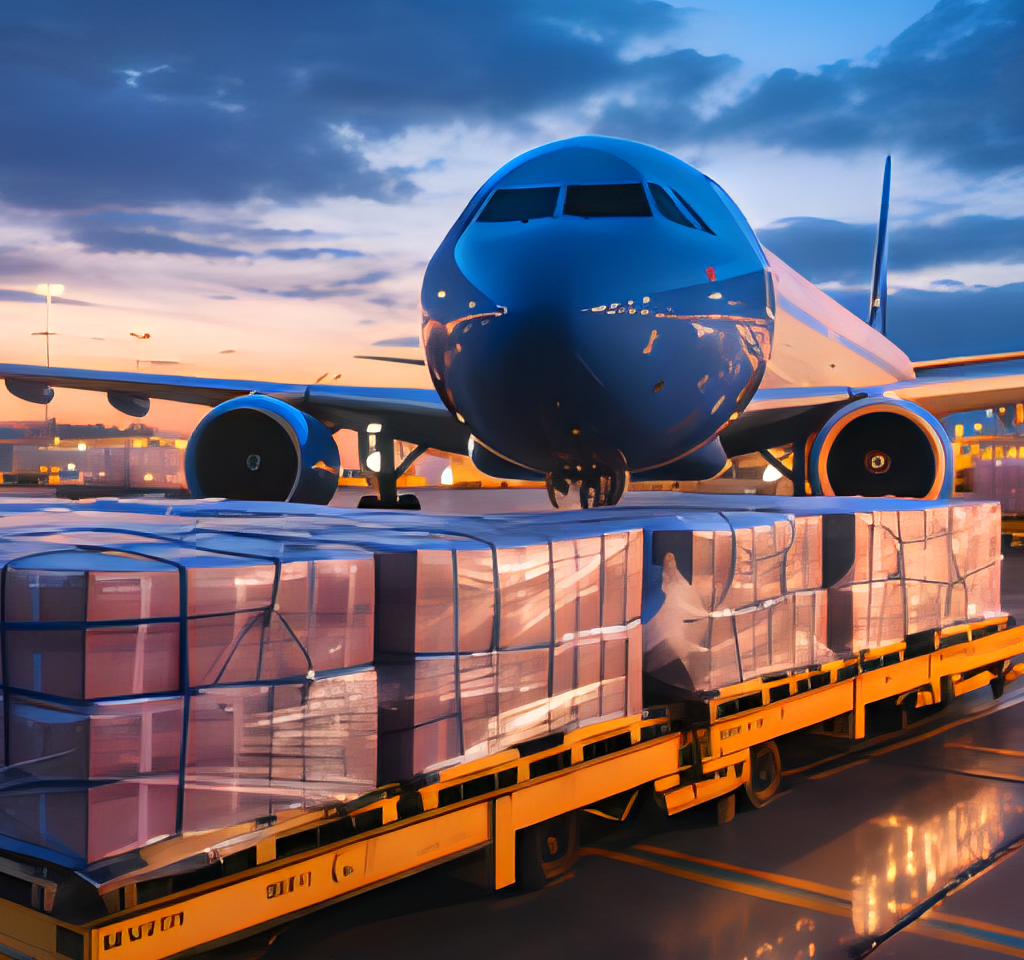
The shipment of goods via airplanes, offering fast delivery times for high-value or time-sensitive cargo.

This comprehensive solution streamlines the shipping process, ensuring efficient and hassle-free delivery.
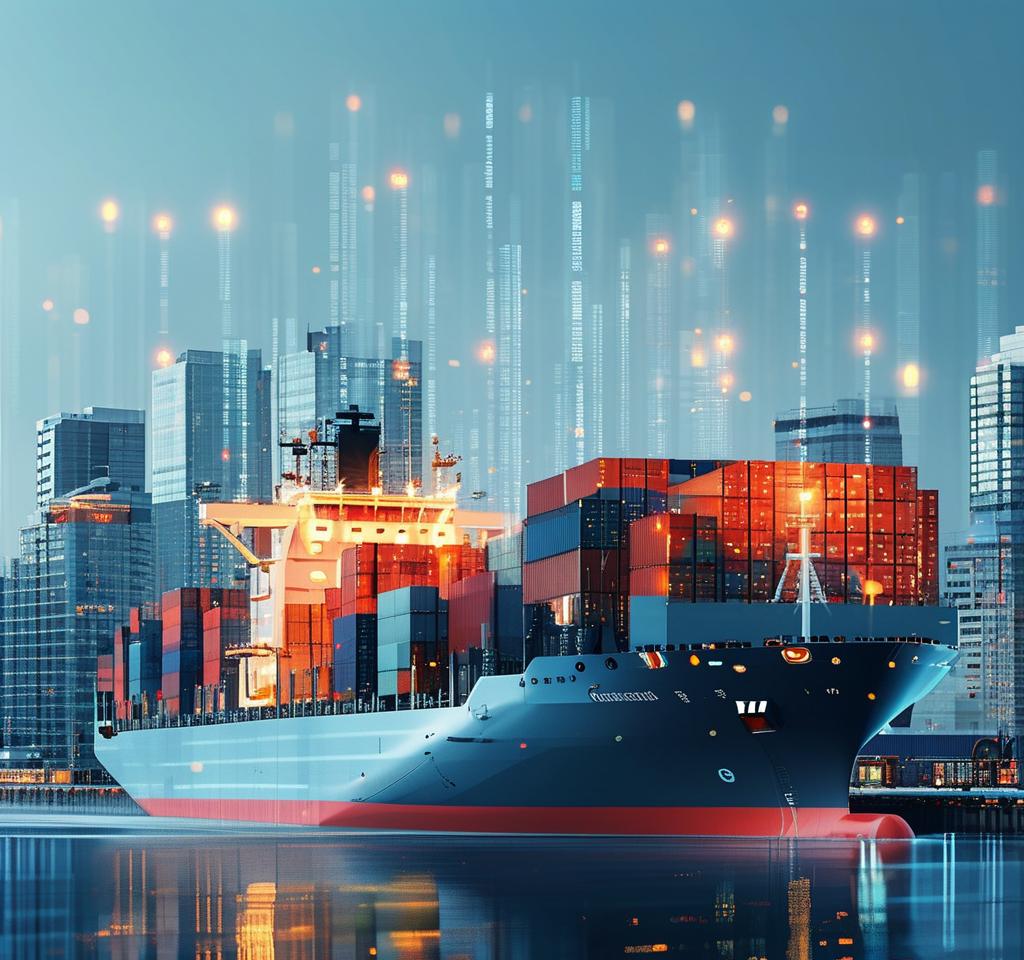
The process of shipping goods that are loaded individually rather than in containers, typically used for oversized or irregularly shaped cargo.
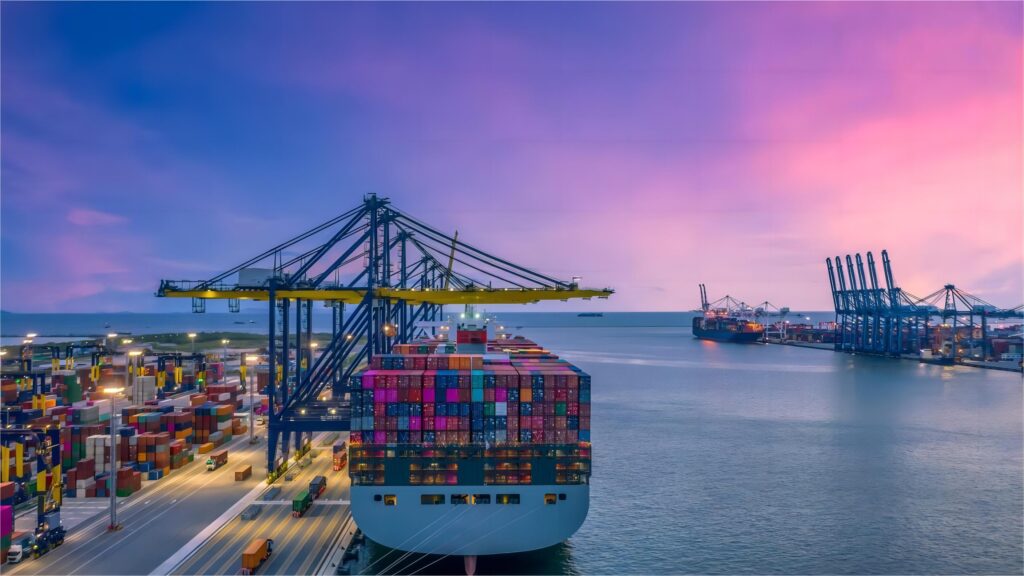
This is often the first strategic decision.
Many traders choose the Colón Free Trade Zone instead of nationalizing cargo immediately.
Why?
Because in the free zone:
You can store goods without paying import duties
You can re-export to other Latin American countries
You can redistribute regionally
You avoid tying up working capital in taxes
If goods are intended for resale to Central America or the Caribbean, the free zone is often more efficient than direct import.
Panama’s customs system is relatively structured and predictable.
Compared to many Latin American countries, clearance is generally faster and less bureaucratic.
Importers still need:
Correct HS classification
Proper invoice description
Payment of duties and VAT
But the system is not considered overly restrictive.
Transit usually includes:
Ocean transport (often direct Pacific service or via transshipment)
Port discharge
Customs clearance
Inland delivery
Panama benefits from strong maritime connectivity due to the Panama Canal, making routing flexible.
Operational delays are typically related to documentation or payment timing rather than infrastructure weakness.
Most containerized cargo arrives at Pacific-side terminals such as the Port of Balboa.
For Caribbean routing, cargo may arrive via Port of Manzanillo International Terminal.
Port selection depends on:
Whether cargo is destined for local use
Whether it will enter the free zone
Final delivery location
Panama has strong port infrastructure compared to most regional markets.
Importers generally pay:
Import duty (depending on product classification)
VAT (ITBMS)
Taxes are calculated based on CIF value.
Duty rates are generally moderate, and the structure is less complex than Brazil or Mexico.
While Panama’s system is not as aggressive as some larger economies, customs still has valuation controls.
If declared value appears unrealistic, customs may request supporting documentation.
For long-term traders, compliance is safer than aggressive undervaluation strategies.
Because Panama offers:
Strategic geographic location
Efficient port operations
Free zone storage flexibility
Dollarized economy (USD-based transactions)
This makes it ideal for companies importing from China and redistributing to:
Central America
Caribbean islands
Northern South America
The financial and logistical flexibility is a major advantage.
Panama operates a dollar-based financial system.
Importers generally do not face currency controls or foreign exchange restrictions.
This reduces payment friction compared to markets with capital controls.
Banking stability is one reason Panama remains attractive for regional trading companies.
Panama uses a structured but relatively efficient clearance system.
Inspection may occur based on:
Product category
Compliance history
Random selection
Inspection risk exists, but it is not considered excessive.
Common risks include:
Misunderstanding whether goods should enter the free zone or national customs
Underestimating local VAT impact
Poor documentation preparation
Choosing the wrong port for final delivery
Strategic planning before shipment is more important than clearance difficulty.
Panama is geographically compact.
For goods staying within Panama City and surrounding areas, inland transport is relatively manageable.
However, coordination timing matters to avoid storage or demurrage charges at port.
Yes, particularly for trading companies.
Panama combines:
Strong maritime connectivity
Free zone flexibility
Stable USD-based economy
Regional redistribution potential
For importers thinking beyond just the local market, Panama offers strategic leverage rather than just a destination port.
Cargo Insurance provides coverage for goods against loss, damage, or theft during transit, ensuring that the owner receives financial compensation in the event of unforeseen incidents.
Amazon FBA (Fulfillment by Amazon) is a service where sellers store their products in Amazon's warehouses, and Amazon handles the packing, shipping, and customer service.
Customs brokerage is a service that helps importers and exporters clear goods through customs.
Door to door service refers to the transportation of goods directly from the sender's location to the recipient's location, handled entirely by the carrier.
Express service provide fast, time-sensitive delivery of parcels and documents.
DDU term means the seller is responsible for delivering the goods to the buyer’s designated destination, but not for paying import duties and other import fees. The buyer is responsible for customs clearance and paying all applicable duties, taxes, and fees.
DDP term means the seller is responsible for delivering the goods to the buyer’s designated destination and for paying all import duties and other import fees. The buyer only needs to receive the goods, without bearing any additional expenses.