
20GP FCL Transit Time for Textiles from China to Italy: A Comprehensive Guide
Navigating international shipping can be complex, especially when dealing with time-sensitive cargo like textiles. Understanding the 20GP FCL transit time for textiles from China to Italy is crucial for effective supply chain management. This comprehensive guide will equip you with the knowledge to plan your shipments efficiently, minimizing delays and optimizing costs for your textile imports.
What is 20GP FCL Shipping for Textiles?
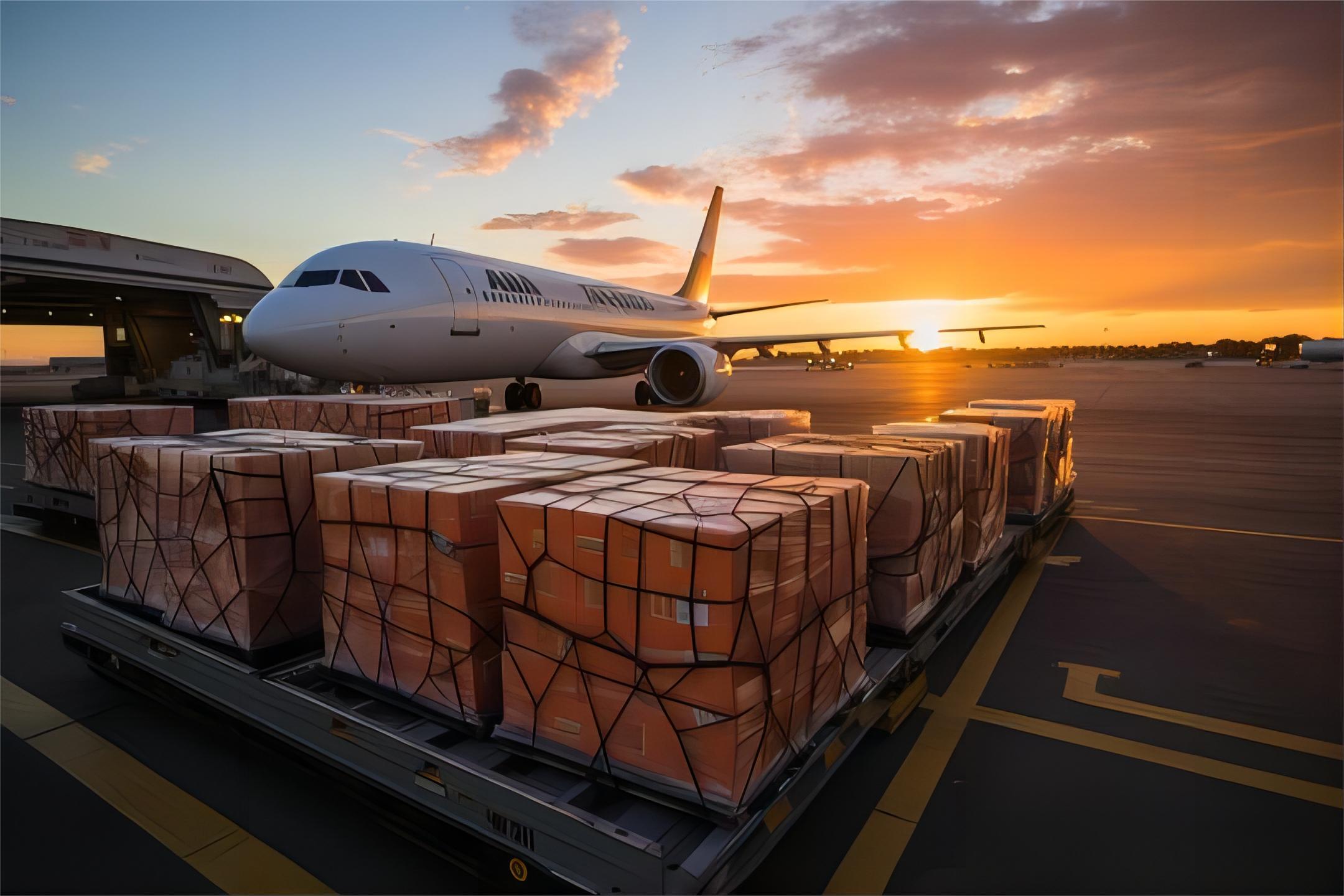
A 20GP FCL, or 20-foot General Purpose Full Container Load, refers to shipping an entire 20-foot container dedicated solely to your cargo. This method is highly favored for textile imports due to its efficiency and security. Indeed, it ensures your goods are not mixed with other shippers’ items, thus reducing handling risks.
Furthermore, for businesses importing significant volumes of apparel, fabrics, or other textile products, FCL provides exclusive use of the container. This means faster loading and unloading processes. Consequently, it often results in a more predictable sea freight schedule and reduced risk of damage.
Key Factors Influencing 20GP FCL Transit Time from China to Italy
Many variables affect the 20GP FCL transit time for textiles from China to Italy. Understanding these factors is essential for accurate planning and reliable delivery schedules. Therefore, businesses must consider each element carefully.
Firstly, the specific ports of origin in China and destination in Italy play a significant role. Major Chinese ports like Shanghai, Ningbo, and Shenzhen generally offer more direct routes and frequent sailings. Conversely, smaller or less active ports might involve transshipment, extending the journey.
Secondly, vessel speed and carrier service routes directly impact transit duration. Some carriers offer premium, faster services, while others might involve more port calls or slower vessels. Moreover, direct routes are always quicker than those requiring transshipment through intermediate hubs like Port Said or Singapore.
Seasonal demand and weather conditions also contribute to transit time fluctuations. Peak shipping seasons, such as before major holidays or during Q4, can lead to port congestion and vessel delays. Similarly, adverse weather events can disrupt shipping schedules, causing unforeseen hold-ups. Consequently, planning ahead for these periods is crucial.
Finally, efficient customs clearance processes in both China and Italy are vital. Delays in documentation or inspection can significantly prolong the overall transit time. Thus, ensuring all paperwork is accurate and complete beforehand is paramount.
Typical 20GP FCL Transit Times and Major Routes
Generally, the 20GP FCL transit time for textiles from China to Italy via direct sea routes ranges from 28 to 35 days. However, this is port-to-port. Door-to-door delivery will naturally add more days for inland transportation and customs procedures. Therefore, consider the entire logistics chain.
Transshipment routes, while potentially more economical, typically extend the transit time by 5 to 10 days. This is due to the additional handling and waiting periods at intermediate ports. Accordingly, businesses must weigh cost savings against extended delivery times.
Major ports in China for textile exports include Shanghai, Ningbo, Shenzhen, and Qingdao. In Italy, key receiving ports are Genoa, La Spezia, Naples, and Venice. Each route offers varying frequencies and transit speeds. Hence, selecting the optimal port pair is critical for efficiency.
| Origin Port (China) | Destination Port (Italy) | Route Type | Estimated Sea Transit (Days) |
|---|---|---|---|
| Shanghai | Genoa | Direct | 28-32 |
| Ningbo | La Spezia | Direct | 29-33 |
| Shenzhen (Yantian) | Naples | Direct | 30-34 |
| Qingdao | Venice | Transshipment | 35-40 |
| Xiamen | Genoa | Transshipment | 32-38 |

Understanding Shipping Costs for 20GP FCL Textiles
The cost of a 20GP FCL shipment for textiles from China to Italy comprises several components. Ocean freight is the primary charge, but others significantly add to the total landed cost. Therefore, a clear understanding of each element is vital.
Ocean freight rates for a 20GP container from China to Europe typically range from $1,800 to $2,500, as of early 2025. These rates are subject to change based on fuel surcharges, vessel capacity, and global trade dynamics. Consequently, obtaining a current quote is always recommended.
Additional costs include Terminal Handling Charges (THC) at both origin and destination ports, documentation fees, and local transportation. Furthermore, customs duties and taxes upon arrival in Italy are a significant part of the overall expense. These can vary based on the specific textile product and its Harmonized System (HS) code. Based on current market rates, an estimate for total origin and destination charges might be around $700-1000 per container, excluding duties.
Note: Freight rates are subject to change based on fuel costs, carrier capacity, and seasonal demand. Contact us for a current quote tailored to your specific shipment.
Streamlining Customs Clearance for Textile Imports to Italy
Efficient customs clearance is paramount for minimizing the 20GP FCL transit time for textiles from China to Italy. Delays at this stage can significantly impact your delivery schedule. Hence, proper preparation is key.
Required documentation typically includes the Bill of Lading (B/L), commercial invoice, packing list, and a Certificate of Origin. Furthermore, some textile products may require specific import licenses or compliance certificates, especially for certain materials or safety standards. Preparing these documents accurately and in advance is crucial.
Engaging a reliable customs brokerage service is highly recommended. These experts can navigate complex Italian customs regulations, ensure proper classification of your textiles, and handle duty and tax calculations. This professional assistance helps to prevent unexpected hold-ups and penalties. Therefore, consider this a strategic investment.
Market data suggests that well-prepared customs documentation can reduce clearance times from several days to just 1-2 days. Conversely, incomplete or incorrect paperwork is a common cause of significant delays. Accordingly, double-checking all details is a small effort for a large reward.
How Does 20GP FCL Compare to Other Shipping Options?
While 20GP FCL is a popular choice for textile imports, it is not the only option. Businesses often explore alternatives depending on their specific needs for speed, cost, and cargo volume. Therefore, understanding the trade-offs is essential for making informed decisions.
For smaller textile shipments, Less than Container Load (LCL) sea freight might be more cost-effective. However, LCL typically involves longer transit times due to consolidation and deconsolidation processes. Similarly, for urgent orders, air freight offers unparalleled speed but at a significantly higher cost. This option is generally reserved for high-value or time-critical fashion items.
Rail freight from China to Europe is another viable option, offering a balance between sea and air freight in terms of speed and cost. Although not always direct to Italy, rail services often reach central European hubs, from where textiles can be distributed. This hybrid approach can be appealing for certain supply chain strategies.
Ultimately, the best choice depends on your budget priority, speed requirements, and the volume of your textile goods. For instance, if speed is paramount, express service or air freight might be considered despite the cost. Conversely, for large, non-urgent orders, FCL sea freight remains the most economical option for shipping from China to Europe.
| Shipping Method | Cost Range (20GP Equivalent) | Transit Time (China to Italy) | Best For | Limitations |
|---|---|---|---|---|
| 20GP FCL Sea Freight | $1,800 – $2,800 | 28-45 days | Large volumes, cost-efficiency, predictable schedules | Longer transit time, port congestion risks |
| LCL Sea Freight | $50 – $80/CBM | 35-50 days | Smaller shipments (under 15 CBM), budget-conscious | Slower, more handling, less control |
| Air Freight | $8,000 – $15,000+ | 5-10 days | Urgent, high-value, small volume goods | Very high cost, limited capacity for large items |
| Rail Freight | $4,000 – $7,000 | 18-25 days (to central Europe) | Medium urgency, balance of cost/speed | Limited direct routes to Italy, additional trucking needed |

Optimizing Your Textile Supply Chain: Strategies and Tips
To further optimize the 20GP FCL transit time for textiles from China to Italy, businesses can implement several strategic approaches. These methods aim to reduce both time and cost, enhancing overall supply chain efficiency. Therefore, proactive planning is crucial.
Firstly, consider consolidating multiple smaller orders into a single FCL shipment. This strategy maximizes container utilization and reduces per-unit shipping costs. Moreover, it simplifies documentation and customs processes, streamlining the entire operation.
Secondly, establish strong communication with your suppliers and freight forwarder. Early booking and clear communication about production timelines help secure vessel space and avoid last-minute rush charges. This collaborative approach minimizes unforeseen delays.
Utilizing a comprehensive door-to-door service can significantly simplify your logistics. A single provider manages the entire process from factory pickup in China to final delivery in Italy. This reduces complexity and potential handover issues, offering a seamless experience. Accordingly, it saves valuable time and resources.
Finally, always build a buffer into your delivery schedules. Despite best efforts, unforeseen circumstances like port congestion or customs inspections can cause delays. A small buffer ensures that even with minor setbacks, your textiles still arrive within acceptable timeframes. Indeed, flexibility is a valuable asset in international shipping.
Real-World Scenarios: 20GP FCL Textile Shipments to Italy
Examining real-world examples helps illustrate the practical aspects of managing 20GP FCL transit times for textiles from China to Italy. These scenarios highlight different approaches and outcomes based on specific needs and market conditions. Consequently, they offer valuable insights for your own shipments.
Case Study 1: Standard 20GP FCL Textile Shipment
This case exemplifies a typical, cost-effective shipment for a consistent supply of cotton apparel.
| Detail | Description |
|---|---|
| Route | Shanghai, China -> Genoa, Italy |
| Cargo | Cotton apparel, 28 CBM, 9,000 kg |
| Container | 20GP |
| Shipping Details | Carrier: COSCO, Port of Loading: Shanghai, Port of Discharge: Genoa, Route Type: Direct |
| Cost Breakdown (Q1 2025 est.) | Ocean Freight: $2,100; Origin Charges: $350; Destination Charges: $400; Customs & Duties (est.): $1,200; Total Landed Cost: $4,050 |
| Timeline | Booking to Loading: 5 days; Sea Transit: 30 days; Customs Clearance: 3 days; Total Door-to-Door: 38 days |
| Key Insight | A straightforward, cost-effective route for predictable textile inventory, based on Q1 2025 market rates. |
Case Study 2: Urgent Textile Order with Faster Transit
Here, a premium service was chosen to reduce the 20GP FCL transit time for high-fashion garments.
| Detail | Description |
|---|---|
| Route | Ningbo, China -> La Spezia, Italy |
| Cargo | High-fashion garments, 27 CBM, 8,500 kg |
| Container | 20GP |
| Shipping Details | Carrier: Maersk (Premium Service), Port of Loading: Ningbo, Port of Discharge: La Spezia, Route Type: Direct, faster vessel |
| Cost Breakdown (Q1 2025 est.) | Ocean Freight: $2,600; Origin Charges: $350; Destination Charges: $450; Customs & Duties (est.): $1,100; Total Landed Cost: $4,500 |
| Timeline | Booking to Loading: 3 days; Sea Transit: 28 days; Customs Clearance: 2 days; Total Door-to-Door: 33 days |
| Key Insight | Opting for a premium service or faster vessel can shave days off transit, albeit at a higher cost. Typical rates as of early 2025. |
Case Study 3: Cost-Optimized Textile Shipment with Transshipment
This scenario demonstrates how prioritizing cost savings can extend the 20GP FCL transit time through a transshipment route.
| Detail | Description |
|---|---|
| Route | Shenzhen, China -> Venice, Italy |
| Cargo | Bulk fabric rolls, 29 CBM, 9,500 kg |
| Container | 20GP |
| Shipping Details | Carrier: MSC, Port of Loading: Yantian (Shenzhen), Port of Discharge: Venice (via Port Said, Egypt), Route Type: Transshipment |
| Cost Breakdown (Q1 2025 est.) | Ocean Freight: $1,900; Origin Charges: $320; Destination Charges: $380; Customs & Duties (est.): $1,300; Total Landed Cost: $3,900 |
| Timeline | Booking to Loading: 6 days; Sea Transit: 35 days; Customs Clearance: 4 days; Total Door-to-Door: 45 days |
| Key Insight | Transshipment routes can offer cost savings but typically extend the overall transit time and risk of delays. Based on Q1 2025 market rates. |
Conclusion
In conclusion, managing the 20GP FCL transit time for textiles from China to Italy requires careful planning and an understanding of various logistical factors. By choosing the right shipping partner and strategy, businesses can achieve predictable delivery schedules and cost efficiencies. Ultimately, a well-managed supply chain ensures your textiles reach the Italian market on time and within budget.
Consider all aspects, from port selection and carrier service to customs preparedness and market conditions. This holistic approach will undoubtedly lead to smoother and more successful international textile shipments. Therefore, empower your business with informed logistical decisions.
Need a tailored shipping solution?
Are you ready to optimize your textile shipments from China to Italy? Our experts at Top China Freight specialize in efficient and reliable logistics solutions. Contact us today to get a personalized quote and ensure your 20GP FCL textile transit time meets your business demands.