20GP FCL Demurrage Prevention for Medical Equipment from China to Spain
“Importing medical equipment from China to Spain involves complex logistics. Furthermore, a critical challenge often overlooked is 20GP FCL demurrage, which can significantly escalate shipping costs. This guide provides actionable strategies to prevent these charges, ensuring a smooth and cost-effective supply chain for your vital medical goods. Explore comprehensive solutions for efficient freight management at Top China Freight.”

Understanding 20GP FCL Demurrage and Detention Charges
❖Demurrage and detention are common yet often misunderstood charges in international shipping. Demurrage refers to fees incurred when a container remains inside the terminal beyond the allotted free time. This typically happens before the container is picked up by the consignee for unloading.
Conversely, detention charges apply when a container is kept by the consignee outside the terminal beyond the free time. These fees are levied by the shipping line for the extended use of their equipment. Both can quickly accumulate, particularly for a 20GP FCL container of medical equipment, impacting overall shipping costs.
Why Demurrage is a Critical Concern for Medical Equipment Imports
❖Medical equipment shipments are inherently time-sensitive and often high-value. Delays at the port due to demurrage can jeopardize delivery schedules, affecting patient care and business operations. Moreover, the specialized nature of medical devices often requires specific handling, which can be complicated by unexpected storage issues.
Preventing these charges is paramount for maintaining a lean and efficient supply chain. Unforeseen costs can erode profit margins, especially for sensitive goods like healthcare products. Therefore, proactive planning for importing medical devices from China is essential to mitigate financial risks.
Key Strategies for 20GP FCL Demurrage Prevention
❖Effective demurrage prevention for your 20GP FCL medical equipment shipment begins long before the container reaches port. A multi-faceted approach, encompassing meticulous planning, robust documentation, and efficient ground operations, is crucial. This proactive stance helps avoid costly delays and ensures timely delivery.
Ultimately, anticipating potential bottlenecks and establishing clear communication channels with all logistics partners can significantly reduce risks. Implementing these strategies will protect your budget and maintain the integrity of your supply chain for medical supplies.
Pre-Shipment Planning and Preparation
Thorough planning is the first line of defense against demurrage. Always confirm free days for both demurrage and detention with your carrier before booking. Negotiating extended free time, especially for high-volume medical equipment transport or complex shipments, can provide a valuable buffer.
Furthermore, ensure all parties, including your supplier and destination warehouse, are aware of the shipping schedule. Coordinating unloading capabilities and staff availability at the final destination prevents delays upon arrival. This foresight is critical for cost-effective medical equipment transport.
Optimizing Documentation and Customs Clearance
Incomplete or incorrect documentation is a leading cause of customs delays. Consequently, all necessary permits, licenses, and certificates for medical equipment must be prepared accurately and submitted well in advance. This includes commercial invoices, packing lists, and certificates of origin.
Working with an experienced customs brokerage service is invaluable for navigating Spanish import regulations. They can pre-clear shipments or flag potential issues, streamlining the process. Moreover, precise documentation minimizes the risk of inspection-related hold-ups, reducing port storage fees China to Spain.
| Document Type | Purpose | Key Insight |
|---|---|---|
| Commercial Invoice | Details goods, value, and terms of sale | Must match packing list and customs declaration accurately. |
| Packing List | Itemizes contents of each package | Essential for customs inspection and warehouse receiving. |
| Bill of Lading (B/L) | Contract between shipper and carrier | Ensures legal title and smooth release of cargo. |
| Certificates (e.g., CE, ISO) | Confirms product compliance with EU standards | Mandatory for medical devices entering Spain. |
| Import License/Permit | Authorization for specific medical imports | Obtain well in advance; requirements vary by product type. |
Efficient Port Operations and Inland Transportation
Proactive communication with your freight forwarder regarding vessel arrival and container availability is vital. This allows for timely arrangement of drayage and truck availability. Moreover, having pre-arranged transportation for immediate pickup upon container discharge is a key strategy.
Consider the efficiency of your local logistics partners in Spain. Their ability to quickly collect the 20GP FCL container and transport it to your facility directly impacts demurrage avoidance. For instance, utilizing door to door services can simplify coordination and reduce delays.
How Does FCL Sea Freight Compare to Other Shipping Options for China to Spain?
❖While 20GP FCL sea freight is often the most economical choice for large volumes of medical equipment, other methods offer distinct advantages. Understanding these alternatives helps in making informed decisions for your supply chain optimization medical equipment. Each option presents unique trade-offs between cost, speed, and capacity.
Choosing the right shipping method is crucial for balancing budget constraints with delivery timelines. Consider the urgency and value of your medical cargo handling when evaluating alternatives. This comprehensive comparison will guide your decision-making process for importing from China to Spain.
| Shipping Method | Cost Range (20GP) | Transit Time (China-Spain) | Best For | Limitations |
|---|---|---|---|---|
| Sea Freight (FCL) | $1,800 – $2,500 | 28-35 days | High volume, non-urgent, heavy medical devices | Slow, susceptible to port delays, demurrage risk |
| Rail Freight | $4,000 – $6,000 | 18-22 days | Mid-volume, time-sensitive but not critical medical cargo | Specific terminal access, less capacity than sea |
| Air Freight | $15,000 – $25,000+ | 5-7 days | Urgent, high-value, small volume medical supplies | Very high cost, volumetric weight limits, larger carbon footprint |
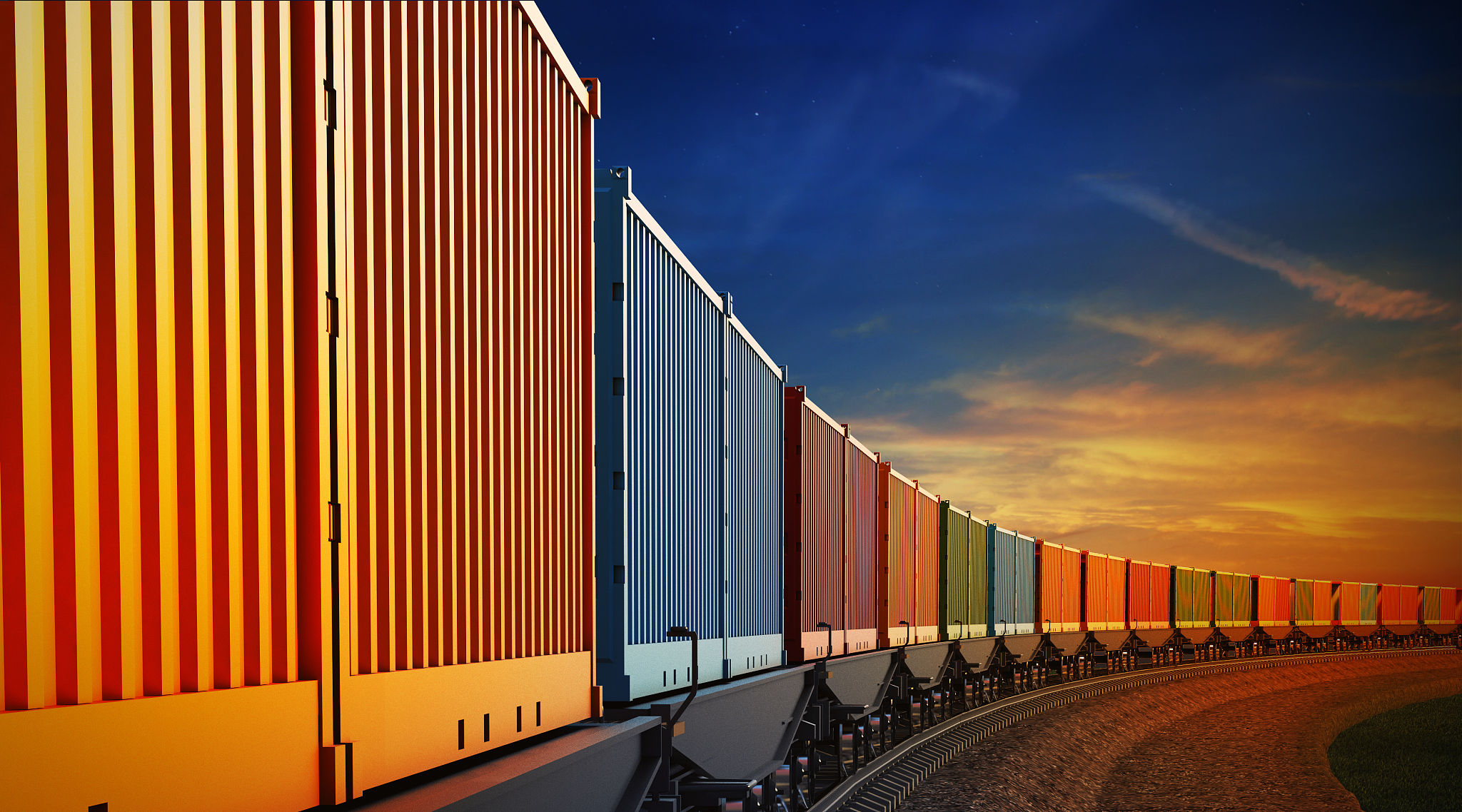
Sea Freight Advantages and Disadvantages
Sea freight, particularly for a 20GP FCL container, offers the lowest cost per unit for bulk shipments. It is ideal for non-urgent, high-volume medical devices and hospital furniture. Transit times China to Spain sea freight typically range from 28 to 35 days, making it suitable for long-term inventory planning.
However, sea freight is susceptible to port congestion and weather delays, which can contribute to demurrage. While offering significant cost savings, its longer transit time requires careful planning. For further details on options, explore sea freight services.
Air Freight for Urgent Medical Supplies
For highly urgent or high-value medical equipment, air freight is unparalleled in speed. It offers transit times of 5-7 days from China to Spain, minimizing inventory holding costs and responding quickly to critical needs. This speed, however, comes at a significantly higher cost.
Air freight is generally less prone to demurrage charges at airports due to faster processing. Nevertheless, it is less suitable for large, heavy medical equipment due to volumetric weight restrictions and higher freight rates. For critical shipments, consider air freight options.
Rail Freight: A Growing Alternative
Rail freight from China to Spain has emerged as a viable middle-ground, offering a balance between speed and cost. Transit times are typically 18-22 days, significantly faster than sea freight but more economical than air freight. This makes it attractive for certain types of medical equipment.
The New Silk Road rail routes provide a reliable and often more environmentally friendly option. However, rail freight might have limitations on cargo size and requires specific terminal access. It is an excellent option for shipping from China to Europe.
Hybrid Solutions for Specialized Needs
For certain scenarios, a hybrid approach combining different modes of transport can be optimal. For example, sea-air or rail-sea combinations can offer flexibility. This strategy might involve shipping by sea or rail to a European hub, then using air freight for the final, urgent leg to Spain.
Such solutions can reduce overall transit time compared to pure sea freight while managing costs better than pure air freight. Evaluating these bespoke options requires expert logistics planning. This approach can be particularly beneficial for specialized diagnostic equipment.
Which Shipping Option is Best for Your Medical Equipment?
❖Selecting the ideal shipping method for your medical equipment from China to Spain depends on several critical factors. Evaluating your priorities, such as budget, speed, and cargo specifications, will guide your decision. A tailored approach ensures efficiency and cost-effectiveness for your unique supply chain needs.
Ultimately, aligning the logistics strategy with the nature of your medical products is paramount. Consider the impact of each choice on your overall operational efficiency and patient outcomes. This decision framework helps clarify the best path forward.
Budget Priority
If cost-saving is your primary concern, 20GP FCL sea freight is almost always the most economical choice. It offers the lowest freight rates for large volumes of medical equipment. However, meticulous planning is required to mitigate the risk of demurrage and detention charges, which can negate initial savings.
Speed Priority
For urgent medical supplies, such as vaccines or critical diagnostic kits, air freight is the undisputed winner. Its rapid transit times ensure quick delivery, essential for maintaining cold chain logistics or responding to immediate healthcare demands. Rail freight offers a good balance if air freight is too costly.
Cargo Type and Volume Considerations
Large, heavy, or bulky medical equipment, like MRI machines or hospital beds, is best suited for 20GP FCL sea freight due to capacity and cost efficiency. Smaller, delicate, or high-value items might benefit from the speed and security of air freight. Consider container utilization for optimal loading.
Real-World Case Studies: Demurrage Prevention in Action
❖Examining real-world scenarios highlights the practical application of demurrage prevention strategies. These examples demonstrate how careful planning and execution can lead to significant cost savings and smooth operations. Each case provides valuable insights into managing complex international shipments.
These case studies illustrate the importance of proactive measures and strong partnerships in the logistics chain. They underscore that understanding potential challenges is key to successful medical equipment imports. Based on Q3 2024 market rates and typical transit times.
Case Study 1: Urgent Vaccine Shipment
| Detail | Value |
|---|---|
| Route | Shanghai, China -> Valencia, Spain |
| Cargo | Vaccines, 15 CBM, 2,500 kg (temperature controlled) |
| Container | 20GP FCL (reefer container) |
| Shipping Details | |
| – Carrier/Service | Major carrier (e.g., Maersk) |
| – Port of Loading | Shanghai |
| – Port of Discharge | Valencia |
| – Route Type | Direct |
| Cost Breakdown | |
| – Ocean Freight | $2,200 (reefer premium included) |
| – Origin Charges (THC, documentation) | $450 |
| – Destination Charges | $350 |
| – Customs & Duties (estimated) | $700 |
| – Total Landed Cost | $3,700 |
| Timeline | |
| – Booking to Loading | 5 days |
| – Sea Transit | 30 days |
| – Customs Clearance | 2 days |
| – Total Door-to-Door | 37 days |
| Key Insight | Pre-cleared customs documentation and pre-arranged cold chain delivery to hospital avoided demurrage despite tight schedule. Extended free time was negotiated for reefer container handling. |

Case Study 2: High-Volume Medical Devices
| Detail | Value |
|---|---|
| Route | Ningbo, China -> Barcelona, Spain |
| Cargo | Diagnostic imaging equipment, 25 CBM, 6,000 kg |
| Container | 20GP FCL |
| Shipping Details | |
| – Carrier/Service | COSCO |
| – Port of Loading | Ningbo |
| – Port of Discharge | Barcelona |
| – Route Type | Transshipment via Port Klang |
| Cost Breakdown | |
| – Ocean Freight | $1,900 |
| – Origin Charges (THC, documentation) | $380 |
| – Destination Charges | $280 |
| – Customs & Duties (estimated) | $850 |
| – Total Landed Cost | $3,410 |
| Timeline | |
| – Booking to Loading | 7 days |
| – Sea Transit | 34 days |
| – Customs Clearance | 3 days |
| – Total Door-to-Door | 44 days |
| Key Insight | Utilized a freight forwarder with strong local contacts in Spain to expedite customs and coordinate immediate inland transport, preventing demurrage despite a transshipment route. Effective communication saved days. |
Case Study 3: Specialized Diagnostic Equipment
| Detail | Value |
|---|---|
| Route | Shenzhen, China -> Valencia, Spain |
| Cargo | Specialized laboratory analyzers, 20 CBM, 4,000 kg |
| Container | 20GP FCL |
| Shipping Details | |
| – Carrier/Service | MSC |
| – Port of Loading | Shenzhen |
| – Port of Discharge | Valencia |
| – Route Type | Direct |
| Cost Breakdown | |
| – Ocean Freight | $2,100 |
| – Origin Charges (THC, documentation) | $420 |
| – Destination Charges | $300 |
| – Customs & Duties (estimated) | $950 |
| – Total Landed Cost | $3,770 |
| Timeline | |
| – Booking to Loading | 6 days |
| – Sea Transit | 29 days |
| – Customs Clearance | 1 day |
| – Total Door-to-Door | 36 days |
| Key Insight | Proactive submission of all required technical specifications and regulatory compliance documents to Spanish customs enabled rapid clearance. A dedicated team handled the specialized cargo, ensuring no delays. |
Leveraging Technology and Expert Partnerships
❖In today’s dynamic logistics landscape, technology plays a pivotal role in demurrage prevention. Implementing robust tracking systems provides real-time visibility of your 20GP FCL shipment. This allows for immediate action if delays are anticipated, thereby enhancing delivery schedule reliability.
Partnering with an experienced freight forwarder is equally crucial. A reputable partner understands the nuances of importing medical equipment from China to Spain. They can offer valuable insights into logistics trends, negotiate favorable terms, and provide comprehensive support from origin to destination.
Minimizing Risks: Insurance and Contingency Planning
❖Despite best efforts, unforeseen circumstances can still arise, leading to potential delays and demurrage. Therefore, comprehensive cargo insurance for your medical equipment is highly recommended. It protects against financial losses due to damage, loss, or extended storage, offering peace of mind.
Developing a contingency plan for potential disruptions is also vital. This includes identifying alternative transportation routes, having backup customs brokers, and establishing emergency communication protocols. Such preparedness is key to mitigating the impact of unexpected events on your supply chain.
Mastering 20GP FCL Demurrage Prevention for Medical Equipment
Effectively managing 20GP FCL demurrage prevention for medical equipment from China to Spain requires a combination of meticulous planning, robust documentation, and strategic partnerships. By implementing the strategies outlined, businesses can significantly reduce their shipping costs and improve supply chain efficiency.
Ultimately, a proactive approach to logistics, coupled with expert guidance, is paramount for success. Prioritizing clear communication and contingency planning will ensure your vital medical supplies reach their destination without unnecessary delays or expenses. Partner with specialists to navigate these complexities seamlessly.
Ready to streamline your logistics?
Are you looking to optimize your medical equipment imports and prevent costly 20GP FCL demurrage from China to Spain? Contact us today for a personalized consultation and a competitive quote. We are here to streamline your logistics and ensure timely, cost-effective delivery.
Request Quote