
Optimizing 40GP FCL Transit Time for Lighting from China to Denmark
Importing lighting products from China to Denmark requires careful planning and a deep understanding of logistics. Consequently, optimizing the 40GP FCL transit time for lighting is crucial for maintaining a competitive edge and ensuring timely inventory. This comprehensive guide, brought to you by Top China Freight, will explore key factors and strategies for efficient shipping.
✦
What is 40GP FCL Shipping for Lighting Products?
First, let’s clarify what 40GP FCL means in the context of shipping lighting from China to Denmark. FCL stands for Full Container Load, signifying that your cargo occupies an entire shipping container. A 40GP, or 40-foot General Purpose container, is a standard size, typically measuring 40 feet long, 8 feet wide, and 8 feet 6 inches high.
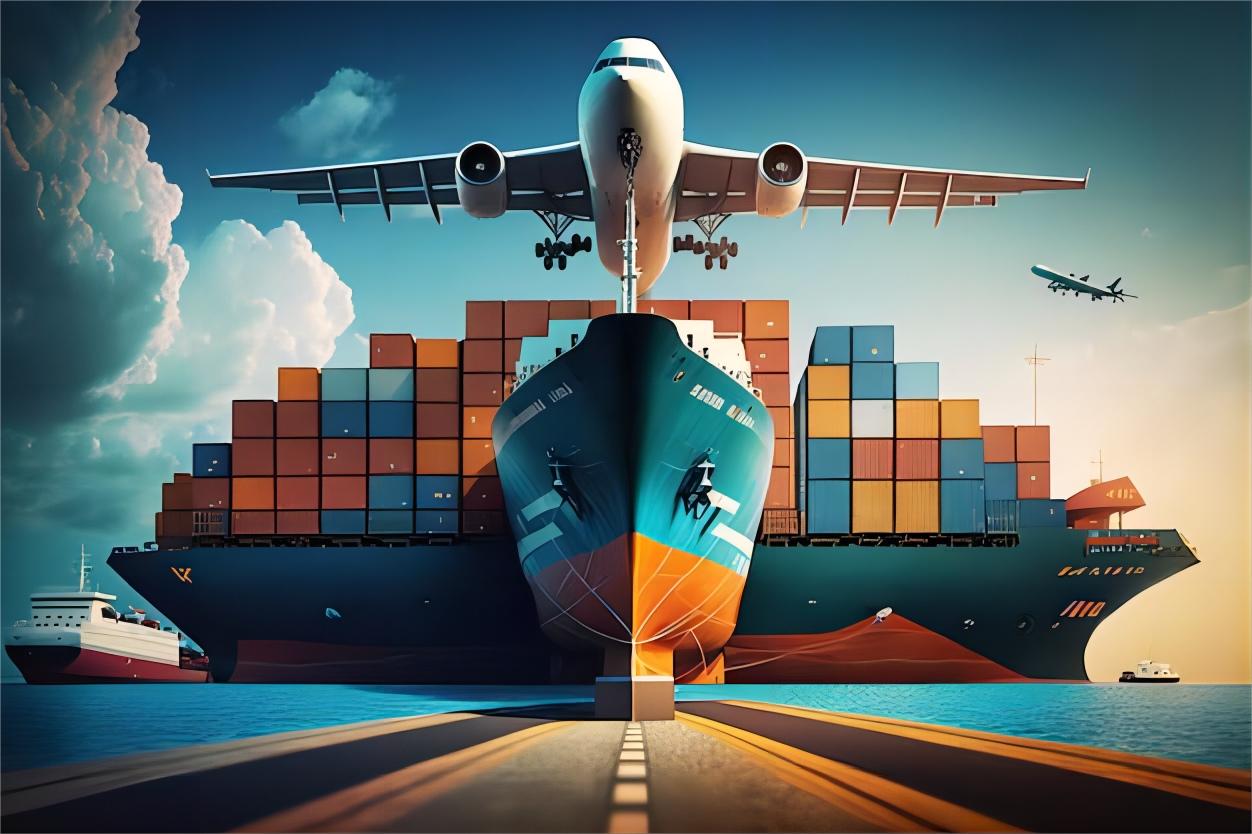
Therefore, choosing FCL is often cost-effective for larger volumes of lighting. It ensures your products are not mixed with other shippers’ goods, potentially reducing handling and damage risks. This method is ideal for businesses with substantial import needs.
Understanding the Standard 40GP FCL Transit Time to Denmark
Generally, the 40GP FCL transit time for lighting from China to Denmark typically ranges between 28 to 38 days. However, this is merely an estimate, as several variables can significantly influence the actual delivery schedule. Understanding these factors is key to accurate planning.
For instance, direct routes are faster, yet transshipment options might offer lower freight rates. Moreover, the specific port of origin in China and the final destination port in Denmark play a vital role. Major Chinese ports include Shanghai, Ningbo, and Shenzhen, while Aarhus and Copenhagen are primary Danish entry points.
Key Factors Influencing Your Lighting Shipment’s Transit Time
Indeed, multiple elements can impact the sea freight journey of your lighting products. Recognizing these helps in better supply chain management and setting realistic expectations. Each factor contributes to the overall transit time.
Firstly, the choice of shipping line and vessel schedule is paramount. Some carriers offer faster services or more frequent departures. Secondly, port congestion at either end can cause unforeseen delays, especially during peak seasons. Lastly, weather conditions and customs clearance processes also play a significant role.
Origin and Destination Ports
The specific ports involved directly affect the transit duration. For example, shipping from a major hub like Shanghai or Ningbo often provides more direct routes and frequent sailings. Conversely, smaller ports might require feeder vessels, adding days to the journey.
Similarly, Danish ports like Aarhus and Copenhagen have varying capacities and connections. Efficient handling at the port of discharge is crucial for minimizing delays. Furthermore, proximity to your final warehouse in Denmark will influence inland transportation time.
Carrier and Service Route
Different shipping lines operate distinct routes and have varying service levels. Some carriers specialize in faster transit times, while others prioritize cost-effectiveness. Therefore, selecting the right carrier is a strategic decision for your lighting imports.
Additionally, direct services bypass intermediate ports, thus saving time. Conversely, routes involving transshipment, where cargo is transferred to another vessel at an intermediary port, can add 5-10 days. Always inquire about the specific route details when getting a quote.
Seasonal Demand and Peak Periods
Seasonal fluctuations significantly impact freight rates and transit times. Notably, the period before major holidays like Chinese New Year or during the Q3/Q4 peak season for holiday shopping sees increased demand. This often leads to port congestion and vessel delays.
Consequently, planning your shipments outside these peak times, if possible, can help mitigate potential delays and secure better rates. Early booking is always advisable during high-demand periods to ensure vessel space.
Customs Clearance and Documentation
Efficient customs brokerage is indispensable for smooth imports. Any discrepancies or incomplete documentation can cause significant delays at customs. Proper classification of lighting products and accurate valuation are critical.
Moreover, Denmark, as an EU member, adheres to specific import regulations. Ensuring all paperwork, such as commercial invoices, packing lists, and certificates of origin, is impeccable will expedite the process. Partnering with an experienced freight forwarder simplifies this complex step.
How Does FCL Compare to Other Shipping Options for Lighting?
When importing lighting from China to Denmark, importers have several options beyond 40GP FCL. Each method presents a unique balance of speed, cost, and suitability for different cargo types. Understanding these alternatives is crucial for making informed decisions.
Consider your specific needs, such as the urgency of delivery and the volume of your lighting products. This comprehensive comparison will help you determine the most efficient shipping strategy for your business. Ultimately, the best choice aligns with your operational priorities.
| Shipping Method | Cost Range (40GP equivalent) | Transit Time | Best For | Limitations |
|---|---|---|---|---|
| 40GP FCL Sea Freight | $3,000 – $4,500 | 28 – 38 days | Large volume, non-urgent, cost-effective | Slowest transit time, port-to-port focus |
| LCL Sea Freight (per CBM) | $80 – $150/CBM | 35 – 45 days | Smaller volumes (under 15 CBM), cost-effective | Longer transit, higher risk of damage, more handling |
| Air Freight | $15,000 – $25,000 | 5 – 8 days | Urgent, high-value, small volume, samples | Very high cost, volume/weight restrictions |
| Rail Freight (China-Europe) | $8,000 – $12,000 | 18 – 25 days | Mid-range urgency, larger volumes than air | Limited terminals, higher cost than sea, less flexible routes to Denmark |
Optimizing Your 40GP FCL Shipping Strategy for Lighting Imports
To truly optimize your 40GP FCL transit time for lighting from China to Denmark, a proactive and informed approach is essential. Implementing smart strategies can lead to significant savings in both time and money. Furthermore, it enhances the reliability of your supply chain.
Indeed, effective planning involves more than just selecting a carrier. It encompasses everything from supplier coordination to final mile delivery. Prioritizing clear communication and leveraging expert advice are key components of this optimization process.
Early Booking and Supplier Coordination
Booking your container space well in advance, especially during peak seasons, is crucial. This secures your spot on preferred vessels and helps avoid last-minute rush surcharges. Moreover, coordinating closely with your Chinese lighting supplier ensures cargo readiness.
Ensuring your supplier completes production and packaging in time for the vessel cut-off dates prevents rollovers. A delay of even a few days can mean missing a vessel and waiting another week or more for the next available sailing. Effective communication is vital here.
Choosing Reliable Freight Forwarders
Partnering with an experienced and reputable freight forwarder is perhaps the most critical decision. A good forwarder possesses extensive knowledge of routes, carriers, and customs regulations for shipping from China to Europe. They can navigate complexities efficiently.
They can also offer valuable insights into logistics trends, helping you anticipate potential issues. Furthermore, they provide end-to-end services, including documentation, tracking, and even door-to-door delivery, streamlining your import process significantly.
Considering Hybrid and Expedited Services
While 40GP FCL sea freight is generally the most economical, hybrid solutions can offer a balance of speed and cost. For example, a sea-air combination might be suitable for a portion of your urgent lighting components. This approach reduces overall transit time compared to pure sea freight.
Alternatively, for extremely time-sensitive shipments, express air cargo services are available, albeit at a much higher cost. Evaluating the urgency of your lighting products against the associated freight rates will guide your decision. Sometimes, paying more for speed is a worthwhile investment.
Real-World Case Studies: 40GP FCL Lighting Shipments to Denmark
Let’s examine some practical examples of 40GP FCL lighting shipments from China to Denmark. These case studies illustrate typical scenarios, costs, and transit times, providing a realistic perspective for importers. They highlight the complexities and successes of international logistics.
Case Study 1: Standard LED Fixtures from Shanghai to Aarhus
This case involved a Danish retailer importing a large quantity of standard LED ceiling fixtures. The primary concern was balancing cost-effectiveness with a reasonable delivery schedule. Therefore, FCL sea freight was the chosen method.
| Detail | Description |
|---|---|
| Route | Shanghai, China -> Aarhus, Denmark |
| Cargo | LED Ceiling Fixtures, 65 CBM, 12,000 kg |
| Container | 1 x 40GP |
| Shipping Details | Carrier: COSCO, Port of Loading: Shanghai, Port of Discharge: Aarhus, Route Type: Direct |
| Cost Breakdown | Ocean Freight: $3,200 (Q2 2024), Origin Charges: $450, Destination Charges: $550, Customs & Duties (estimated): $800, Total Landed Cost: $5,000 |
| Timeline | Booking to Loading: 7 days, Sea Transit: 30 days, Customs Clearance: 3 days, Total Door-to-Door: 40 days |
| Key Insight | Smooth customs clearance due to accurate documentation. Achieved target transit time within budget. |
Case Study 2: Commercial Lighting Project from Shenzhen to Copenhagen
A Danish construction firm required specialized commercial lighting for a new project, with a slightly tighter deadline. They opted for a reliable carrier with a good track record for speed, accepting a slightly higher freight rate. This project emphasized timely delivery over minimal cost.
| Detail | Description |
|---|---|
| Route | Shenzhen, China -> Copenhagen, Denmark |
| Cargo | Industrial Track Lighting & Downlights, 58 CBM, 10,500 kg |
| Container | 1 x 40GP |
| Shipping Details | Carrier: Maersk, Port of Loading: Shenzhen, Port of Discharge: Copenhagen, Route Type: Direct |
| Cost Breakdown | Ocean Freight: $3,800 (Q3 2024 peak), Origin Charges: $500, Destination Charges: $600, Customs & Duties (estimated): $950, Total Landed Cost: $5,850 |
| Timeline | Booking to Loading: 5 days, Sea Transit: 32 days, Customs Clearance: 4 days, Total Door-to-Door: 42 days |
| Key Insight | Proactive communication with carrier and customs broker ensured minimal delays despite peak season challenges. Slight delay due to port congestion at arrival. |

Which Option Should You Choose for Your Lighting Imports?
Deciding on the best shipping method for your lighting products depends on a careful assessment of your business priorities. Consider these key criteria to make an informed choice. Each factor guides you towards the most appropriate logistics solution.
Ultimately, the goal is to find a balance that supports your operational efficiency and financial objectives. Do not hesitate to consult with freight experts for tailored advice based on current market conditions.
Budget Priority
If cost-effectiveness is your paramount concern, 40GP FCL sea freight is almost always the recommended option. It offers the lowest per-unit cost for large volumes of lighting. However, be prepared for longer transit times.
For smaller volumes where FCL is too expensive, LCL sea freight can be a viable alternative. Nevertheless, remember LCL often incurs longer transit times and higher per-CBM handling charges. Always compare total landed costs.
Speed Priority
When speed is critical for your lighting products, air freight is the clear winner, despite its significantly higher cost. It’s suitable for urgent orders, high-value items, or samples. Transit times are drastically reduced.
For a balance between speed and cost, rail freight from China to Europe offers a faster alternative to sea freight. However, final delivery to Denmark from European rail hubs still requires additional trucking. Evaluate if the time savings justify the increased cost.
Cargo Type Considerations
For delicate or high-value lighting products, FCL shipping provides greater security and less handling than LCL. This minimizes the risk of damage during transit. Furthermore, specialized containers might be available for unique requirements.
Conversely, for extremely fragile or highly sensitive electronic lighting, air freight offers a smoother journey with less exposure to harsh conditions. Always ensure proper packaging, regardless of the chosen shipping method, to protect your investment.
Volume Thresholds for Switching Methods
Generally, if your lighting shipment exceeds 15-20 CBM, FCL sea freight (like a 40GP) becomes more economical than LCL. The cost savings per CBM increase significantly with full container utilization. Therefore, consolidate orders where possible.
If your volume is very small, typically under 1-2 CBM, express air services or even postal services might be more practical. However, for anything in between, a detailed cost analysis for all options is essential before making a decision. This ensures optimal freight rates.
Seamless Lighting Imports: Mastering the 40GP FCL Transit Time
Effectively managing the 40GP FCL transit time for lighting from China to Denmark is a cornerstone of successful international trade. By understanding the influencing factors, exploring various shipping options, and implementing strategic planning, importers can significantly enhance their supply chain efficiency. Partnering with a reliable freight forwarder further ensures a smooth and predictable shipping experience, ultimately leading to greater business success. Freight rates are subject to change based on fuel costs, carrier capacity, and seasonal demand. Contact us for a current quote tailored to your specific shipment.