
20GP FCL Freight Rate for Electronics from China to France
“Shipping electronics from China to France requires careful planning and an understanding of fluctuating freight rates. Securing an efficient 20GP FCL freight rate for electronics from China to France is crucial for your supply chain’s success. At Top China Freight, we specialize in providing reliable and cost-effective solutions for your international cargo. This guide explores key factors, comparison options, and strategic insights to help you make informed decisions.”
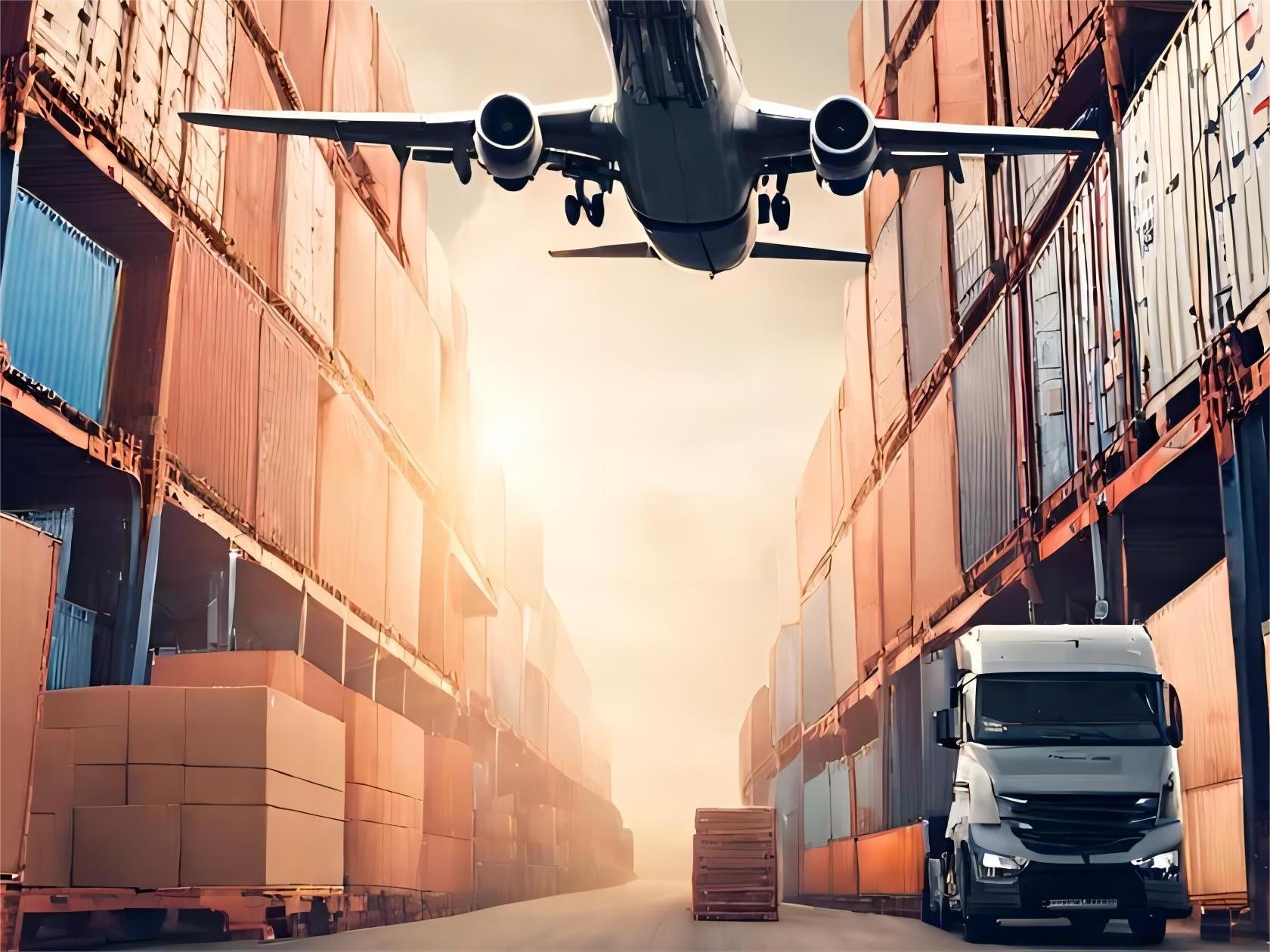
Understanding the 20GP FCL Freight Rate for Electronics from China to France
❖A 20-foot Full Container Load (FCL) is often the most economical choice for larger electronics shipments. This method ensures your cargo occupies an entire container, offering enhanced security and direct transit. Understanding the components of the 20GP FCL freight rate is vital for accurate budgeting.
Many factors influence the final cost, including the specific port of loading in China and the port of discharge in France. Seasonal demand, fuel surcharges, and carrier availability also play significant roles. Consequently, rates can vary considerably throughout the year, impacting your overall logistics budget.
What Factors Influence Your FCL Shipping Costs?
❖Several key elements contribute to the total sea freight cost for electronics. Ocean freight charges form the core, reflecting the base rate for container transport between ports. These rates are subject to market volatility and global economic conditions.
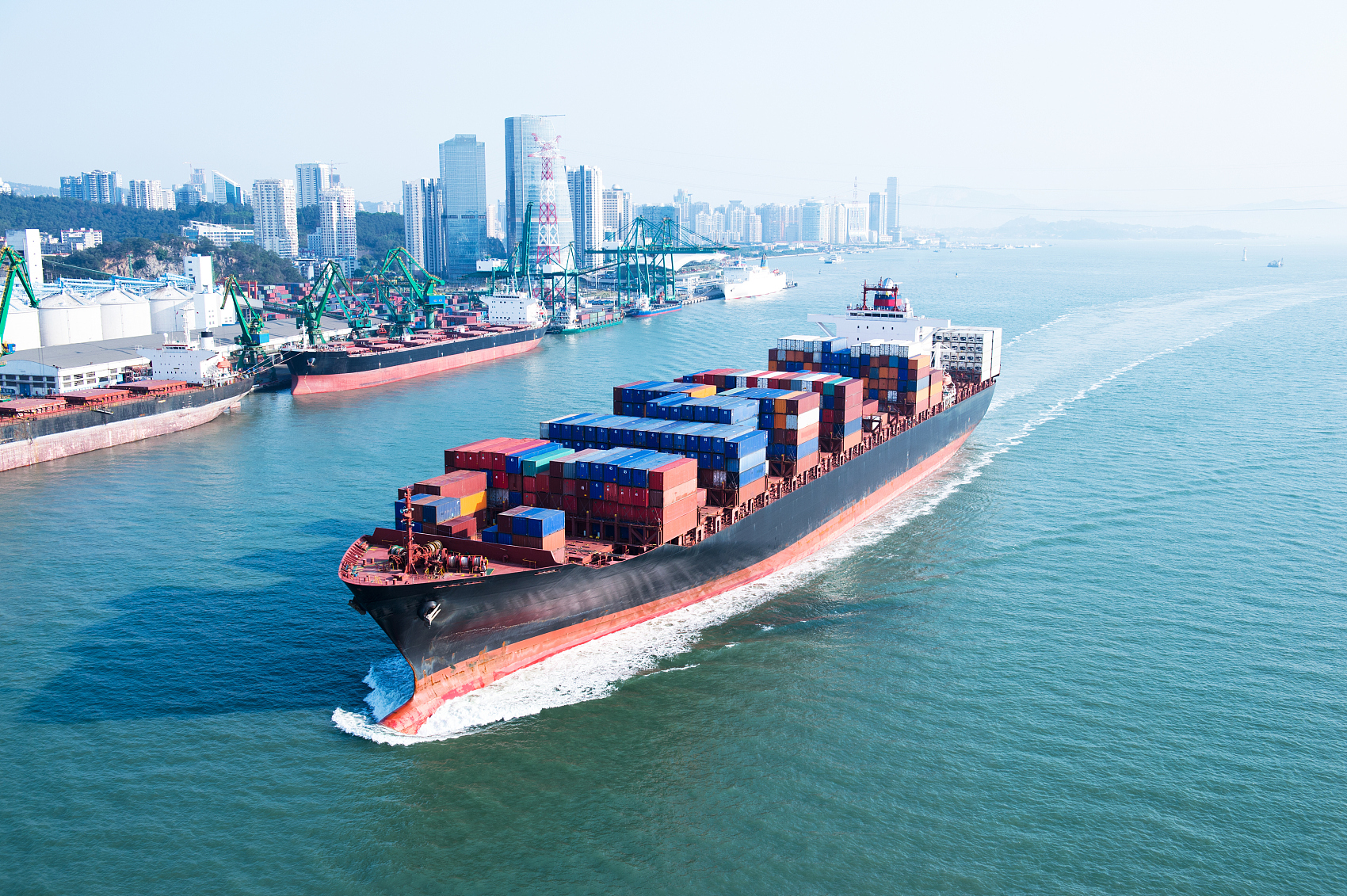
Additionally, origin charges cover local handling, documentation, and terminal fees in China. Destination charges in France include similar services upon arrival, such as port handling and customs clearance. Ultimately, understanding these various components helps forecast your total landed cost more accurately.
How Do Transit Times Impact Your Supply Chain?
❖Transit time is a critical consideration for electronics, given their rapid market cycles and demand. For a 20GP FCL from China to France, typical sea transit ranges from 28 to 35 days. This duration can extend due to port congestion, weather conditions, or customs delays.
Therefore, careful planning of your delivery schedule is essential to meet market demands and manage inventory effectively. Unexpected delays can disrupt production lines or lead to missed sales opportunities. Consequently, a reliable logistics partner can help mitigate these risks, providing real-time tracking and proactive communication.
How Does Sea Freight Compare to Other Shipping Options?
❖While FCL sea freight is often the most cost-effective for bulk electronics, other modes offer different advantages. Comparing these options is crucial for optimizing your supply chain based on specific needs. This section explores viable alternatives for shipping from China to France.
For instance, air freight offers significantly faster transit times, suitable for urgent or high-value electronics. However, its cost is substantially higher, making it less ideal for regular, large-volume shipments. Rail freight presents a balance between speed and cost, a growing option for Europe-bound cargo.
| Shipping Method | Cost Range (20GP Equivalent) | Transit Time | Best For | Limitations |
|---|---|---|---|---|
| Sea Freight (FCL) | $1,800 – $4,200 | 28 – 35 days | Large, non-urgent electronics | Slowest transit, potential delays |
| Rail Freight | $6,000 – $9,500 | 18 – 22 days | Medium urgency, moderate volume | Limited rail network, higher cost than sea |
| Air Freight | $15,000 – $25,000+ | 5 – 7 days | Urgent, high-value, small volume | Highest cost, volumetric weight charges |
Which Shipping Option Should You Choose?
Your choice largely depends on a few key factors. If budget is your primary concern and time allows, FCL sea freight is usually the best option for electronics. It provides the lowest per-unit cost for large volumes.
Conversely, for time-sensitive product launches or emergency stock replenishment, air freight is indispensable. Hybrid solutions, such as sea-rail combinations, can offer a balance, providing quicker delivery than pure sea freight at a lower cost than air. Consider your cargo type, volume, and urgency carefully.
Navigating Customs and Regulations for Electronics Imports into France
❖Importing electronics into France from China involves navigating specific customs procedures and regulations. All electronic goods must comply with EU directives, including CE marking, RoHS (Restriction of Hazardous Substances), and WEEE (Waste Electrical and Electronic Equipment) compliance. Proper documentation is paramount.
Engaging a reliable customs brokerage service is crucial to ensure smooth clearance. They can help prepare necessary paperwork, calculate duties and taxes, and avoid potential delays or penalties. Incorrect documentation is a common cause of costly hold-ups at the border.
| Document | Purpose |
|---|---|
| Commercial Invoice | Details of goods, value, seller, buyer |
| Packing List | Contents of each package, weight, dimensions |
| Bill of Lading (B/L) | Contract of carriage, title to goods |
| Certificate of Origin | Proves country of manufacture |
| CE Declaration of Conformity | EU product safety compliance |

Real-World Scenarios: 20GP FCL Electronics Shipments
❖Understanding real-world examples helps illustrate the practical aspects of shipping electronics via 20GP FCL. These case studies highlight typical costs, transit times, and potential challenges. Rates are based on Q3 2024 market averages, subject to change.
Case Study 1: High-Value Consumer Electronics
This scenario involves a French retailer importing smart home devices, requiring careful handling and timely delivery. The cargo value necessitated robust insurance and efficient customs processing. The chosen route minimized transshipment points for security.
| Detail | Value |
|---|---|
| Route | Shenzhen, China -> Le Havre, France |
| Cargo | Smart Home Devices, 28 CBM, 9,500 kg |
| Container | 20GP FCL |
| Carrier/Service | Major carrier (e.g., COSCO) |
| Port of Loading | Shenzhen |
| Port of Discharge | Le Havre |
| Route Type | Direct |
| Ocean Freight | $2,350 |
| Origin Charges | $480 |
| Destination Charges | $620 |
| Customs & Duties (estimated) | $1,800 |
| Total Landed Cost | $5,250 |
| Booking to Loading | 4 days |
| Sea Transit | 30 days |
| Customs Clearance | 3 days |
| Total Door-to-Door | 37 days |
| Key Insight | Opting for a direct route reduced transit risks for high-value goods, ensuring faster market entry. |
Case Study 2: Bulk Components for Assembly
A manufacturer in Lyon needed a steady supply of electronic components for their production line. Cost-efficiency was prioritized over speed, given the predictable demand. This shipment benefited from stable off-peak rates.
| Detail | Value |
|---|---|
| Route | Ningbo, China -> Fos-sur-Mer, France |
| Cargo | Integrated Circuits & PCBs, 26 CBM, 11,000 kg |
| Container | 20GP FCL |
| Carrier/Service | Major carrier (e.g., MSC) |
| Port of Loading | Ningbo |
| Port of Discharge | Fos-sur-Mer |
| Route Type | Transshipment via Singapore |
| Ocean Freight | $1,980 |
| Origin Charges | $450 |
| Destination Charges | $580 |
| Customs & Duties (estimated) | $1,500 |
| Total Landed Cost | $4,510 |
| Booking to Loading | 5 days |
| Sea Transit | 34 days |
| Customs Clearance | 4 days |
| Total Door-to-Door | 43 days |
| Key Insight | Utilizing a transshipment route during off-peak season provided significant cost savings for bulk components. |
Case Study 3: Time-Sensitive Small Appliances
This case involved a distributor importing a new line of kitchen gadgets, where hitting a specific market launch date was crucial. Although a 20GP FCL was used, the timing was critical. Early booking helped secure a favorable slot.
| Detail | Value |
|---|---|
| Route | Shanghai, China -> Dunkirk, France |
| Cargo | Small Kitchen Appliances, 27 CBM, 8,000 kg |
| Container | 20GP FCL |
| Carrier/Service | Major carrier (e.g., Maersk) |
| Port of Loading | Shanghai |
| Port of Discharge | Dunkirk |
| Route Type | Direct |
| Ocean Freight | $2,450 |
| Origin Charges | $500 |
| Destination Charges | $650 |
| Customs & Duties (estimated) | $1,950 |
| Total Landed Cost | $5,550 |
| Booking to Loading | 3 days |
| Sea Transit | 32 days |
| Customs Clearance | 3 days |
| Total Door-to-Door | 38 days |
| Key Insight | Proactive booking and a direct route ensured adherence to a tight market launch schedule for new products. |
Optimizing Your Shipping Strategy: Tips for Cost and Efficiency
❖Optimizing your logistics strategy can lead to significant savings and improved efficiency. Consider consolidating multiple smaller shipments into a 20GP FCL whenever possible. This approach often reduces per-unit costs compared to Less than Container Load (LCL) options.
Furthermore, planning shipments during off-peak seasons can help secure better rates. Avoiding major holidays in China and peak shipping months in Europe is advisable. Employing a door-to-door service can streamline the entire process, minimizing hand-off points and potential delays.
Current Market Insights Affecting China-France Freight
❖As of Q1 2025, freight rates from China to Europe have stabilized after the 2024 Red Sea disruptions, though volatility remains. Geopolitical events and global trade policies continue to influence shipping costs and transit times. Staying informed about these logistics trends is crucial.
Industry average for this route suggests rates can fluctuate by 15-25% during August-October peak season. Moreover, increasing environmental regulations might impact future carrier choices and associated costs. Partnering with an experienced freight forwarder helps navigate these complex market dynamics effectively.
Conclusion
Ultimately, managing the 20GP FCL freight rate for electronics from China to France involves balancing cost, speed, and reliability. Strategic planning, understanding market dynamics, and partnering with an experienced logistics provider are key. By carefully considering all factors, businesses can ensure efficient and economical delivery of their valuable electronic cargo, thereby strengthening their supply chain.
Ready to streamline your logistics?
Ready to optimize your 20GP FCL freight rate for electronics from China to France? Our expert team at Top China Freight is prepared to provide tailored solutions and competitive quotes. Do not hesitate to contact us today for a comprehensive consultation on your specific shipping needs.
Request Quote