As a freight agent for Top China Freight, we are pleased to share insights into the shipping conditions in Israel. This developed country in Western Asia is rich in resources, equipped with advanced facilities, and features a robust infrastructure, creating an ideal environment for the freight industry.
Israel is home to modern ports and logistics hubs, with Tel Aviv and Haifa serving as the primary port cities. These ports utilize cutting-edge freight handling technologies, facilitating efficient cargo loading, unloading, storage, and transportation. Additionally, Israel’s extensive network of roads, railways, and air routes ensures rapid and reliable delivery of goods to their destinations. Tel Aviv, as the nation’s economic center, benefits from premier logistics and warehousing facilities, significantly enhancing distribution efficiency.
However, it’s essential to note that Israel’s complex geopolitical landscape, particularly its relations with neighboring Arab countries and Palestine, can impact cargo transportation. During times of political tension, adjustments to shipping routes and increased security measures may be necessary. We closely monitor these situations to ensure the safety of your cargo and provide contingency solutions as needed.
In conclusion, Israel’s strong logistics and transportation infrastructure makes it an excellent location for freight operations, presenting significant opportunities for growth. We are committed to delivering high-quality freight services that empower your success in the Israeli market. Through strategic planning and proactive measures, we guarantee that your shipments arrive safely and on time.
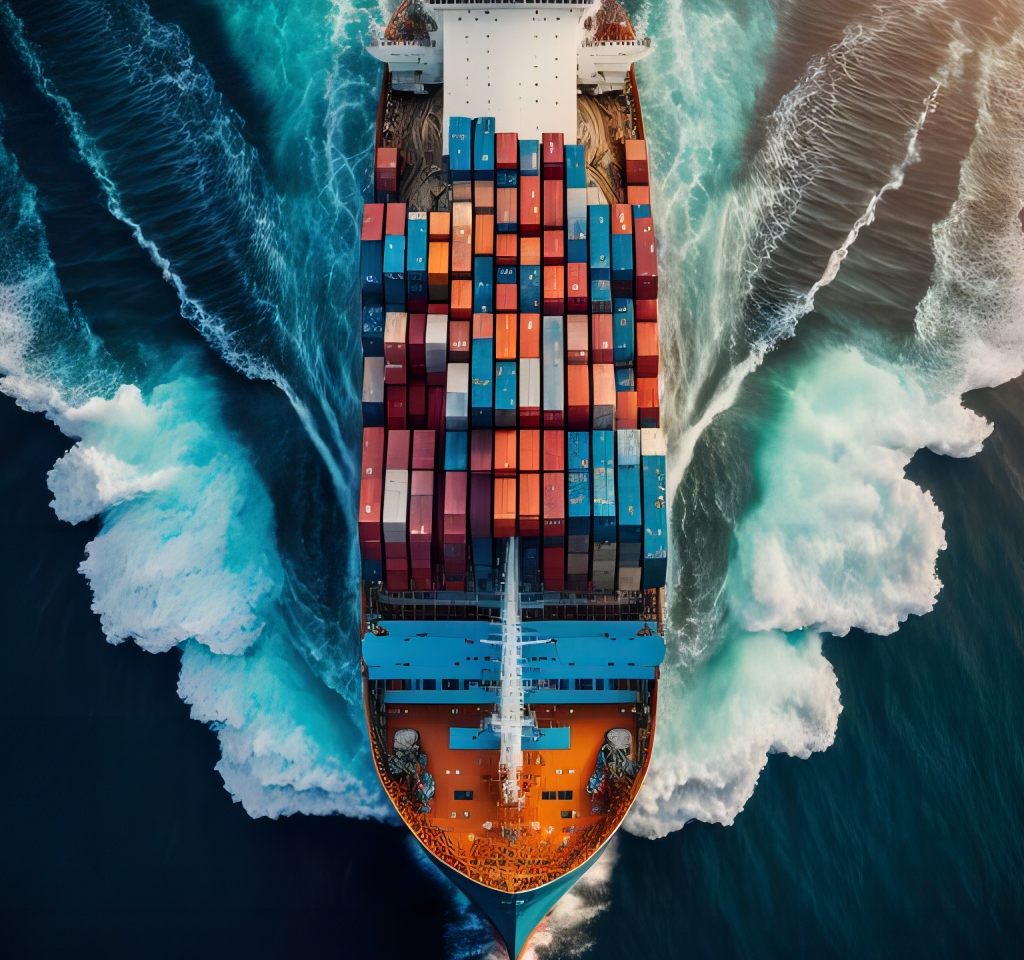
The transportation of goods by cargo ships across oceans, ideal for large volumes and heavy items.
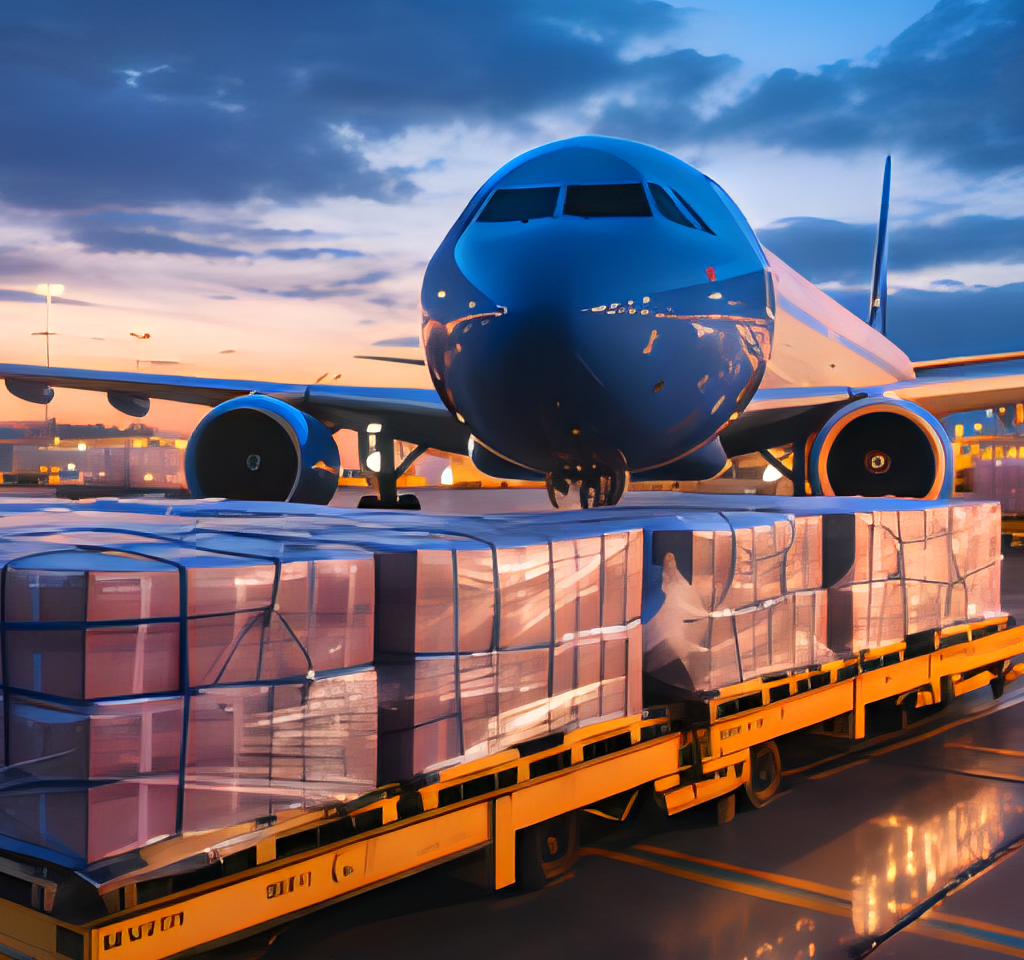
The shipment of goods via airplanes, offering fast delivery times for high-value or time-sensitive cargo.

This comprehensive solution streamlines the shipping process, ensuring efficient and hassle-free delivery.

The process of shipping goods that are loaded individually rather than in containers, typically used for oversized or irregularly shaped cargo.
This is usually the first and most serious question.
In Israel, many product categories require compliance approval from the Standards Institution of Israel before release or sale.
This includes:
Electrical appliances
Toys
Some construction materials
Protective equipment
Certain consumer electronics
Importers often ask their Chinese suppliers for technical files, test reports, and safety documentation before production begins, not after shipment.
If approval is required but not prepared in advance, goods may be held at port for testing.
Not always.
While Israel recognizes many European standards, CE marking does not automatically guarantee clearance.
Customs or regulators may still require:
Local conformity declaration
Hebrew documentation
Additional safety testing
Importers clarify this early to avoid assuming CE equals automatic approval.
Israel applies VAT (currently 17%) on CIF value plus customs duty.
This VAT must be paid at importation.
Although businesses can reclaim VAT later through tax filings, the immediate payment affects short-term liquidity.
Importers calculate not only duty rate but cash flow timing before confirming large orders.
Yes, potentially.
Even small changes in:
Voltage
Material composition
Internal components
Model number
May invalidate previously approved certification.
Importers often insist on locking product specifications before mass production.
Israeli customs reviews declared value using:
Historical import data
Comparable transactions
Transfer pricing review (if related parties)
If value appears inconsistent with market norms, customs may request supporting documents.
Under-declaration is risky because Israel maintains structured audit mechanisms.
Most sea shipments from China enter via:
Port of Haifa
Port of Ashdod
Importers usually choose based on proximity to warehouse or distribution center rather than freight rate difference.
Absolutely.
Many products must include:
Hebrew labeling
Importer name and address
Safety warnings
Country of origin
Relabeling at port is possible but costly and time-consuming.
Serious importers approve final packaging artwork before production.
Technically possible, but most Israeli importers prefer controlling customs entry themselves.
Reasons include:
Direct relationship with local customs broker
Better compliance oversight
Reduced post-entry audit exposure
DDP without proper Israeli importer registration can create complications.
Yes, especially:
Telecom equipment
Dual-use technologies
Medical devices
Safety-related products
These may involve additional review beyond standard customs clearance.
Importers verify regulatory scope before placing bulk orders.
If:
All documents are correct
Compliance approvals are completed
Labeling is proper
Clearance may be completed within a few working days.
If documentation is incomplete or testing is required, delays can extend significantly.
Preparation determines speed.
Israeli importers typically require:
Commercial invoice with precise description
Packing list
Bill of lading
Certificate of origin (if requested)
Test reports or compliance documentation
Technical specifications
Incomplete or inconsistent documents increase inspection probability.
Assuming that because Israel is a developed market, procedures are simple.
In reality, Israel is:
Technically regulated
Standards-driven
Documentation-focused
The biggest delays happen not due to freight issues — but due to compliance gaps discovered after arrival.
Cargo Insurance provides coverage for goods against loss, damage, or theft during transit, ensuring that the owner receives financial compensation in the event of unforeseen incidents.
Amazon FBA (Fulfillment by Amazon) is a service where sellers store their products in Amazon's warehouses, and Amazon handles the packing, shipping, and customer service.
Customs brokerage is a service that helps importers and exporters clear goods through customs.
Door to door service refers to the transportation of goods directly from the sender's location to the recipient's location, handled entirely by the carrier.
Express service provide fast, time-sensitive delivery of parcels and documents.
DDU term means the seller is responsible for delivering the goods to the buyer’s designated destination, but not for paying import duties and other import fees. The buyer is responsible for customs clearance and paying all applicable duties, taxes, and fees.
DDP term means the seller is responsible for delivering the goods to the buyer’s designated destination and for paying all import duties and other import fees. The buyer only needs to receive the goods, without bearing any additional expenses.