
40GP FCL Shipping Cost for Textiles from China to Portugal
Navigating international freight logistics can be complex, especially when importing textiles. Understanding the 40GP FCL shipping cost for textiles from China to Portugal is crucial for budget planning and supply chain efficiency. This comprehensive guide offers insights to help businesses like yours make informed shipping decisions. We aim to clarify the various factors influencing freight rates and transit times.
What is 40GP FCL Shipping for Textiles?
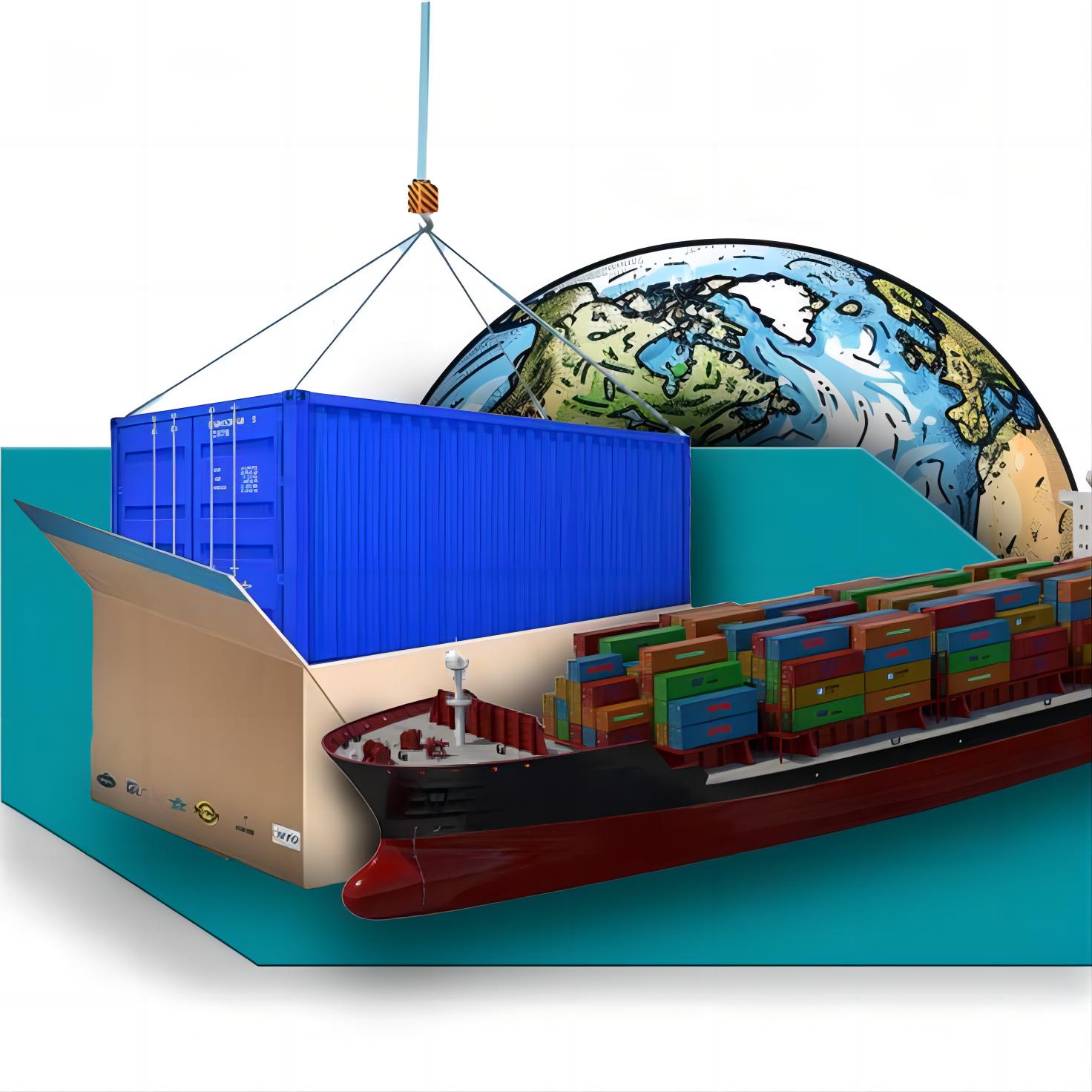
Specifically, a 40GP refers to a 40-foot General Purpose container, a standard size widely used in global shipping. This container measures approximately 40 feet long, 8 feet wide, and 8.5 feet high, offering substantial capacity for various goods. Consequently, it is ideal for bulk cargo.
FCL, or Full Container Load, means you are utilizing the entire container exclusively for your goods. This method is particularly beneficial for textile importers with large volumes, ensuring their products remain separate and secure. Moreover, it often leads to better per-unit costs compared to sharing space with other shippers.
Textiles, given their volume and often delicate nature, frequently benefit from FCL shipping. This approach minimizes handling, thereby reducing the risk of damage or contamination. Furthermore, it streamlines the logistics process from origin to destination.
Key Factors Influencing 40GP FCL Shipping Cost for Textiles from China to Portugal
Several critical elements collectively determine the sea freight cost for your 40GP FCL textile shipment from China to Portugal. Understanding these components is essential for accurate budgeting. Therefore, careful consideration of each factor is necessary.
Firstly, ocean freight rates form the largest part of the cost, encompassing base rates, Bunker Adjustment Factors (BAF), and Currency Adjustment Factors (CAF). These rates fluctuate based on global trade demand, fuel prices, and carrier capacity. For instance, peak seasons typically see higher rates.
Secondly, origin charges in China include terminal handling, documentation, and customs declaration fees. Likewise, destination charges in Portugal cover similar costs, plus port security and potentially local delivery. Consequently, these charges add significantly to the overall expense.
Moreover, seasonal fluctuations heavily impact pricing. Rates often surge during peak shipping seasons, such as Q3 (July-September) and before Chinese New Year. Planning your shipments outside these periods can offer considerable cost savings. Additionally, global events like port congestion can introduce unexpected surcharges and delays.
How Does 40GP FCL Compare to Other Shipping Options?
Choosing the right shipping method is paramount for cost-efficiency and timely delivery of textiles from China to Portugal. While 40GP FCL sea freight is often the most economical for large volumes, other alternatives exist. Therefore, evaluating your specific needs is crucial.
This comparison helps illustrate the trade-offs between speed, cost, and suitability for different cargo types. Understanding these distinctions allows importers to make informed decisions. Consequently, businesses can optimize their supply chain strategy.
| Shipping Method | Cost Range (40GP equivalent) | Transit Time (China to Portugal) | Best For | Limitations |
|---|---|---|---|---|
| Sea Freight (FCL 40GP) | $2,800 – $4,500 | 28-35 days | Large volume, non-urgent textiles | Slowest transit, port congestion |
| Sea Freight (LCL) | $50 – $80 per CBM | 35-45 days | Small to medium textile volumes | More handling, longer transit, higher per CBM |
| Rail Freight | $8,000 – $12,000 | 20-28 days (to EU hub + onward) | Mid-volume, moderate urgency textiles | Less direct routes, transshipment often needed |
| Air Freight | $15,000 – $25,000+ | 5-7 days | Urgent, high-value, small textile batches | Very high cost, limited capacity for bulk |
Sea Freight: LCL vs. FCL
LCL (Less than Container Load) is suitable for smaller textile shipments that do not fill an entire container. Your cargo shares space with other shippers’ goods, and costs are calculated based on volume or weight. However, LCL typically involves more handling and longer transit times due to consolidation.
Conversely, FCL (Full Container Load), especially with a 40GP, is ideal for larger textile orders. It offers dedicated space, faster transit as there is no consolidation, and generally lower per-unit costs for high volumes. This method provides greater security and predictability for your textile goods.
Air Freight
Air freight provides the fastest transit times, making it suitable for urgent, high-value, or time-sensitive fashion collections. However, it is significantly more expensive than sea freight. Therefore, air transport is generally reserved for smaller, critical textile shipments or samples. Moreover, capacity for bulk textiles is often limited.
For example, shipping a 40GP equivalent by air could cost 5-10 times more than by sea. While speed is a clear advantage, the high cost often makes it impractical for regular, large-volume textile imports. Nevertheless, it remains a viable option for specific scenarios.
Rail Freight
Rail freight presents an attractive middle ground between sea and air for shipments from China to Europe, including Portugal. It is faster than sea freight but considerably cheaper than air. Transit times typically range from 18-25 days to central European hubs. From there, goods can be forwarded to Portugal.
This option offers a balance of speed and cost-effectiveness, particularly appealing for textile importers seeking a quicker alternative to ocean shipping without the high expense of air freight. Furthermore, rail services are becoming increasingly reliable. Consider rail freight for a balanced approach.

Transit Times and Routes from China to Portugal
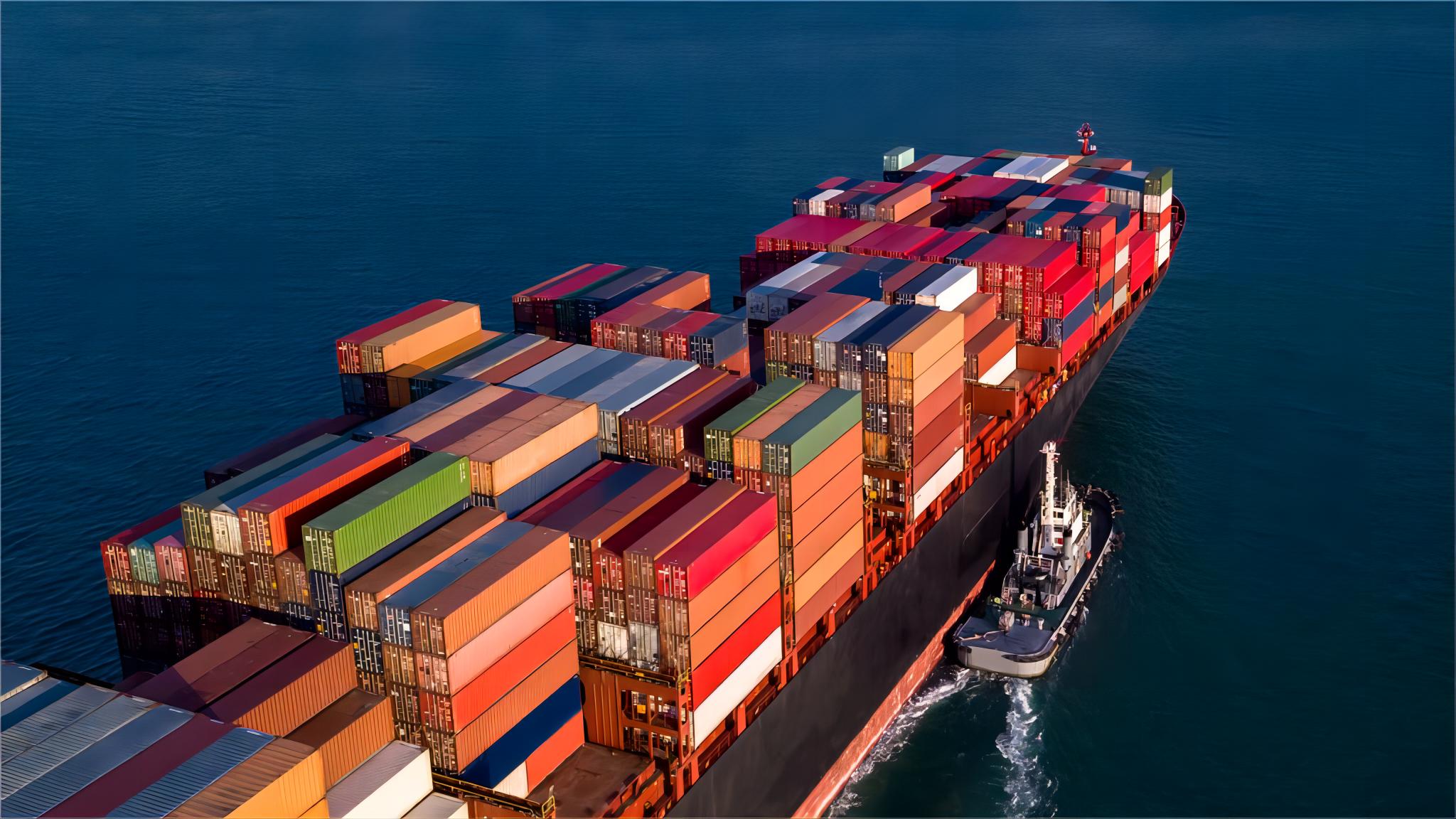
The journey for a 40GP FCL textile shipment from China to Portugal typically involves major Chinese ports such as Shanghai, Ningbo, and Shenzhen. These hubs handle vast amounts of cargo destined for Europe. The primary destination ports in Portugal are Lisbon and Leixoes (Porto).
Average sea transit times range from 28 to 35 days for direct services. However, some routes may involve transshipment through intermediate ports like Valencia or Algeciras, potentially adding several days. Consequently, carrier choice and vessel speed also influence the overall schedule.
For door-to-door delivery, additional time must be factored in for inland transportation in China, customs clearance at both ends, and final delivery within Portugal. Therefore, a realistic total lead time often stretches to 35-45 days. This comprehensive timeline helps manage expectations for your supply chain.
Essential Documentation and Customs Clearance for Textile Imports to Portugal
Proper documentation is critical for smooth customs clearance of textile imports into Portugal. Importers must prepare a comprehensive set of papers to avoid delays and penalties. Furthermore, inaccuracies can lead to significant issues.
Key documents include the Commercial Invoice, Packing List, and Bill of Lading. Additionally, a Certificate of Origin is often required to determine preferential tariff treatments. For textiles, specific declarations related to EU REACH compliance or other product safety standards may also be necessary.
Portugal, as an EU member, adheres to EU customs regulations. This means import duties and VAT apply to textiles from outside the EU. Engaging a reliable customs brokerage service is highly recommended. Their expertise ensures compliance and efficient processing, minimizing potential hold-ups at the border.
Cost-Saving Strategies for Textile Importers
Optimizing the 40GP FCL shipping cost for textiles from China to Portugal involves strategic planning and smart execution. Implementing effective cost-saving measures can significantly improve your bottom line. Therefore, consider these approaches.
Booking your shipments well in advance, especially during anticipated peak seasons, can secure better rates and container availability. Additionally, maximizing container utilization by efficiently packing your textile goods helps avoid wasted space. Every cubic meter counts towards cost-effectiveness.
Furthermore, negotiating with multiple freight forwarders can yield competitive pricing. Exploring door to door services can also streamline costs by consolidating various logistics steps under one provider. This reduces administrative burden and often hidden fees.
Considering off-peak shipping seasons is another powerful strategy. Rates typically drop when demand is lower, offering substantial savings. Lastly, staying informed about market trends and potential surcharges allows for proactive budgeting. For urgent small batches or samples, consider using an express service, though it is more costly.
Real-World Case Studies: Textile Shipments to Portugal
Examining actual shipping scenarios provides practical insights into the complexities and costs involved in transporting textiles. These case studies highlight various factors impacting the 40GP FCL shipping cost for textiles from China to Portugal. They illustrate typical challenges and successful strategies.
The following examples are based on Q3 2024 market rates and common logistical practices. Please note that actual costs and timelines can vary. Therefore, always seek a current quote for your specific needs.
Case Study 1: Large Volume Apparel Shipment
This case involved a Portuguese fashion retailer importing a substantial quantity of cotton apparel. The goal was to achieve cost-efficiency for their seasonal collection. Therefore, FCL sea freight was the chosen method.
| Detail | Description |
|---|---|
| Route | Shanghai, China -> Lisbon, Portugal |
| Cargo | Cotton T-shirts, 60 CBM, 15,000 kg |
| Container | 40GP |
| Shipping Details | Carrier: Maersk, Port of Loading: Shanghai, Port of Discharge: Lisbon, Route Type: Direct |
| Cost Breakdown | Ocean Freight: $3,200 | Origin Charges: $450 | Destination Charges: $550 | Customs & Duties (estimated): $1,200 | Total Landed Cost: $5,400 |
| Timeline | Booking to Loading: 7 days | Sea Transit: 30 days | Customs Clearance: 3 days | Total Door-to-Door: 45 days |
| Key Insight | Direct route minimized transit time, and careful planning avoided peak season surcharges. The FCL volume was well-suited for a 40GP container, optimizing space and cost. |
Case Study 2: Urgent Fashion Collection with Transshipment
An importer needed to replenish stock for a popular fashion line, requiring a balance between speed and cost. Although not ultra-urgent, a slightly faster sea route was preferred. Thus, a transshipment option was considered.
| Detail | Description |
|---|---|
| Route | Shenzhen, China -> Leixoes (Porto), Portugal |
| Cargo | Mixed fashion garments, 55 CBM, 12,000 kg |
| Container | 40GP |
| Shipping Details | Carrier: MSC, Port of Loading: Shenzhen, Port of Discharge: Leixoes, Route Type: Transshipment via Valencia |
| Cost Breakdown | Ocean Freight: $3,500 | Origin Charges: $480 | Destination Charges: $600 | Customs & Duties (estimated): $1,100 | Total Landed Cost: $5,680 |
| Timeline | Booking to Loading: 8 days | Sea Transit: 33 days | Customs Clearance: 4 days | Total Door-to-Door: 48 days |
| Key Insight | Transshipment added a few days but provided access to a preferred carrier with better rates at the time. Efficient documentation prevented customs delays despite the extra stop. |
Which Shipping Option Should You Choose for Your Textiles?
Selecting the optimal shipping method for your textile imports depends on your specific priorities and cargo characteristics. Consider these guidelines to make an informed decision. Each option presents distinct advantages.
If budget is your primary concern, sea freight with a 40GP FCL container is almost always the most cost-effective choice for large volumes. For urgent shipments where speed is paramount, air freight is the undisputed leader. However, its cost is significantly higher.
For a balance between speed and cost, especially for moderate volumes, rail freight offers a compelling alternative. Additionally, if your textile shipment is smaller than 15-20 CBM, LCL sea freight might be more economical than a full container. Ultimately, the best choice aligns with your business’s unique needs.
Market Insights and Future Trends in China-Portugal Textile Shipping
The landscape of international shipping is dynamic, with various factors influencing freight rates and logistics. As of early 2025, freight rates from China to Europe have largely stabilized following the disruptions of 2024. However, geopolitical events and fuel costs remain potential variables.
Industry trends point towards increased digitalization in logistics, offering greater transparency and efficiency in tracking shipments. Furthermore, sustainability is becoming a key consideration, with a growing demand for eco-friendly shipping solutions. Consequently, carriers are exploring greener options.
Forecasting rates involves monitoring seasonal patterns; for instance, rates typically increase 15-25% during the August-October peak season. Working with an experienced freight forwarder is essential for navigating these trends. They can provide timely advice and secure the best rates. Market data suggests proactive engagement is vital for success.
Conclusion
In summary, managing the <a href=”https://Top China Freight.net/”>40GP FCL shipping cost for textiles from China to Portugal</a> requires a clear understanding of various factors. These include freight rates, transit times, and complex customs regulations. By strategically planning and leveraging expert logistics partners, businesses can ensure efficient and cost-effective delivery of their textile goods. Making informed decisions is key to a robust supply chain.
Need a tailored shipping solution?
Ready to optimize your textile imports from China to Portugal? Understanding the detailed 40GP FCL shipping cost is just the first step. Contact us today to receive a personalized quote and expert advice tailored to your specific textile shipping needs.