
Reefer FCL Container Shortage Solutions for Auto Parts from China to Sweden
The global supply chain currently faces a significant reefer FCL container shortage. This issue severely impacts the transport of temperature-sensitive auto parts from China to Sweden. Businesses need innovative, reliable solutions to maintain operational efficiency and delivery schedules. Top China Freight provides expert guidance and services to navigate these complex logistics challenges.
Understanding the Reefer FCL Container Shortage for Auto Parts
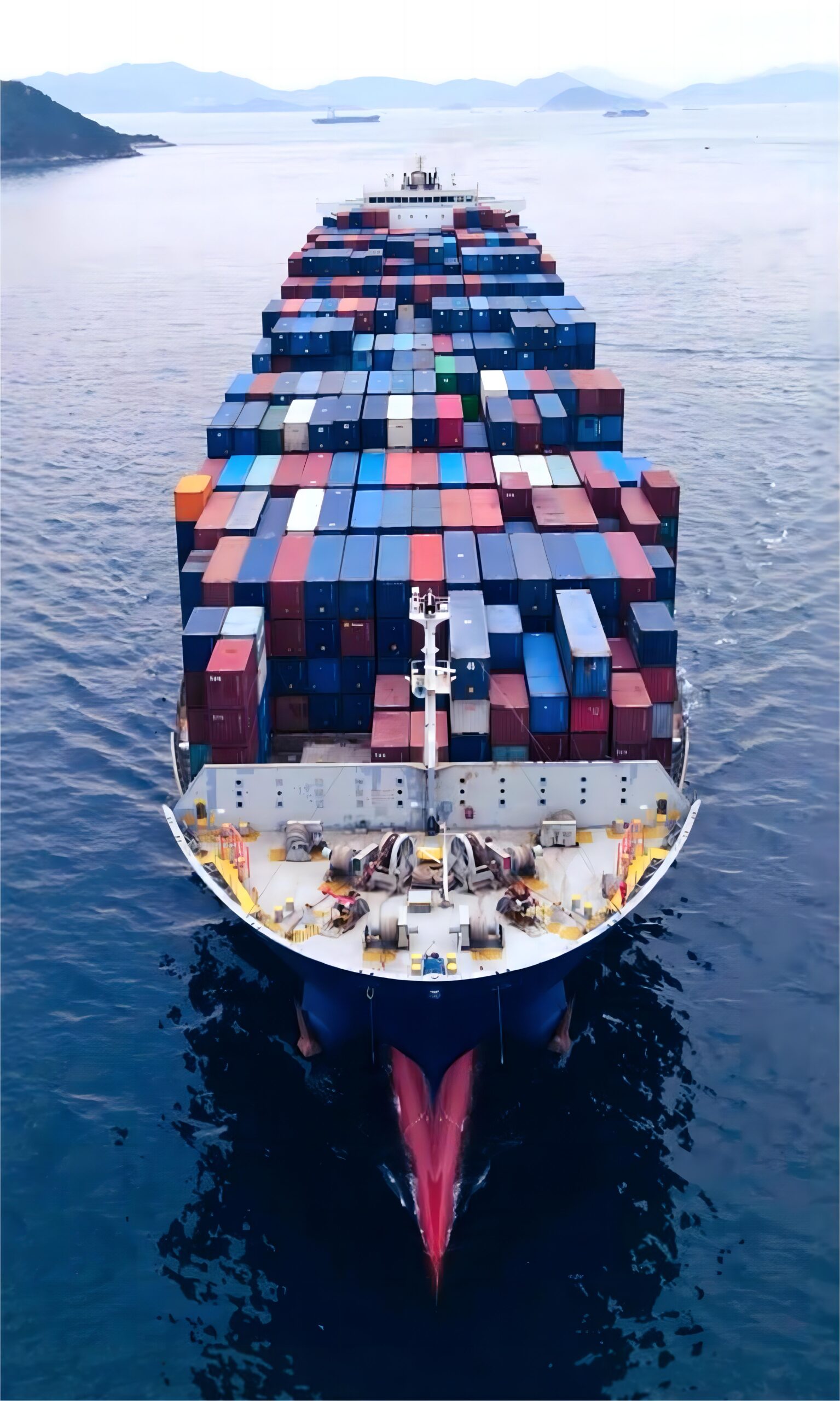
The current reefer FCL container shortage poses a major hurdle for auto parts importers. These specialized containers are crucial for maintaining specific temperature and humidity levels during transit.
Global demand, port congestion, and inefficient container repositioning contribute to this scarcity. Such factors create significant bottlenecks at key shipping hubs.
For auto parts like sensitive electronics or rubber components, temperature control is vital. Unsuitable conditions can lead to degradation or damage, affecting product quality and warranties.
This shortage drives up shipping costs and extends transit times. Companies shipping auto parts from China to Sweden require robust solutions to mitigate these risks effectively.
Strategic Solutions for Auto Parts Shipping to Sweden
Businesses grappling with reefer FCL container shortages need adaptable logistics strategies. This involves exploring various shipping methods and optimizing existing resources.
Leveraging alternative modes like LCL reefer or specialized air freight can provide necessary temperature control. This flexibility helps maintain critical delivery schedules.
Optimizing container utilization is another key strategy. Consolidating smaller shipments into LCL reefer options maximizes available space efficiently.
Forward planning and early booking are paramount. Securing container space well in advance helps avoid last-minute shortages and higher spot market rates.
Reefer FCL vs. Other Shipping Options for Auto Parts
Navigating the reefer FCL container shortage requires understanding all available shipping methods. Each option presents distinct trade-offs in cost, speed, and capacity.
While reefer FCL offers economies of scale and dedicated temperature control, its scarcity demands reevaluation. Businesses must weigh alternatives to ensure auto parts arrive safely.
| Shipping Method | Cost Range (per 40HQ/equivalent) | Transit Time | Best For | Limitations |
|---|---|---|---|---|
| Reefer FCL Sea Freight | $3,000-5,000 | 28-35 days | Large, temperature-sensitive volumes, cost-effective | High demand, frequent shortages, slower |
| LCL Reefer Sea Freight | $150-250 per CBM | 30-40 days | Smaller temperature-sensitive volumes, cost-efficient for less than 15 CBM | Longer transit, potential for minor temperature fluctuations, requires consolidation |
| Air Freight (Temperature-Controlled) | $15,000-25,000 | 5-7 days | Urgent, high-value, critical auto parts, small volumes | Significantly higher cost, limited capacity for large items, environmental impact |
| Rail Freight (Multimodal) | $8,000-12,000 | 20-25 days | Mid-size volumes, balance of cost and speed, good for inland destinations | Limited direct reefer capacity, requires transshipment to Sweden, still susceptible to rail network congestion |
Air Freight: Speed for Critical Components
For urgent or high-value auto parts, air freight is indispensable. It drastically cuts transit times, ensuring critical components reach Sweden within days.
Temperature-controlled air cargo services are suitable for sensitive electronics. This expedited option helps mitigate production line stoppages.
LCL Reefer: Cost-Effective for Smaller Shipments
LCL (Less than Container Load) reefer offers a viable solution for smaller volumes of temperature-sensitive auto parts. Multiple shippers share space, reducing individual shipping costs.
While consolidation might extend transit times, LCL reefer provides essential cold chain integrity. This method helps maintain a consistent supply of auto parts.
Multimodal Transport: Balancing Speed and Cost
Multimodal transport, combining rail freight with sea or road, balances speed and cost. Rail services from China to Europe are faster than pure sea freight.
Auto parts can travel by rail freight to a European hub, then transfer to Sweden by truck. This strategy bypasses congested ocean routes.
Navigating Customs and Regulations for Auto Parts Imports
Importing auto parts from China to Sweden involves complex customs regulations. Proper preparation is essential to avoid delays and additional costs.
Key documents include commercial invoices, packing lists, and bills of lading. Specific auto parts may require conformity declarations for EU standards.
Swedish customs rigorously enforce import regulations. Discrepancies or missing documentation can cause significant delays or penalties.
Tariffs and duties apply to imported auto parts. Correct classification using HS codes minimizes unexpected charges and facilitates quicker clearance. A professional customs brokerage service can streamline this process.
Cost-Saving Strategies Amidst Reefer Shortages
The reefer FCL container shortage increases shipping costs for auto parts. However, strategic approaches can mitigate these financial pressures effectively.
Early booking and flexible delivery schedules are crucial. Booking space in advance secures better rates than last-minute spot bookings.
Optimizing cargo consolidation yields substantial savings. Combining smaller orders into LCL reefer shipments reduces per-unit costs.
Exploring alternative ports in China and Europe can present competitive rates. This strategy offers cost advantages during peak seasons, balancing transit times.
Real-World Solutions: Case Studies for Auto Parts Logistics
Real-world applications provide valuable insights into managing reefer FCL container shortages. These case studies demonstrate successful auto parts transport from China to Sweden.
Case Study 1: Urgent Electronic Components via Air Freight
A Swedish manufacturer urgently needed temperature-sensitive ECUs from Shenzhen, China. A production line issue required immediate replenishment, and FCL was too slow.
The client chose temperature-controlled express service air freight. This ensured rapid delivery and strict environmental conditions, justifying the higher investment.
| Detail | Value |
|---|---|
| Route | Shenzhen, China -> Gothenburg, Sweden |
| Cargo | Electronic Control Units (ECUs), 1.5 CBM, 450 kg |
| Container | Air Cargo (Temperature-Controlled) |
| Carrier/Service | Major air cargo carrier |
| Port of Loading | Shenzhen Bao’an International Airport (SZX) |
| Port of Discharge | Gothenburg Landvetter Airport (GOT) |
| Route Type | Direct Air Cargo |
| Ocean Freight (equivalent) | N/A (Air Freight) |
| Air Freight Cost | $18,500 |
| Origin Charges | $350 |
| Destination Charges | $400 |
| Customs & Duties (estimated) | $1,200 |
| Total Landed Cost | $20,450 |
| Booking to Loading | 1 day |
| Air Transit | 2 days |
| Customs Clearance | 1 day |
| Total Door-to-Door | 4 days |
| Key Insight | Air freight ensures rapid delivery for critical, high-value auto parts, mitigating production delays despite higher costs. |
Case Study 2: Consolidating Rubber Seals with LCL Reefer
A Malmö distributor regularly imported rubber seals and gaskets from Ningbo, China. These needed cool temperatures, but their volume was too small for FCL.
The solution involved consolidating shipments into an LCL reefer service. This shared space maintained temperature integrity cost-effectively.
| Detail | Value |
|---|---|
| Route | Ningbo, China -> Malmö, Sweden |
| Cargo | Rubber Seals and Gaskets, 8 CBM, 3,200 kg |
| Container | LCL Reefer |
| Carrier/Service | Consolidator via major carrier |
| Port of Loading | Ningbo Port |
| Port of Discharge | Port of Gothenburg (then road to Malmö) |
| Route Type | Transshipment via Rotterdam |
| Ocean Freight (LCL) | $1,800 |
| Origin Charges | $450 |
| Destination Charges | $600 |
| Customs & Duties (estimated) | $850 |
| Total Landed Cost | $3,700 |
| Booking to Loading | 5 days |
| Sea Transit | 32 days |
| Customs Clearance | 2 days |
| Total Door-to-Door | 39 days |
| Key Insight | LCL reefer is a cost-effective solution for smaller, temperature-sensitive auto parts, optimizing space during FCL shortages. |
Case Study 3: Multimodal for Seasonal Auto Parts Orders
A Stockholm manufacturer faced severe delays for auto lubricants from Shanghai during peak season. Traditional sea freight experienced congestion and rate hikes.
A multimodal strategy used rail freight from Shanghai to Duisburg, Germany. Refrigerated truck transport then completed the journey to Stockholm, bypassing congested ports.
| Detail | Value |
|---|---|
| Route | Shanghai, China -> Stockholm, Sweden |
| Cargo | Specialized Auto Lubricants, 40HQ |
| Container | 40HQ (Reefer Equivalent on Rail/Road) |
| Carrier/Service | Multimodal provider (Rail + Road) |
| Port of Loading | Shanghai (Rail Terminal) |
| Port of Discharge | Duisburg (Rail Terminal) -> Stockholm (Road) |
| Route Type | Rail to Germany, then Road to Sweden |
| Rail & Road Freight Cost | $10,500 |
| Origin Charges | $600 |
| Destination Charges | $900 |
| Customs & Duties (estimated) | $1,500 |
| Total Landed Cost | $13,500 |
| Booking to Loading | 7 days |
| Rail Transit | 18 days |
| Road Transit | 3 days |
| Customs Clearance | 2 days |
| Total Door-to-Door | 30 days |
| Key Insight | Multimodal transport offers a flexible and faster alternative to sea freight during peak seasons, ensuring timely delivery for temperature-sensitive goods. |

Choosing the Right Logistics Partner for Your Auto Parts Supply Chain
Selecting an experienced logistics partner is paramount for managing the reefer FCL container shortage. A reliable partner offers strategic solutions and proactive communication.
Seek providers with proven expertise in the China-Europe corridor and cold chain logistics. Their understanding of regional regulations minimizes delays.
Comprehensive services, including door-to-door services and various freight options, simplify the process. This holistic approach ensures seamless coordination.
Transparent communication and real-time tracking are essential. Knowing your auto parts’ status provides peace of mind, building trust.
Decision Framework: Which Shipping Option is Best for Your Auto Parts?
Choosing the optimal shipping solution amidst a reefer FCL shortage depends on critical factors. A structured framework helps prioritize your needs.
Consider your primary objectives: budget, speed, and cargo type. These elements dictate the most appropriate shipping method.
If Budget is Your Priority
For cost-efficiency, LCL reefer sea freight is economical for smaller volumes. For larger volumes, securing FCL in advance is most cost-effective.
Negotiating long-term contracts can stabilize sea freight rates. This strategy offers predictability in a volatile market.
If Speed is Your Priority
When urgent delivery is non-negotiable, air freight is the clear winner. It significantly reduces transit times for critical components.
For a balance, multimodal solutions (rail and road) offer a faster alternative to pure sea freight. This hybrid approach provides flexibility.
Cargo Type and Volume Thresholds
The nature of auto parts dictates required temperature control. Highly sensitive electronics need strict cold chain management.
For volumes under 15 CBM, LCL reefer is often more economical. If over 15 CBM, FCL reefer is preferred if available, otherwise consider multimodal.
Conclusion
The reefer FCL container shortage for auto parts from China to Sweden presents ongoing challenges. However, by understanding market dynamics and exploring diverse shipping strategies, companies can maintain robust supply chains. Leveraging alternative methods like LCL reefer, air freight, and multimodal transport, alongside expert customs brokerage, is key. Partnering with a knowledgeable freight forwarder like Top China Freight ensures your valuable auto parts reach their destination efficiently and intact.
Need a tailored shipping solution?
Are you struggling to find a reliable reefer FCL container shortage solution for auto parts from China to Sweden? Do not let supply chain disruptions hinder your operations. Contact us today for a tailored quote and discover how our expert logistics team can streamline your imports.