
Comprehensive Guide to Insurance for FCL Shipping from China to Florida
Shipping full container loads (FCL) from China to Florida involves significant investments and potential risks. Therefore, understanding the critical role of insurance for FCL shipping from China to Florida is paramount for importers. This guide explores how to safeguard your valuable cargo, mitigate financial losses, and ensure a smooth supply chain operation.
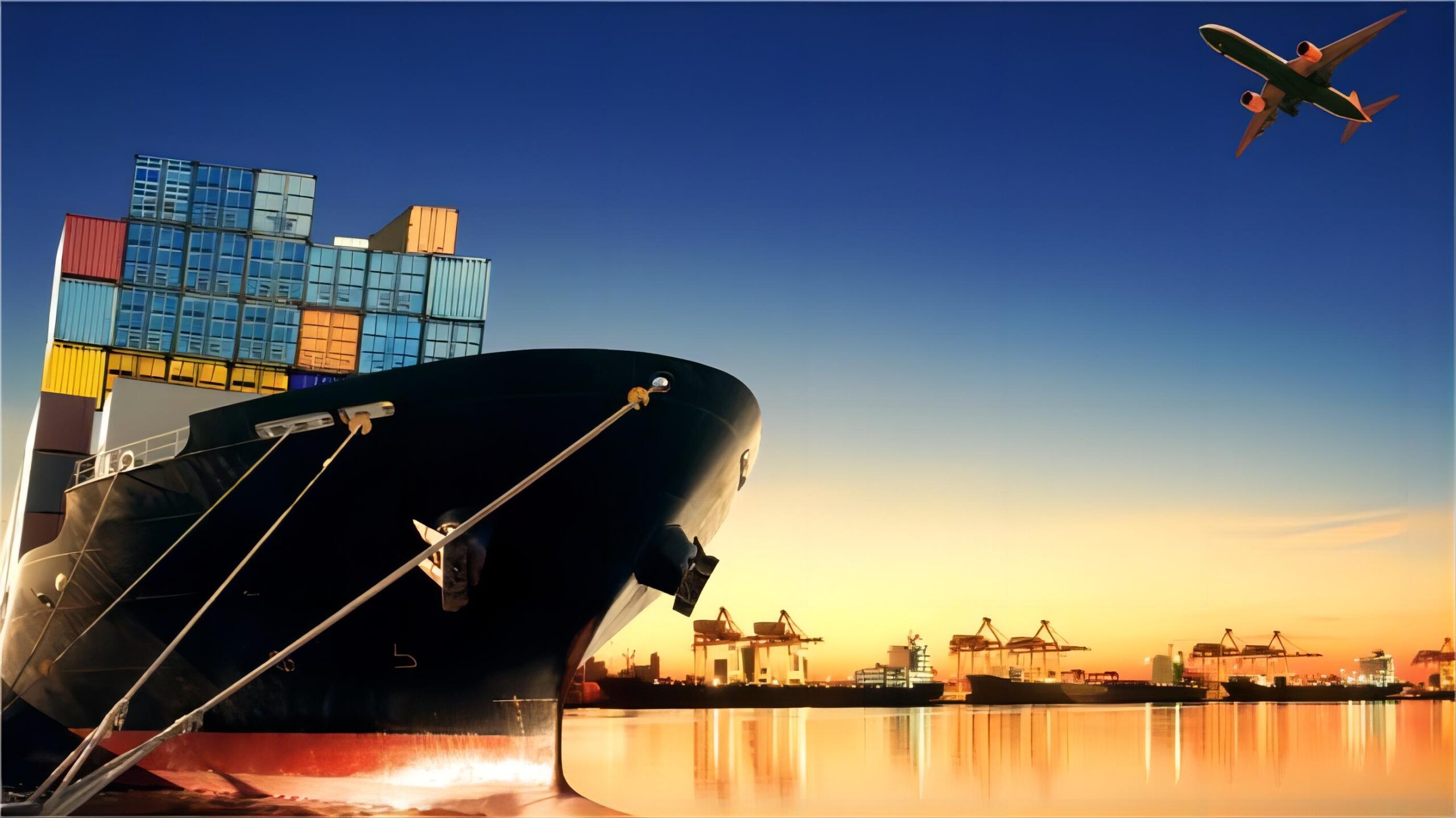
Why is Cargo Insurance Essential for FCL Shipments to Florida?
Transporting goods across oceans exposes them to numerous unforeseen events. Without adequate protection, a single incident can lead to substantial financial losses for your business. Moreover, cargo insurance provides a vital safety net against these inherent risks.
Indeed, FCL shipments represent a significant capital investment in your inventory and supply chain. Therefore, protecting this investment with comprehensive coverage is not merely an option but a strategic necessity. It ensures business continuity even when unexpected challenges arise during transit.
Understanding Types of Cargo Insurance Coverage for FCL
Selecting the right insurance policy depends heavily on your specific cargo and risk tolerance. Various types of coverage offer different levels of protection. Consequently, understanding these options is crucial for informed decision-making regarding your FCL cargo insurance.
| Coverage Type | Scope of Protection | Typical Cost | Best For |
|---|---|---|---|
| All-Risk | Broadest, covers all external risks except stated exclusions | Higher | High-value, sensitive, or new goods |
| Named Perils | Covers only specified risks (e.g., fire, collision, theft) | Medium | Robust, less valuable cargo with known risks |
| Free of Particular Average (FPA) | Covers total loss or specific major casualties only | Lowest | Bulk commodities, low-risk, resilient items |
All-Risk Coverage
This is the broadest form of cargo insurance available. It covers all risks of loss or damage from external causes, with specific exclusions. Typically, these exclusions include war, strikes, riots, and inherent vice of the goods.
Most importantly, All-Risk coverage is highly recommended for sensitive or high-value goods. It offers the most comprehensive protection for your FCL shipping from China to Florida, ensuring maximum peace of mind for importers.
Named Perils Coverage
In contrast to All-Risk, Named Perils coverage only insures against specifically listed risks. These might include fire, collision, sinking, or jettison. If a peril is not explicitly mentioned, it is not covered.
Consequently, this type of policy is generally less expensive but offers limited protection. Businesses often choose it for less valuable or more robust cargo where specific risks are identified. Always review the exact terms carefully.
Free of Particular Average (FPA)
FPA is a restrictive form of coverage primarily for total loss or general average. It covers partial losses only if they are caused by specific catastrophic events like stranding, sinking, burning, or collision. This means most minor damages are excluded.
Furthermore, FPA is the least comprehensive option, suitable for bulk commodities with low susceptibility to minor damage. It offers minimal protection for your FCL shipments. Therefore, it is generally not recommended for valuable manufactured goods.
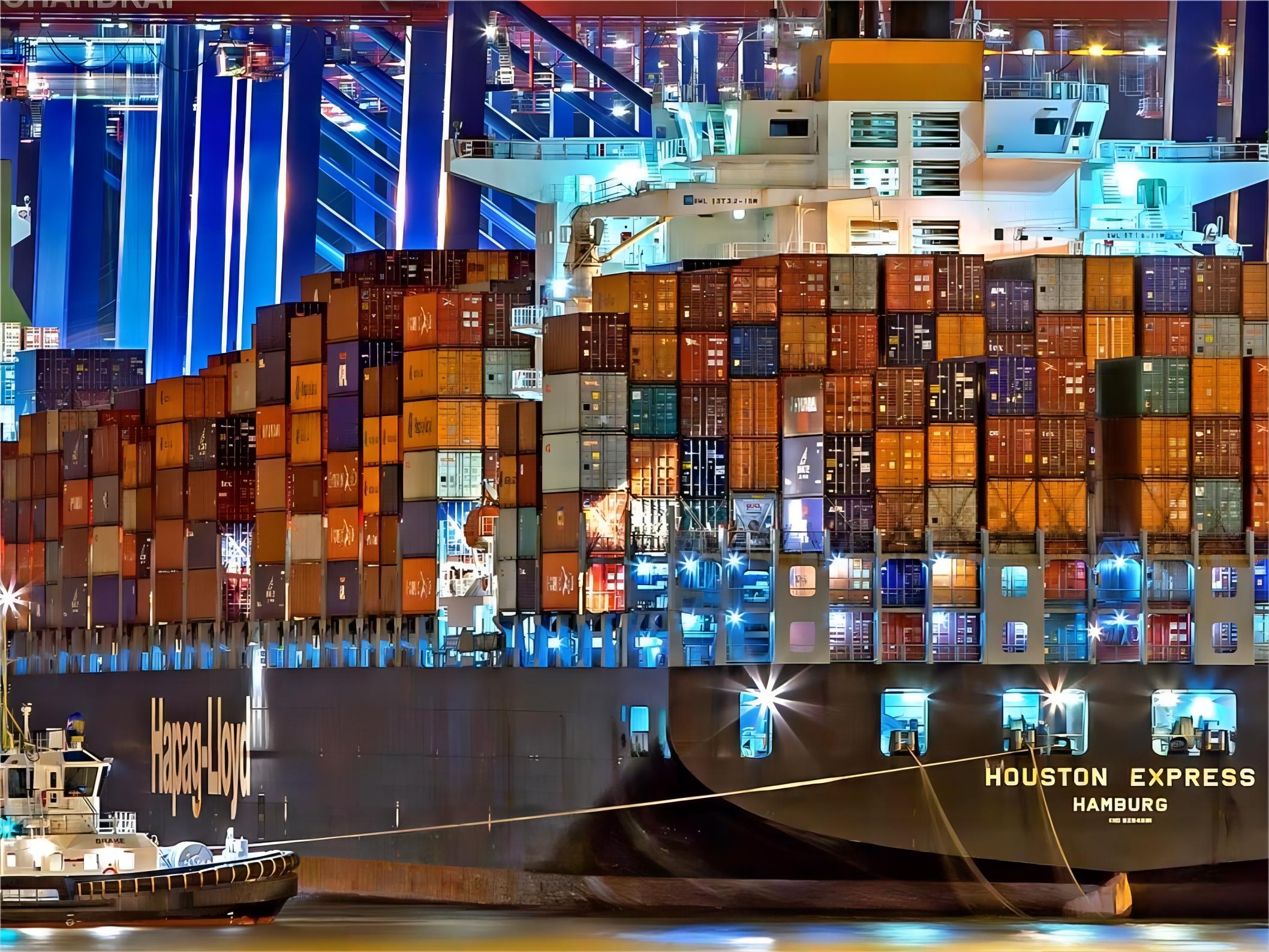
What Factors Influence Insurance Costs for FCL Shipping from China to Florida?
Several variables directly impact the premium you pay for cargo insurance. Understanding these factors allows for better budgeting and risk management for your supply chain. Ultimately, optimizing these elements can lead to significant savings on your FCL cargo insurance.
Firstly, the declared value and type of your goods are primary determinants. Higher value or fragile cargo naturally incurs higher insurance premiums. Moreover, the specific route from China to Florida, the carrier’s reputation, and even the quality of packaging play significant roles in the final cost.
Understanding Incoterms and Their Impact on Cargo Insurance Responsibility
Incoterms, or International Commercial Terms, are globally recognized standards that define the responsibilities of buyers and sellers for the delivery of goods. They clarify who is responsible for costs, risks, and insurance at each stage of the shipping process. Consequently, choosing the right Incoterm is vital for FCL shipments.
For instance, under FOB (Free On Board), the buyer assumes risk and responsibility, including arranging customs brokerage and insurance, once goods are loaded onto the vessel. Conversely, CIF (Cost, Insurance, and Freight) requires the seller to pay for minimum insurance up to the named port of destination. Clearly defining Incoterms prevents disputes and clarifies insurance obligations.
The Claims Process: What Happens When FCL Cargo is Damaged or Lost?
Despite meticulous planning, incidents can still occur during transit. Knowing the correct claims process is crucial for recovering your losses efficiently. Therefore, prompt action and thorough documentation are key to a successful claim for FCL cargo insurance.
Immediately upon discovery of damage or loss, notify the carrier and your insurance provider. Document everything with clear photographs, detailed descriptions, and any relevant shipping documents. This initial step is critical for substantiating your claim and expediting the process.
How Does FCL Sea Freight Compare to Other Shipping Options for Florida?
While FCL sea freight is often the go-to for large volumes, it is not the only option for shipping from China to Florida. Understanding alternatives helps importers make strategic decisions based on their specific needs. Indeed, considering speed, cost, and cargo type is essential.
Sea freight, particularly FCL, offers the most cost-effective solution for bulky or heavy goods, but with extended transit times. Conversely, when speed is paramount, air freight provides a much faster, albeit more expensive, alternative. Each method has distinct trade-offs.
| Shipping Method | Cost Range (40HQ equivalent) | Transit Time (China-Florida) | Best For | Limitations |
|---|---|---|---|---|
| FCL Sea Freight | $4,500 – $6,000 | 30-35 days | Large volume, heavy, non-urgent goods | Slow transit, port congestion risk |
| LCL Sea Freight | $80 – $150 per CBM (for <15 CBM) | 35-45 days | Smaller volumes, cost-sensitive, flexible | Longer transit, more handling, complex pricing |
| Air Freight | $15,000 – $25,000 | 5-7 days | Urgent, high-value, perishable goods | Very high cost, volume/weight restrictions |

Which Option Should You Choose? A Decision Framework
Your ideal shipping method hinges on balancing several critical factors. Prioritizing these elements will guide you toward the most suitable and efficient solution for your business objectives. This framework helps streamline decision-making for your China to Florida shipments.
If budget is your primary concern and time allows, FCL sea freight is almost always the most economical choice for large shipments. However, if you need goods quickly, for example, for a seasonal product launch, air freight becomes indispensable despite its higher cost. For smaller volumes, LCL sea freight is a viable alternative.
Real-World Case Studies: Insured FCL Shipping from China to Florida
Examining real-life scenarios provides practical insights into the importance of robust insurance for FCL shipping from China to Florida. These examples highlight common challenges and the value of proper coverage. They underscore the financial protection insurance offers against unpredictable events.
Note: Freight rates are subject to change based on fuel costs, carrier capacity, and seasonal demand. Contact us for a current quote tailored to your specific shipment.
Case Study 1: Electronics Shipment to Miami
| Detail | Description |
|---|---|
| Route | Shenzhen, China Miami, Florida |
| Cargo | Consumer Electronics (Smartphones, Laptops), 60 CBM, 15,000 kg |
| Container | 1 x 40HQ |
| Shipping Details | Carrier: COSCO; Port of Loading: Shenzhen; Port of Discharge: PortMiami; Route Type: Direct |
| Cost Breakdown | Ocean Freight: $5,200; Origin Charges: $450; Destination Charges: $600; Customs & Duties (estimated): $2,500; Total Landed Cost: $8,750 (excluding insurance) |
| Timeline | Booking to Loading: 5 days; Sea Transit: 32 days; Customs Clearance: 3 days; Total Door-to-Door: 40 days |
| Key Insight | During transit, a container shift led to water ingress, damaging 15% of the electronics. The All-Risk cargo insurance covered the $150,000 loss, demonstrating critical financial protection against unforeseen incidents. Based on Q4 2024 market rates. |
Case Study 2: Apparel Import to Jacksonville
| Detail | Description |
|---|---|
| Route | Shanghai, China Jacksonville, Florida |
| Cargo | Seasonal Apparel (textiles, finished garments), 28 CBM, 8,000 kg |
| Container | 1 x 20GP |
| Shipping Details | Carrier: Maersk; Port of Loading: Shanghai; Port of Discharge: JaxPort; Route Type: Transshipment via Busan |
| Cost Breakdown | Ocean Freight: $3,800; Origin Charges: $350; Destination Charges: $500; Customs & Duties (estimated): $1,800; Total Landed Cost: $6,450 (excluding insurance) |
| Timeline | Booking to Loading: 6 days; Sea Transit: 38 days; Customs Clearance: 4 days; Total Door-to-Door: 48 days |
| Key Insight | Upon arrival, a portion of the cargo was found missing, likely due to theft during transit or at the transshipment port. Named Perils insurance, covering theft, reimbursed the client for the $30,000 loss. This highlights the importance of choosing appropriate coverage. Typical rates as of early 2025. |
Case Study 3: Furniture Delivery to Port Everglades
| Detail | Description |
|---|---|
| Route | Ningbo, China Port Everglades, Florida |
| Cargo | Wooden Furniture (flat-packed), 65 CBM, 12,000 kg |
| Container | 1 x 40HQ |
| Shipping Details | Carrier: MSC; Port of Loading: Ningbo; Port of Discharge: Port Everglades; Route Type: Direct |
| Cost Breakdown | Ocean Freight: $5,500; Origin Charges: $480; Destination Charges: $650; Customs & Duties (estimated): $3,000; Total Landed Cost: $9,630 (excluding insurance) |
| Timeline | Booking to Loading: 7 days; Sea Transit: 33 days; Customs Clearance: 3 days; Total Door-to-Door: 43 days |
| Key Insight | During loading, a forklift incident caused significant damage to several furniture sets. The client’s All-Risk policy allowed for quick compensation for the $25,000 damage, preventing major delays in their retail supply chain. Moreover, our door-to-door service ensured a smooth delivery post-clearance. Based on Q1 2025 market rates. |
Market Insights and Best Practices for Securing Your FCL Shipments
The global shipping landscape is constantly evolving, with market conditions directly impacting freight rates and risk profiles. Staying informed about these trends is crucial for effective risk management. Consequently, adapting your strategies can lead to greater resilience for your supply chain.
As of Q2 2025, freight rates from China to Florida have stabilized after earlier disruptions, although port congestion can still cause occasional delays. Industry average for this route typically sees rates fluctuate by 10-15% seasonally. Notably, rates often increase during the August-October peak season. Thorough packaging and robust Amazon FBA preparation also significantly reduce damage likelihood.
Partnering with an Expert for Seamless FCL Shipping and Insurance
Navigating the complexities of international shipping and cargo insurance can be daunting for businesses. Collaborating with an experienced freight forwarder simplifies this intricate process. This partnership ensures that your shipments are handled professionally and securely from origin to destination.
At Top China Freight, we offer comprehensive logistics solutions tailored to your FCL shipping from China to Florida needs. We assist not only with freight arrangements but also provide expert guidance on appropriate cargo insurance options. Our team ensures your valuable goods are protected every step of the way, including door-to-door delivery.
Ensuring Secure FCL Shipping from China to Florida
Ultimately, securing appropriate <a href=”https://Top China Freight.net/”>insurance for FCL shipping from China to Florida</a> is an indispensable component of successful international trade. It mitigates financial risks, protects your investment, and provides invaluable peace of mind. By understanding coverage types, cost factors, and leveraging expert support, you can confidently navigate the complexities of global logistics.
Therefore, always prioritize comprehensive cargo insurance as a vital part of your shipping strategy. This proactive approach safeguards your business against the unpredictable nature of global supply chains, ensuring your goods arrive safely and your business thrives.
Need a tailored shipping solution?
Protect your valuable FCL shipments from China to Florida today. Contact us for a personalized quote on both freight services and comprehensive cargo insurance. Ensure your supply chain remains robust and secure.