
20GP FCL Sailing Schedule: Auto Parts China to Europe
Securing an efficient 20GP FCL sailing schedule for auto parts from China to Europe is paramount for automotive businesses. The global supply chain, indeed, demands precision and reliability to maintain production lines and meet market demands. Top China Freight specializes in streamlining these complex logistics, ensuring your critical automotive components arrive on time and within budget. We understand the intricacies involved in international shipping.

Why is an Optimized 20GP FCL Sailing Schedule Crucial for Auto Parts?
The automotive industry, without a doubt, operates on lean manufacturing principles and just-in-time delivery. Therefore, a consistent and predictable 20GP FCL sailing schedule for auto parts is not merely a convenience; it is a fundamental requirement. Delays, consequently, can halt production, incur significant costs, and damage brand reputation.
Furthermore, auto parts often involve high value and specific handling requirements. Optimizing the sailing schedule ensures that components like engine blocks, transmissions, or body panels reach their European destinations efficiently. This strategic approach minimizes warehousing costs and reduces the risk of obsolescence, which is crucial for inventory management.
Understanding 20GP FCL Shipping for Auto Parts
FCL, or Full Container Load, means your auto parts occupy an entire shipping container, typically a 20GP (General Purpose) unit. This option is ideal for larger volumes, offering enhanced security and often faster transit times compared to LCL (Less than Container Load). Consequently, it minimizes handling and potential damage.
A standard 20GP container measures 20 feet long, 8 feet wide, and 8.5 feet high, providing approximately 33 cubic meters (CBM) of usable space. For automotive components, this capacity is frequently sufficient for a range of items, from smaller accessories to larger sub-assemblies. Choosing FCL, moreover, gives you dedicated space, which is beneficial for sensitive cargo.
What are Typical Transit Times and Key Routes from China to Europe?
Transit times for a 20GP FCL sailing schedule for auto parts from China to Europe vary significantly. Factors include the specific origin port in China, the destination port in Europe, carrier choice, and whether the route is direct or involves transshipment. Generally, expect sea transit to range from 28 to 38 days.
Major departure ports in China include Shanghai, Ningbo, Shenzhen, Qingdao, and Tianjin. Key European arrival ports often include Rotterdam (Netherlands), Hamburg (Germany), Felixstowe (UK), Antwerp (Belgium), and Valencia (Spain). These routes form the backbone of shipping from China to Europe, facilitating massive trade volumes. Direct services, however, command a premium but offer quicker delivery.
| Route (Port-to-Port) | Estimated Transit Time (Days) | Typical Carriers | Notes |
|---|---|---|---|
| Shanghai to Rotterdam | 30-35 | Maersk, COSCO, MSC | Major hub, high frequency |
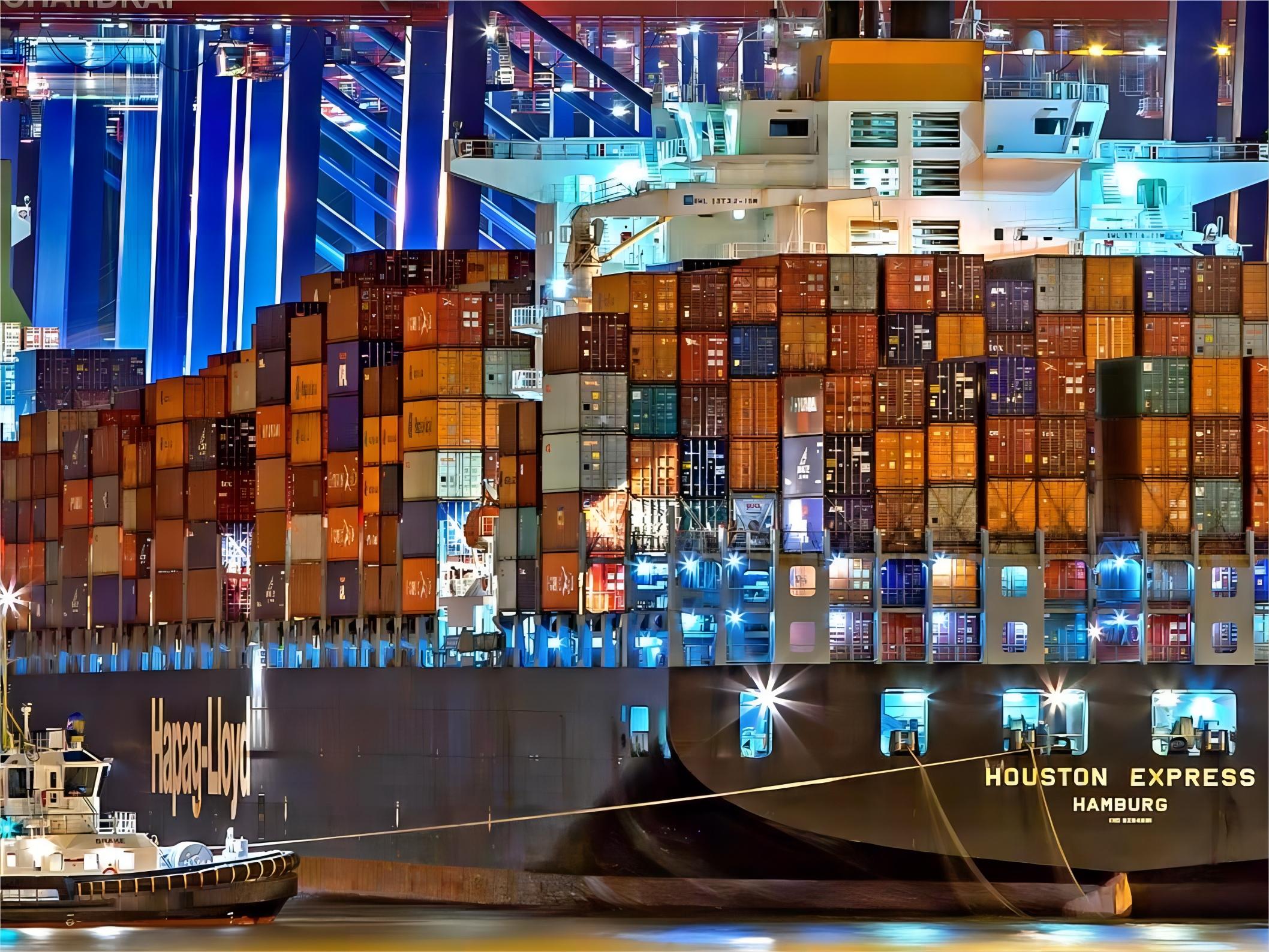
| Ningbo to Hamburg | 32-37 | Evergreen, Hapag-Lloyd | Direct services available |
| Shenzhen to Felixstowe | 30-36 | ONE, CMA CGM | Important for UK market |
| Qingdao to Antwerp | 33-38 | Yang Ming, OOCL | Often involves transshipment |
| Tianjin to Valencia | 34-39 | ZIM, PIL | Covers Southern Europe |
Navigating Freight Rates and Cost Considerations for Auto Parts
Freight rates for a 20GP FCL sailing schedule for auto parts from China to Europe are dynamic. They are influenced by global demand, fuel prices, carrier capacity, and seasonal peaks. As of Q1 2025, rates have somewhat stabilized following previous market volatility, though disruptions like those in the Red Sea can still impact pricing and transit times.
Beyond the base ocean freight, several other charges contribute to the total shipping cost. These include Terminal Handling Charges (THC) at both origin and destination, documentation fees, Customs Security Surcharges (CSS), and potentially Bunker Adjustment Factors (BAF) or Currency Adjustment Factors (CAF). Understanding these components is vital for accurate budgeting and managing your overall sea freight expenses.
| Cost Component | Typical Range (USD) | Description |
|---|---|---|
| Ocean Freight (20GP) | $1,800 – $2,800 | Base cost for container transport |
| Origin THC | $150 – $250 | Terminal handling in China |
| Destination THC | $200 – $350 | Terminal handling in Europe |
| Documentation Fees | $50 – $100 | Processing of shipping documents |
| Customs Clearance | $100 – $200 | Brokerage fees at destination |
| Local Haulage (Europe) | $200 – $800+ | Transport from port to final warehouse (variable) |
How Does FCL Shipping Compare to Other Options for Auto Parts?
When considering the optimal logistics for importing auto parts from China to Europe, FCL sea freight is a primary choice. However, it is essential to evaluate it against other viable shipping methods. Each option presents distinct advantages and limitations regarding speed, cost, and capacity. Therefore, a comprehensive comparison is critical for making informed supply chain decisions.
For instance, while sea freight offers significant cost savings for bulk shipments, it comes with longer transit times. Conversely, air freight provides unparalleled speed but at a substantially higher cost. Rail freight, moreover, offers a middle ground, balancing speed and cost effectively for certain routes. Understanding these trade-offs is fundamental for any import car components from China strategy.
| Shipping Method | Cost Range (20GP Equivalent) | Transit Time (China-Europe) | Best For | Limitations |
|---|---|---|---|---|
| FCL Sea Freight | $1,800 – $4,500 | 28-38 days | Large volumes, heavy goods, cost-effectiveness | Slowest, port congestion risks |
| LCL Sea Freight | $50-80/CBM | 35-45 days | Smaller volumes (under 15 CBM), flexible | More handling, longer overall transit |
| Rail Freight | $6,000 – $9,000 | 18-25 days | Mid-sized volumes, time-sensitive but not urgent | Limited routes, capacity constraints |
| Air Freight | $15,000 – $30,000+ | 3-7 days | Urgent, high-value, low-volume shipments | Highest cost, volume/weight restrictions |
Essential Documentation and Customs Clearance for Auto Parts
Proper documentation is paramount for a smooth 20GP FCL sailing schedule for auto parts from China to Europe. Inaccuracies or omissions can lead to significant delays, fines, and additional storage costs. Consequently, meticulous preparation is non-negotiable for successful import/export operations.
Key documents typically include the Commercial Invoice, Packing List, Bill of Lading (B/L), and potentially a Certificate of Origin. Furthermore, depending on the specific auto parts, you might need product-specific certifications or declarations of conformity to EU standards. Engaging professional customs brokerage services is highly recommended to navigate these complexities efficiently.
| Document | Purpose | Key Information |
|---|---|---|
| Commercial Invoice | Proof of sale, customs valuation | Seller/Buyer, item description, value, Incoterms |
| Packing List | Details of cargo contents | Quantity, weight, dimensions, package marks |
| Bill of Lading (B/L) | Contract of carriage, title to goods | Carrier, shipper, consignee, ports, container number |
| Certificate of Origin | Confirms country of manufacture | Used for preferential tariffs, trade agreements |
| CE Declaration of Conformity | Mandatory for certain products in EU | Manufacturer’s declaration of compliance with EU directives |
Optimizing Your Auto Parts Supply Chain: Tips and Strategies
To truly optimize your 20GP FCL sailing schedule for auto parts from China to Europe, consider several strategic approaches. Firstly, consolidate shipments whenever possible to maximize container utilization and reduce per-unit costs. This is particularly effective for multiple suppliers in proximity.
Secondly, explore flexible Incoterms that align with your supply chain control and risk appetite. For instance, opting for CIF (Cost, Insurance, and Freight) might simplify logistics for you, whereas FOB (Free On Board) gives you more control over carrier selection and freight rates. Thirdly, for a balance of speed and cost, especially for routes along the Eurasian land bridge, rail freight presents an attractive alternative. Finally, establishing strong relationships with reliable freight forwarders is indispensable for consistent service and proactive problem-solving. Consider utilizing a comprehensive door-to-door service for maximum convenience.
Real-World Scenarios: 20GP FCL Auto Parts Shipments
Understanding real-world applications of the 20GP FCL sailing schedule for auto parts from China to Europe can provide valuable insights. These case studies illustrate practical considerations, cost structures, and typical timelines involved in international logistics. Based on Q3 2024 market rates, these examples offer a realistic perspective.
Case Study 1: Engine Components to Germany
| Detail | Value | ||||
|---|---|---|---|---|---|
| Route | Shanghai, China -> Hamburg, Germany | ||||
| Cargo | Engine blocks and sub-assemblies, 28 CBM, 18,000 kg | ||||
| Container | 20GP FCL | ||||
| Shipping Details | Carrier: MSC, Port of Loading: Shanghai, Port of Discharge: Hamburg, Route Type: Direct | ||||
| Cost Breakdown | Ocean Freight: $2,100 | Origin Charges (THC, documentation): $180 | Destination Charges: $280 | Customs & Duties (estimated): $500 | Total Landed Cost: $3,060 |
| Timeline | Booking to Loading: 5 days | Sea Transit: 32 days | Customs Clearance: 3 days | Total Door-to-Door: 40 days | |
| Key Insight | Direct service maintained tight schedule; pre-clearance helped avoid port congestion delays. |
Case Study 2: Body Panels to UK
| Detail | Value | ||||
|---|---|---|---|---|---|
| Route | Ningbo, China -> Felixstowe, UK | ||||
| Cargo | Stamped body panels, 30 CBM, 12,000 kg | ||||
| Container | 20GP FCL | ||||
| Shipping Details | Carrier: COSCO, Port of Loading: Ningbo, Port of Discharge: Felixstowe, Route Type: Direct | ||||
| Cost Breakdown | Ocean Freight: $2,350 | Origin Charges (THC, documentation): $200 | Destination Charges: $300 | Customs & Duties (estimated): $450 | Total Landed Cost: $3,300 |
| Timeline | Booking to Loading: 7 days | Sea Transit: 30 days | Customs Clearance: 4 days | Total Door-to-Door: 41 days | |
| Key Insight | Careful dunnage and packaging prevented damage to fragile body panels. Q4 peak season rates were 15% higher. |
Case Study 3: Electronic Control Units to Spain
| Detail | Value | ||||
|---|---|---|---|---|---|
| Route | Shenzhen, China -> Valencia, Spain | ||||
| Cargo | ECUs and wiring harnesses, 25 CBM, 9,000 kg | ||||
| Container | 20GP FCL | ||||
| Shipping Details | Carrier: Hapag-Lloyd, Port of Loading: Shenzhen, Port of Discharge: Valencia, Route Type: Transshipment via Singapore | ||||
| Cost Breakdown | Ocean Freight: $1,980 | Origin Charges (THC, documentation): $170 | Destination Charges: $250 | Customs & Duties (estimated): $400 | Total Landed Cost: $2,800 |
| Timeline | Booking to Loading: 6 days | Sea Transit: 35 days | Customs Clearance: 3 days | Total Door-to-Door: 44 days | |
| Key Insight | Choosing a transshipment route offered cost savings but added a few days to transit. Specialized handling for sensitive electronics was crucial. |
Which Shipping Option Should You Choose for Your Auto Parts?
Selecting the right shipping method for your auto parts hinges on a few critical factors. Therefore, a clear decision framework can guide your choice between various logistics solutions. Consider your priorities, cargo specifics, and long-term supply chain goals.
Firstly, if budget is your absolute priority and time is less critical, FCL sea freight is almost always the recommended option for significant volumes. Secondly, for urgent, high-value components where production lines might stop without them, air freight is indispensable despite its higher cost. Thirdly, for a balance of speed and cost, especially for routes along the Eurasian land bridge, rail freight presents an attractive alternative. Finally, cargo type considerations, such as fragility or hazardous materials, may also dictate specialized handling and specific carrier selections.
Market Trends and Future Outlook for China-Europe Auto Parts Shipping
The landscape for the 20GP FCL sailing schedule for auto parts from China to Europe is continually evolving. Current market conditions, as of early 2025, show a trend towards more stable freight rates, though geopolitical events and environmental regulations continue to introduce volatility. For instance, new IMO 2020 regulations and upcoming EU emissions standards impact carrier operational costs.
Furthermore, digitalization in logistics, including advanced tracking systems and AI-driven route optimization, is becoming increasingly prevalent. These innovations promise greater transparency and efficiency in the supply chain. Shippers, moreover, should anticipate potential seasonal rate increases, typically 15-25% during August-October due to holiday demand. Staying informed about these logistics trends is crucial for proactive planning and securing competitive freight rates.
Streamlining Your 20GP FCL Auto Parts Shipments
Effectively managing the 20GP FCL sailing schedule for auto parts from China to Europe is a complex yet critical aspect of the automotive supply chain. By understanding transit times, cost components, documentation requirements, and alternative shipping methods, businesses can make informed decisions. Partnering with an experienced freight forwarder, moreover, ensures reliability and efficiency.
Ultimately, optimizing your logistics strategy for importing auto parts guarantees timely delivery, cost control, and a resilient supply chain. Proactive planning and expert execution are key to success in this competitive global market.
Start Your Shipment
Ready to optimize your 20GP FCL sailing schedule for auto parts from China to Europe? Contact us today for a personalized quote and expert guidance. Our team is dedicated to providing efficient, reliable, and cost-effective shipping solutions tailored to your unique automotive supply chain needs. Get started now and secure your next shipment with confidence.
Request Quote