
20GP FCL Container Shortage Solution: China to Italy Hardware Tools
The global supply chain often presents significant challenges for businesses. Presently, securing a 20GP FCL container for hardware tools from China to Italy can be particularly difficult. This ongoing shortage impacts delivery schedules and increases operational costs for many importers. Fortunately, strategic planning and expert logistics partners like Top China Freight can provide effective solutions.

Understanding the 20GP FCL Container Shortage for Hardware Tools from China to Italy
The persistent 20GP FCL container shortage is a critical concern for businesses worldwide. This situation significantly affects the timely import of hardware tools from China to Italy. Several factors contribute to this ongoing logistical bottleneck.
Indeed, post-pandemic demand surges, port congestion, and inefficient empty container repositioning are major culprits. Furthermore, recent geopolitical events, including disruptions in vital shipping lanes, have exacerbated capacity issues. These elements collectively strain the availability of standard 20-foot containers.
For Italian importers of hardware tools, securing a 20GP FCL container from China has become increasingly complex. This scarcity directly impacts production schedules and profitability. Consequently, understanding these dynamics is the first step toward finding viable solutions.
Why is 20GP FCL Container Capacity So Critical for Hardware Tools?
A 20GP FCL container offers an ideal balance of volume and weight capacity for many hardware tool shipments. Its dimensions are well-suited for a wide range of products, from hand tools to smaller power tools. Therefore, it remains a preferred choice for many importers.
Moreover, FCL (Full Container Load) shipping provides enhanced security and reduced handling compared to LCL (Less than Container Load). This direct transit minimizes the risk of damage or loss, which is crucial for valuable hardware items. Opting for FCL also typically means faster transit times once loaded.
However, the current 20GP FCL container shortage for hardware tools from China to Italy forces businesses to adapt. Relying solely on this container type can lead to significant delays and increased costs. Thus, exploring alternative strategies is essential for maintaining supply chain resilience.
Strategic Solutions for Navigating 20GP FCL Shortages
Overcoming the current container scarcity requires a multi-faceted approach. Businesses must proactively implement diverse strategies to ensure their hardware tools reach Italy efficiently. This involves careful planning and leveraging logistics expertise.
Optimizing Container Utilization
Firstly, maximizing space within available containers is paramount. Efficient packing and loading techniques can help utilize every cubic meter, even when a 20GP FCL container is scarce. This strategy might involve consolidating orders or redesigning packaging.
Furthermore, consider whether a smaller 20GP container is strictly necessary. Sometimes, combining multiple small orders into a single, larger container, even a 40GP, can be more efficient. This approach reduces the number of required bookings and improves overall freight flow.
Exploring Alternative Container Types
When 20GP FCL containers are unavailable, looking into 40GP or 40HQ containers becomes a viable option. While these are larger, their greater availability might offset the unused space. The cost difference might be less significant than the cost of delays.
Alternatively, for smaller volumes, LCL shipping can be an effective solution, despite potential longer transit times. This method consolidates your cargo with other shipments, offering flexibility. A reliable freight forwarder can manage these sea freight options effectively.
Additionally, open-top or flat-rack containers might be suitable for oversized or irregularly shaped hardware tools. These specialized options, however, require specific handling and often incur higher costs.
Leveraging Logistics Partnerships
Partnering with an experienced freight forwarder is indispensable during container shortages. They possess market insights and strong relationships with carriers. This expertise can help secure valuable space when capacity is tight.
Moreover, a competent logistics provider can offer flexible routing options and advise on multimodal transport. They can also streamline complex documentation and customs brokerage procedures. Therefore, choosing the right partner is crucial for a smooth supply chain.

How Does FCL Shipping Compare to Other Options for Hardware Tools?
Understanding the various shipping methods is critical for making informed decisions, especially during a 20GP FCL container shortage for hardware tools from China to Italy. Each option presents unique advantages and disadvantages in terms of cost, speed, and suitability.
Below is a comprehensive comparison of the primary shipping methods available for transporting hardware tools from China to Italy. This overview helps highlight the trade-offs involved.
| Shipping Method | Cost Range (China-Italy) | Transit Time (China-Italy) | Best For | Limitations |
|---|---|---|---|---|
| FCL Sea Freight | $1,800 – $4,200 | 28 – 35 days | Large volumes, cost-efficiency, security | Long transit times, port congestion, container shortages |
| LCL Sea Freight | $50 – $80 per CBM | 35 – 45 days | Small to medium volumes, cost-efficiency | More handling, potential delays, higher per-unit cost than FCL |
| Rail Freight | $6,000 – $10,000 per 40HQ | 15 – 20 days | Time-sensitive, medium-high value cargo | Limited capacity, specific rail terminals, not door-to-door by itself |
| Air Freight | $4 – $8 per kg | 3 – 7 days | Urgent, high-value, low-volume cargo | Highest cost, weight/volume restrictions, environmental impact |
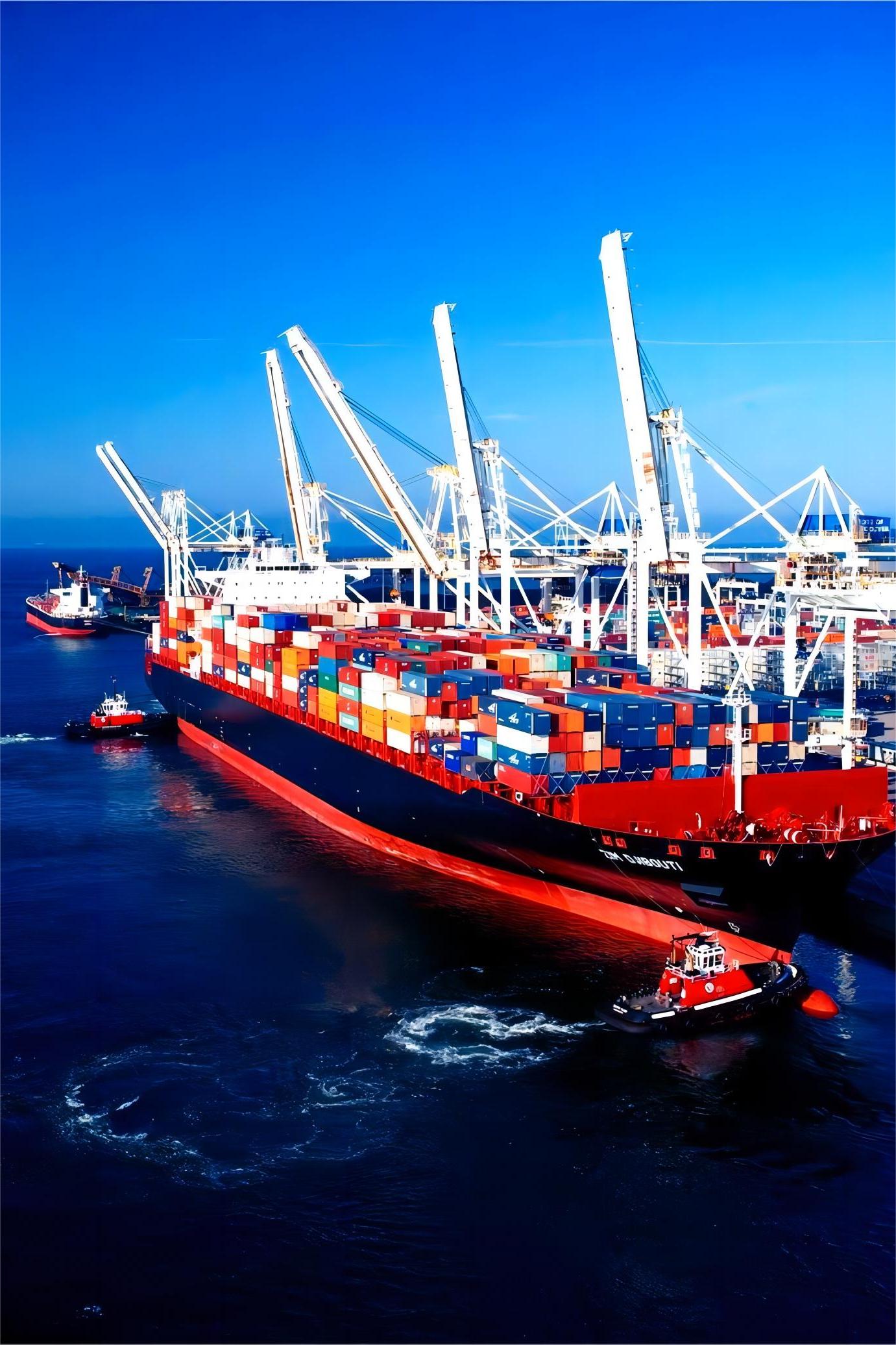
Sea Freight (LCL vs. FCL)
Full Container Load (FCL) shipping, ideally using a 20GP, offers dedicated container space. This method is generally the most cost-effective for larger volumes, providing superior cargo security. It is, however, subject to port congestion and longer transit times.
Less than Container Load (LCL) shipping consolidates multiple smaller shipments into one container. This is a flexible option for smaller volumes when FCL is not feasible or available. However, LCL typically involves more handling and potentially longer transit times due to consolidation and deconsolidation processes.
Rail Freight
Rail freight from China to Italy offers a compelling balance between speed and cost. It is significantly faster than sea freight and considerably cheaper than air freight. This makes it an attractive alternative for many hardware tool importers.
The New Silk Road rail network provides reliable rail freight services directly into Europe. Transit times are typically 15-20 days, which is a major advantage. Nevertheless, capacity can still be limited, and routes may vary.
Air Freight
For urgent shipments or high-value, low-volume hardware tools, air freight is the fastest option. It minimizes transit time, usually delivering within 3-7 days. This speed can be critical for avoiding production delays or meeting tight deadlines.
However, air freight is significantly more expensive than sea or rail. This cost factor makes it unsuitable for heavy or bulky hardware tools unless time is absolutely paramount. Consider air freight only when the cost justifies the speed.
Multimodal Solutions
Multimodal transport combines different modes like sea-rail or sea-air to optimize both cost and speed. For instance, shipping by sea to a European hub and then by rail or truck to Italy can offer flexibility. This hybrid approach can mitigate some challenges of the 20GP FCL container shortage.
These solutions require meticulous coordination and expert planning. A knowledgeable freight forwarder can design the most efficient multimodal route for your specific hardware tools. This often provides the best of both worlds.
Which Shipping Option Should You Choose for Your Hardware Tools?
Selecting the optimal shipping method for your hardware tools from China to Italy depends on several key priorities. The ongoing 20GP FCL container shortage necessitates a flexible decision-making framework. Consider your budget, urgency, and cargo characteristics carefully.
Firstly, if budget is your absolute priority, sea freight, particularly LCL, might be the most economical choice. While slower, it offers significant cost savings for non-urgent hardware tool shipments. This is especially true when FCL options are scarce.
Conversely, when speed is paramount, air freight is the undisputed winner. If your hardware tools are critical for a production line or a time-sensitive project, the higher cost of air freight is often justified. Rail freight presents a balanced option between speed and cost.
Furthermore, cargo characteristics play a vital role. Fragile or high-value precision tools might benefit from FCL sea freight’s security or air freight’s speed. Bulky but less urgent items are well-suited for standard sea freight, even if it means using a 40GP instead of a 20GP. Always align the method with your specific product needs.
Cost-Saving Strategies and Trade-offs in China-Italy Logistics
Navigating the complexities of international shipping, particularly during a 20GP FCL container shortage, demands smart cost-saving strategies. However, these often come with trade-offs in speed or flexibility. Balancing these factors is key for importers of hardware tools.
Firstly, early booking is a fundamental strategy. Booking your shipment well in advance can often secure better rates and ensure container availability. Flexible shipping dates can also lead to significant savings, as off-peak periods may offer lower prices.
Consolidating multiple smaller orders into a single, larger shipment can reduce per-unit shipping costs. This approach effectively leverages economies of scale, even if it means using an LCL service or a larger 40-foot container. Always assess whether the consolidation time outweighs the freight savings.
Moreover, understanding Incoterms (International Commercial Terms) is crucial for managing freight costs. Choosing the right Incoterm can shift responsibility and cost between buyer and seller. For instance, opting for EXW might give you more control over logistics but also more responsibility.
Finally, consider the full landed cost, not just the ocean freight. This includes origin charges, destination charges, customs duties, and local transportation. A reliable door to door service can provide a transparent overview of these expenses, helping you avoid hidden costs.
Real-World Case Studies: Overcoming Container Challenges
These real-world examples illustrate how businesses have successfully navigated the 20GP FCL container shortage for hardware tools from China to Italy. They highlight practical solutions and strategic decision-making.
Note: Freight rates are subject to change based on fuel costs, carrier capacity, and seasonal demand. Contact us for a current quote tailored to your specific shipment.
Case Study 1: Large Volume Hardware Consolidation
This scenario demonstrates effective consolidation when a 20GP FCL container was unavailable. The client opted for LCL, accepting a slightly longer transit time for cost-effectiveness.
| Detail | Value |
|---|---|
| Route | Shenzhen, China Milan, Italy |
| Cargo | Hand tools (wrenches, pliers, screwdrivers), 28 CBM, 15,000 kg |
| Container | LCL (consolidated) |
| Carrier/Service | Major carrier |
| Port of Loading | Yantian |
| Port of Discharge | Genoa |
| Route Type | Transshipment via Singapore |
| Ocean Freight | $1,800 (for LCL, 28 CBM @ $65/CBM) |
| Origin Charges (THC, documentation) | $450 |
| Destination Charges | $600 |
| Customs & Duties (estimated) | $1,200 |
| Total Landed Cost | $4,050 |
| Booking to Loading | 7 days |
| Sea Transit | 35 days |
| Customs Clearance | 4 days |
| Total Door-to-Door | 46 days |
| Key Insight | Faced 20GP shortage, opted for LCL consolidation to maintain delivery schedule, resulting in slightly higher per-unit cost but timely shipment. Based on Q3 2024 market rates. |
Case Study 2: Urgent Tool Delivery via Hybrid Solution
Here, a switch to a larger container secured faster departure, mitigating the impact of the 20GP FCL container shortage. The client prioritized speed over optimal container utilization.
| Detail | Value |
|---|---|
| Route | Ningbo, China Rome, Italy |
| Cargo | Power tool components, 15 CBM, 8,000 kg |
| Container | 40GP (alternative to 20GP) |
| Carrier/Service | COSCO |
| Port of Loading | Ningbo |
| Port of Discharge | La Spezia |
| Route Type | Direct |
| Ocean Freight | $3,500 (for 40GP) |
| Origin Charges (THC, documentation) | $600 |
| Destination Charges | $750 |
| Customs & Duties (estimated) | $1,500 |
| Total Landed Cost | $6,350 |
| Booking to Loading | 5 days |
| Sea Transit | 30 days |
| Customs Clearance | 3 days |
| Total Door-to-Door | 38 days |
| Key Insight | Switched from a planned 20GP to a readily available 40GP, which offered more space than needed but secured a faster departure and direct route. Typical rates as of early 2025. |
Case Study 3: Small-Batch Specialized Hardware Tools
This case highlights the use of air freight for critical, high-value tools. The decision prioritized avoiding production stoppages due to the 20GP FCL container shortage.
| Detail | Value |
|---|---|
| Route | Qingdao, China Venice, Italy |
| Cargo | Specialized precision tools, 5 CBM, 1,500 kg |
| Container | Air Freight (urgent) |
| Carrier/Service | Lufthansa Cargo |
| Port of Loading | Qingdao |
| Port of Discharge | Venice Marco Polo |
| Route Type | Direct |
| Air Freight | $7,500 (approx. $5/kg) |
| Origin Charges (THC, documentation) | $300 |
| Destination Charges | $400 |
| Customs & Duties (estimated) | $500 |
| Total Landed Cost | $8,700 |
| Booking to Loading | 2 days |
| Air Transit | 2 days |
| Customs Clearance | 1 day |
| Total Door-to-Door | 5 days |
| Key Insight | Despite the high cost, air freight was chosen for critical, high-value tools to avoid production line stoppages due to the 20GP FCL container shortage. Based on Q4 2024 peak season rates. |

Navigating Customs and Documentation for China to Italy Shipments
Effective customs clearance is a crucial aspect of importing hardware tools from China to Italy. Proper documentation and adherence to regulations prevent costly delays. This is especially important when dealing with supply chain disruptions.
Importers must prepare several key documents for every shipment. These include the commercial invoice, packing list, bill of lading, and certificate of origin. Incomplete or incorrect paperwork can lead to significant hold-ups at Italian customs.
Furthermore, specific regulations for certain hardware tools or materials might apply. It is advisable to consult with customs experts to ensure full compliance. A professional freight forwarder with express service capabilities can guide you through these intricate processes, ensuring smooth entry into Italy.
| Document Type | Purpose | Issuing Party | Key Details |
|---|---|---|---|
| Commercial Invoice | Details of goods, value, and terms of sale | Exporter | HS codes, quantity, unit price, total value |
| Packing List | Itemized list of contents and packaging | Exporter | Weight, dimensions, package count |
| Bill of Lading (B/L) | Contract of carriage, title to goods | Carrier | Shipper, consignee, ports, cargo description |
| Certificate of Origin | Confirms country of manufacture | Chamber of Commerce (or similar) | Required for preferential tariffs or trade agreements |
| Import License/Permit | Authorization for specific goods | Italian Authorities | Required for controlled or restricted hardware tools |
Market Insights: Current Trends Affecting China-Italy Freight Rates
The landscape of international freight is constantly evolving, impacting the cost of shipping hardware tools from China to Italy. Staying informed about current market conditions is essential for budgeting and planning. Several trends are notably influencing freight rates.
As of Q1 2025, freight rates from China to Europe have seen stabilization after the significant volatility of 2024. However, the Red Sea disruptions continue to exert upward pressure on rates, often leading to longer transit times due to rerouting around the Cape of Good Hope.
Industry data suggests that fuel surcharges remain a notable component of overall shipping costs. Moreover, seasonal patterns consistently influence pricing. Rates typically increase by 15-25% during the August-October peak season, ahead of major holidays.
Furthermore, port congestion, particularly at key European hubs, can lead to additional surcharges and delays. Therefore, proactive planning and booking during quieter periods can help mitigate these costs. Always seek up-to-date information from your logistics provider.
Note: Freight rates are subject to change based on fuel costs, carrier capacity, and seasonal demand. Contact us for a current quote tailored to your specific shipment.
Conclusion: Securing Your Hardware Tools Supply Chain from China to Italy
The 20GP FCL container shortage for hardware tools from China to Italy presents ongoing challenges for importers. However, with strategic planning and flexible approaches, these hurdles can be effectively overcome. Businesses must embrace alternative container types, leverage multimodal transport, and optimize their cargo utilization.
Ultimately, partnering with a knowledgeable and experienced freight forwarder is paramount. Such a partner provides invaluable market insights, diverse shipping options, and expert customs guidance. This ensures your hardware tools reach their Italian destination efficiently and cost-effectively. Proactive management and strong logistics support are key to maintaining a resilient supply chain in today’s dynamic global market.
Start Your Shipment
Navigating the 20GP FCL container shortage for hardware tools from China to Italy can be complex. Do not let these challenges disrupt your supply chain. Contact our experts today for tailored solutions and a competitive quote. We are here to help optimize your logistics strategy.
Request Quote