
20GP FCL Detention Prevention for Machinery: China to Belgium
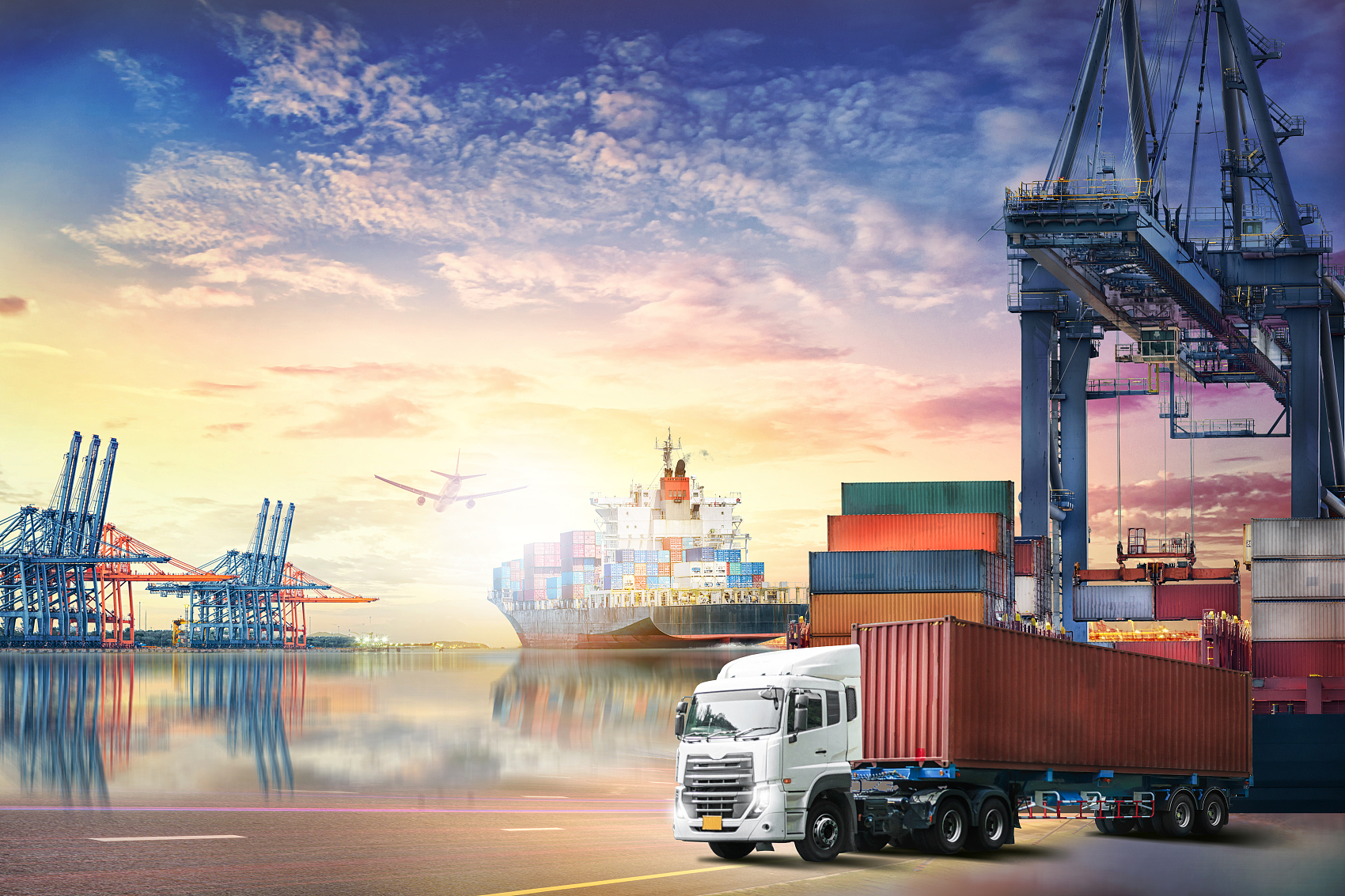
Shipping industrial machinery from China to Belgium involves complex logistics, where even minor delays can lead to significant costs. Specifically, 20GP FCL detention, when a container is held beyond its free time, can quickly erode profit margins. Therefore, understanding and preventing these charges is crucial for a smooth and cost-effective supply chain, especially for specialized cargo. Top China Freight offers comprehensive solutions to navigate these challenges effectively.
✦
Understanding 20GP FCL Detention and Demurrage
Before delving into prevention strategies, it is essential to distinguish between detention and demurrage. Demurrage refers to charges applied by the shipping line for the use of their container inside the port terminal beyond the allotted free days. Conversely, detention occurs when the consignee holds the carrier’s container outside the port terminal beyond the free time.
Both these charges can accumulate rapidly, significantly increasing the overall sea freight costs for machinery shipments. For large, heavy, or specialized machinery, the time required for unloading and transport often exceeds standard free periods, making prevention paramount. Consequently, importers must be acutely aware of these potential financial pitfalls.

Typical causes for these delays include customs complications, inadequate inland transportation planning, consignee unpreparedness, or port congestion. Indeed, even a single day of unexpected delay can result in hundreds of dollars in additional fees. Therefore, proactive management is key to mitigating these risks effectively.
Proactive Planning: The Cornerstone of Prevention
Effective planning is undoubtedly the most critical step in preventing 20GP FCL detention. A well-orchestrated logistics plan can significantly reduce the likelihood of delays from China to Belgium. This involves meticulous attention to detail from the very outset of the shipping process.
Firstly, early booking and careful carrier selection are vital. Choosing a reliable carrier with a proven track record on the China-Europe route ensures better service and adherence to schedules. Moreover, confirming transit times and free days with the carrier before booking allows for realistic scheduling and managing expectations.
Furthermore, ensuring accurate and complete documentation preparation is non-negotiable. Errors or omissions in paperwork are a leading cause of customs delays, directly contributing to detention charges. Therefore, all necessary permits, licenses, and declarations must be meticulously prepared and submitted well in advance. This proactive approach supports optimizing FCL shipping schedules effectively.
Detailed Pre-Alerts and Communication
Sending comprehensive pre-alerts to all parties involved in the supply chain is another crucial step. This includes the consignee, customs broker, and inland transportation provider in Belgium. Providing timely updates about the shipment’s ETA allows everyone to prepare for its arrival.
Consequently, this open line of communication ensures that unloading facilities, personnel, and transportation are ready upon the container’s arrival. This avoids last-minute scrambling and minimizes the chances of the container sitting idle. Indeed, clear communication is a powerful tool for preventing costly delays.
Mastering Customs Clearance for Machinery in Belgium
Navigating Belgian customs regulations for machinery imports requires expertise and foresight. Efficient customs clearance is a primary defense against 20GP FCL detention. Importers must understand the specific requirements for their type of machinery.
Key customs documents typically include the commercial invoice, packing list, bill of lading, and any required certificates of origin or compliance. For machinery, additional technical specifications or safety certifications might be necessary. In fact, incomplete documentation is the most common reason for customs hold-ups.
Furthermore, utilizing pre-clearance procedures can significantly expedite the release process. This involves submitting documents electronically before the vessel’s arrival, allowing customs officials to review them in advance. This approach is highly recommended for high-value or time-sensitive machinery shipments. These strategies collectively support a smoother customs clearance process Belgium.
The role of a reliable customs brokerage firm in Belgium cannot be overstated. An experienced broker can advise on specific requirements, handle declarations, and swiftly resolve any issues that may arise. They possess the local knowledge to navigate complex regulations and ensure expedited customs for FCL shipments, thereby preventing unforeseen delays and charges.
Efficient Inland Logistics and Warehouse Management
Once the machinery clears customs, the next challenge is its efficient movement from the port to the final destination in Belgium. Poorly managed inland logistics can quickly lead to detention charges, even if customs clearance was swift. Therefore, this phase requires careful planning and coordination.
Pre-arranging inland transportation is paramount. This means booking trucks or specialized transport equipment well in advance of the container’s arrival. For heavy or oversized machinery, specific permits and escorts might be required, which can take time to secure. Consequently, delaying these arrangements is a common mistake that leads to detention.
Moreover, having a clear plan for unloading and temporary storage solutions in Belgium is crucial. If the final delivery site is not immediately ready, arranging for a warehouse or staging area near the port can prevent the container from incurring detention fees. This ensures a smooth transition for door-to-door service and efficient final mile delivery.
Effective communication with the drayage company is also essential. Providing them with accurate port release times and destination details ensures that the container is picked up and returned promptly. This proactive management of inland logistics directly impacts the prevention of 20GP FCL detention.
Leveraging Technology and Expert Partnerships
In today’s interconnected world, technology plays a pivotal role in optimizing supply chain visibility and preventing delays. Utilizing real-time tracking systems allows importers to monitor their machinery shipments from China to Belgium at every stage. This transparency enables prompt identification of potential issues and proactive intervention.
Choosing an experienced freight forwarder is another critical decision. A reputable forwarder brings invaluable expertise in managing complex international shipments, particularly for machinery. They have established networks, relationships with carriers and customs officials, and a deep understanding of the intricacies of the China-Belgium route.
Furthermore, a good forwarder will provide proactive communication and transparency throughout the shipping process. They can offer insights into market conditions, potential disruptions, and provide strategic advice to mitigate risks. This partnership builds supply chain resilience China to Europe, crucial for consistent performance. Their guidance is instrumental in ensuring efficient cargo handling and preventing unexpected costs.
How Does 20GP FCL Sea Freight Compare to Other Shipping Options?
While 20GP FCL sea freight is the most common and often most economical method for shipping machinery from China to Belgium, it is not the only option. Understanding the alternatives is crucial for making informed decisions, especially when detention prevention is a priority. Different shipping methods offer varying trade-offs in terms of cost, speed, and suitability for specific cargo types.
For instance, for exceptionally time-sensitive or smaller, high-value machinery components, air freight might be considered. On the other hand, for larger volumes where speed is less critical but cost-efficiency remains paramount, sea freight remains the preferred choice. Rail freight offers a middle ground, balancing speed and cost effectively for the China-Europe corridor.
The decision largely depends on the specific needs of the machinery shipment, including its size, weight, urgency, and budget constraints. Each method has distinct advantages and limitations that must be carefully evaluated to ensure optimal logistics and minimize potential detention risks. Therefore, a comprehensive comparison is indispensable for effective shipping heavy equipment from China.
| Shipping Method | Cost Range (20GP FCL equivalent) | Transit Time (China-Belgium) | Best For | Limitations |
|---|---|---|---|---|
| Sea Freight (FCL) | $1,800 – $2,800 | 30-38 days | Heavy, bulky, non-urgent machinery; Cost-effective for large volumes | Long transit times, higher risk of port congestion/detention |
| Rail Freight (FCL) | $4,000 – $6,000 | 18-22 days | Time-sensitive but not critical machinery; Balanced cost and speed | Limited network, less flexibility in scheduling, potential for rail line delays |
| Air Freight | $15,000 – $25,000+ | 5-7 days | Urgent, high-value, smaller machinery/parts; Critical spare parts | Very high cost, volume/weight restrictions, higher carbon footprint |
Alternative Strategies for Time-Sensitive or Complex Machinery Shipments
Beyond standard FCL sea freight, several alternative and hybrid strategies exist for shipping machinery from China to Belgium. These options are particularly useful when dealing with time-sensitive deliveries, complex cargo, or specific budget constraints. Exploring these alternatives can significantly enhance supply chain flexibility and mitigate detention risks.
When speed is a priority, but air freight is too costly, rail freight presents a viable option. The New Silk Road railway offers a faster transit time than sea freight, typically cutting transit by more than half. This makes it an excellent choice for machinery that needs to reach Belgium quicker than sea freight allows, without the prohibitive cost of air transport.
For extremely urgent components or smaller, critical machinery, air freight is unmatched in speed. While considerably more expensive, the rapid transit time virtually eliminates the risk of detention at the destination port. This option is often reserved for high-value, low-volume items or emergency shipments where production downtime is more costly than the freight itself.
Hybrid Solutions and Decision Framework
Hybrid solutions, such as Sea-Air or Sea-Rail combinations, can offer a balanced approach. For example, machinery can travel by sea to a hub like Dubai or a European port, then transfer to air or rail for the final leg to Belgium. These methods can reduce overall transit time compared to pure sea freight while being more cost-effective than pure air freight.
Ultimately, choosing the best option requires a clear decision framework based on specific priorities. Consider these criteria:
Budget priority: Recommend Sea Freight (FCL or LCL for smaller volumes).
Speed priority: Recommend Air Freight, or Rail Freight for a balance.
Cargo type considerations: Heavy, bulky machinery typically suits FCL sea or rail. Delicate, smaller items might benefit from air freight’s faster handling.
Volume thresholds: For shipments under 15 CBM, LCL might be considered to optimize costs, though it introduces different handling complexities. However, for machinery, FCL is generally preferred for safety and efficiency.
Real-World Success: Case Studies in Detention Prevention
Examining real-world scenarios highlights how proactive strategies lead to successful 20GP FCL detention prevention for machinery from China to Belgium. These case studies illustrate the practical application of planning, communication, and expert partnership in mitigating risks. Based on Q3 2024 market rates, these examples provide tangible insights into effective logistics management.
Note: Freight rates are subject to change based on fuel costs, carrier capacity, and seasonal demand. Contact us for a current quote tailored to your specific shipment.
Case Study 1: Industrial CNC Machine to Antwerp
| Detail | Description |
|---|---|
| Route | Ningbo, China Antwerp, Belgium |
| Cargo | Industrial CNC Machine, 18 CBM, 9,500 kg |
| Container | 20GP |
| Shipping Details | Carrier: COSCO, Port of Loading: Ningbo, Port of Discharge: Antwerp, Route Type: Direct |
| Cost Breakdown | Ocean Freight: $2,200, Origin Charges: $450, Destination Charges: $600, Customs & Duties (estimated): $1,500, Total Landed Cost: $4,750 |
| Timeline | Booking to Loading: 5 days, Sea Transit: 30 days, Customs Clearance: 2 days, Total Door-to-Door: 38 days |
| Key Insight | Proactive pre-clearance and pre-booked drayage saved 3 days of potential detention. All documentation was submitted electronically 5 days before vessel arrival. |
Case Study 2: Assembly Line Components to Brussels
| Detail | Description |
|---|---|
| Route | Shanghai, China Brussels, Belgium (via Antwerp) |
| Cargo | Assembly line components, 15 CBM, 7,000 kg |
| Container | 20GP |
| Shipping Details | Carrier: MSC, Port of Loading: Shanghai, Port of Discharge: Antwerp, Route Type: Transshipment via Singapore |
| Cost Breakdown | Ocean Freight: $2,000, Origin Charges: $400, Destination Charges: $550, Customs & Duties (estimated): $1,200, Total Landed Cost: $4,150 |
| Timeline | Booking to Loading: 7 days, Sea Transit: 35 days, Customs Clearance: 3 days, Total Door-to-Door: 48 days |
| Key Insight | Careful coordination with an experienced forwarder minimized delays despite a transshipment route. The forwarder arranged for a temporary warehouse near Antwerp for immediate container return. |
Case Study 3: Robotic Welding Arm to Ghent
| Detail | Description |
|---|---|
| Route | Shenzhen, China Ghent, Belgium (via Zeebrugge) |
| Cargo | Robotic welding arm, 16 CBM, 8,000 kg |
| Container | 20GP |
| Shipping Details | Carrier: Maersk, Port of Loading: Shenzhen, Port of Discharge: Zeebrugge, Route Type: Direct |
| Cost Breakdown | Ocean Freight: $2,300, Origin Charges: $480, Destination Charges: $620, Customs & Duties (estimated): $1,600, Total Landed Cost: $5,000 |
| Timeline | Booking to Loading: 6 days, Sea Transit: 32 days, Customs Clearance: 2 days, Total Door-to-Door: 40 days |
| Key Insight | Utilizing a pre-approved customs agent and having all documentation ready ensured rapid release at a busy port. The consignee had their receiving dock fully prepared for immediate unloading. |
Conclusion
Successfully importing machinery from China to Belgium without incurring costly 20GP FCL detention charges is entirely achievable with the right strategies. Proactive planning, meticulous documentation, efficient customs clearance, and robust inland logistics are paramount. Furthermore, leveraging technology and partnering with an experienced freight forwarder can provide the necessary expertise and foresight.
By understanding the nuances of detention and demurrage, and by implementing these preventative measures, businesses can ensure a smooth, cost-effective, and timely delivery of their valuable machinery. Ultimately, a well-managed supply chain contributes significantly to operational efficiency and profitability, making 20GP FCL detention prevention for machinery from China to Belgium a critical focus for any importer.