
Open Top FCL Tracking for Auto Parts from China to Sweden
Navigating the complexities of shipping oversized auto parts from China to Sweden demands specialized logistics, particularly when utilizing Open Top FCL containers. Ensuring real-time visibility and efficient Open Top FCL tracking for auto parts from China to Sweden is crucial for maintaining your production schedules and mitigating potential delays. At Top China Freight, we understand these challenges and offer tailored solutions to streamline your international supply chain.

Why Choose Open Top FCL for Auto Parts to Sweden?
Shipping substantial auto parts from China to Sweden presents unique logistical hurdles. Standard containers often cannot accommodate items like large engine blocks or specialized machinery. Consequently, Open Top Full Container Load (FCL) becomes an indispensable solution for such cargo.
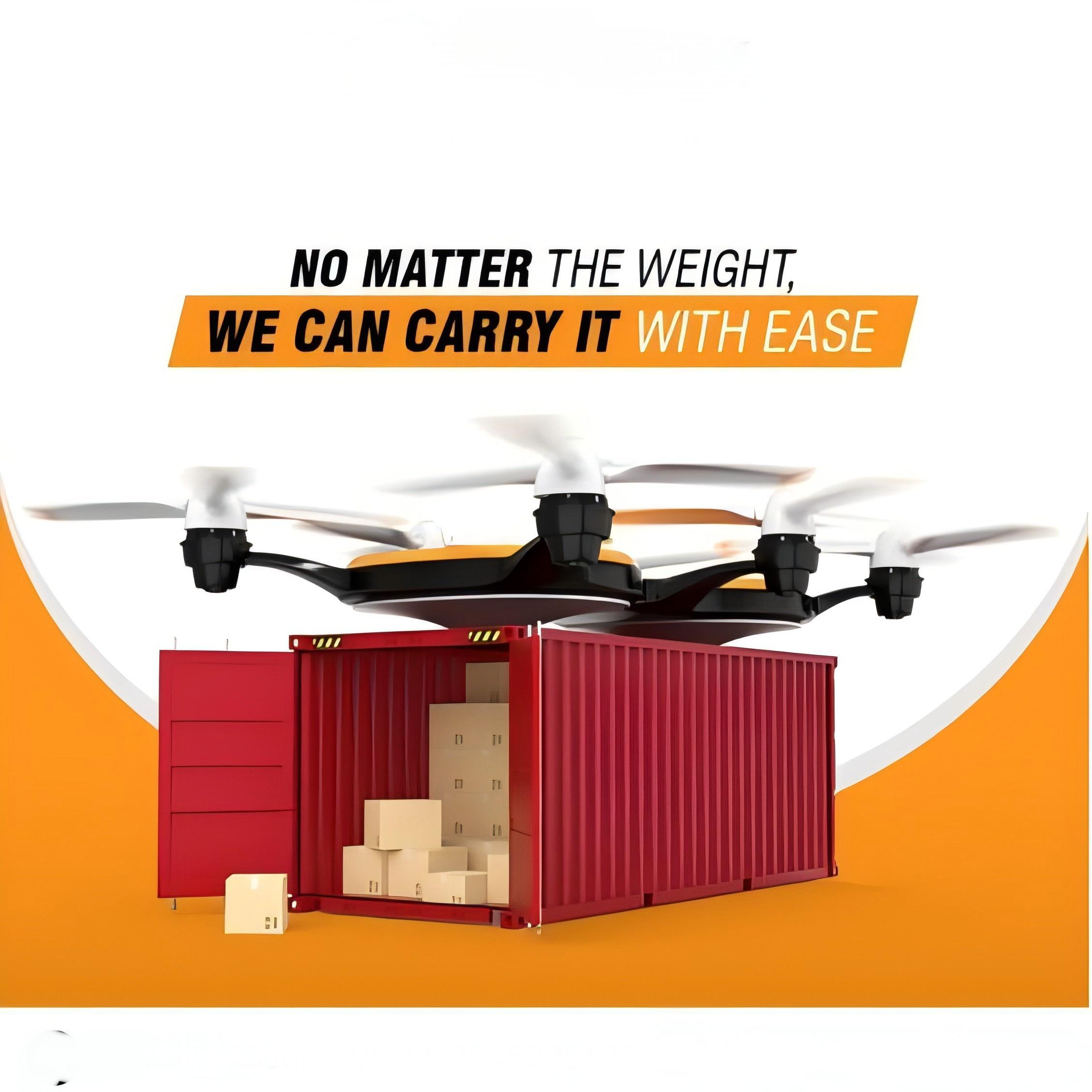
An Open Top container features a removable roof, typically covered by a tarpaulin, allowing oversized freight to be loaded from the top using cranes. This method is ideal for heavy and bulky items exceeding standard container height. It ensures secure handling and protection during transit.
Furthermore, this specialized container type safeguards valuable automotive components from damage during loading and unloading. It provides essential protection against weather elements while offering flexibility for irregular dimensions. Therefore, Open Top FCL is a preferred choice for many auto manufacturers and suppliers.
Understanding the Open Top FCL Process from China to Sweden
The journey for your auto parts begins with meticulous planning and booking the appropriate Open Top FCL container. This involves coordinating with suppliers in China and selecting optimal departure ports such as Shanghai, Ningbo, or Shenzhen. Efficient pre-shipment arrangements are paramount for a smooth process.
Once loaded, the container embarks on its sea freight voyage across international waters to Sweden. Key ports of discharge typically include Gothenburg or Stockholm. The `transit time` and route selection are critical aspects influencing the overall `delivery schedule`.
Moreover, detailed documentation, including commercial invoices, packing lists, and bills of lading, must be accurately prepared and submitted. Proper adherence to these requirements prevents customs delays upon arrival. This structured approach ensures every step of the logistics chain is managed effectively.
Critical Factors in Sea Freight for Auto Parts
Several factors significantly influence the success and cost-effectiveness of shipping auto parts via Open Top FCL. Understanding these elements is vital for any importer. Firstly, the `shipping costs` are determined by container size, distance, fuel surcharges, and current market `freight rates`.
Secondly, `transit time` from China to Sweden typically ranges from 28 to 38 days, depending on the specific ports and chosen carrier route. Direct services offer faster delivery but might incur higher costs compared to routes with transshipment. Efficient planning minimizes potential delays.
Furthermore, effective `cargo handling` is crucial for preventing damage to sensitive auto parts. Specialized equipment is often required for loading and unloading oversized items. Ensuring your logistics provider has experience with such cargo is a key consideration.
Advanced Customs Brokerage and Compliance for Sweden Imports
Navigating Swedish `customs` regulations for imported auto parts can be complex. Importers must comply with specific tariffs, duties, and product safety standards set by the EU and Sweden. A slight oversight can lead to significant delays and penalties.
Engaging an experienced customs brokerage service is therefore highly recommended. They can ensure all necessary documentation, such as Certificates of Origin and compliance declarations, are correctly filed. This proactive approach streamlines the `import/export` process.
Moreover, a knowledgeable broker can advise on potential duty exemptions or preferential trade agreements, optimizing your overall `shipping costs`. Their expertise is invaluable in avoiding unforeseen issues and ensuring a smooth transition through Swedish borders.
How Does Open Top FCL Compare to Other Shipping Options?
When shipping auto parts from China to Sweden, understanding the various shipping methods is critical for making informed decisions. Open Top FCL is excellent for oversized cargo, but other options might suit different needs. Evaluating alternatives based on cost, speed, and cargo type is essential.
For instance, standard FCL containers are suitable for auto parts that fit within conventional dimensions, offering a lower cost than Open Top options. Less than Container Load (LCL) is ideal for smaller volumes, consolidating goods from multiple shippers. However, LCL can involve more handling and potentially longer transit times.
Comparatively, air freight offers significantly faster `transit time`, typically 5-7 days, but at a substantially higher `shipping cost`. This method is usually reserved for urgent, high-value, or small-volume auto parts where speed is the absolute priority. Rail freight, while an option for some European routes, is less direct for Sweden and generally not suitable for oversized Open Top cargo.
| Shipping Method | Cost Range (China-Sweden) | Transit Time | Best For | Limitations |
|---|---|---|---|---|
| Open Top FCL | $3,500-5,500 (40’OT) | 30-38 days | Oversized, heavy auto parts; large volumes | Higher cost than standard FCL; limited capacity |
| Standard FCL (40’HQ) | $3,000-4,500 | 28-35 days | Large volumes of standard-sized auto parts | Cannot accommodate oversized cargo; fixed dimensions |
| LCL (Sea Freight) | $80-150/CBM | 35-45 days | Smaller volumes (under 15 CBM) of auto parts | Longer transit, more handling, less control |
| Air Freight | $6-12/kg | 5-7 days | Urgent, high-value, small-volume auto parts | Very high cost; strict weight/size limits |
Which Option Should You Choose?
Your decision hinges on a balance of priorities. If `budget` is the primary concern and cargo fits standard dimensions, then standard FCL or LCL are often the most economical. Conversely, if `speed priority` is paramount for critical components, air freight is the clear choice despite its higher price point.
For `cargo type considerations`, specifically oversized or heavy auto parts like engine blocks or industrial machinery components, Open Top FCL is practically indispensable. It provides the necessary capacity and loading flexibility. Always consider the `volume thresholds for switching methods`; LCL makes sense for small shipments, while FCL or Open Top FCL is cost-effective for larger volumes.
Ultimately, a hybrid solution might also be viable for complex `supply chain` needs. For example, essential small parts could fly via air freight, while the bulk of the shipment moves by Open Top FCL. This strategy balances speed and cost effectively.
Real-World Scenarios: Door-to-Door Open Top FCL Shipments
These case studies illustrate practical applications and challenges of `Open Top FCL tracking for auto parts from China to Sweden`. They highlight how specialized logistics overcome unique shipping requirements for the automotive industry.
Note: Freight rates are subject to change based on fuel costs, carrier capacity, and seasonal demand. Rates can increase by 15-25% during August-October peak season. Contact us for a current quote tailored to your specific shipment.
Case Study 1: Heavy Machinery Components
This case highlights the challenges and solutions for shipping extremely heavy and tall auto parts. The client needed to transport specialized industrial vehicle components that exceeded standard container height. Our door-to-door service ensured seamless logistics from factory to destination.
| Detail | Description |
|---|---|
| Route | Ningbo, China Gothenburg, Sweden |
| Cargo | Industrial engine blocks & chassis parts, 28 CBM, 22,000 kg |
| Container | 1 x 40′ Open Top FCL |
| Shipping Details | Carrier: COSCO, Port of Loading: Ningbo, Port of Discharge: Gothenburg, Route Type: Direct |
| Cost Breakdown (Q1 2025) | Ocean Freight: $4,200, Origin Charges: $650, Destination Charges: $550, Customs & Duties (est): $1,800, Total Landed Cost: $7,200 |
| Timeline | Booking to Loading: 5 days, Sea Transit: 32 days, Customs Clearance: 3 days, Total Door-to-Door: 40 days |
| Key Insight | Specialized loading equipment at origin and destination was crucial for safe handling of the heavy, oversized cargo. Proactive communication prevented delays. |

Case Study 2: Large Vehicle Body Panels
A Swedish automotive assembly plant required a shipment of large, custom-fabricated vehicle body panels. These panels, too wide and tall for standard containers, necessitated an Open Top solution. The focus was on secure transport and timely arrival for production.
| Detail | Description |
|---|---|
| Route | Shanghai, China Stockholm, Sweden |
| Cargo | Custom vehicle body panels, 25 CBM, 9,500 kg |
| Container | 1 x 40′ Open Top FCL |
| Shipping Details | Carrier: Maersk, Port of Loading: Shanghai, Port of Discharge: Stockholm, Route Type: Transshipment via Rotterdam |
| Cost Breakdown (Q4 2024) | Ocean Freight: $3,800, Origin Charges: $600, Destination Charges: $500, Customs & Duties (est): $1,500, Total Landed Cost: $6,400 |
| Timeline | Booking to Loading: 6 days, Sea Transit: 35 days, Customs Clearance: 4 days, Total Door-to-Door: 45 days |
| Key Insight | Careful lashing and bracing inside the open top container prevented any damage to the delicate panels during transit. Transshipment added a few days but offered a better rate. |
Case Study 3: Production Line Molds
An automotive parts manufacturer needed to ship several large, heavy production molds for their new facility in Sweden. These molds were critical for launching a new product line, making timely delivery and secure transport paramount. The `Open Top FCL tracking for auto parts from China to Sweden` provided necessary visibility.
| Detail | Description |
|---|---|
| Route | Shenzhen, China Malmo, Sweden |
| Cargo | Automotive production molds, 30 CBM, 25,000 kg |
| Container | 1 x 40′ Open Top FCL |
| Shipping Details | Carrier: MSC, Port of Loading: Shenzhen, Port of Discharge: Malmo, Route Type: Direct |
| Cost Breakdown (Q3 2024) | Ocean Freight: $4,500, Origin Charges: $700, Destination Charges: $600, Customs & Duties (est): $2,000, Total Landed Cost: $7,800 |
| Timeline | Booking to Loading: 4 days, Sea Transit: 30 days, Customs Clearance: 3 days, Total Door-to-Door: 38 days |
| Key Insight | Pre-booking well in advance during Q3 peak season helped secure favorable rates and container availability. Real-time updates minimized client anxiety. |
Optimizing Your Supply Chain: Tips for Shipping Auto Parts
Effective `supply chain management auto parts` is crucial for competitive advantage. Begin by forecasting demand accurately to avoid rush shipments and take advantage of better `freight rates`. Proactive planning significantly reduces overall `shipping costs`.
Moreover, working with a logistics partner offering comprehensive services, from origin consolidation to destination delivery, can streamline your operations. This integrated approach minimizes coordination efforts and potential communication gaps. It also enhances the reliability of your `delivery schedule`.
Considering alternative sourcing or manufacturing locations can also impact `logistics trends` and costs. Regular review of your shipping routes and methods ensures you are always using the most efficient and economical solutions available.
Ensuring Transparency: Effective Tracking Solutions for Your Cargo
In the fast-paced automotive industry, knowing the exact location and status of your `Open Top FCL tracking for auto parts from China to Sweden` is non-negotiable. Modern tracking solutions provide `real-time shipment updates`, offering unparalleled visibility throughout the entire journey. This transparency is vital for inventory management.
Furthermore, advanced platforms often integrate with carrier systems, offering detailed milestones from port departure to arrival at the final destination. This includes estimated times of arrival (ETAs) and notifications of any unforeseen delays. Such robust `tracking solutions` are crucial for proactive problem-solving.
Even for specialized cargo like Open Top FCL, reliable `tracking solutions` provide peace of mind. While express service might offer faster updates for smaller parcels, comprehensive FCL tracking ensures large shipments are monitored with equal precision. This level of detail helps manage expectations and production timelines.
Navigating Challenges: Port Congestion and Seasonal Demands
The international shipping landscape is frequently impacted by various challenges, including `port congestion` and seasonal demand fluctuations. These factors can significantly affect `transit time` and `delivery schedule` for auto parts. For example, major holidays in China, like Chinese New Year, often lead to factory closures and port backlogs.
`Market data suggests` that freight rates typically increase by 15-25% during peak seasons, usually from August to October, leading up to the holiday shopping season. Planning shipments outside these windows or booking well in advance can help mitigate higher `shipping costs`. Staying informed about `logistics trends` is key.
As of Q1 2025, freight rates from China to Europe have stabilized after the 2024 Red Sea disruptions, but geopolitical events can always introduce volatility. Therefore, partnering with a flexible and informed logistics provider is essential for navigating these unpredictable elements.
Conclusion
Shipping oversized auto parts from China to Sweden via Open Top FCL presents unique challenges that demand expert handling and advanced tracking capabilities. From understanding specialized container requirements to navigating complex customs procedures, every step requires careful attention. Implementing robust `Open Top FCL tracking for auto parts from China to Sweden` ensures transparency and control.
By partnering with an experienced logistics provider, you can effectively manage `shipping costs`, optimize `transit time`, and ensure compliance with all regulations. Proactive planning, informed decision-making, and reliable tracking are the cornerstones of a successful international automotive supply chain. Secure your next shipment with confidence and efficiency.
Need a tailored shipping solution?
Ready to optimize your Open Top FCL tracking for auto parts from China to Sweden? Contact us today for a personalized quote and discover how our expert logistics solutions can streamline your supply chain and ensure timely delivery. Let us handle the complexities so you can focus on your business.