
Securing 40GP FCL Space: Solar Panels China to Portugal
“Finding reliable 40GP FCL space availability for solar panels from China to Portugal is a critical challenge for businesses today. Volatile freight rates and fluctuating vessel schedules can significantly impact project timelines and budgets. Navigating these complexities therefore requires expert knowledge and strategic planning to ensure your solar panel shipments arrive safely and on time. For comprehensive logistics solutions, trust Top China Freight.”

Understanding 40GP FCL Space Availability for Solar Panels
❖The demand for renewable energy, especially solar panels, has surged globally, subsequently increasing the need for efficient logistics from manufacturing hubs like China. Consequently, securing dedicated 40GP Full Container Load (FCL) space for these delicate and high-value products to Portugal has become a top priority for many importers. This section delves into the nuances of current market conditions.
Furthermore, 40GP containers are ideal for solar panels due to their dimensions, allowing for optimal stacking and minimizing damage during transit. However, finding consistent 40GP FCL space availability for solar panels from China to Portugal can be challenging. This is particularly true during peak shipping seasons or amidst global supply chain disruptions. Therefore, proactive planning is essential for successful import operations.
Key Factors Influencing 40GP FCL Availability and Costs
❖Several critical factors dictate both the availability and pricing of 40GP FCL space for solar panels on the China-Portugal route. Understanding these elements is crucial for effective budget management and supply chain stability. For instance, global trade volumes directly impact vessel capacity and container allocation.
Moreover, port congestion in major Chinese export hubs and Portuguese discharge ports can significantly delay shipments. This also reduces available vessel slots. Additionally, fuel surcharges, carrier capacity, and seasonal demand (e.g., pre-holiday rushes) all contribute to fluctuating freight rates and overall shipping costs. Monitoring these logistics trends is vital.
Geopolitical events and unforeseen disruptions, such as the Red Sea situation, also play a significant role in rerouting vessels and extending transit times. Consequently, these factors affect the entire delivery schedule. Therefore, shippers must remain agile and work with experienced freight forwarders to mitigate such risks.
Market Trends Affecting Solar Panel Shipping
As of Q1 2025, freight rates from China to Europe have seen some stabilization following the significant disruptions experienced in 2024. Nevertheless, capacity remains tight on certain routes, reflecting the ongoing global demand for goods. Industry benchmarks suggest a cautious optimism regarding future rate stability.
Furthermore, seasonal patterns invariably influence pricing and availability; rates typically increase by 15-25% during the August-October peak season. Therefore, booking well in advance or exploring alternative shipping strategies becomes imperative during these periods.
Choosing the Right Shipping Method for Solar Panels
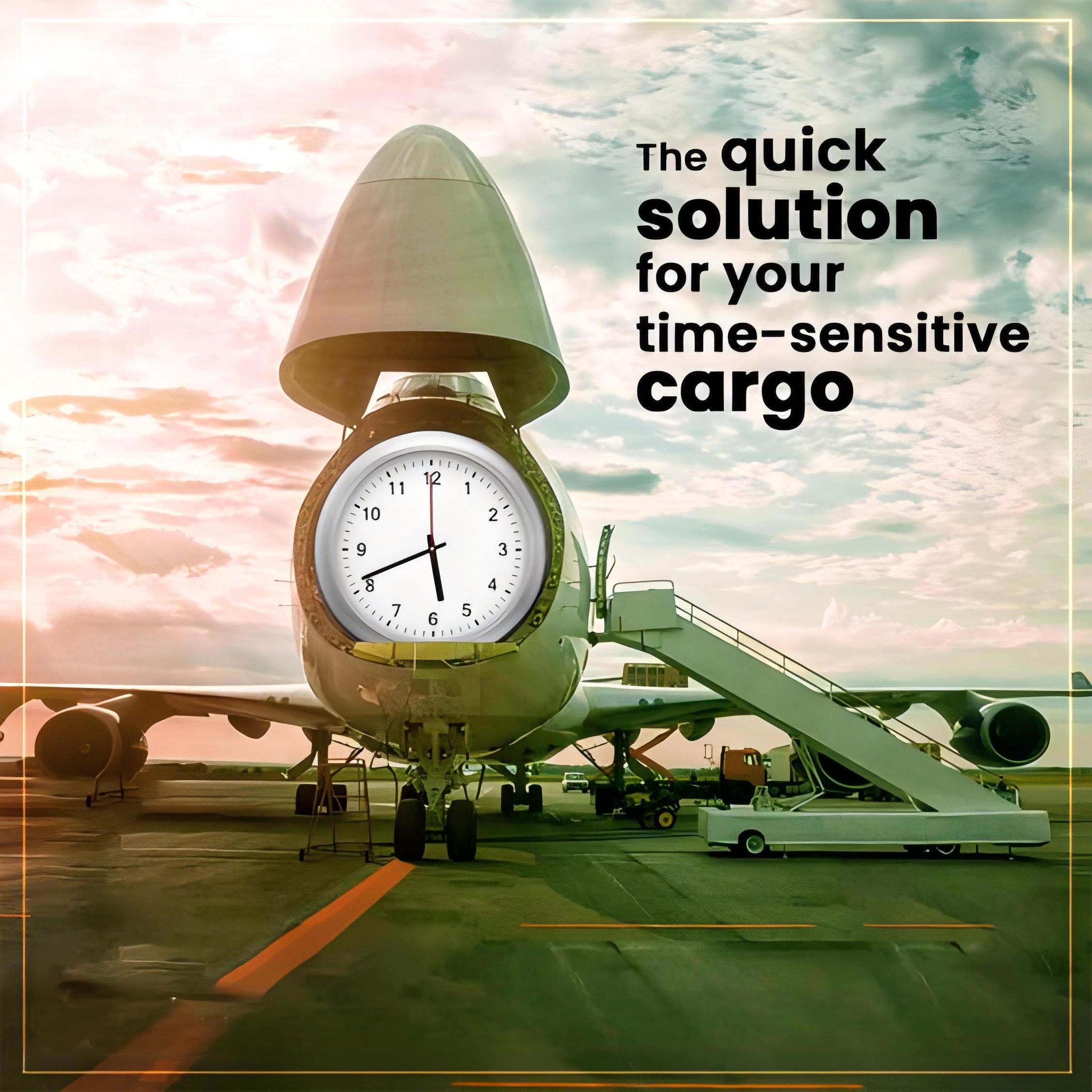
❖Selecting the optimal shipping method is paramount when transporting solar panels, considering their fragility and value. While ocean freight is the most common and cost-effective for 40GP FCL shipments, other options might be suitable depending on urgency and budget. Understanding the trade-offs is key for effective supply chain management.
For large volumes of solar panels, sea freight via 40GP FCL containers offers the best balance of cost and capacity. This method allows for dedicated container space, reducing handling and potential damage to the cargo. However, it requires longer transit times.
In contrast, for urgent or smaller consignments where speed is critical, air freight presents a viable, albeit more expensive, alternative. This method drastically cuts down transit times. However, it may not be practical for full 40GP equivalent volumes due to cost and cargo handling limitations.
How Does Ocean Freight Compare to Other Shipping Options?
❖Ocean freight, particularly FCL, is the cornerstone for shipping high-volume goods like solar panels from China to Portugal. Nevertheless, it is essential to compare it with other viable alternatives to make an informed logistics decision. Each method presents distinct advantages and disadvantages concerning cost, speed, and suitability.
While sea freight costs approximately $2,800-3,800 for a 40GP container to Europe, air freight for a comparable volume would cost significantly more, potentially $15,000-25,000. It arrives in 5-7 days instead of 30-35 days. This stark difference highlights the budget-speed trade-off.
For shipments under 15 CBM that don’t fill a 40GP, LCL at $50-80/CBM may be more economical than a full container. However, it often entails longer transit times due to consolidation. Moreover, direct routes, while potentially costing 10-15% more, can save 5-7 days compared to transshipment via major hubs.
| Shipping Method | Cost Range (40GP/Equivalent) | Transit Time (Port-to-Port) | Best For | Limitations |
|---|---|---|---|---|
| Ocean FCL | $2,800 – $4,200 | 30 – 38 days | Large volumes, cost-efficiency, non-urgent goods | Slower, susceptible to port delays, weather |
| Air Cargo | $15,000 – $25,000 (volumetric) | 5 – 10 days | Urgent, high-value, smaller volumes | High cost, limited capacity for large items |
| Rail-Sea (Multimodal) | $8,000 – $12,000 (est.) | 25 – 30 days | Moderate urgency, specific inland destinations | Complex coordination, limited direct routes |
Alternative Strategies and Cost-Saving Tips
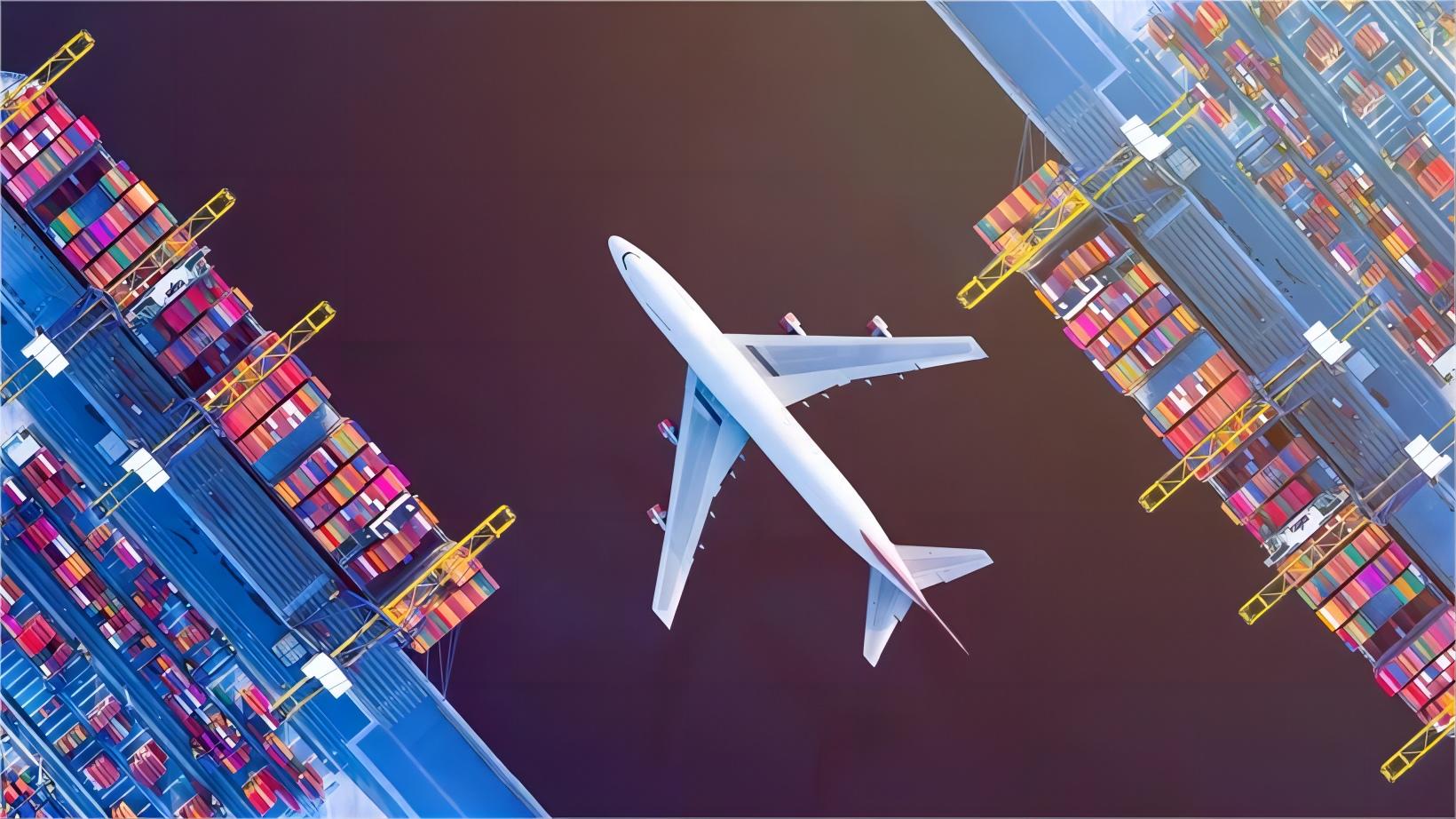
To optimize shipping for solar panels to Europe, consider a multimodal approach. For instance, rail freight to a central European hub followed by onward road or short-sea shipping to Portugal can offer a middle ground between air and pure sea freight in terms of speed and cost. This hybrid solution can be particularly effective.
Furthermore, negotiating long-term contracts with freight forwarders can help stabilize rates and secure dedicated 40GP FCL space, especially for recurring shipments. Consolidating multiple smaller orders into a single 40GP container also maximizes utilization and reduces per-unit shipping costs.
Additionally, consider off-peak season shipping whenever possible to leverage lower rates and better space availability. Exploring different ports of loading in China or discharge in Portugal can sometimes yield more favorable options and avoid congested areas.
Which Shipping Option Should You Choose?
The ideal shipping solution for your solar panels depends heavily on your specific priorities and cargo characteristics. A clear decision framework can guide your choice, ensuring efficient and cost-effective logistics.
If budget is your primary priority, ocean FCL is unequivocally the most economical choice for 40GP shipments, despite longer transit times. Conversely, if speed is paramount for urgent projects or time-sensitive inventory, air freight is the recommended option, albeit at a premium.
For cargo type considerations, fragile solar panels benefit from FCL shipping due to less handling. Volume thresholds also play a role: for shipments consistently filling a 40GP container, FCL is always better than LCL for cost and security.
Navigating Customs Clearance and Documentation
❖Successful importation of solar panels into Portugal requires meticulous attention to customs clearance procedures and documentation. Any oversight can lead to significant delays, penalties, and increased costs. Therefore, partnering with an experienced customs brokerage service is highly advisable.
Key documents typically include the commercial invoice, packing list, bill of lading, certificate of origin, and potentially product-specific certifications for solar panels (e.g., CE marking, IEC standards). Ensuring all paperwork is accurate and complete prior to vessel arrival is crucial for smooth processing.
Portuguese customs regulations might also require specific declarations or inspections for renewable energy products. Understanding and complying with these import regulations is critical to avoid unnecessary hold-ups at the port of discharge.
Real-World Case Studies: 40GP FCL Solar Panels China to Portugal
❖Case Study 1: Large-Scale Solar Farm Project
This case illustrates a typical large-volume shipment for a new solar farm installation in southern Portugal, emphasizing cost-efficiency and careful scheduling.
| Detail | Description |
|---|---|
| Route | Shanghai, China -> Sines, Portugal |
| Cargo | 2000 x 450W Monocrystalline Solar Panels, 55 CBM, 45,000 kg |
| Container | Two 40GP FCL containers |
| Shipping Details | |
| – Carrier/Service | COSCO (Major carrier) |
| – Port of Loading | Shanghai |
| – Port of Discharge | Sines |
| – Route Type | Direct |
| Cost Breakdown | (Based on Q3 2024 market rates) |
| – Ocean Freight | $3,600 per 40GP ($7,200 total) |
| – Origin Charges | $800 per 40GP ($1,600 total) |
| – Destination Charges | $900 per 40GP ($1,800 total) |
| – Customs & Duties | $2,500 (estimated) |
| – Total Landed Cost | $13,100 |
| Timeline | |
| – Booking to Loading | 7 days |
| – Sea Transit | 32 days |
| – Customs Clearance | 3 days |
| – Total Door-to-Door | 45 days (incl. inland Portugal delivery) |
| Key Insight | Proactive booking 4 weeks in advance secured competitive rates and space during a moderately busy period, avoiding peak season surcharges. |
Case Study 2: Urgent Resupply for Distributor
This scenario involved a distributor needing a rapid replenishment of popular solar panel models due to unexpected demand spikes, requiring a faster, yet still cost-effective solution.
| Detail | Description |
|---|---|
| Route | Ningbo, China -> Lisbon, Portugal |
| Cargo | 1000 x 400W Bifacial Solar Panels, 25 CBM, 20,000 kg |
| Container | One 40GP FCL container |
| Shipping Details | |
| – Carrier/Service | Maersk (Major carrier) |
| – Port of Loading | Ningbo |
| – Port of Discharge | Lisbon |
| – Route Type | Transshipment via Valencia, Spain |
| Cost Breakdown | (Typical rates as of early 2025) |
| – Ocean Freight | $3,100 |
| – Origin Charges | $750 |
| – Destination Charges | $850 |
| – Customs & Duties | $1,500 (estimated) |
| – Total Landed Cost | $6,200 |
| Timeline | |
| – Booking to Loading | 5 days |
| – Sea Transit | 35 days |
| – Customs Clearance | 4 days |
| – Total Door-to-Door | 48 days (incl. inland Portugal delivery) |
| Key Insight | Opting for a transshipment route offered a slightly lower freight rate, balancing cost and a reasonable transit time for inventory replenishment. |
Case Study 3: Small-Batch Specialized Panels
This example focuses on a smaller, specialized order where secure handling and a comprehensive door-to-door service were paramount, demonstrating flexibility in FCL utilization.
| Detail | Description |
|---|---|
| Route | Shenzhen, China -> Porto, Portugal |
| Cargo | 500 x Flexible Solar Panels, 12 CBM, 5,000 kg |
| Container | One 40GP FCL container (partially filled) |
| Shipping Details | |
| – Carrier/Service | Hapag-Lloyd (Major carrier) |
| – Port of Loading | Shenzhen |
| – Port of Discharge | Porto |
| – Route Type | Direct |
| Cost Breakdown | (Based on Q1 2025 market rates) |
| – Ocean Freight | $3,800 |
| – Origin Charges | $850 |
| – Destination Charges | $950 |
| – Customs & Duties | $800 (estimated) |
| – Total Landed Cost | $6,400 |
| Timeline | |
| – Booking to Loading | 6 days |
| – Sea Transit | 30 days |
| – Customs Clearance | 3 days |
| – Total Door-to-Door | 40 days (incl. inland Portugal delivery) |
| Key Insight | Despite not filling the 40GP, the client chose FCL for enhanced security and direct transit for their high-value, fragile, specialized solar panels, prioritizing safety over maximum space utilization. |
Expert Tips for Securing 40GP FCL Space
❖To consistently secure 40GP FCL space availability for solar panels from China to Portugal, strategic partnerships and informed decision-making are crucial. Proactive measures can significantly mitigate risks and optimize your logistics.
Engage with reputable freight forwarders known for their strong carrier relationships and extensive network in both China and Portugal. Their ability to secure space, even during tight market conditions, is invaluable. Always request multiple quotes to compare freight rates and service levels.
Furthermore, maintain clear communication with your suppliers regarding production schedules and readiness dates. This allows for timely booking and avoids last-minute rush charges or missed vessel cut-offs. Flexibility with shipping dates, if possible, can also open up more cost-effective options.
Navigating 40GP FCL Space for Solar Panels to Portugal
In summary, securing optimal 40GP FCL space availability for solar panels from China to Portugal demands a comprehensive understanding of market dynamics, strategic planning, and reliable logistics partners. Factors like freight rates, transit time, and customs procedures all play a pivotal role.
By carefully considering shipping methods, implementing alternative strategies, and working with experienced professionals, businesses can effectively manage their supply chain. This ensures the timely and cost-efficient delivery of their valuable solar panel shipments.
Ready to streamline your logistics?
Ready to secure reliable 40GP FCL space for your solar panels from China to Portugal? Don’t let complex logistics hinder your project timeline. Contact our experts today for a personalized quote and seamless shipping solutions tailored to your specific needs.
Request Quote