Open Top FCL Container Shortage: Solar Panel Solutions China to Los Angeles
The global supply chain often presents unique challenges, especially when shipping specialized cargo like solar panels. Facing an Open Top FCL container shortage solution for solar panels from China to Los Angeles can significantly impact project timelines and budgets. This comprehensive guide explores effective strategies and alternative freight options to ensure your solar modules reach their destination efficiently and securely.
Understanding the Open Top FCL Container Shortage for Solar Panels
The increasing global demand for renewable energy, particularly solar power, has significantly boosted the volume of solar panel shipments. This surge frequently strains the availability of specialized containers like Open Top FCL units. Consequently, manufacturers and project developers face considerable logistical hurdles.
Specifically, an Open Top FCL container shortage for solar panels from China to Los Angeles can lead to delays, increased shipping costs, and disruptions in project schedules. This situation demands proactive planning and innovative freight solutions. Moreover, market conditions, port congestion, and seasonal peaks further exacerbate these challenges.

Why Solar Panels Need Open Top or Specialized Containers
Solar panels, particularly larger industrial models, often exceed the height limitations of standard dry containers. Their dimensions make them unsuitable for conventional shipping methods. Therefore, specialized equipment is crucial for safe and compliant transport.
Furthermore, the delicate nature of solar panels requires careful handling and protection against damage during transit. Open Top containers allow for overhead loading, which is ideal for oversized items. This method minimizes the risk of damage compared to trying to force panels through standard container doors.
Dimensions and Fragility of Solar Panels
Modern solar panels can be quite large, with some exceeding 2 meters in length and 1 meter in width. Their glass surfaces and intricate wiring are highly susceptible to impact damage or bending. Accordingly, proper securing and loading are paramount for their integrity.
Additionally, the sheer volume of panels required for large-scale solar farms necessitates efficient, high-capacity shipping solutions. Standard containers often cannot accommodate the height of stacked panels, making Open Top or Flat Rack containers essential for maximizing space and ensuring safety.
Protecting Your Investment During Transit
Ensuring the safe arrival of solar panels is a top priority for any importer. Specialized containers provide the necessary structural support and flexibility for secure loading. This includes using appropriate dunnage and lashing to prevent movement and damage during the ocean voyage.
Moreover, the ability to load vertically into an Open Top container reduces manual handling and the associated risks. This specialized approach protects the panels from potential harm, thus safeguarding your significant investment in renewable energy technology.
Strategic Solutions for the Open Top FCL Shortage
When facing an Open Top FCL container shortage for solar panels from China to Los Angeles, several strategic alternatives can help maintain your supply chain flow. Proactive planning and flexibility in choosing shipping methods are key. These solutions aim to mitigate delays and control sea freight costs.
Indeed, understanding the nuances of each option allows businesses to make informed decisions tailored to their specific cargo and timeline requirements. Considering these alternatives early can prevent significant disruptions and unexpected expenses.
Leveraging Flat Rack Containers
Flat Rack containers are an excellent alternative for oversized solar panels that cannot fit into standard or even Open Top containers. These containers have no side walls or roof, allowing for cargo to be loaded from the top or sides. They are particularly suitable for exceptionally wide or tall items.
However, Flat Rack containers require specialized handling equipment at both origin and destination ports. They often incur higher drayage fees due to their unique dimensions. Despite this, they offer a reliable solution when Open Top containers are scarce, ensuring your solar panels can still be shipped effectively.
Exploring Breakbulk Shipping Options
For extremely large volumes or exceptionally oversized solar panels, breakbulk shipping becomes a viable solution. This method involves loading cargo directly onto a vessel’s hold or deck, rather than in containers. It is often used for massive project cargo that cannot be containerized.
While breakbulk can be more complex in terms of handling and documentation, it offers unparalleled flexibility for non-standard cargo. It bypasses container availability issues entirely. Nevertheless, it typically requires more coordination with port authorities and specialized stevedores. Consider this for major solar farm components.
Consolidating and Optimizing Standard FCL Use
In some cases, if solar panels are not excessively tall, careful stacking and consolidation within standard FCL containers might be possible. This approach requires precise planning and secure packaging to prevent damage. It is crucial to ensure panels fit within the door frame and internal height limits.
Moreover, optimizing the loading configuration can maximize space utilization, reducing the number of containers needed. This strategy can be particularly effective for smaller, more compact solar panel models or specific components. Always verify dimensions carefully to avoid loading issues at the port.
How Does Open Top FCL Compare to Other Shipping Options?
Choosing the right shipping method for solar panels from China to Los Angeles involves balancing cost, transit time, and cargo specifications. An Open Top FCL container shortage necessitates evaluating all viable alternatives. Each option presents unique advantages and limitations.
Indeed, understanding these differences is crucial for optimizing your logistics strategy. This comparison helps you make an informed decision, especially when facing supply chain pressures and specialized cargo requirements.
Note: Freight rates are subject to change based on fuel costs, carrier capacity, and seasonal demand. Contact us for a current quote tailored to your specific shipment.
| Shipping Method | Cost Range (40HQ equivalent) | Transit Time (China-LA) | Best For | Limitations |
|---|---|---|---|---|
| Open Top FCL | $2,800 – $4,200 | 14-18 days | Oversized, non-stackable solar panels | Availability can be challenging |
| Flat Rack FCL | $3,500 – $5,000 | 14-18 days | Extremely wide/tall solar panels, heavy items | Higher handling costs, specialized equipment needed |
| Breakbulk | Variable (Project-specific) | 18-25 days | Very large project cargo, non-containerizable | Complex logistics, longer lead times, more handling |
| Standard FCL | $2,500 – $3,800 | 14-18 days | Standard-sized solar panels, stackable components | Height/width restrictions, not suitable for all panels |
| LCL (for components) | $50 – $80/CBM | 20-30 days | Small quantities of accessories/parts | Increased handling, longer transit, higher damage risk for panels |
| Air Freight | $15,000 – $25,000 (equivalent) | 3-7 days | Urgent, high-value, small critical components | Extremely high cost, not viable for full panel shipments |
Sea Freight vs. Air Freight for Solar Panels
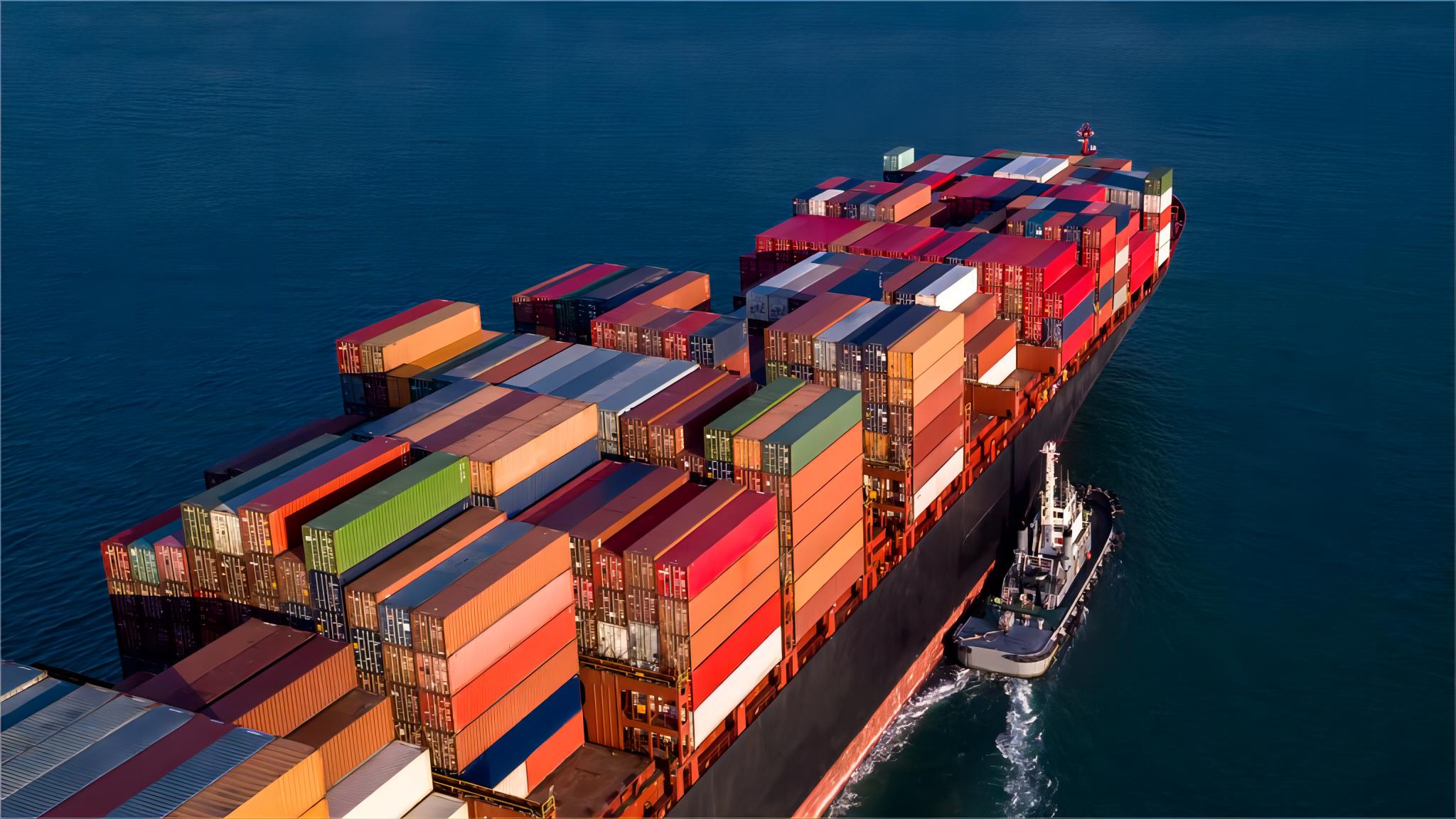
While sea freight is the most common and cost-effective method for solar panels, air freight offers significantly faster transit times. For instance, sea freight from China to Los Angeles typically takes 14-18 days. Air freight, however, can deliver in 3-7 days.
However, the cost differential is substantial. Air freight for a volume equivalent to a 40HQ container can be 5-10 times more expensive than sea freight. Therefore, air freight is generally reserved for urgent, high-value, or smaller critical components. It is rarely viable for full solar panel shipments due to cost.
FCL vs. LCL for Solar Panel Components
Full Container Load (FCL) is usually preferred for solar panels due to their size and fragility, minimizing handling. Less than Container Load (LCL) involves consolidating multiple shippers’ cargo into one container. This increases handling points and potential for damage.
Nevertheless, for smaller quantities of solar panel accessories, mounting hardware, or replacement parts, LCL can be a cost-effective solution. If your shipment is less than 15 CBM, LCL might be more economical than a full container. Always consider the trade-off between cost savings and increased risk of damage for delicate items.
Direct Routes vs. Transshipment Strategies
Direct shipping routes from China to Los Angeles offer the fastest sea transit times, typically 14-18 days. These routes involve fewer stops and less handling, reducing the risk of delays and damage. Consequently, they are often preferred for time-sensitive or fragile cargo like solar panels.
Transshipment, involving cargo transfer at an intermediate port (e.g., Busan, South Korea), can sometimes offer lower rates but adds 5-10 days to transit time. It also introduces additional handling, increasing potential risks. For solar panels, direct routes are generally recommended despite a potentially higher cost, ensuring smoother delivery to North America.
Which Option Should You Choose?
Your choice depends primarily on budget, urgency, and cargo specifics. If budget is the priority and panels fit, standard FCL is ideal. For oversized panels where Open Top is unavailable, Flat Rack or Breakbulk are necessary. Speed-critical components might justify air freight.
Ultimately, evaluate the total landed cost, including potential delays and damage risks. A reliable freight forwarder can provide tailored advice. This ensures the most efficient and secure delivery of your solar panels to Los Angeles.
Navigating Customs and Documentation for Solar Panel Imports to Los Angeles
Importing solar panels into Los Angeles from China requires meticulous attention to customs regulations and documentation. Proper preparation is essential to avoid delays, penalties, and unexpected costs. Understanding specific tariff codes and trade agreements is crucial for smooth clearance.
Moreover, the U.S. customs landscape is dynamic, with ongoing changes in trade policies and duties. Partnering with an experienced customs brokerage service is invaluable. They can ensure compliance and expedite the clearance process for your solar energy products.
Essential Customs Documents Checklist
A complete and accurate set of documents is the cornerstone of efficient customs clearance. Missing or incorrect paperwork can lead to significant delays and storage fees. Therefore, ensuring all required documents are prepared well in advance is critical.
Furthermore, specific declarations related to renewable energy products or anti-dumping duties may apply. Staying informed about these regulations is a vital aspect of managing your import supply chain effectively.
| Document | Purpose | Notes |
|---|---|---|
| Commercial Invoice | Details of goods, value, buyer/seller | Accurate valuation is critical for duties |
| Packing List | Itemized list of contents, weights, dimensions | Helps customs verify cargo and quantity |
| Bill of Lading (BOL) | Contract between shipper and carrier | Proof of ownership and shipping terms |
| Certificate of Origin | Confirms country of manufacture | May impact tariffs and trade agreements |
| Importer Security Filing (ISF) | Pre-arrival cargo declaration to CBP | Must be filed 24 hours before vessel loading |
| Customs Bond | Guarantees payment of duties/taxes | Required for all commercial imports over $2,500 |
| Product Specifications/Certifications | Technical data, safety standards (e.g., UL) | Ensures compliance with US product regulations |
Tariffs, Duties, and Trade Compliance
Solar panels from China are subject to various tariffs and duties, including Section 301 tariffs and potentially anti-dumping/countervailing duties. These can significantly impact the total landed cost of your shipment. Staying updated on current rates and exemptions is crucial.
Additionally, understanding the harmonized tariff schedule (HTS) codes for solar panels and related components is paramount. Incorrect classification can lead to penalties or incorrect duty payments. A professional customs broker can provide expert guidance in this complex area.
Real-World Solutions: Case Studies for Solar Panel Shipments
These case studies illustrate practical approaches to overcoming shipping challenges, including the Open Top FCL container shortage for solar panels from China to Los Angeles. They highlight the importance of adaptable logistics strategies. Each scenario reflects typical market conditions as of early 2025.
Indeed, these examples demonstrate how flexibility and expert freight forwarding can lead to successful project outcomes. They also provide realistic insights into costs, transit times, and potential issues.
Case Study 1: Urgent Solar Farm Expansion
A solar developer in Southern California urgently needed 10MW of specialized solar panels for a farm expansion. Faced with an Open Top FCL shortage, a Flat Rack solution was implemented.
This approach ensured the project stayed on schedule despite container availability issues. The slightly higher cost was justified by avoiding significant project delays and contractual penalties.
| Detail | Description |
|---|---|
| Route | Shanghai, China -> Los Angeles, USA |
| Cargo | 2500 oversized solar panels (approx. 400 CBM, 80,000 kg) |
| Container | 20 x 40′ Flat Rack Containers |
| Shipping Details | |
| – Carrier/Service | COSCO |
| – Port of Loading | Shanghai |
| – Port of Discharge | Los Angeles |
| – Route Type | Direct |
| Cost Breakdown | |
| – Ocean Freight | $100,000 (approx. $5,000/FR) |
| – Origin Charges (THC, documentation) | $5,000 |
| – Destination Charges (Drayage, handling) | $12,000 |
| – Customs & Duties (estimated) | $35,000 |
| – Total Landed Cost | $152,000 |
| Timeline | |
| – Booking to Loading | 7 days |
| – Sea Transit | 16 days |
| – Customs Clearance | 3 days |
| – Total Door-to-Door | 28 days |
| Key Insight | Flat Rack containers provided a critical alternative during peak season Open Top shortage, ensuring project continuity. |
Case Study 2: Large-Scale Residential Solar Project
A distributor of residential solar systems required a steady supply of standard-sized panels. While Open Top was preferred, a shortage led to optimizing standard 40HQ containers.
Careful planning and packaging allowed for safe stacking within height limits. This strategy offered a cost-effective solution without compromising panel integrity.
| Detail | Description |
|---|---|
| Route | Ningbo, China -> Los Angeles, USA |
| Cargo | 3000 standard solar panels (approx. 300 CBM, 60,000 kg) |
| Container | 15 x 40′ High Cube Containers |
| Shipping Details | |
| – Carrier/Service | MSC |
| – Port of Loading | Ningbo |
| – Port of Discharge | Los Angeles |
| – Route Type | Direct |
| Cost Breakdown | |
| – Ocean Freight | $52,500 (approx. $3,500/HQ) |
| – Origin Charges (THC, documentation) | $3,000 |
| – Destination Charges (Drayage, handling) | $9,000 |
| – Customs & Duties (estimated) | $25,000 |
| – Total Landed Cost | $89,500 |
| Timeline | |
| – Booking to Loading | 5 days |
| – Sea Transit | 15 days |
| – Customs Clearance | 2 days |
| – Total Door-to-Door | 24 days |
| Key Insight | Strategic stacking and careful loading in standard HQs mitigated the Open Top shortage without significant cost increase, ensuring efficient delivery. |
Case Study 3: Specialized Solar Inverter & Component Shipment
A company importing specialized solar inverters and mounting structures from China to Los Angeles faced a smaller, but critical shipment. Due to urgency, a partial air freight solution was considered for the high-value inverters, while structures went by sea.
This hybrid approach balanced speed for critical components with cost-effectiveness for the bulkier items. It highlights the importance of flexible logistics planning for diverse cargo needs.
| Detail | Description |
|---|---|
| Route | Shenzhen, China -> Los Angeles, USA |
| Cargo | 20 CBM solar inverters (10,000 kg) + 40 CBM mounting structures (15,000 kg) |
| Container | Air Freight (Inverters) + 1 x 40′ GP (Structures) |
| Shipping Details | |
| – Carrier/Service | Cathay Pacific (Air), Evergreen (Sea) |
| – Port of Loading | Shenzhen |
| – Port of Discharge | Los Angeles |
| – Route Type | Direct |
| Cost Breakdown | |
| – Air Freight (Inverters) | $15,000 |
| – Ocean Freight (Structures) | $3,000 |
| – Origin Charges (Air/Sea) | $1,500 |
| – Destination Charges (Air/Sea) | $2,500 |
| – Customs & Duties (estimated) | $8,000 |
| – Total Landed Cost | $30,000 |
| Timeline | |
| – Booking to Loading (Air) | 2 days |
| – Sea Transit (Structures) | 17 days |
| – Air Transit (Inverters) | 4 days |
| – Customs Clearance | 2-3 days |
| – Total Door-to-Door (Hybrid) | 6-22 days |
| Key Insight | A hybrid solution effectively managed urgency for high-value items while keeping bulkier cargo cost-efficient, navigating container and speed demands. |

Partnering with a Reliable Freight Forwarder for Solar Panel Logistics
Navigating the complexities of international shipping, especially with an Open Top FCL container shortage for solar panels from China to Los Angeles, requires expert assistance. A reliable freight forwarder acts as your logistics partner. They streamline the entire process from origin to destination.
Experienced forwarders like Top China Freight offer comprehensive door-to-door services. This includes sourcing specialized containers, managing customs clearance, and optimizing routes. Their expertise ensures your solar panels are transported efficiently and securely, minimizing risks and costs.
Benefits of a Specialized Logistics Partner
A specialized freight forwarder possesses in-depth knowledge of solar panel shipping requirements. This includes understanding their fragility, dimensions, and necessary handling protocols. They can anticipate and mitigate potential issues before they arise, saving you time and money.
Moreover, they have established networks with carriers, ports, and customs agencies. This allows for better rates, priority booking, and faster problem resolution. Such partnerships are invaluable when facing challenges like equipment shortages or port congestion, ensuring supply chain resilience.
Risk Management and Insurance for Solar Cargo
Protecting your solar panel investment during transit is paramount. A professional freight forwarder can advise on comprehensive cargo insurance options. This covers potential losses or damages from unforeseen events during ocean transit or land transportation.
Additionally, they implement robust risk management strategies, from secure packaging to real-time tracking. This proactive approach minimizes exposure to supply chain disruptions. It gives you peace of mind throughout the entire shipping process, from China to Los Angeles.
Cost-Saving Strategies and Optimizing Your Supply Chain
Efficiently managing the import of solar panels from China to Los Angeles, especially amidst an Open Top FCL container shortage, involves implementing various cost-saving strategies. Optimizing every stage of your supply chain can yield significant financial benefits. This includes careful planning and carrier selection.
Additionally, understanding market trends and seasonal variations in freight rates allows for more strategic booking. Proactive measures can help mitigate the impact of fluctuating shipping costs and ensure better budget control. Ultimately, smart logistics decisions drive profitability.
Leveraging Off-Peak Shipping and Volume Discounts
Shipping during off-peak seasons can significantly reduce ocean freight rates. Rates typically increase 15-25% during August-October peak season and before major holidays like Chinese New Year. Planning your shipments around these periods can result in substantial savings.
Furthermore, consolidating larger volumes of cargo with a single carrier or freight forwarder can often unlock volume discounts. This strategy is particularly effective for consistent importers of solar panels. It strengthens your negotiating position and lowers per-unit shipping costs.
Exploring Hybrid and Multi-Modal Solutions
For certain components or urgent segments of a solar project, a hybrid approach combining different transport modes can be beneficial. For example, critical small parts might be sent via express service, while the bulk of the panels moves via sea freight. This balances speed and cost.
Although rail freight is not applicable for China to Los Angeles directly, considering alternative land routes within the US for final distribution can optimize costs. This multi-modal strategy ensures flexibility and efficiency across your entire logistics network, adapting to specific needs.
Conclusion: Securing Your Solar Panel Supply Chain
Navigating the complexities of an Open Top FCL container shortage for solar panels from China to Los Angeles requires a multifaceted approach. From leveraging alternative container types like Flat Racks to exploring breakbulk options and optimizing standard FCL use, strategic planning is essential. Understanding customs regulations and partnering with a reliable freight forwarder further streamlines the process.
Ultimately, a resilient supply chain for solar panels depends on informed decision-making, flexibility, and strong logistical support. By implementing these solutions, businesses can ensure the timely and cost-effective delivery of their renewable energy products, contributing to a sustainable future.
Start Your Shipment
Facing an Open Top FCL container shortage for solar panels from China to Los Angeles? Do not let logistical challenges delay your projects. Contact Top China Freight today for a personalized quote and expert solutions tailored to your unique shipping needs. Our team is ready to help you navigate complex international freight.
Request Quote