As a freight forwarding agent, we recognize that Pakistan, as a regional powerhouse, boasts an extensive coastline and numerous vital ports, including Gwadar Port and Karachi Port. These ports play a pivotal role in regional and international trade, serving as crucial gateways for the movement of goods. Pakistan’s infrastructure is relatively well-developed, encompassing port facilities, highways, railways, and air transportation, providing robust support and assurance for cargo transportation. However, due to its geographical location and the complexity of maritime trade routes, transporting goods may necessitate crossing multiple maritime trade channels, requiring freight forwarding agents to possess adept logistics planning and execution capabilities. Overall, Pakistan, as a regional powerhouse, offers abundant resources and opportunities for cargo transportation, underlining its significant potential in the freight industry.
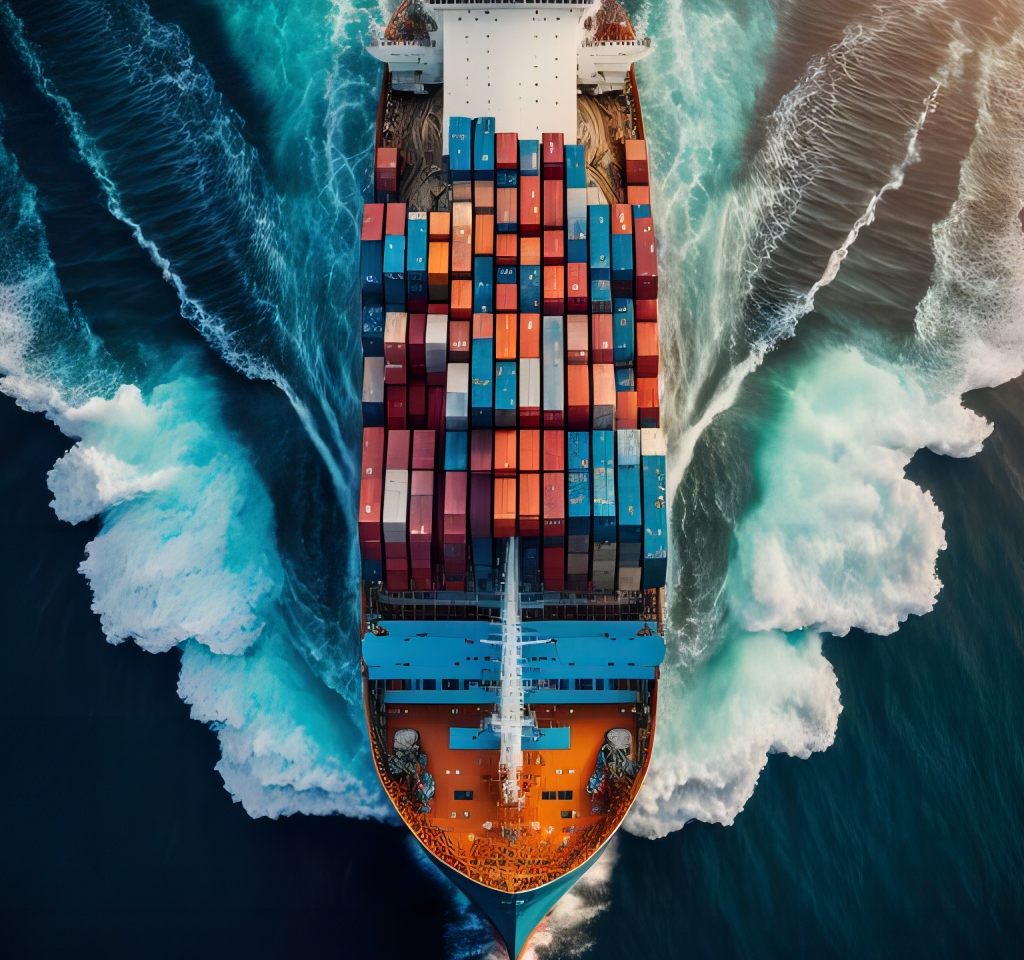
The transportation of goods by cargo ships across oceans, ideal for large volumes and heavy items.
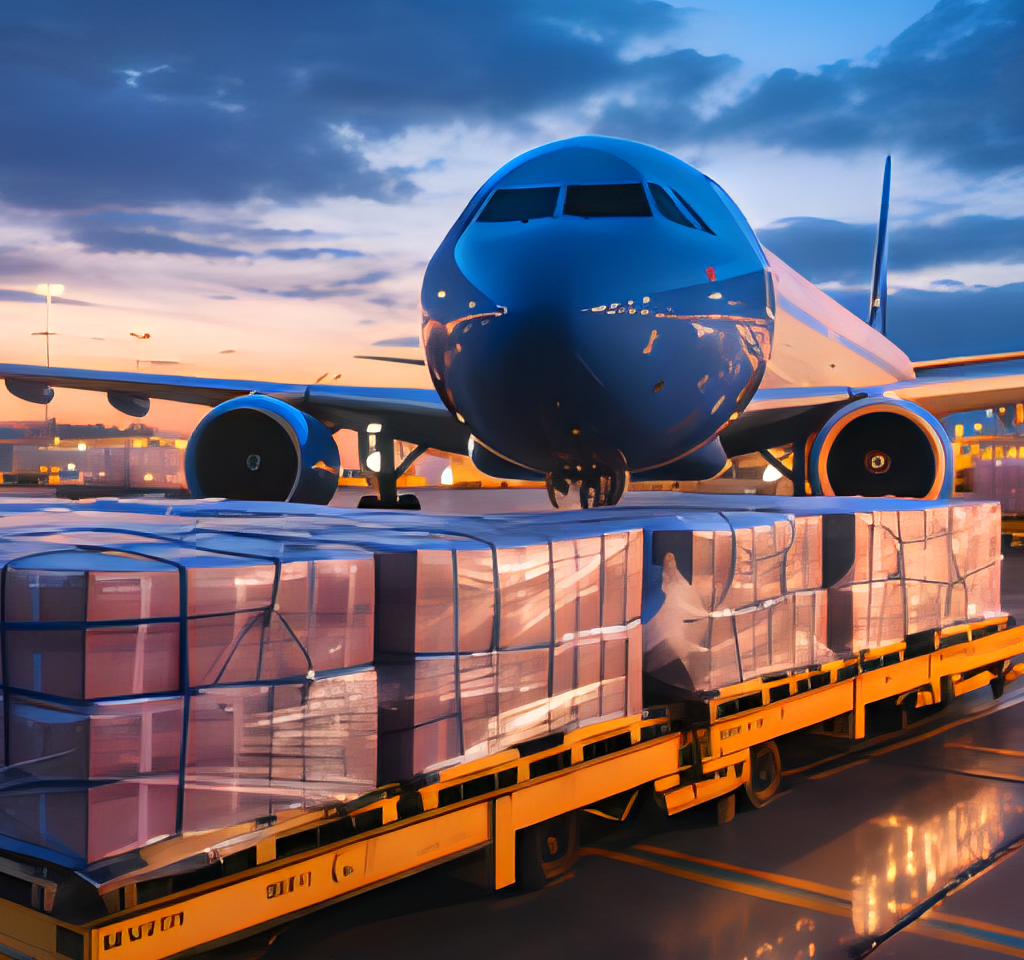
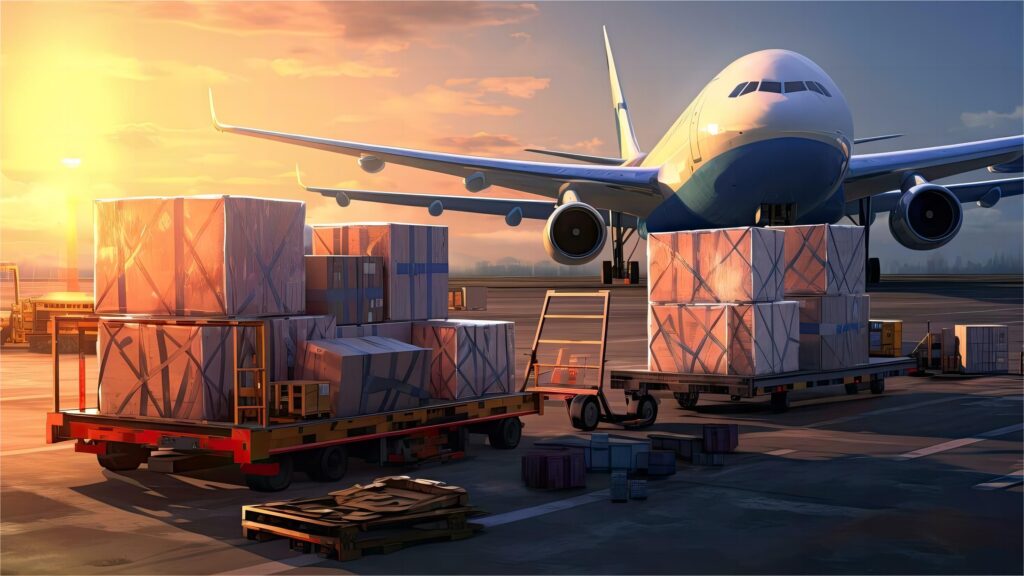
The shipment of goods via airplanes, offering fast delivery times for high-value or time-sensitive cargo.

This comprehensive solution streamlines the shipping process, ensuring efficient and hassle-free delivery.

The process of shipping goods that are loaded individually rather than in containers, typically used for oversized or irregularly shaped cargo.
China and Pakistan operate under the China–Pakistan Free Trade Agreement (CPFTA).
Many products qualify for reduced or zero customs duty under this agreement. However, eligibility depends on:
Correct HS code classification
Meeting origin rules
Proper Certificate of Origin (Form P)
Without valid preferential documentation, normal tariff rates apply.
Importers usually verify tariff reduction before confirming order size.
Most container cargo from China arrives at:
Port of Karachi
Port Qasim
Some cargo may also move through Gwadar Port, but it handles limited commercial volume compared to Karachi.
Port choice depends on:
Final destination (Punjab, Sindh, KPK, etc.)
Shipping line schedule
Inland trucking cost
Karachi remains the primary gateway.
Import charges in Pakistan typically include:
Customs duty
Additional customs duty
Regulatory duty (for selected goods)
Sales tax (often 17%)
Withholding tax
Total taxation can be significantly higher than just “customs duty.”
Importers calculate landed cost very carefully because tax layers directly affect profit margin.
Yes — and often heavily data-driven.
Pakistan Customs reviews:
Transaction value
Historical import database
Reference valuation rulings
If declared value is below reference levels, customs may apply an uplift.
Many importers check existing valuation rulings before finalizing supplier pricing.
If documentation is clean and valuation is accepted:
3–7 working days is typical.
Delays commonly occur due to:
Valuation disputes
Missing regulatory approvals
Physical inspection
Port congestion
Planning buffer time is common practice.
Pakistan operates under foreign exchange controls.
Many imports require:
Bank-approved L/C
Proper HS code declaration at bank level
Compliance with State Bank regulations
In recent years, foreign currency shortages have caused delays in opening L/Cs for certain product categories.
Importers often confirm banking approval before production begins.
Yes. Depending on the product, approvals may be required from:
Drug Regulatory Authority (for pharmaceuticals)
Pakistan Standards authority
Ministry of Commerce (for restricted items)
If regulatory approval is missing, goods may be held at port or restricted from clearance.
While some importers attempt it, the risk is high.
Pakistan Customs uses valuation databases and reference pricing.
If value is challenged:
Clearance is delayed
Demurrage accumulates
Reassessment may increase duty
Experienced importers prefer defensible pricing.
Importers often underestimate:
Demurrage and detention charges
Port storage fees
Examination charges
Clearing agent service fees
Inland transportation to upcountry cities
Port delays can significantly increase final cost.
Although Gwadar Port receives attention under China–Pakistan cooperation, commercial container operations remain limited compared to Karachi.
Most established supply chains still rely on Karachi ports for reliability and infrastructure.
Importers usually prioritize operational certainty over theoretical savings.
Cargo Insurance provides coverage for goods against loss, damage, or theft during transit, ensuring that the owner receives financial compensation in the event of unforeseen incidents.
Amazon FBA (Fulfillment by Amazon) is a service where sellers store their products in Amazon's warehouses, and Amazon handles the packing, shipping, and customer service.
Customs brokerage is a service that helps importers and exporters clear goods through customs.
Door to door service refers to the transportation of goods directly from the sender's location to the recipient's location, handled entirely by the carrier.
Express service provide fast, time-sensitive delivery of parcels and documents.
DDU term means the seller is responsible for delivering the goods to the buyer’s designated destination, but not for paying import duties and other import fees. The buyer is responsible for customs clearance and paying all applicable duties, taxes, and fees.
DDP term means the seller is responsible for delivering the goods to the buyer’s designated destination and for paying all import duties and other import fees. The buyer only needs to receive the goods, without bearing any additional expenses.