
Flat Rack FCL Detention Prevention for Machinery from China to Illinois
Shipping oversized machinery from China to Illinois via Flat Rack FCL presents unique challenges. Importers frequently face unexpected costs, especially from detention and demurrage charges. Understanding these complexities is crucial for maintaining a healthy supply chain and avoiding financial setbacks. Top China Freight offers comprehensive solutions to navigate these intricate logistics, ensuring your valuable cargo arrives efficiently. This guide provides actionable strategies to minimize risks and optimize your shipping process.
Understanding Flat Rack FCL Shipping for Machinery
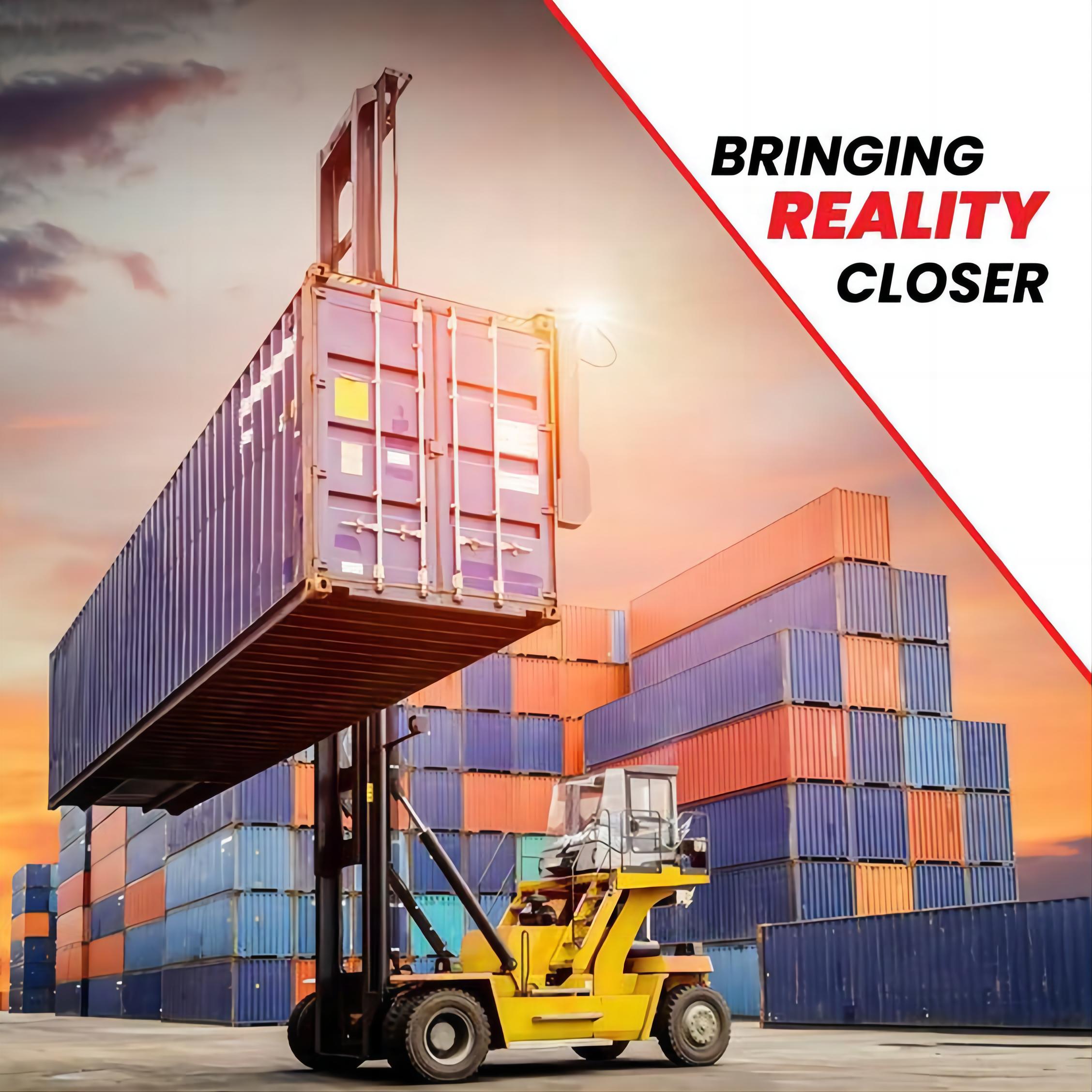
Transporting large or oddly shaped machinery requires specialized container solutions. Flat Rack Full Container Load (FCL) is often the preferred method for such cargo. This approach accommodates items that exceed the dimensions of standard enclosed containers, ensuring secure transit.
Specifically, Flat Rack containers lack side walls and a roof, featuring only end walls. This design allows for machinery to be loaded from the top or sides. Consequently, it is ideal for heavy equipment, industrial components, and other project cargo that cannot fit through standard container doors.
What is Flat Rack FCL?
A Flat Rack container comprises a base and two end walls, which can sometimes be collapsible. This open design facilitates the loading of out-of-gauge (OOG) cargo. Furthermore, the FCL designation means the entire container is dedicated to a single shipper’s goods, offering greater control and security.
Indeed, machinery shipping often involves unique dimensions and weights. Therefore, Flat Rack FCL provides the necessary structural integrity and flexibility for secure transport. It is a robust solution for global logistics, particularly for routes like China to Illinois.
Why Choose Flat Rack for Heavy Machinery?
Flat Rack containers are specifically engineered to handle exceptional loads. They support machinery that is too wide, too tall, or too heavy for standard dry containers. This specialized handling minimizes the risk of damage during loading and transit.
Moreover, using Flat Rack FCL simplifies the loading process. Cranes or specialized forklifts can directly place machinery onto the container’s base. This efficiency is critical for complex industrial equipment, reducing handling time and potential for error.
The High Cost of Detention and Demurrage in Logistics
Detention and demurrage (D&D) charges are among the most frustrating and expensive surcharges in international shipping. These fees are levied when containers are not moved within the allotted free time. Consequently, they can significantly inflate overall shipping costs, especially for sea freight.
Therefore, understanding and mitigating D&D is paramount for efficient supply chain management. These charges arise from various delays, from port congestion to unforeseen customs issues. Preventing them requires meticulous planning and swift execution.
What are Detention and Demurrage?
Demurrage refers to charges applied by the shipping line for using their container *within* the port terminal beyond the free time. Conversely, detention charges are applied for using the container *outside* the port terminal, for instance, at the consignee’s warehouse. Both are time-sensitive penalties.
Typically, carriers offer a few days of ‘free time’ for loading/unloading containers. However, once this period expires, daily charges quickly accrue. These rates can be substantial, often hundreds of dollars per day, per container. Thus, every delay impacts the budget.
Financial Impact on Your Supply Chain
The financial repercussions of D&D can be severe, eroding profit margins and increasing the total landed cost of machinery. Furthermore, these unexpected costs can disrupt budgeting and financial forecasting. They also add administrative burdens.
Beyond direct fees, D&D can lead to production delays and missed delivery schedules. This affects customer satisfaction and can damage a company’s reputation. Ultimately, proactive prevention is far more cost-effective than managing accrued charges.
Key Causes of Flat Rack FCL Detention from China to Illinois
Several factors contribute to Flat Rack FCL detention when importing machinery from China to Illinois. Identifying these common pitfalls is the first step toward effective prevention. Many issues stem from a lack of coordination or unexpected logistical hurdles.
Indeed, the journey from a Chinese factory to an Illinois facility involves numerous touchpoints. Each point presents a potential for delay. Therefore, a holistic understanding of the entire shipping process is essential for importers.
Port Congestion and Delays
Major ports, both in China and the USA, can experience significant congestion. This leads to delays in vessel docking, container offloading, and gate-out times. Such delays are often beyond the direct control of the shipper or consignee.
For instance, peak shipping seasons or unforeseen events like labor shortages can exacerbate port congestion. These factors directly reduce the available free time for container movement. Consequently, careful planning around these periods is vital.
Customs Clearance Hurdles in the USA
Navigating US Customs and Border Protection (CBP) regulations can be complex, especially for specialized machinery. Incomplete or inaccurate documentation is a primary cause of customs holds. This inevitably leads to significant delays and potential penalties.
Moreover, specific machinery might require additional inspections or permits from other government agencies. Engaging a skilled customs brokerage service is crucial here. They ensure all necessary paperwork is correctly filed and procedures are followed.
Shipper/Consignee Documentation Errors
Errors in the Bill of Lading, commercial invoice, packing list, or other shipping documents can halt a shipment. Even minor discrepancies can trigger customs inquiries or prevent container release. Accuracy is therefore non-negotiable.
Additionally, lack of timely submission of required documents, such as the Importer Security Filing (ISF), results in fines and delays. Both the origin and destination parties must prioritize meticulous document preparation and submission.
Inadequate Inland Transportation Planning
The final leg of the journey, from the US port to the Illinois destination, is critical. A lack of pre-arranged drayage or unsuitable transportation equipment for oversized cargo can cause significant delays. This directly leads to detention charges.
Furthermore, coordinating specialized trucks, permits for oversized loads, and escorts requires foresight. Without a robust inland logistics plan, containers can sit idle at the port. This underscores the importance of a comprehensive door to door solution.
Proactive Strategies for Flat Rack FCL Detention Prevention
Preventing Flat Rack FCL detention requires a multi-faceted approach, focusing on preparation, communication, and efficient execution. Implementing proactive strategies can significantly reduce risks and associated costs. A structured plan is always superior to reactive problem-solving.

Indeed, success in international machinery shipping hinges on anticipating potential bottlenecks. By addressing these challenges before they arise, importers can ensure a smoother, more cost-effective process. This is especially true for complex routes like China to Illinois.
Meticulous Documentation and Compliance
Accuracy in all shipping documents is paramount. Double-check every detail on the Bill of Lading, commercial invoice, packing list, and customs declarations. Any discrepancy, however small, can cause delays.
Moreover, ensure all necessary permits, licenses, and certifications for machinery import into the USA are secured in advance. Working with experienced freight forwarders helps ensure compliance with all regulatory requirements from the outset.
Optimized Booking and Scheduling
Book your Flat Rack FCL shipment well in advance, especially during peak seasons. This allows for better vessel and equipment availability. Consequently, it minimizes the chances of roll-overs or unexpected schedule changes.
Additionally, coordinate closely with your supplier in China and your consignee in Illinois. Align their readiness for cargo loading and unloading with the vessel’s estimated arrival. This synchronization is key to preventing idle time at ports.
Efficient Inland Logistics and Drayage
Pre-arrange all inland transportation from the US port to your Illinois facility. Confirm availability of specialized trucks, drivers, and necessary permits for oversized loads. This foresight prevents delays upon container arrival.
Furthermore, ensure the destination facility is prepared to receive and unload the machinery promptly. Having the right equipment and personnel on standby accelerates the process. This minimizes the risk of incurring detention fees.
Effective Communication and Collaboration
Maintain open and continuous communication with all parties involved: your supplier, freight forwarder, customs broker, and inland carrier. Regular updates can preempt potential issues before they escalate. Proactive information sharing is invaluable.
Establishing clear communication channels from origin to destination helps in rapid problem-solving. This collaborative approach ensures everyone is aligned on timelines and responsibilities. Consequently, it streamlines the entire shipping operation.
Leveraging Technology and Professional Expertise
In today’s complex global supply chain, technology and specialized knowledge are indispensable tools for detention prevention. Utilizing advanced tracking systems and partnering with expert logistics providers can make a significant difference. These resources offer unparalleled visibility and guidance.
Indeed, the intricate nature of shipping machinery from China to Illinois demands a sophisticated approach. By integrating smart solutions, businesses can gain a competitive edge. This ensures smooth operations and reduces the potential for costly delays.
The Role of a Reliable Freight Forwarder
A seasoned freight forwarder is your strategic partner in international shipping. They possess extensive knowledge of routes, regulations, and potential pitfalls. Their expertise is particularly valuable for Flat Rack FCL shipments and navigating diverse customs requirements.
Moreover, a good forwarder can negotiate better free time with carriers and provide crucial insights into transit times and potential delays. They act as a central point of contact, coordinating all aspects of the shipment. This simplifies the process for the importer.
Real-time Tracking and Proactive Alerts
Modern logistics platforms offer real-time tracking of your cargo’s journey. This visibility allows you to monitor vessel movements, port statuses, and estimated arrival times. Consequently, you can react quickly to any deviations from the schedule.
Furthermore, automated alerts for potential delays or upcoming deadlines are invaluable. These proactive notifications enable timely adjustments to inland transport or customs procedures. This significantly reduces the likelihood of incurring detention charges.
How Does Flat Rack FCL Compare to Other Shipping Options?
When shipping oversized machinery from China to Illinois, Flat Rack FCL is a strong contender, but it is not the only option. Importers must consider various alternatives based on cargo dimensions, weight, urgency, and budget. Each method has distinct advantages and limitations.
Therefore, a comprehensive comparison helps in making an informed decision. Understanding the trade-offs between speed, cost, and specialized handling is crucial. This ensures the optimal solution for your specific machinery import needs.
| Shipping Method | Cost Range (China-USA East) | Transit Time | Best For | Limitations |
|---|---|---|---|---|
| Flat Rack FCL | $5,000 – $8,000 (Ocean Freight) | 30-35 days | Oversized, non-self-propelled machinery | Specialized handling, limited capacity |
| Standard FCL (40HQ) | $4,500 – $6,000 (Ocean Freight) | 30-35 days | Machinery fitting standard dimensions | Cannot accommodate out-of-gauge cargo |
| Breakbulk | $8,000 – $20,000+ (Varies greatly) | 35-45 days | Extremely large/heavy, non-containerizable cargo | High handling costs, longer transit, less frequent sailings |
| RoRo (Roll-on/Roll-off) | $6,000 – $15,000 (Per unit, varies) | 30-40 days | Self-propelled vehicles, wheeled machinery | Limited to wheeled cargo, potential for external damage |
| Air Cargo | $15,000 – $50,000+ (Per ton, highly variable) | 5-10 days | Urgent, high-value, smaller machinery/parts | Extremely high cost, size/weight restrictions |

Which Option Should You Choose?
**Budget Priority:** For the most cost-effective solution for large machinery, **Flat Rack FCL** or **Breakbulk** are often recommended. Breakbulk becomes more economical for extremely oversized or heavy items that cannot fit on any container type.
**Speed Priority:** If time is of the essence and budget is flexible, **Air Cargo** is the fastest option. However, its cost for heavy machinery is prohibitive. Therefore, it is typically reserved for critical, smaller components or emergency parts via express service.
**Cargo Type Considerations:** For self-propelled machinery like tractors or construction vehicles, **Roll-on/Roll-off (RoRo)** shipping is highly efficient. Flat Rack FCL is ideal for static, oversized industrial machinery that requires secure lashing to a platform.
**Volume Thresholds:** For machinery that fits within standard container dimensions, regular FCL is more straightforward. However, once dimensions exceed standard limits, Flat Rack FCL becomes the essential choice, transitioning to Breakbulk for extreme cases. For very urgent but smaller items, air freight remains an option.
Real-World Case Studies: Successful Flat Rack FCL Shipments to Illinois
Examining real-world examples illustrates the practical application of detention prevention strategies. These case studies highlight typical scenarios and effective solutions for shipping machinery from China to Illinois. They underscore the importance of meticulous planning and expert execution.
Based on current market rates and typical logistics operations in early 2025, these examples provide realistic insights. They demonstrate how proactive measures can lead to successful and cost-efficient outcomes for complex international shipments.
Case Study 1: Large Industrial Press from Shanghai to Chicago
This case involved a critical piece of manufacturing equipment. The client prioritized avoiding any delays due to production schedules. Careful coordination was essential from the outset to manage this oversized shipment effectively.
| Detail | Description |
|---|---|
| Route | Shanghai, China to Chicago, Illinois, USA |
| Cargo | Industrial Hydraulic Press, 15 CBM, 22,000 kg |
| Container | 1 x 40′ Flat Rack |
| Shipping Details | Carrier: COSCO, Port of Loading: Shanghai, Port of Discharge: New York/New Jersey, Route Type: Transshipment via Busan |
| Cost Breakdown | Ocean Freight: $7,200, Origin Charges: $950, Destination Charges: $1,300, Customs & Duties (estimated): $850, Total Landed Cost: $10,300 |
| Timeline | Booking to Loading: 7 days, Sea Transit: 32 days, Customs Clearance: 2 days, Inland Drayage: 3 days, Total Door-to-Door: 44 days |
| Key Insight | Early booking and pre-clearance of customs documents prevented delays. Pre-arranged specialized drayage from New York to Chicago was critical for timely delivery, avoiding detention charges at the destination port. |
Case Study 2: Oversized Agricultural Equipment from Ningbo to Springfield
This shipment involved a large agricultural planter. It required careful planning due to its dimensions and the client’s strict planting season deadline. The goal was to ensure timely arrival without incurring additional costs.
| Detail | Description |
|---|---|
| Route | Ningbo, China to Springfield, Illinois, USA |
| Cargo | Agricultural Planter (disassembled), 20 CBM, 18,000 kg |
| Container | 1 x 40′ Flat Rack |
| Shipping Details | Carrier: MSC, Port of Loading: Ningbo, Port of Discharge: Savannah, GA, Route Type: Direct Service |
| Cost Breakdown | Ocean Freight: $6,800, Origin Charges: $880, Destination Charges: $1,250, Customs & Duties (estimated): $720, Total Landed Cost: $9,650 |
| Timeline | Booking to Loading: 10 days, Sea Transit: 30 days, Customs Clearance: 1 day, Inland Drayage: 4 days, Total Door-to-Door: 45 days |
| Key Insight | Choosing a direct service minimized transshipment risks. Proactive communication with the inland carrier ensured a smooth transfer from Savannah to Springfield. All documents were pre-filed, allowing for rapid customs release. |
Market Insights and Future Trends in China-Illinois Shipping
The global logistics landscape is constantly evolving, impacting freight rates and transit times from China to Illinois. Staying informed about current market conditions and emerging trends is crucial for effective Flat Rack FCL detention prevention. Market data suggests significant fluctuations.
As of Q1 2025, freight rates from China to the US East Coast have stabilized after earlier disruptions, though capacity remains tight. Seasonal patterns, such as pre-holiday rushes, still lead to rate increases and potential delays. Therefore, planning ahead is always advisable.
Current Freight Market Conditions
Ocean freight rates for Flat Rack FCL shipments are influenced by fuel surcharges, vessel capacity, and geopolitical events. For example, any disruptions in major shipping lanes can cause ripple effects globally. This directly impacts transit times and overall shipping costs.
Industry benchmarks indicate that while rates have normalized from their 2021-2022 peaks, they remain higher than pre-pandemic levels. Moreover, port efficiency continues to be a critical factor. Labor availability and infrastructure investments play a significant role in preventing delays.
Impact of Geopolitical Factors and Trade Policies
Trade policies between China and the USA, including tariffs and import regulations, directly affect the cost and complexity of machinery imports. Importers must stay abreast of these changes to ensure compliance and avoid unexpected charges. This requires continuous monitoring.
Furthermore, geopolitical tensions can disrupt shipping routes or lead to increased security measures. These factors contribute to longer transit times and potential port congestion. A flexible and adaptable supply chain strategy is therefore essential.
Conclusion: Mastering Flat Rack FCL Detention Prevention
Effectively managing Flat Rack FCL detention prevention for machinery from China to Illinois is critical for import success. It demands a combination of meticulous planning, proactive communication, and leveraging expert logistics support. By addressing common pitfalls, businesses can significantly reduce costs and enhance supply chain reliability.
Implementing strategies such as detailed documentation, optimized scheduling, and robust inland transport coordination minimizes risks. Partnering with a reliable freight forwarder further streamlines the process. Ultimately, a strategic approach ensures your valuable machinery arrives in Illinois efficiently, avoiding unexpected expenses and delays.
Start Your Shipment
Ready to optimize your machinery imports and prevent costly Flat Rack FCL detention from China to Illinois? Contact our expert team today for a customized logistics solution. Get a free quote and ensure your heavy equipment arrives on time and within budget. Visit Top China Freight to learn more.
Request Quote