
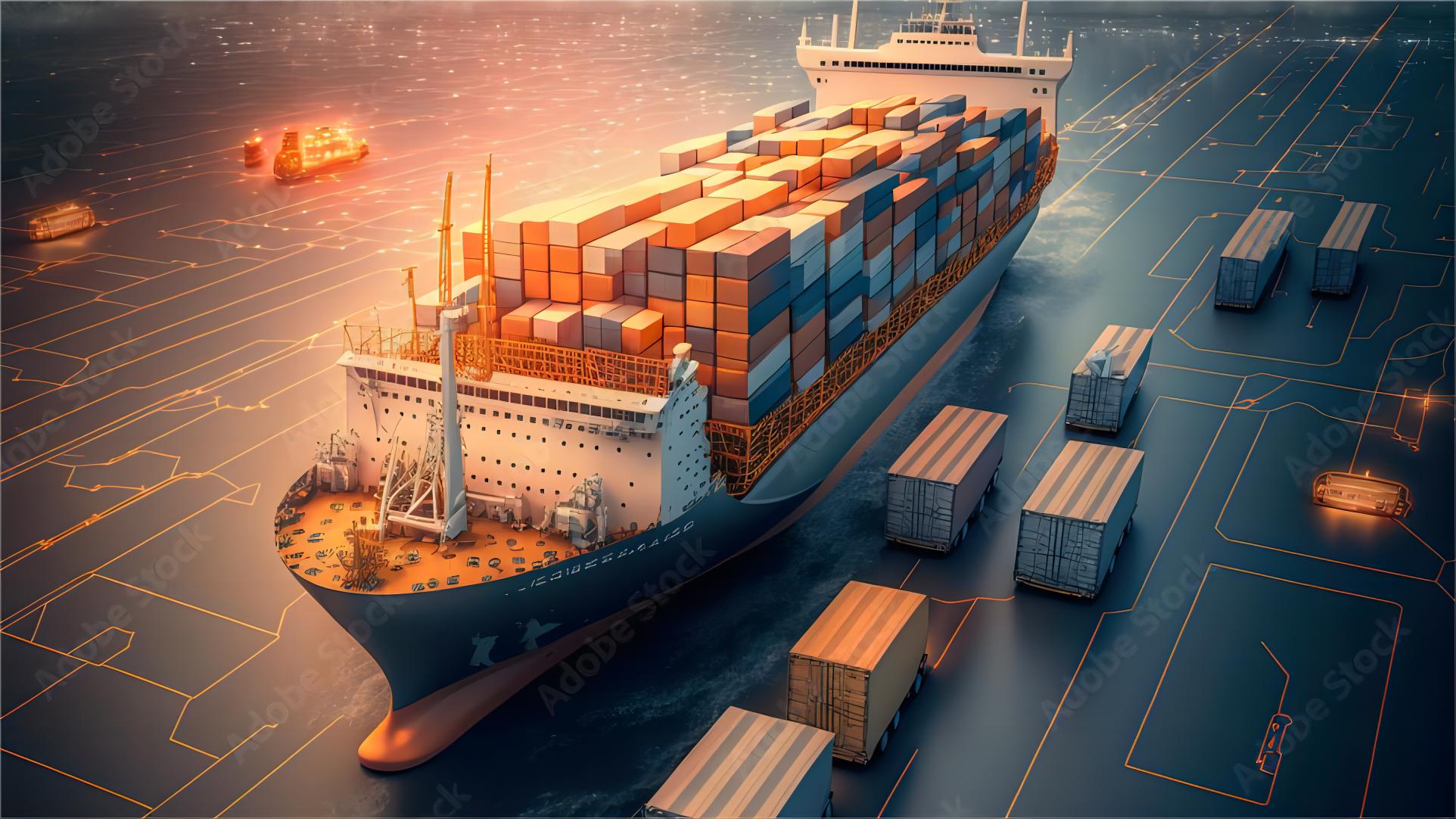
Mastering 40HQ FCL Detention Prevention for Solar Panels from China to Texas
Importing solar panels from China to Texas can be a complex logistical challenge. Efficiently managing your 40HQ FCL shipments is crucial to avoid expensive detention fees and maintain project timelines. For comprehensive solutions, explore the services offered by Top China Freight, your reliable partner in international shipping.

Why is 40HQ FCL Detention Prevention Crucial for Solar Panels?
Detention charges occur when a shipper holds a container beyond the free days allotted by the shipping line. For large 40HQ FCL shipments of solar panels, these fees can quickly accumulate, significantly increasing your overall shipping costs.
Furthermore, delays caused by detention can disrupt project schedules, especially for time-sensitive solar installations. Proactive planning is therefore essential to maintain a lean and efficient supply chain for solar panel import.
Effectively managing these logistics prevents unexpected expenses and ensures your solar equipment arrives on time. This approach safeguards your budget and enhances operational efficiency.
Understanding the Solar Panel Shipping Landscape from China to Texas
Shipping solar panels from China to Texas involves navigating a vast international logistics network. The journey typically covers thousands of miles across the Pacific Ocean, culminating at major ports like Houston.
Several factors influence the transit time and overall freight rates. These include carrier capacity, fuel surcharges, and global logistics trends.
Moreover, the delicate nature of solar panels demands specialized cargo handling. Proper packaging and secure loading within the 40HQ FCL container are paramount to prevent damage during transit.
Key Factors Influencing Shipping Costs and Transit Times
Market rates for ocean freight fluctuate based on seasonal demand, global trade volumes, and geopolitical events. For example, peak seasons like August to October often see rate increases of 15-25%.
Port congestion at both origin (China) and destination (Texas) can cause significant delays. This directly impacts delivery schedules and increases the risk of accruing detention charges.
Additionally, customs regulations and documentation requirements play a vital role. Inaccurate paperwork can lead to holds, further extending transit times and incurring penalties.
Proactive Strategies for 40HQ FCL Detention Prevention
Preventing 40HQ FCL detention requires a multi-faceted approach, focusing on meticulous planning and timely execution. Each step in the supply chain must be carefully managed to avoid bottlenecks.
Indeed, anticipating potential delays and having contingency plans in place can save significant time and money. This proactive stance is key to smooth international shipping operations.
Optimize Documentation and Customs Clearance
Accurate and complete documentation is the cornerstone of efficient customs clearance. This includes the commercial invoice, packing list, bill of lading, and any required import licenses or certifications for solar equipment.
In addition, pre-filing customs declarations before the vessel’s arrival can significantly expedite the clearance process. Utilizing a professional customs brokerage service ensures compliance and minimizes delays.
Furthermore, understanding specific tariffs and anti-dumping duties applicable to solar panels is crucial. Proper classification avoids costly rejections or penalties.
Efficient Port Operations and Timely Pickup
Coordinating drayage services for timely container pickup from the port is absolutely critical. Schedule trucking well in advance, ideally before the vessel even docks, to leverage free days.
Moreover, avoiding pickups on weekends or holidays can prevent additional charges or missed windows. Clear communication with trucking companies and port authorities is indispensable.
Choosing a reliable sea freight carrier with good port relations can also be beneficial. They often have priority access or better turnaround times.
Strategic Planning and Carrier Selection
Selecting carriers known for reliability and transparency in their schedules is paramount. Research their track record for on-time arrivals and port efficiency.
Negotiate for extended free days when possible, especially for high-volume shipments or during peak seasons. This provides a crucial buffer against unforeseen delays.
Additionally, factor in potential transshipment points when evaluating transit times. Direct routes, while sometimes costlier, can often reduce overall lead times and detention risks.
How Does FCL Shipping Compare to Other Options for Solar Panels?
While 40HQ FCL sea freight is often the most economical choice for bulk solar panel shipments, alternative methods exist. Evaluating these options depends heavily on your specific needs, such as urgency, cargo volume, and budget constraints.
Each shipping method presents distinct advantages and limitations. Understanding these differences helps in making informed decisions for your supply chain.
Consequently, a detailed comparison is vital to choose the most suitable logistics solution for your solar panels from China to Texas.
| Shipping Method | Cost Range (40HQ equivalent) | Transit Time | Best For | Limitations |
|---|---|---|---|---|
| Sea FCL (40HQ) | $4,500 – $6,000 | 30-35 days | Large volumes, cost-efficiency | Slowest, port congestion risk |
| Sea LCL (15 CBM) | $800 – $1,200 | 35-40 days | Smaller volumes, less urgent | Higher CBM cost, potential delays, consolidation fees |
| Air Cargo (1000 kg) | $10,000 – $15,000 | 5-7 days | Urgent, high-value, small batches | Very high cost, limited volume capacity |
| Sea-Rail (West Coast to Texas) | $6,000 – $8,000 | 25-30 days | Faster than pure sea, large volumes | Transshipment risks, limited rail capacity |

Real-World Case Studies: Successful Solar Panel Shipments to Texas
These case studies illustrate practical applications of detention prevention strategies. They highlight how meticulous planning and expert execution lead to successful solar panel deliveries.
Based on Q3 2024 market rates, these examples provide realistic insights into typical shipping scenarios. Rates are subject to change based on fuel costs, carrier capacity, and seasonal demand. Contact us for a current quote tailored to your specific shipment.
Case Study 1: Large-Scale Solar Farm Project
| Detail | Value |
|---|---|
| Route | Shanghai, China -> Houston, Texas |
| Cargo | Monocrystalline solar panels, 65 CBM, 15,000 kg |
| Container | 40HQ FCL |
| Carrier/Service | COSCO |
| Port of Loading | Shanghai |
| Port of Discharge | Houston |
| Route Type | Direct |
| Ocean Freight | $5,200 |
| Origin Charges (THC, documentation) | $450 |
| Destination Charges | $550 |
| Customs & Duties (estimated) | $1,800 |
| Total Landed Cost (excluding inland) | $8,000 |
| Booking to Loading | 7 days |
| Sea Transit | 32 days |
| Customs Clearance | 3 days |
| Total Door-to-Port | 42 days |
| Key Insight | Proactive customs pre-clearance and efficient drayage scheduling prevented any detention charges, saving over $1,500. |
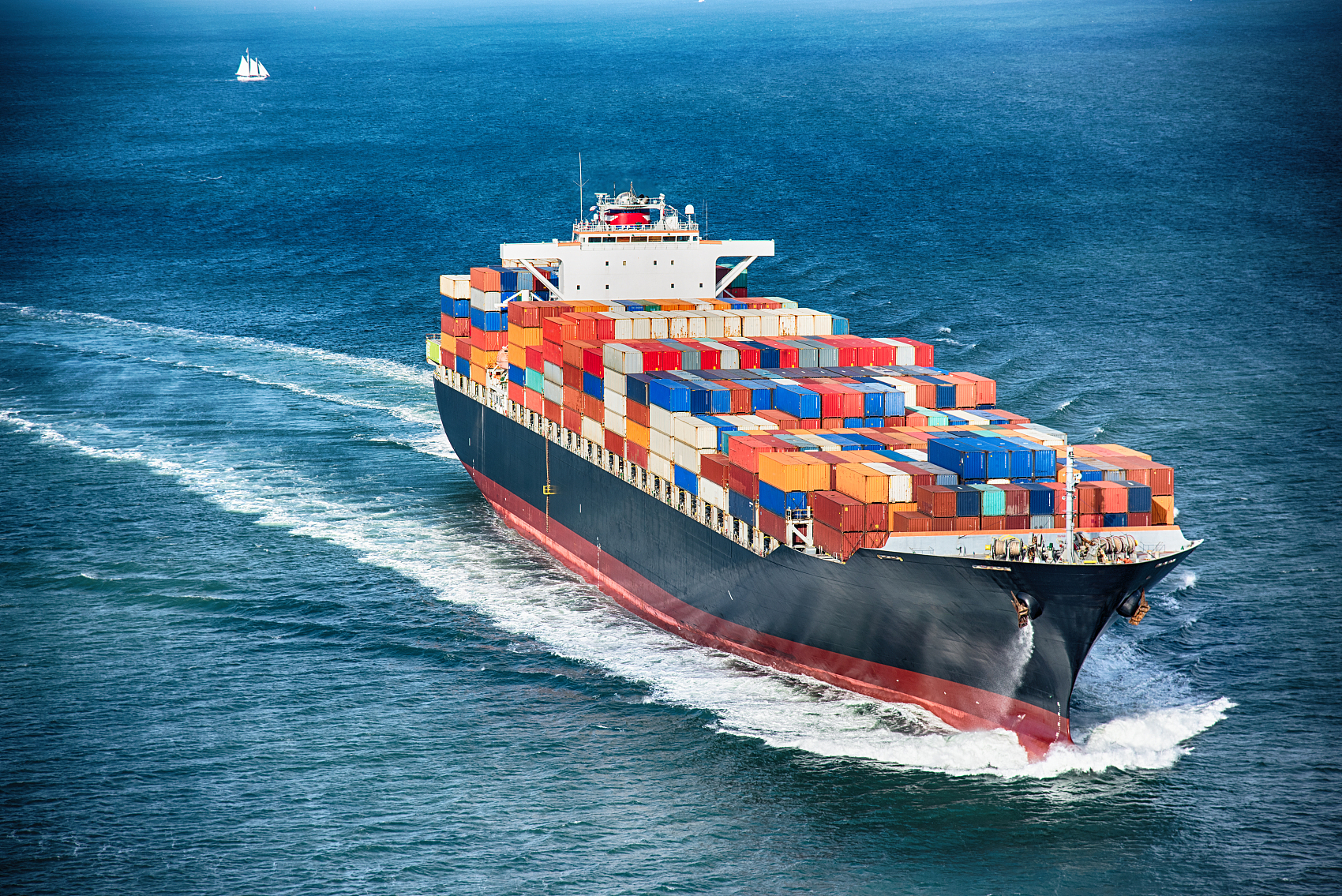
Case Study 2: Distributed Residential Solar Panels
| Detail | Value |
|---|---|
| Route | Ningbo, China -> Dallas, Texas (via Houston) |
| Cargo | Polycrystalline solar panels, 58 CBM, 13,000 kg |
| Container | 40HQ FCL |
| Carrier/Service | Maersk |
| Port of Loading | Ningbo |
| Port of Discharge | Houston |
| Route Type | Transshipment via Busan |
| Ocean Freight | $4,800 |
| Origin Charges (THC, documentation) | $400 |
| Destination Charges | $500 |
| Customs & Duties (estimated) | $1,500 |
| Total Landed Cost (excluding inland) | $7,200 |
| Booking to Loading | 9 days |
| Sea Transit | 35 days |
| Customs Clearance | 4 days |
| Total Door-to-Port | 48 days |
| Key Insight | Despite a transshipment route, a well-coordinated drayage schedule minimized port dwell time, avoiding demurrage fees. |
Leveraging Technology and Partnerships for Seamless Logistics
Modern logistics relies heavily on technology for enhanced visibility and efficiency. Real-time tracking systems provide updates on your 40HQ FCL shipment, allowing for immediate response to any deviations.
Furthermore, a robust communication platform between all stakeholders—suppliers, carriers, and truckers—is essential. This ensures everyone is aligned on delivery schedules and potential challenges.
Partnering with an experienced freight forwarder can significantly simplify the entire process. They offer comprehensive door-to-door solutions, managing everything from origin pickup to final delivery.
Indeed, a reliable partner mitigates risks, offers expert solutions, and manages the complex interplay of international shipping regulations. This ensures your solar panels reach Texas without unnecessary delays or costs.

Which Shipping Option Should You Choose for Your Solar Panels?
Selecting the optimal shipping method for your solar panels requires careful consideration of various factors. Your priorities, cargo characteristics, and market conditions will dictate the best approach.
This decision framework helps importers align their logistics strategy with their business objectives. Ultimately, the goal is to balance cost, speed, and risk effectively.
Budget-Prioritized Shipments
If cost-efficiency is your primary concern, 40HQ FCL sea freight remains the undisputed champion. It offers the lowest per-unit cost for large volumes of solar panels.
However, be prepared for longer transit times and allocate sufficient buffer for potential port delays. Strategic planning is crucial to manage expectations and avoid urgent, expensive alternatives.
Time-Sensitive Deliveries
For urgent projects or critical component replacements, air cargo is the fastest option, albeit at a significantly higher cost. This method drastically reduces transit time from weeks to days.
Alternatively, a sea-rail hybrid approach (via USA West Coast) can offer a middle ground. It provides faster delivery than pure sea freight while being more cost-effective than air cargo.
Even for smaller, critical parts, an express service can be invaluable. This ensures that essential components arrive quickly to keep your project on track.
Specific Cargo Considerations
Solar panels, being fragile and high-value, require secure handling and appropriate insurance. Ensure your chosen method provides adequate protection and minimizes transshipment points.
For extremely large or specialized solar equipment, project cargo solutions might be necessary. These often involve customized transport plans and specialized carriers.
Always consult with your freight forwarder regarding the best practices for packing and securing your specific type of solar panels within the container.
Beyond Detention: Optimizing Your Overall Solar Panel Supply Chain
Preventing detention is just one aspect of a truly optimized supply chain for solar panels. A holistic approach considers every stage, from manufacturing to final installation.
Continuous improvement in logistics processes leads to sustainable cost reductions and enhanced reliability. Regularly review your shipping routes, carrier performance, and customs procedures.
Furthermore, staying abreast of global logistics trends and regulatory changes is vital. This proactive awareness helps in adapting strategies to maintain competitive advantage in the Texas solar market.
Final Thoughts on 40HQ FCL Detention Prevention
Effectively preventing 40HQ FCL detention for solar panels from China to Texas is paramount for any importer. It requires meticulous planning, robust documentation, and strategic partnerships. By implementing the strategies outlined, you can significantly reduce costs and ensure your solar projects stay on schedule.
Moreover, understanding the nuances of international shipping and leveraging expert guidance will empower your supply chain. Ultimately, a proactive approach to logistics ensures the smooth and profitable import of your solar panels.
Need a tailored shipping solution?
Are you looking to optimize your 40HQ FCL detention prevention for solar panels from China to Texas? Our expert team is ready to provide tailored solutions and competitive quotes. Contact us today to streamline your logistics and ensure timely, cost-effective delivery of your valuable solar equipment.