
China FCL Port to Port to Belgium: Your Ultimate Shipping Guide
Shipping full container loads (FCL) from China to Belgium requires careful planning and execution. Businesses often face challenges like fluctuating freight rates, customs complexities, and extended transit times. This comprehensive guide from Top China Freight offers solutions to streamline your China FCL port to port to Belgium supply chain.

What is China FCL Port to Port to Belgium Shipping?
Full Container Load (FCL) shipping refers to the exclusive use of an entire shipping container for your cargo. This method is ideal for larger shipments, ensuring your goods are not consolidated with others. Consequently, FCL offers enhanced security and faster transit times compared to less-than-container-load (LCL) options.
Port to port service means the freight forwarder handles the cargo from the origin port in China to the destination port in Belgium. This typically involves loading the container at the origin port and unloading it at the destination port. Therefore, you are responsible for inland transportation at both ends.
Why Choose Full Container Load (FCL) for Belgium Imports?
Opting for FCL shipping from China to Belgium presents several distinct advantages for importers. Primarily, it offers greater control over your cargo, as the container is sealed from origin to destination. Moreover, this minimizes the risk of damage or loss associated with multiple handling points.

Furthermore, FCL is often more cost-effective for larger volumes, especially when your shipment can fill at least 70-80% of a container. It also provides predictable transit times, which is crucial for managing inventory and delivery schedules. Many businesses, therefore, prefer FCL for its reliability and efficiency in their Europe-bound logistics.
Understanding the FCL Shipping Process: China to Belgium
The journey for your China FCL port to port to Belgium shipment involves several critical stages. Initially, you will book a container with a freight forwarder and arrange for its pickup from your supplier’s factory. The container is then transported to the port of loading in China.
Subsequently, the loaded container undergoes customs clearance in China before being loaded onto a vessel. The vessel then embarks on its ocean transit across the sea lanes to Belgium. Upon arrival at a Belgian port like Antwerp or Zeebrugge, the container is discharged, awaiting local customs procedures. Finally, you arrange for its onward transportation from the port.
Key Factors Influencing China FCL Shipping Costs to Belgium
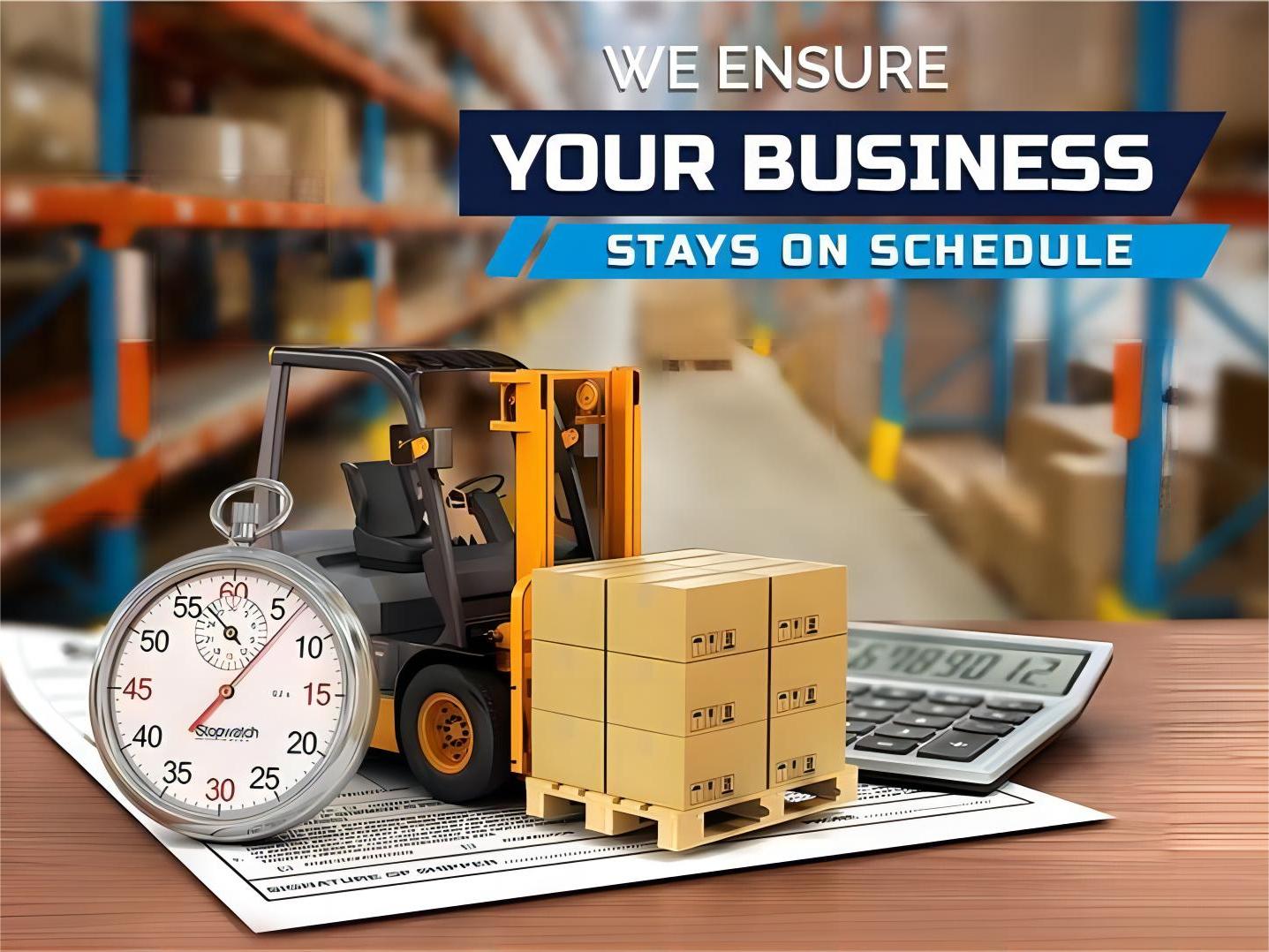
Determining the exact FCL shipping costs from China to Belgium involves evaluating several dynamic components. Ocean freight rates constitute the largest portion, fluctuating based on carrier capacity, fuel surcharges, and seasonal demand. Peak seasons, such as before major holidays, often see rates increase by 15-25%.
Additionally, origin charges in China include terminal handling, documentation, and drayage to the port. Destination charges in Belgium cover similar terminal handling fees, port security, and local administrative costs. Import duties and taxes, calculated based on the cargo’s Harmonized System (HS) code and value, also significantly impact the total landed cost. Therefore, securing a detailed quote is essential for accurate budget planning.
Note: Freight rates are subject to change based on fuel costs, carrier capacity, and seasonal demand. Contact us for a current quote tailored to your specific shipment.
Typical Transit Times for FCL Shipments from China to Belgium
The transit time for your China FCL port to port to Belgium shipment can vary significantly. Generally, direct routes from major Chinese ports like Shanghai, Ningbo, or Shenzhen to Antwerp or Zeebrugge take approximately 28 to 35 days. However, this is purely the sea transit duration.
In addition, you must account for pre-loading activities, customs clearance at origin, port congestion, and potential transshipment delays. Overall, a realistic total lead time from factory gate in China to port arrival in Belgium typically ranges from 35 to 45 days. Planning ahead is crucial to accommodate these variables and maintain your delivery schedule.
Navigating Customs and Documentation for Belgium Imports
Effective customs clearance is paramount for seamless FCL imports into Belgium from China. Importers must prepare a comprehensive set of documents, including the commercial invoice, packing list, bill of lading, and certificate of origin. Furthermore, specific goods may require additional licenses or permits for entry into the EU.
Incorrect or incomplete documentation can lead to significant delays and penalties, affecting your supply chain. Engaging experienced customs brokerage services can mitigate these risks. They ensure compliance with all Belgian and EU regulations, facilitating a smooth import process and minimizing unexpected costs.
How Does FCL Sea Freight Compare to Other Shipping Options?
While FCL sea freight is a dominant choice for China to Belgium logistics, other methods offer distinct advantages depending on your priorities. Evaluating alternatives like air freight, rail freight, and Less than Container Load (LCL) is vital for optimizing your shipping strategy. Each method presents a unique balance of speed, cost, and capacity.
For instance, air freight is significantly faster but comes at a much higher premium. Conversely, LCL offers flexibility for smaller shipments but involves more handling. Understanding these trade-offs helps in making informed decisions for your import/export needs.
| Shipping Method | Cost Range (40HQ est.) | Transit Time (Port-to-Port) | Best For | Limitations |
|---|---|---|---|---|
| FCL Sea Freight | $3,000 – $4,200 | 28-35 days | Large volumes, cost-efficiency, non-urgent | Longer transit times, port congestion risk |
| Rail Freight | $6,000 – $9,000 | 15-20 days | Mid-sized volumes, moderate urgency, balanced cost | Limited network, less capacity than sea |
| Air Freight | $15,000 – $25,000+ | 3-7 days | Urgent, high-value, perishable goods | Very high cost, volume/weight restrictions |
| LCL Sea Freight | $80-150/CBM | 35-45 days | Small volumes, flexible, non-urgent | More handling, longer transit, potential delays |
Air Freight: Speed vs. Cost
Air freight provides the quickest transit times, typically 3-7 days from China to Belgium. This makes it ideal for urgent, high-value, or perishable goods where speed is paramount. However, the cost per kilogram is substantially higher than sea freight, making it impractical for bulk or heavy cargo. Businesses with tight deadlines often rely on express service via air.
Rail Freight: A Balanced Alternative
Rail freight offers a middle ground between sea and air, with transit times ranging from 15-20 days. It is faster than sea freight and more economical than air freight for many routes to Europe. The New Silk Road railway network connects major Chinese cities directly to European hubs, including those near Belgium. This option is growing in popularity for its efficiency and environmental benefits, often utilized by companies seeking alternatives to pure sea freight. Consider rail freight for a good balance.
LCL vs. FCL: When to Choose Which
LCL (Less than Container Load) is suitable for smaller shipments that don’t fill an entire container. While it offers cost savings for low volumes, it typically involves longer transit times due to consolidation and deconsolidation processes. FCL is almost always preferred for shipments exceeding 15 cubic meters or those requiring dedicated container security. The decision hinges on cargo volume, urgency, and budget.

Optimizing Your Supply Chain: Practical Strategies
Efficiently managing your China FCL port to port to Belgium supply chain involves proactive strategies. Firstly, selecting the right port of loading in China can significantly impact transit times and drayage costs. Consider ports like Shanghai, Ningbo, or Shenzhen based on your supplier’s location.
Secondly, establishing clear communication with your freight forwarder and suppliers is paramount. This ensures timely documentation and smooth cargo handling. Furthermore, exploring comprehensive door-to-door services can simplify your logistics, even for port-to-port shipments, by integrating inland transport. Regular review of logistics trends and freight rates can also uncover cost-saving opportunities.
Real-World FCL Shipping Scenarios: China to Belgium
Understanding real-world applications of China FCL port to port to Belgium shipping helps illustrate the complexities and solutions. These case studies highlight typical challenges and how efficient logistics planning can overcome them. Each scenario details the cargo, route, and key outcomes.
Case Study 1: Electronics Manufacturer
This electronics manufacturer needed to ship sensitive components efficiently. They prioritized secure handling and a predictable schedule. The chosen FCL solution provided the necessary dedicated space and direct routing, minimizing risks to the high-value cargo. Based on Q3 2024 market rates.
| Detail | Description |
|---|---|
| Route | Ningbo, China -> Antwerp, Belgium |
| Cargo | Consumer Electronics, 30 CBM, 12,000 kg |
| Container | 20GP |
| Carrier/Service | COSCO (Major carrier) |
| Port of Loading | Ningbo |
| Port of Discharge | Antwerp |
| Route Type | Direct |
| Ocean Freight | $2,100 |
| Origin Charges | $350 |
| Destination Charges | $400 |
| Customs & Duties (est.) | $1,500 |
| Total Landed Cost (Port-to-Port) | $4,350 |
| Booking to Loading | 5 days |
| Sea Transit | 30 days |
| Customs Clearance | 3 days |
| Total Port-to-Port | 38 days |
| Key Insight | Direct route minimized handling, ensuring cargo integrity for sensitive electronics. |
Case Study 2: Apparel Distributor
An apparel distributor required consistent, high-volume shipments for seasonal collections. Utilizing 40HQ containers allowed for maximizing cubic capacity, reducing per-unit shipping costs. Strategic planning around peak seasons helped manage freight rates effectively. Typical rates as of early 2025.
| Detail | Description |
|---|---|
| Route | Shenzhen, China -> Zeebrugge, Belgium |
| Cargo | Seasonal Apparel, 65 CBM, 9,000 kg |
| Container | 40HQ |
| Carrier/Service | MSC (Major carrier) |
| Port of Loading | Shenzhen |
| Port of Discharge | Zeebrugge |
| Route Type | Transshipment via Port Klang |
| Ocean Freight | $3,800 |
| Origin Charges | $450 |
| Destination Charges | $500 |
| Customs & Duties (est.) | $2,200 |
| Total Landed Cost (Port-to-Port) | $6,950 |
| Booking to Loading | 7 days |
| Sea Transit | 35 days |
| Customs Clearance | 4 days |
| Total Port-to-Port | 46 days |
| Key Insight | Transshipment saved on ocean freight but added a few days to transit time. Cost-effective for high volume. |
Case Study 3: Furniture Importer
A furniture importer needed to move bulky items without damage. FCL provided the necessary space and protection. Coordinating with a reliable freight forwarder ensured smooth port operations and timely delivery, despite occasional port congestion challenges. Based on current market rates (Q1 2025).
| Detail | Description |
|---|---|
| Route | Shanghai, China -> Antwerp, Belgium |
| Cargo | Flat-pack Furniture, 55 CBM, 15,000 kg |
| Container | 40GP |
| Carrier/Service | Maersk (Major carrier) |
| Port of Loading | Shanghai |
| Port of Discharge | Antwerp |
| Route Type | Direct |
| Ocean Freight | $3,200 |
| Origin Charges | $400 |
| Destination Charges | $450 |
| Customs & Duties (est.) | $1,800 |
| Total Landed Cost (Port-to-Port) | $5,850 |
| Booking to Loading | 6 days |
| Sea Transit | 32 days |
| Customs Clearance | 3 days |
| Total Port-to-Port | 41 days |
| Key Insight | Direct service maintained a good balance of cost and speed, crucial for regular inventory replenishment. |
Which FCL Shipping Option Should You Choose?
Selecting the optimal FCL shipping strategy depends heavily on your specific business requirements and priorities. Consider your budget, urgency, and the nature of your cargo. Each factor plays a crucial role in determining the most suitable approach for your China FCL port to port to Belgium shipments.
If budget is your primary concern, standard FCL sea freight with a reliable carrier is often the most economical choice. However, if speed is paramount, and your goods are time-sensitive, a combination of FCL sea freight for main transit and express services for critical components might be considered. For bulky, non-urgent goods, FCL sea freight remains unbeatable. Conversely, for moderate urgency and a balance of cost and speed, rail freight to Europe is an excellent alternative. Always evaluate these trade-offs carefully.
Mastering Your China FCL Port to Port to Belgium Shipments
Navigating the complexities of China FCL port to port to Belgium shipping demands expertise and meticulous planning. By understanding the processes, cost drivers, transit times, and alternative options, businesses can make informed decisions. Partnering with a knowledgeable freight forwarder like Top China Freight is key to streamlining your logistics.
Indeed, efficient full container load shipping is vital for maintaining a competitive edge in the European market. Focus on clear documentation, strategic port selection, and proactive communication to ensure smooth and cost-effective delivery. Ultimately, a well-managed China FCL port to port to Belgium strategy contributes significantly to your supply chain success.
Get Your Shipping Quote Today
Ready to optimize your China FCL port to port to Belgium shipping? Contact our experts today for a personalized quote and tailored logistics solutions. We are committed to ensuring your cargo reaches its destination efficiently and cost-effectively.
Request Quote