
40HQ FCL Sailing Schedule: Medical Equipment China to Portugal
Shipping medical equipment from China to Portugal demands meticulous planning and a reliable logistics partner. Understanding the 40HQ FCL sailing schedule for medical equipment from China to Portugal is crucial for maintaining your supply chain efficiency. This guide offers comprehensive insights into optimizing your ocean freight, ensuring timely and compliant delivery of vital healthcare products. Discover tailored solutions for your shipping needs at Top China Freight.

Why is a 40HQ FCL Ideal for Medical Equipment to Portugal?
A 40HQ (40-foot High Cube) Full Container Load (FCL) offers significant advantages for shipping medical equipment. This container type provides ample volume, thus maximizing cargo capacity for bulky or large quantities of goods. Consequently, it is often the most cost-effective option for substantial shipments.
Furthermore, FCL shipments ensure dedicated container space for your medical devices. This reduces the risk of damage or contamination associated with co-loading various goods. Therefore, maintaining product integrity and hygiene, which are paramount for healthcare products, becomes significantly easier.
Moreover, utilizing an FCL provides enhanced security for sensitive medical instruments and supplies. The container is sealed at origin and remains intact until its destination, minimizing handling and potential tampering. This dedicated approach streamlines the entire logistics process, making it ideal for high-value or fragile medical cargo.
Understanding the 40HQ FCL Sailing Schedule to Portugal
The 40HQ FCL sailing schedule from China to Portugal is subject to various factors, including carrier availability, port congestion, and seasonal demand. Generally, major shipping lines offer weekly or bi-weekly departures from key Chinese ports. Therefore, planning ahead is essential for securing optimal booking slots.
Typically, transit times for sea freight from China to Portugal range from 28 to 38 days. This duration accounts for the ocean leg, but does not include origin and destination port handling. For instance, direct services are often faster, whereas transshipment routes might add several days to the overall journey.
As of Q1 2025, freight rates from China to Europe have stabilized after the 2024 Red Sea disruptions. However, rates typically increase 15-25% during the August-October peak season. Consequently, booking well in advance during these periods can help manage shipping costs effectively.
Key Ports and Transit Times for China to Portugal Shipments
Chinese ports like Shanghai, Ningbo, Shenzhen, and Qingdao are primary departure points for medical equipment bound for Portugal. These ports boast extensive infrastructure and frequent sailings, providing diverse options for exporters. Conversely, the main arrival ports in Portugal include Lisbon, Leixoes (Porto), and Setubal.
Transit times vary depending on the specific origin and destination ports, as well as the chosen shipping line. For example, a direct sailing from Shanghai to Lisbon might take around 30-35 days. However, a route involving transshipment through a hub like Valencia or Algeciras could extend this to 35-40 days.
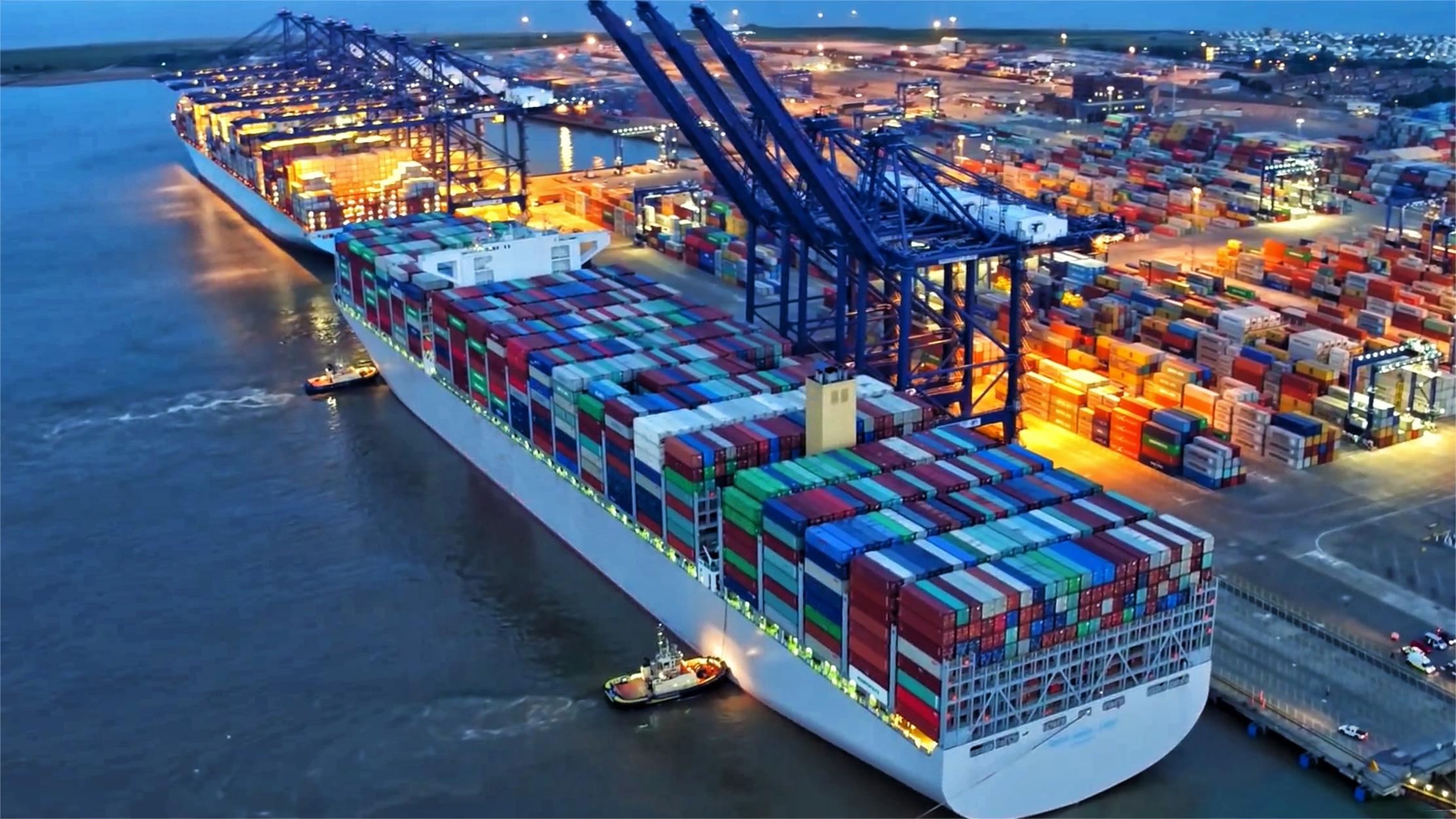
Below is an estimated transit time table for a 40HQ FCL from major Chinese ports to Lisbon, Portugal. These figures represent port-to-port durations. Therefore, additional time for inland transport and customs clearance must be factored into your overall delivery schedule.
| Origin Port (China) | Destination Port (Portugal) | Estimated Transit Time (Days) |
|---|---|---|
| Shanghai | Lisbon | 30-35 |
| Ningbo | Lisbon | 32-37 |
| Shenzhen | Lisbon | 28-33 |
| Qingdao | Lisbon | 33-38 |
| Xiamen | Lisbon | 31-36 |
What are the Costs Associated with 40HQ FCL Medical Equipment Shipping?
Shipping costs for a 40HQ FCL from China to Portugal typically comprise several components. These include ocean freight, origin charges, destination charges, and customs duties/taxes. Understanding each element is vital for accurate budgeting and managing your supply chain effectively.
Ocean freight rates for a 40HQ from China to Portugal generally fall within the range of $3,000 to $4,200, based on current market rates as of early 2025. This figure can fluctuate significantly due to fuel surcharges, peak season demand, and carrier capacity. Moreover, general rate increases (GRIs) are common.
Origin charges cover services such as terminal handling (THC), documentation, and drayage to the port. Destination charges, conversely, include similar services at the arrival port, along with potential demurrage or detention fees if containers are not cleared promptly. Therefore, a comprehensive quote from your freight forwarder is always recommended.
Note: Freight rates are subject to change based on fuel costs, carrier capacity, and seasonal demand. Contact us for a current quote tailored to your specific shipment.
How Does FCL Compare to Other Shipping Options for Medical Equipment?
Choosing the right shipping method for medical equipment involves balancing speed, cost, and cargo volume. While FCL is excellent for large shipments, other options might suit different requirements. Therefore, a thorough comparison is essential before making a decision.
For instance, express services offer unparalleled speed for urgent medical supplies. On the other hand, for smaller, non-urgent shipments, LCL might be more economical. Each method presents unique advantages and limitations, which must be carefully weighed against your specific needs.
| Shipping Method | Cost Range (40HQ equivalent) | Transit Time | Best For | Limitations |
|---|---|---|---|---|
| FCL Sea Freight | $3,000 – $4,200 | 28-38 Days | Large volume, non-urgent, cost-sensitive medical equipment | Long transit times, port congestion risks |
| LCL Sea Freight | $50 – $80 per CBM | 35-45 Days | Small to medium volume (under 15 CBM), flexible delivery | Longer transit, more handling, potential for delays |
| Air Freight | $15,000 – $25,000+ | 5-7 Days | Urgent, high-value, time-sensitive medical supplies | Very high cost, volume/weight restrictions |

FCL vs. LCL: Volume and Cost Efficiency
Full Container Load (FCL) shipping, as discussed, dedicates an entire container to a single shipper. This provides better security and often a lower unit cost per item for large volumes. Conversely, Less than Container Load (LCL) consolidates multiple shippers’ cargo into one container. For shipments under 15 CBM, LCL at $50-80/CBM may be more economical than a full container, however, it can lead to longer transit times due to consolidation and deconsolidation processes.
Sea Freight vs. Air Freight: Speed vs. Economy
Sea freight is undoubtedly the most cost-effective solution for heavy and bulky medical equipment. However, its transit times are considerably longer, typically 4-6 weeks. In contrast, air freight offers rapid delivery, usually within 5-7 days. While significantly faster, air freight costs can be 5-10 times higher than sea freight for the same volume. Therefore, air freight is reserved for high-value, time-critical, or smaller consignments.
Which Option Should You Choose? A Decision Framework
The optimal shipping method depends on your priorities. If budget is your primary concern and you have ample lead time, FCL sea freight is the recommended option. Conversely, if speed is paramount for urgent medical supplies, air freight is the clear choice, despite its higher cost.
Consider the nature of your cargo; fragile or high-value items often benefit from the dedicated space of FCL. Furthermore, volume thresholds play a role; for shipments exceeding 15-20 CBM, FCL typically becomes more cost-efficient than LCL. Hybrid solutions, such as sea-air combinations, can also offer a balance of speed and cost for specific routes.
Navigating Customs and Regulations for Medical Equipment Imports in Portugal
Importing medical equipment into Portugal, as part of the EU, involves strict adherence to customs regulations and specific compliance standards. Primarily, all medical devices must meet CE marking requirements, signifying conformity with European health, safety, and environmental protection standards. Therefore, proper documentation is non-negotiable.
Key documents typically required include the commercial invoice, packing list, bill of lading, and the CE Declaration of Conformity. Additionally, importers must provide an Economic Operators Registration and Identification (EORI) number. Furthermore, specific licenses or permits might be necessary depending on the type and classification of the medical equipment.
Engaging a reputable customs brokerage service is highly recommended to navigate these complexities. They can ensure accurate tariff classification, calculate applicable duties and VAT, and expedite the clearance process. This proactive approach minimizes delays and avoids costly penalties for non-compliance.
Case Studies: Successful Medical Equipment Shipments from China to Portugal
Examining real-world scenarios highlights the intricacies and successful strategies in managing the 40HQ FCL sailing schedule for medical equipment from China to Portugal. These examples illustrate typical challenges and how they are overcome, providing valuable insights for your own shipments.
Case Study 1: Large Volume Diagnostic Devices
| Detail | Description |
|---|---|
| Route | Shanghai, China to Lisbon, Portugal |
| Cargo | 20 units of MRI diagnostic devices, 60 CBM, 15,000 kg |
| Container | One 40HQ FCL |
| Shipping Details | |
| – Carrier/Service | COSCO (Direct Service) |
| – Port of Loading | Shanghai |
| – Port of Discharge | Lisbon |
| – Route Type | Direct |
| Cost Breakdown (Based on Q3 2024 market rates) | |
| – Ocean Freight | $3,800 |
| – Origin Charges (THC, documentation) | $450 |
| – Destination Charges | $550 |
| – Customs & Duties (estimated) | $1,200 |
| – Total Landed Cost | $6,000 |
| Timeline | |
| – Booking to Loading | 5 days |
| – Sea Transit | 32 days |
| – Customs Clearance | 3 days |
| – Total Door-to-Door | 40 days |
| Key Insight | Early booking secured a direct service, minimizing transit time and handling. Careful documentation prevented customs delays for this high-value cargo. |

Case Study 2: Temperature-Sensitive Pharmaceutical Components
| Detail | Description |
|---|---|
| Route | Ningbo, China to Leixoes (Porto), Portugal |
| Cargo | Temperature-controlled pharmaceutical components, 55 CBM, 12,000 kg |
| Container | One 40HQ FCL (with reefer capability) |
| Shipping Details | |
| – Carrier/Service | MSC (Transshipment via Valencia) |
| – Port of Loading | Ningbo |
| – Port of Discharge | Leixoes |
| – Route Type | Transshipment via Valencia |
| Cost Breakdown (Typical rates as of early 2025) | |
| – Ocean Freight (Reefer) | $5,500 |
| – Origin Charges (THC, documentation, reefer plug-in) | $700 |
| – Destination Charges | $800 |
| – Customs & Duties (estimated) | $1,500 |
| – Total Landed Cost | $8,500 |
| Timeline | |
| – Booking to Loading | 7 days |
| – Sea Transit | 38 days |
| – Customs Clearance | 4 days |
| – Total Door-to-Door | 49 days |
| Key Insight | Utilizing a reefer container and experienced freight forwarder ensured cold chain integrity. The transshipment added days but offered better schedule flexibility during peak season. |
Optimizing Your Supply Chain for Medical Equipment Logistics
Effective supply chain management is paramount for the timely and compliant delivery of medical equipment. This involves more than just selecting a shipping method; it encompasses end-to-end visibility and strategic planning. Therefore, a holistic approach is crucial.
Consider integrating door-to-door services to simplify logistics. This eliminates the need to coordinate multiple vendors for different legs of the journey. Furthermore, robust inventory management systems can help forecast demand and optimize shipping frequencies, reducing the need for costly expedited services.
Proactive communication with your freight forwarder is another key element. Staying informed about potential delays, regulatory changes, or market fluctuations allows for agile decision-making. Ultimately, a well-optimized supply chain ensures that critical medical supplies reach Portugal efficiently and reliably.
Choosing the Right Freight Forwarder for Your Medical Cargo
Selecting an experienced freight forwarder is perhaps the most critical decision for shipping medical equipment. A specialist in healthcare logistics understands the unique requirements, from temperature control to regulatory compliance. Consequently, their expertise can prevent costly mistakes and delays.
Look for a forwarder with a proven track record in shipping sensitive goods from China to Europe. They should offer comprehensive services, including customs brokerage, cargo insurance, and robust tracking systems. Moreover, transparent communication and proactive problem-solving are indicators of a reliable partner.
A good freight forwarder will also help you navigate complex import/export documentation and provide insights into optimizing your 40HQ FCL sailing schedule for medical equipment from China to Portugal. This partnership is invaluable for maintaining a smooth and compliant supply chain.
Conclusion
Navigating the complexities of the 40HQ FCL sailing schedule for medical equipment from China to Portugal requires careful planning, adherence to regulations, and a reliable logistics partner. By understanding transit times, managing costs, and preparing for customs, you can ensure a smooth supply chain. Prioritizing FCL for large volumes offers significant benefits in terms of cost-efficiency and cargo integrity.
Ultimately, partnering with an experienced freight forwarder is paramount for optimizing your shipping strategy. They provide the expertise needed to handle the nuances of medical cargo, ensuring your essential equipment reaches its destination in Portugal safely and on schedule.
Need a tailored shipping solution?
Ready to streamline your medical equipment shipments from China to Portugal? Get a personalized quote and expert advice for your 40HQ FCL sailing schedule. Contact us today to ensure reliable and efficient delivery of your vital healthcare products.