
40HQ FCL Space for Auto Parts: China to Belgium Shipping Guide
Navigating the complexities of international shipping is crucial for businesses importing auto parts. Securing reliable 40HQ FCL space availability for auto parts from China to Belgium directly impacts your supply chain efficiency and profitability. This detailed guide explores key factors, costs, and strategies to ensure your automotive components reach their destination smoothly. For comprehensive logistics solutions, visit Top China Freight.
Understanding 40HQ FCL for Auto Parts Shipments
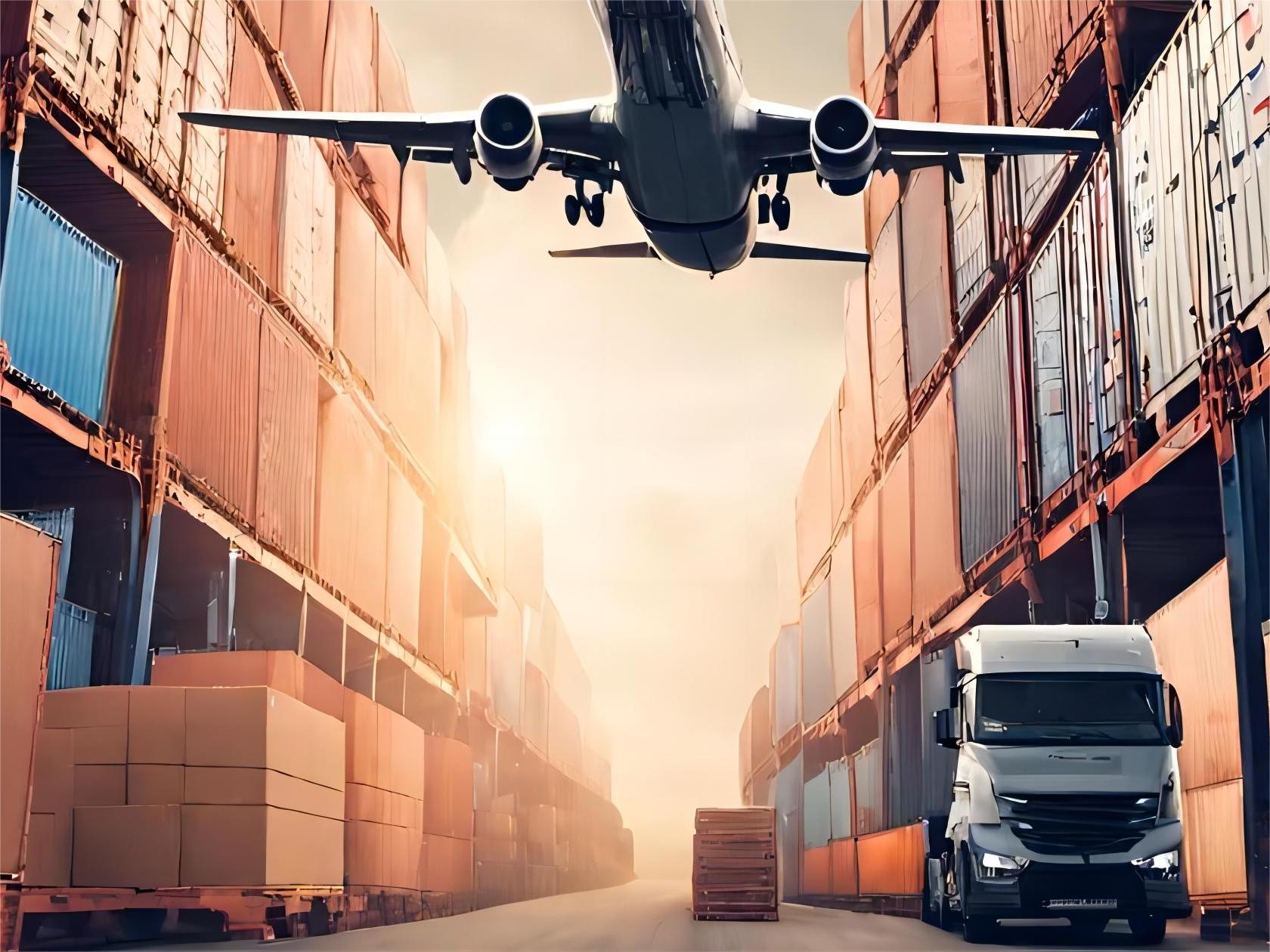
A 40HQ FCL, or 40-foot High Cube Full Container Load, represents a dedicated container for a single shipper. This option is particularly beneficial for businesses transporting large volumes of goods, such as automotive components. Indeed, it offers greater capacity and height compared to standard containers, making it ideal for bulky or oversized auto parts like engines, transmissions, or body panels.
Choosing FCL shipping provides numerous advantages for auto parts logistics. For example, it significantly reduces the risk of damage or contamination because your cargo is not consolidated with other shippers’ goods. Moreover, FCL shipments often experience faster handling at ports, which can minimize potential delays in your delivery schedule.

Key Factors Influencing 40HQ FCL Space Availability
Several critical factors dictate the availability of 40HQ FCL space from China to Belgium. Market demand is a primary driver; high demand periods, such as before major holidays or peak shipping seasons, can lead to tighter capacity. Furthermore, port congestion at major Chinese hubs and the overall capacity of shipping lines significantly impact booking ease.
Geopolitical events and disruptions, including the ongoing Red Sea situation, can force carriers to reroute vessels. Consequently, this extends transit times and ties up containers for longer periods, exacerbating space constraints. Carrier relationships and advanced booking capabilities also play a substantial role in securing space. A reliable freight forwarder with established networks can often secure space when others struggle.
Seasonal Shipping Trends and Their Impact
The shipping industry experiences predictable seasonal fluctuations that affect FCL space availability. For instance, the period from August through October is typically considered a peak season, as retailers prepare for major shopping events like Black Friday and the holiday season. During these months, container availability becomes scarce, and freight rates generally increase by 15-25%.
Similarly, the Chinese New Year holiday, usually in late January or February, causes significant disruptions. Factories halt production, and there is a rush in outbound shipping beforehand, followed by post-holiday backlogs and delays. Therefore, strategic timing and early booking are essential to navigate these periods effectively.

Current Market Conditions and Rates (January 2026)
As of January 2026, the market for shipping from China to Belgium reflects tighter conditions. Ocean freight rates for FCL containers into Antwerp have seen increases compared to previous months. For example, 40GP rates experienced a 27% increase from December.
Furthermore, geopolitical disruptions, particularly in the Red Sea region, continue to impact global shipping. Many carriers are diverting from traditional Suez Canal routes, leading to longer delivery times and increased operational costs. These factors collectively contribute to higher freight rates and more challenging space procurement.
| Container Type | Estimated Cost (USD) | Capacity (CBM) | Typical Transit Time (Days) |
|---|---|---|---|
| 20GP | $1,950 – $2,500 | 28-30 | 28-35 |
| 40GP | $3,100 – $3,800 | 58-60 | 28-35 |
| 40HQ | $3,500 – $4,200 | 65-68 | 28-35 |
How Does 40HQ FCL Compare to Other Shipping Options?
For auto parts, selecting the appropriate shipping method is paramount. While 40HQ FCL offers significant benefits for large volumes, other modes might be suitable depending on urgency, budget, and cargo specifics. Consequently, a thorough comparison is essential for optimizing your logistics strategy.
Sea freight remains the most cost-effective solution for bulk shipments, but it is also the slowest. Air freight, conversely, provides speed at a much higher cost. Rail freight presents a balanced option between speed and economy. Each method has distinct advantages and limitations for transporting auto parts.
| Shipping Method | Cost Range (USD) | Transit Time (Days) | Best For | Limitations |
|---|---|---|---|---|
| Sea Freight (FCL 40HQ) | $3,500 – $4,200 | 28-35 | Large volumes, cost-efficiency, non-urgent auto parts | Slowest, susceptible to port congestion |
| Rail Freight (FCL 40HQ) | $8,100 – $9,500 | 12-20 | Medium to large volumes, balanced speed/cost, electronics, machinery | Limited departure points, higher cost than sea |
| Air Freight | $6.75/kg+ | 3-7 | Urgent, high-value, small-volume auto parts | Highest cost, volume/weight restrictions |
Optimizing Your Auto Parts Supply Chain to Belgium
Effective supply chain management is crucial for businesses importing auto parts. By understanding the nuances of logistics from China to Belgium, you can implement strategies to enhance efficiency and reduce costs. For example, proactive planning and strategic partnerships are key to navigating market volatility and securing reliable space.
Consider consolidating shipments where possible to optimize container usage and potentially reduce overall shipping costs. Moreover, exploring door-to-door services can simplify your logistics by handling the entire process from origin to final destination. This approach minimizes administrative burden and streamlines delivery.
Strategic Port Selection and Routes
Choosing the right ports in both China and Belgium can significantly affect transit times and costs. Major Chinese export ports include Shanghai, Shenzhen, Ningbo, and Qingdao, offering extensive routes and frequent departures to Europe.
In Belgium, the Port of Antwerp is a primary gateway, known for efficient customs and strong inland connections. The Port of Zeebrugge is also vital, especially for specialized cargo like automotive parts, due to its excellent vehicle handling facilities. Selecting the optimal combination based on your supplier’s location and final delivery point is essential.
Navigating Customs Clearance for Auto Parts
Belgian customs procedures are rigorous, requiring precise documentation to avoid delays. For auto parts, a clean commercial invoice, accurate HS codes, and advance filings are imperative. All EU importers must register for an EORI number for customs clearance.
Import duties and VAT are calculated based on the customs value of the goods, including product cost, shipping, and insurance. Partnering with an experienced customs brokerage service can ensure compliance and expedite clearance, preventing costly holds.
Which Option Should You Choose? A Decision Framework
Deciding on the best shipping method for your 40HQ FCL auto parts shipment requires careful consideration of several factors. Your budget, urgency, cargo type, and volume thresholds all play a crucial role in determining the most suitable logistics solution. Furthermore, understanding the trade-offs between speed and cost is vital.
For instance, if your priority is budget, sea freight is typically the most economical option for large volumes. However, if speed is paramount for urgent auto parts, air freight, despite its higher cost, would be recommended. For a balance of speed and cost, rail freight often presents an attractive alternative. Consider a hybrid solution for complex needs.
Budget Priority
If minimizing costs is your primary concern, sea freight via 40HQ FCL is usually the most cost-effective choice for bulk auto parts. It offers the lowest cost per unit, especially for large, non-time-sensitive shipments. However, be prepared for longer transit times, typically 28-35 days from China to Belgium.
Speed Priority
For urgent auto parts or high-value components where speed is critical, air freight is the recommended method. Transit times are significantly shorter, generally 3-7 days. Nevertheless, this speed comes at a premium, with costs considerably higher than sea or rail freight.
Another option for faster delivery than sea freight is rail freight. This method typically takes 12-20 days, offering a good compromise between speed and cost for many automotive logistics needs.
Cargo Type and Volume Considerations
For heavy or bulky auto parts that fill an entire container, 40HQ FCL sea freight is ideal, maximizing cost efficiency. If your volume is smaller but still requires dedicated container space, a 20GP FCL might be more appropriate.
Conversely, for smaller, less urgent shipments, express services or LCL (Less than Container Load) sea freight could be more economical. For temperature-sensitive auto electronics, specialized reefer containers are available, ensuring controlled environments during transit.
Real Case Studies: Shipping Auto Parts to Belgium
Analyzing real-world scenarios helps illustrate the practical application of these shipping strategies. These case studies highlight the diverse needs of auto parts importers and the tailored solutions available. They provide tangible examples of costs, transit times, and key considerations for successful shipments.
Case Study 1: Large Volume of Engine Blocks
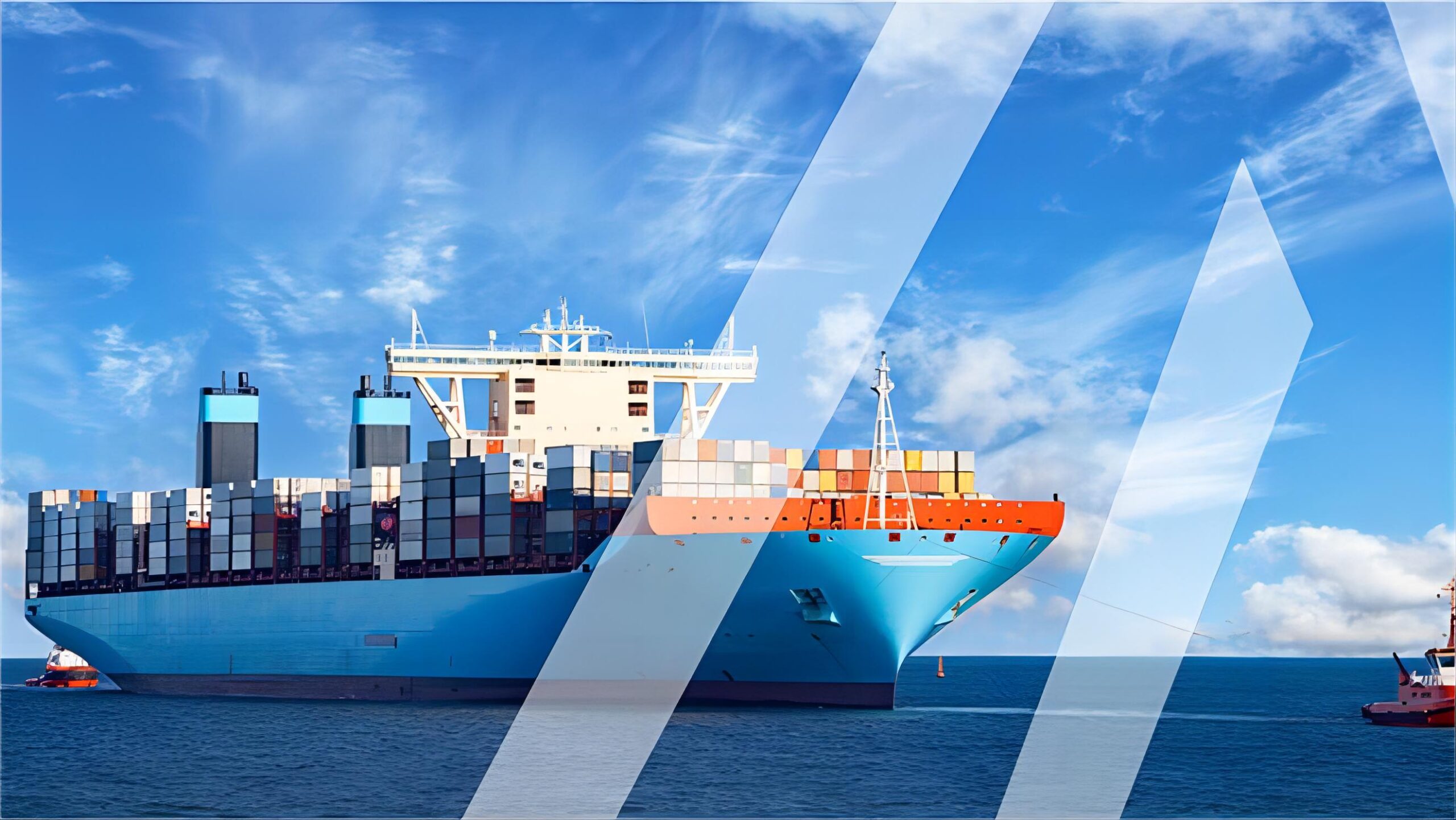
This case involved a manufacturer needing to transport a substantial quantity of engine blocks. The sheer volume and weight necessitated a full container load, prioritizing cost-effectiveness over extreme speed.
| Detail | Description |
|---|---|
| Route | Shanghai, China — Antwerp, Belgium |
| Cargo | Engine blocks, 60 CBM, 25,000 kg |
| Container | 1 x 40HQ FCL |
| Shipping Details | Carrier: MSC, Port of Loading: Shanghai, Port of Discharge: Antwerp, Route Type: Direct |
| Cost Breakdown (Q4 2025) | Ocean Freight: $3,900, Origin Charges: $450, Destination Charges: $300, Customs & Duties (estimated): $600, Total Landed Cost: $5,250 |
| Timeline | Booking to Loading: 7 days, Sea Transit: 32 days, Customs Clearance: 3 days, Total Door-to-Door: 42 days |
| Key Insight | Cost-efficient for heavy, bulky cargo, despite longer transit. Booking during off-peak season (early Q4 2025) helped secure better rates. |
Case Study 2: Time-Sensitive Electronic Control Units (ECUs)
A supplier needed to deliver a batch of high-value, time-sensitive ECUs to an automotive assembly plant. Speed was the critical factor, outweighing the higher cost of air freight to prevent production line stoppages.
| Detail | Description |
|---|---|
| Route | Guangzhou, China — Liège, Belgium |
| Cargo | Electronic Control Units (ECUs), 5 CBM, 800 kg |
| Container | Air Cargo |
| Shipping Details | Carrier: Qatar Airways Cargo, Port of Loading: Guangzhou (CAN), Port of Discharge: Liège (LGG), Route Type: Direct Air Freight |
| Cost Breakdown (Q1 2026) | Air Freight: $5,400 ($6.75/kg), Origin Charges: $150, Destination Charges: $100, Customs & Duties (estimated): $350, Total Landed Cost: $6,000 |
| Timeline | Booking to Loading: 2 days, Air Transit: 1 day, Customs Clearance: 2 days, Total Door-to-Door: 5 days |
| Key Insight | Air freight ensures rapid delivery for critical components, justifying higher costs for urgent supply chain needs. |
Case Study 3: Mixed Auto Spare Parts via Rail
This scenario involved a distributor importing a variety of auto spare parts, balancing transit time and cost. Rail freight provided an optimal middle-ground solution, faster than sea but more economical than air freight.
| Detail | Description |
|---|---|
| Route | Chongqing, China — Antwerp, Belgium |
| Cargo | Mixed auto spare parts, 65 CBM, 15,000 kg |
| Container | 1 x 40HQ FCL (Rail) |
| Shipping Details | Carrier: China-Europe Railway Express, Terminal of Loading: Chongqing, Terminal of Discharge: Antwerp, Route Type: Rail Freight |
| Cost Breakdown (Q1 2026) | Rail Freight: $8,500, Origin Charges: $600, Destination Charges: $400, Customs & Duties (estimated): $750, Total Landed Cost: $10,250 |
| Timeline | Booking to Loading: 5 days, Rail Transit: 18 days, Customs Clearance: 3 days, Total Door-to-Door: 26 days |
| Key Insight | Rail freight offers a competitive balance of speed and cost for diverse auto parts, providing a reliable alternative to sea and air. |
Building a Resilient Automotive Logistics Strategy
In today’s dynamic global trade environment, building resilience into your automotive supply chain is more important than ever. Geopolitical risks, labor disputes, and extreme weather events can all disrupt shipping schedules and increase costs. Therefore, strategic planning and proactive measures are indispensable.
Diversifying transport modes, for example, by utilizing both sea and rail for different cargo types, can mitigate risks associated with over-reliance on a single method. Moreover, maintaining clear communication with your freight forwarder and having contingency plans in place are vital for ensuring continuity. Shipping from China to Europe demands robust strategies.
Proactive Planning and Booking
Booking your 40HQ FCL shipments well in advance is a crucial step, especially during anticipated peak seasons or periods of high demand. This foresight helps secure container space and often locks in more favorable freight rates.
Furthermore, flexibility with departure dates and exploring alternative routes can significantly improve your chances of securing the necessary containers. This proactive approach helps mitigate risks associated with fluctuating market conditions and potential container shortages.
Leveraging Technology and Expert Partnerships
Integrating technology, such as real-time tracking and predictive analytics, can provide enhanced visibility into your shipments. This allows for better inventory management and quicker responses to potential delays. Utilizing digital platforms for logistics management can streamline operations.
Partnering with an experienced freight forwarder is invaluable. They can offer insights into current market conditions, help negotiate better rates, and navigate complex customs procedures. Their expertise ensures that your auto parts are handled efficiently and compliantly. This is particularly true for specialized services like air freight for urgent components.
Conclusion: Securing Your Automotive Supply Chain
Effectively managing 40HQ FCL space availability for auto parts from China to Belgium requires a strategic approach. Understanding market dynamics, leveraging various shipping methods, and navigating customs procedures are all essential. By implementing proactive planning and partnering with experienced logistics providers, businesses can ensure the efficient and cost-effective transport of their critical automotive components. Moreover, a resilient supply chain is vital for long-term success.
The current market, characterized by increased rates and potential disruptions, underscores the importance of informed decision-making. Ultimately, securing reliable FCL space and optimizing your logistics will contribute significantly to your operational continuity and competitive advantage. We encourage you to explore all options for your <a href=”https://Top China Freight.net/shipping-from-china-to-north-america/”>North America</a> or <a href=”https://Top China Freight.net/shipping-from-china-to-australia/”>Australia</a> bound shipments as well.
Ready to streamline your logistics?
Ready to optimize your 40HQ FCL auto parts shipments from China to Belgium? Contact our expert team today for a personalized quote and tailored logistics solutions. We are committed to providing reliable service and ensuring seamless delivery for your automotive supply chain.
Request Quote