

Mastering 20GP FCL Demurrage Prevention for Textiles from China to Seattle
“Navigating international shipping can be complex, and for businesses importing textiles from China to Seattle, avoiding unexpected costs like demurrage is crucial. These charges can significantly impact profitability, especially for 20GP FCL shipments. This guide from Top China Freight offers actionable strategies to safeguard your textile shipments and maintain a smooth, cost-effective supply chain.”

Understanding 20GP FCL Demurrage: What Importers Need to Know
❖Demurrage fees are penalties charged by shipping lines when containers remain at the port terminal beyond the allotted free time. For 20GP FCL shipments, these charges accrue daily and can quickly escalate, eroding profit margins for textile importers.
It’s essential to grasp the ‘free time’ offered by carriers, typically 3-7 days, which begins upon vessel arrival. Beyond this, daily charges are applied, highlighting the urgency of efficient planning and execution for your textile import logistics from China to US.
Proactive Planning: Key to Avoiding Demurrage for Textiles
❖Effective planning is the cornerstone of 20GP FCL demurrage prevention. This involves meticulously coordinating every step of your supply chain, from factory production to final delivery in Seattle. Consider factors like factory lead times, vessel schedules, and transit times.
Ensure your team and partners are aligned on delivery schedules and port operations. Proactive communication with your freight forwarder is vital to anticipate and mitigate potential delays, thereby reducing port storage fees for 20GP containers.
Streamlining Documentation and Customs Clearance in Seattle
❖Inaccurate or incomplete documentation is a primary cause of customs delays, directly leading to demurrage. For textile imports, specific requirements like fiber content, country of origin, and proper classification (HTS codes) are critical.
Work with experienced customs brokers to ensure all paperwork is precise and submitted electronically before the cargo arrives. Pre-clearing textiles for faster port release in Seattle is a powerful strategy to minimize time at the terminal and avoid costly penalties. Explore our comprehensive customs brokerage services for seamless processing.
| Document Type | Purpose | Impact on Demurrage Prevention |
|---|---|---|
| Commercial Invoice | Details goods, value, seller/buyer | Ensures accurate valuation for duties, avoids customs hold-ups |
| Packing List | Details contents, weight, dimensions | Facilitates quick cargo verification and unloading |
| Bill of Lading (BOL) | Contract of carriage, title to goods | Essential for cargo release, must be accurate and timely |
| Certificate of Origin | Confirms country of manufacture | Crucial for textile-specific duties and trade agreements |

Optimizing Transport and Delivery Schedules
❖Once your 20GP FCL textile container arrives in Seattle, prompt pickup is paramount. Coordinate with your trucking company well in advance to ensure they are ready to collect the container immediately upon release from customs and the port.
Consider potential congestion at the port of Seattle and factor this into your delivery schedules. Flexible delivery appointments and robust communication with local drayage services are key FCL shipping strategies for Seattle importers.
Leveraging Technology for Enhanced Visibility and Control
❖Modern logistics platforms offer real-time cargo tracking and predictive analytics, providing invaluable insights into your shipment’s progress. This visibility allows importers to anticipate potential delays and react proactively, preventing demurrage.
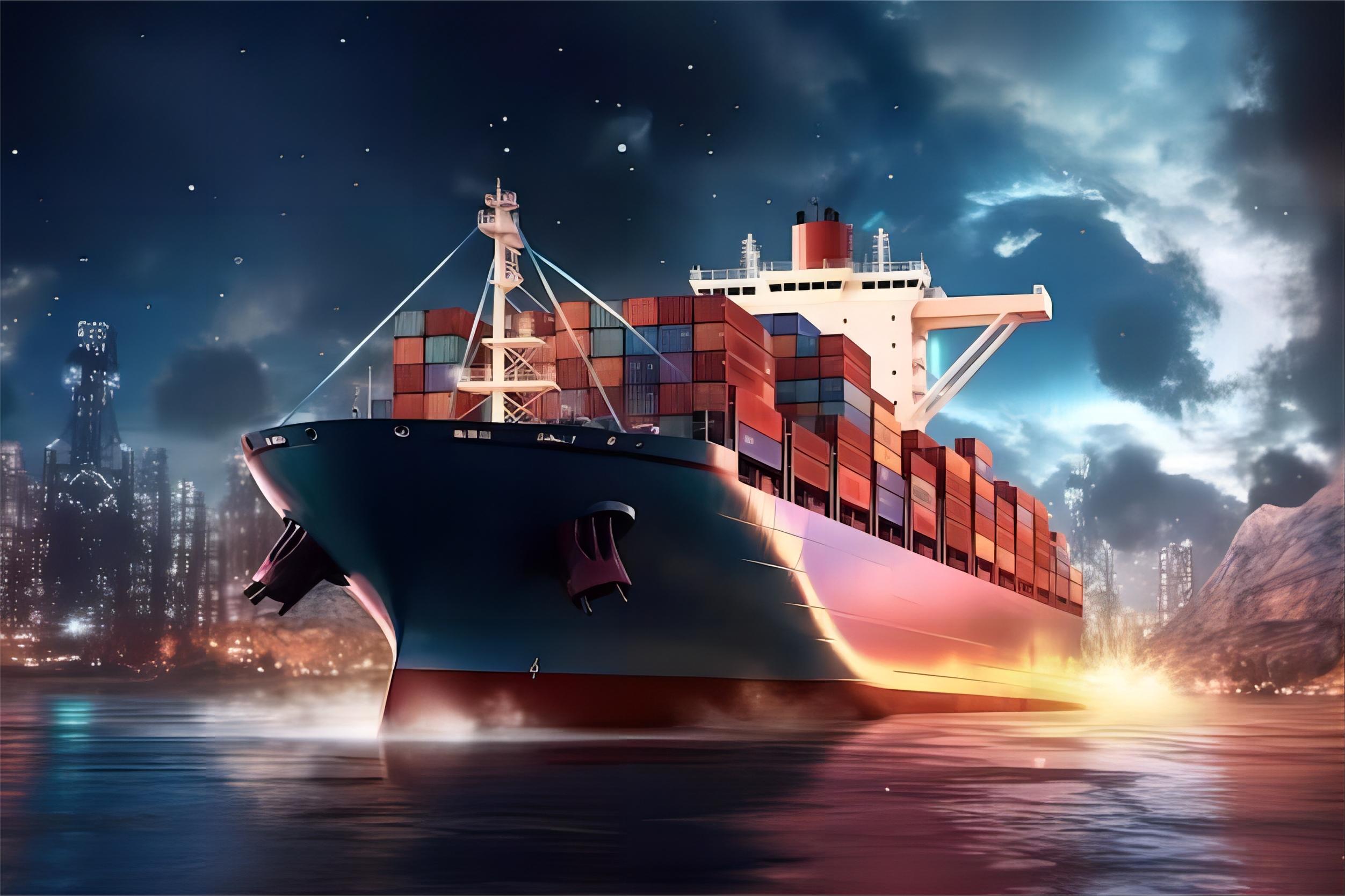
Utilize tools that offer updates on vessel schedules, port congestion, and customs clearance status. This helps in managing shipping delays for 20GP textile containers effectively and optimizing your supply chain for China-Seattle textiles.
Selecting the Right Freight Forwarder: Your Demurrage Shield
❖Choosing a reliable and experienced freight forwarder is perhaps the most critical step in 20GP FCL demurrage prevention. A good forwarder understands the nuances of textile import logistics and has strong relationships with carriers and port authorities.
Top China Freight excels in providing seamless FCL solutions from China to the US. Our expertise in efficient FCL cargo handling for 20GP containers and proactive communication helps clients avoid unforeseen charges. We offer comprehensive services, including FCL and LCL shipping, ensuring your textiles reach Seattle without unnecessary demurrage.
We are dedicated to offering best practices for FCL textile delivery to US West Coast, ensuring competitive freight rates and timely delivery schedules. Our end-to-end solutions, including door-to-door transportation, minimize your involvement in complex logistics, letting you focus on your business.
Secure Your Textile Shipments: A Demurrage-Free Future Awaits
Preventing 20GP FCL demurrage for textiles from China to Seattle requires a multi-faceted approach, combining meticulous planning, accurate documentation, and robust logistics partnerships. By implementing these strategies, importers can significantly reduce their risk of incurring costly port storage fees.
Partnering with a seasoned freight forwarder like Top China Freight provides the expertise and support needed to navigate the complexities of international shipping successfully. Focus on these proactive measures to ensure your textile imports remain profitable and your supply chain resilient.
Ready to streamline your logistics?
Ready to optimize your textile imports and eliminate demurrage worries? Contact Top China Freight today for a personalized quote and expert consultation. Let us streamline your supply chain from China to Seattle, ensuring timely and cost-effective delivery.
Request Quote