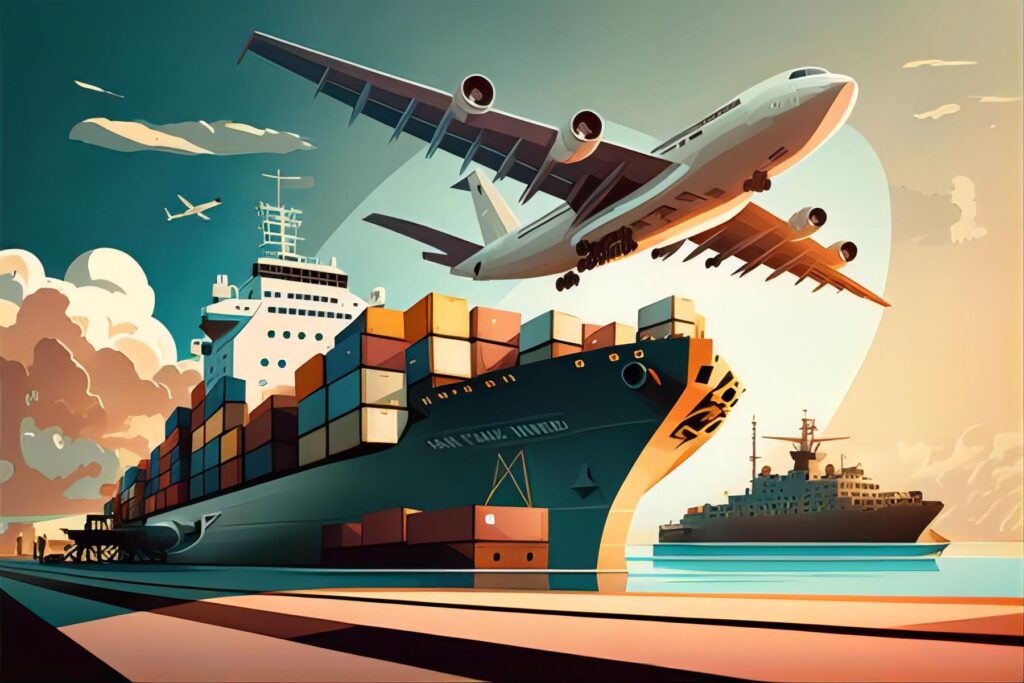
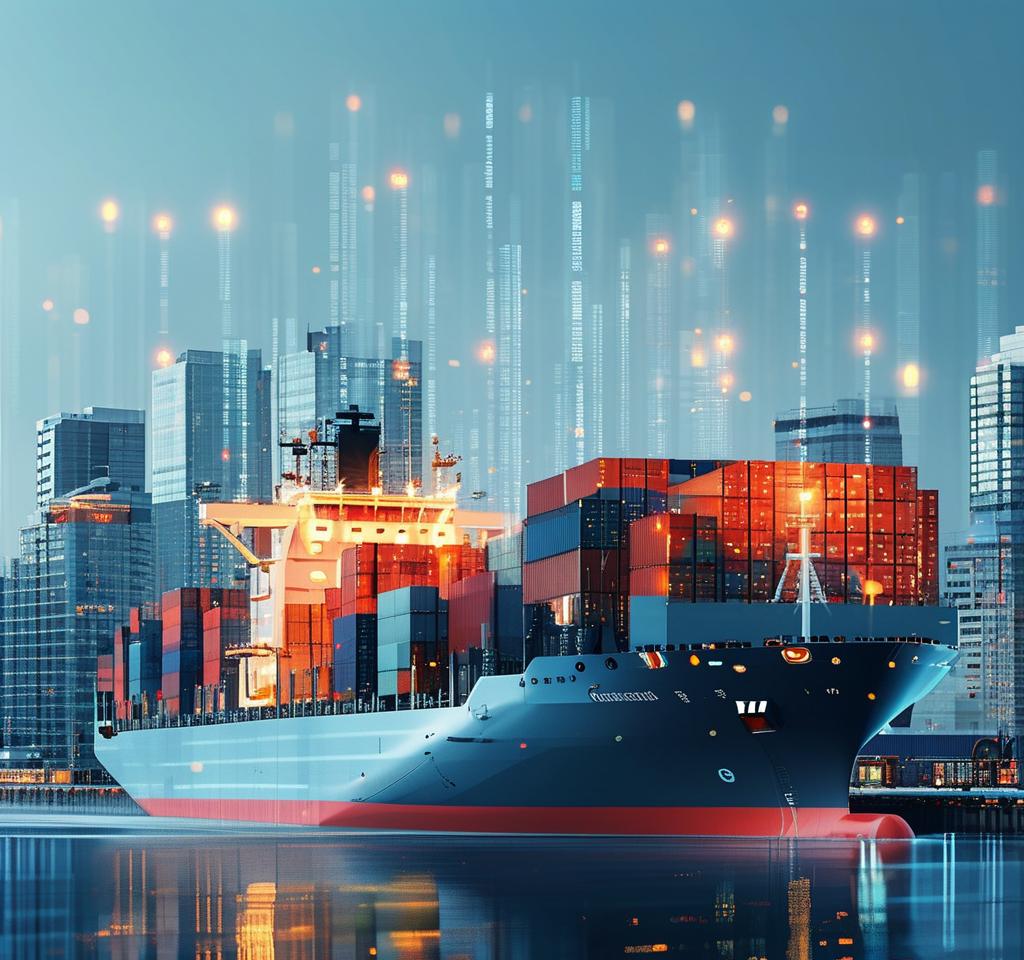
As a freight agent, we believe that Thailand’s freight environment is very balanced, encompassing various types of trade. Thailand has several important ports, especially Bangkok Port and Laem Chabang Port, which are key hubs for import and export cargo. We utilize these strategic ports to achieve seamless cargo transportation, providing comprehensive logistics solutions to our clients. These ports are closely connected to global trade networks, ensuring efficient transit of goods in and out of Thailand. In addition to maritime shipping, Thailand also has well-developed road and air transport infrastructure, further enhancing the convenience and diversity of freight services. The Thai government’s continuous improvement of logistics infrastructure reflects its commitment to optimizing freight operations and supporting the flow of domestic and international cargo.
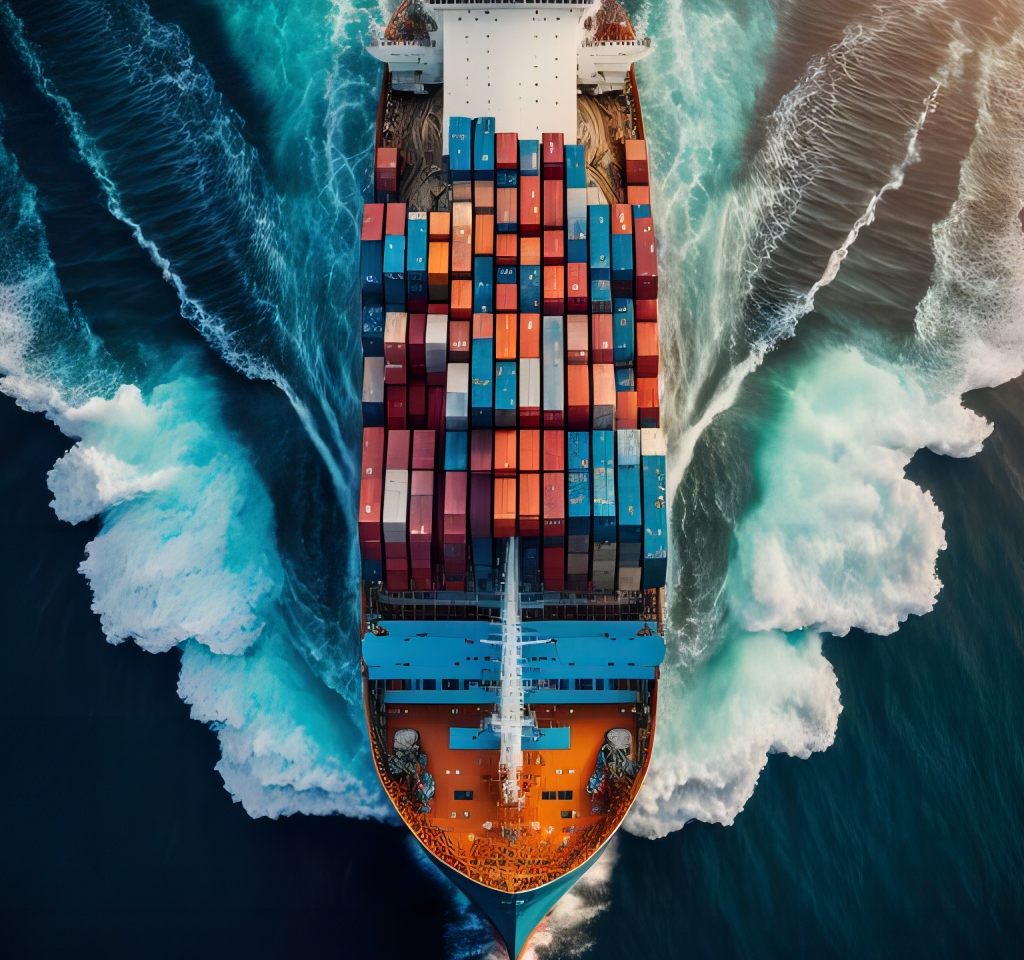
The transportation of goods by cargo ships across oceans, ideal for large volumes and heavy items.
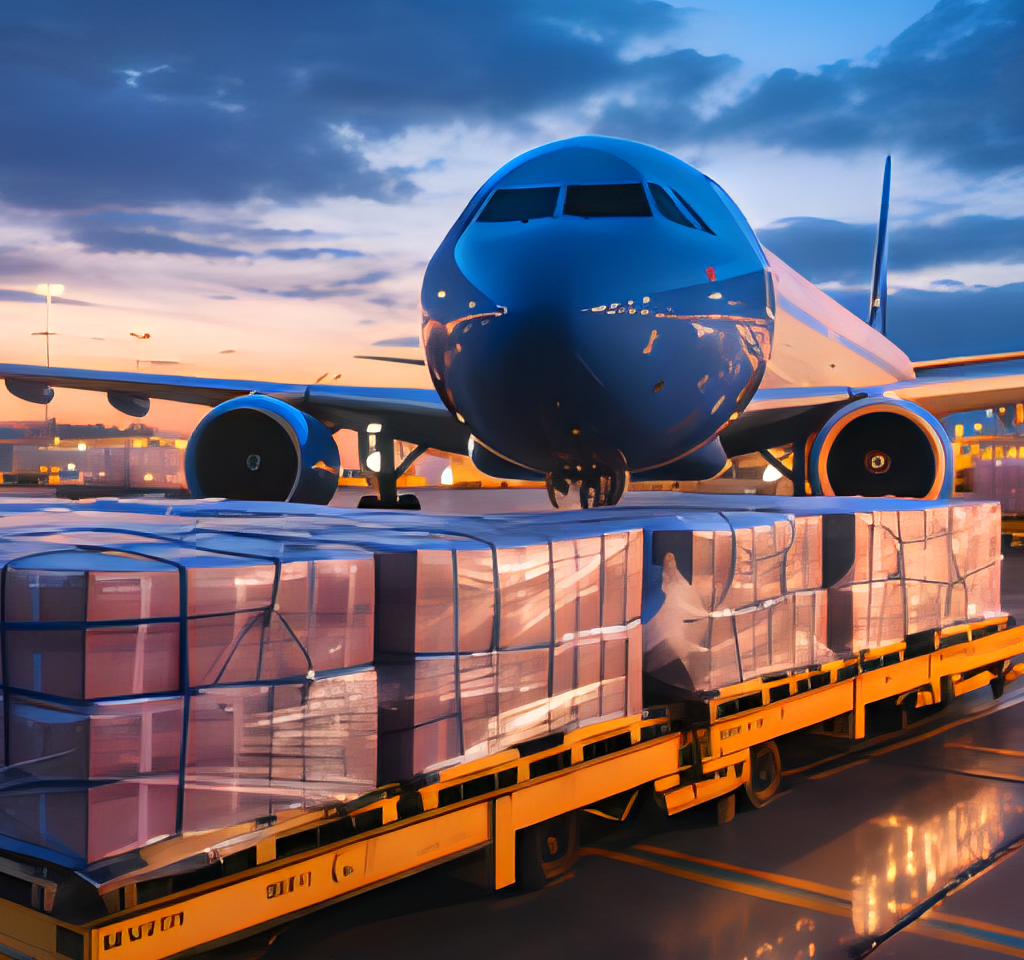
The shipment of goods via airplanes, offering fast delivery times for high-value or time-sensitive cargo.
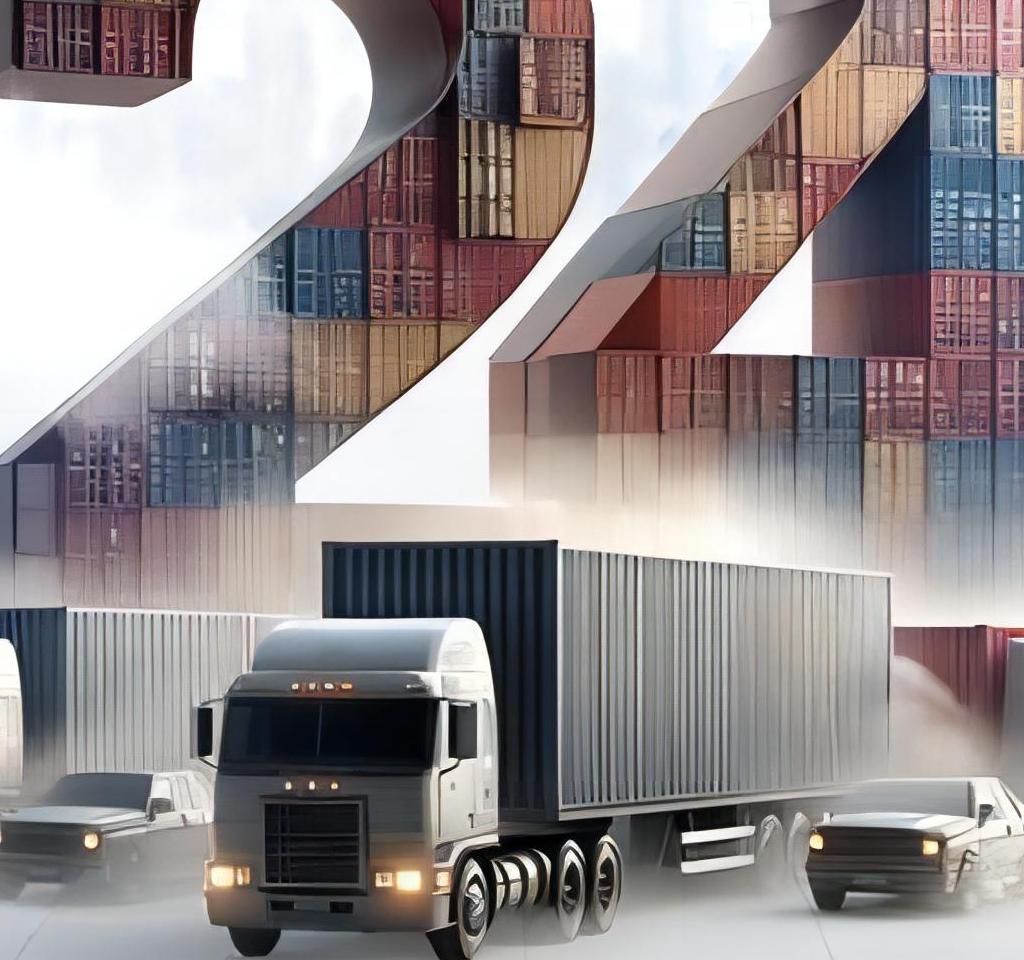
This comprehensive solution streamlines the shipping process, ensuring efficient and hassle-free delivery.
The process of shipping goods that are loaded individually rather than in containers, typically used for oversized or irregularly shaped cargo.

Thailand is part of ASEAN and trades with China under the ASEAN–China Free Trade Area.
Thai buyers don’t just ask whether ACFTA exists — they check:
Whether the HS code is fully eliminated or partially reduced
Whether origin criteria (regional value content or tariff shift) are realistically met
Whether the Certificate of Origin (Form E) will be issued correctly
Whether claiming preference increases audit exposure
If MFN rate is already low, some importers skip FTA claims to avoid complexity.
Thailand Customs uses internal reference pricing databases.
Importers usually examine:
Historical import prices for the same HS code
Whether similar goods have valuation rulings
Whether the supplier’s invoice price is consistent with market range
If the declared value is considered abnormally low, customs may:
Request cost breakdown
Apply uplift
Trigger physical inspection
Predictability of valuation is often more important than the nominal duty rate.
If the product involves:
Food
Beverages
Cosmetics
Medical devices
Dietary supplements
It likely falls under the authority of the Thai Food and Drug Administration.
Thai importers verify:
Pre-import registration requirements
Label approval
Ingredient restrictions
Shelf-life declaration standards
Shipping before FDA approval is a common and expensive mistake.
Certain industrial and consumer goods require approval from the Thai Industrial Standards Institute (TISI).
Common regulated items include:
Electrical appliances
Steel products
Construction materials
Gas-related equipment
Importers confirm whether a product falls under mandatory standard control before production begins.
Thailand generally applies:
Import duty (if applicable)
VAT at 7%
Excise tax (for specific categories like alcohol, vehicles, luxury goods)
VAT is calculated on CIF + customs duty.
Thai buyers calculate full landed cost precisely because VAT affects working capital timing.
For many consumer products, yes.
Requirements may include:
Thai-language product description
Importer details
Manufacturing and expiry dates
Safety instructions
Incorrect labeling can require rework in bonded warehouses, increasing cost.
If documentation is complete:
1–3 working days is typical.
Delays usually occur due to:
FDA/TISI documentation gaps
HS classification disputes
Random inspection selection
Valuation review
Thailand’s system is efficient but document-sensitive.
Yes — particularly for:
FTA origin claims
Transfer pricing in related-party transactions
Repeated low-value declarations
Thai importers often maintain detailed origin documentation for at least five years to prepare for potential audit.
Thailand has strong logistics infrastructure and industrial zones.
However, importers evaluate:
VAT refund procedures
Re-export documentation
Origin transformation rules
Bonded warehouse feasibility
Thailand can function as a regional hub, but tax structure must be carefully managed.
Thai importers often identify:
Certification and testing fees
Label redesign costs
Port storage if documentation is incomplete
Inland transport from Laem Chabang to upcountry provinces
Demurrage during valuation dispute
Freight cost is predictable; regulatory cost is not.
Thailand operates in Thai Baht (THB), while most China trade is USD-based.
Importers assess:
USD/THB volatility
Forward contract usage
Payment timing relative to customs clearance
Currency exposure can sometimes outweigh small duty savings.
Assuming Thailand is “easy” because it is ASEAN.
The real risks are:
Misclassification
Shipping before regulatory approval
Incorrect origin documentation
Underestimating valuation scrutiny
In Thailand, documentation accuracy determines clearance speed.
Cargo Insurance provides coverage for goods against loss, damage, or theft during transit, ensuring that the owner receives financial compensation in the event of unforeseen incidents.
Amazon FBA (Fulfillment by Amazon) is a service where sellers store their products in Amazon's warehouses, and Amazon handles the packing, shipping, and customer service.
Customs brokerage is a service that helps importers and exporters clear goods through customs.
Door to door service refers to the transportation of goods directly from the sender's location to the recipient's location, handled entirely by the carrier.
Express service provide fast, time-sensitive delivery of parcels and documents.
DDU term means the seller is responsible for delivering the goods to the buyer’s designated destination, but not for paying import duties and other import fees. The buyer is responsible for customs clearance and paying all applicable duties, taxes, and fees.
DDP term means the seller is responsible for delivering the goods to the buyer’s designated destination and for paying all import duties and other import fees. The buyer only needs to receive the goods, without bearing any additional expenses.