
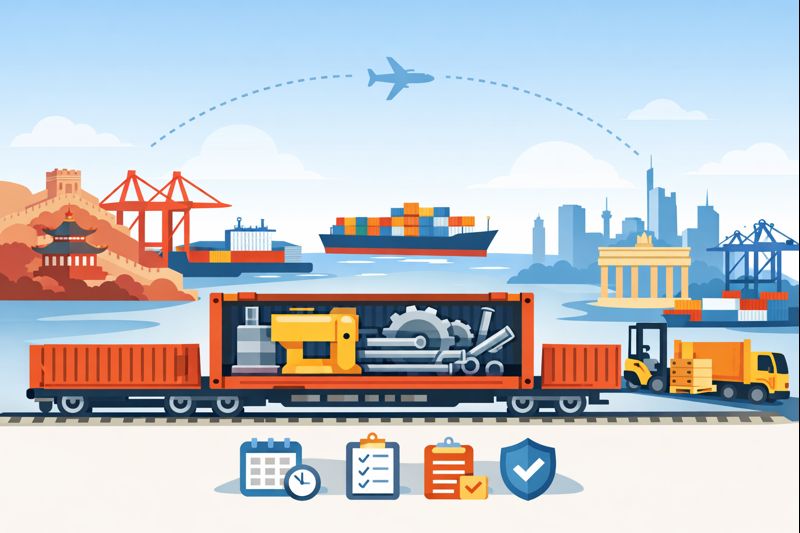
When exporters plan an Open Top FCL sailing schedule for hardware tools from China to Germany, timing quickly becomes the biggest challenge, especially for oversized or heavy cargo. However, with the right sailing windows, port selection, and booking strategy, delays and extra costs can be avoided. Therefore, this guide breaks down schedules, routes, and operational insights you can apply immediately, starting from your factory gate through final delivery in Germany via Top China Freight.
What makes Open Top FCL essential for hardware tools shipping to Germany?
Oversized hardware tools rarely fit standard containers, and that limitation directly shapes the sailing schedule. As a result, Open Top FCL becomes the preferred solution for cargo with abnormal height, lifting requirements, or top-loading needs.
Why hardware tools often require Open Top containers
Hardware tools such as presses, frames, industrial cutting units, and reinforced assemblies frequently exceed standard container height. Consequently, Open Top containers allow vertical loading while maintaining FCL security.
Moreover, Germany’s strict import standards favor stable, well-secured shipments, which Open Top FCL supports through customized lashing and blocking.
How Open Top FCL affects sailing schedules
Because Open Top containers are less common than standard dry containers, sailing schedules tend to be more selective. However, once aligned with mainline vessels departing major China ports, schedule reliability remains high.
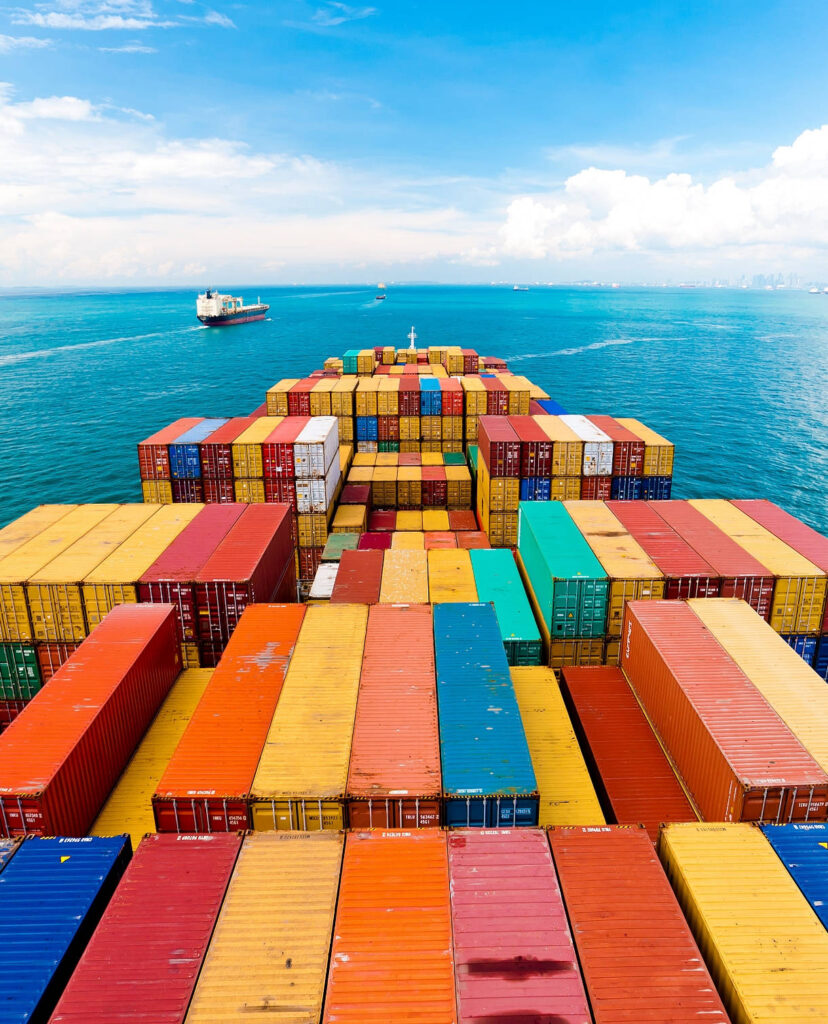
What is the typical Open Top FCL sailing schedule to Germany?
Although exact dates change weekly, patterns remain predictable throughout most of the year. Therefore, importers can plan with confidence when they understand the usual structure.
Weekly sailing frequency overview
| Route | Sailing Frequency | Typical Transit Time |
|---|---|---|
| Shanghai → Hamburg | 1–2 sailings/week | 32–38 days |
| Ningbo → Hamburg | Weekly | 33–40 days |
| Qingdao → Hamburg | Weekly | 35–42 days |
| Tianjin → Hamburg | Every 10–14 days | 36–45 days |
Transit times vary based on vessel rotation, transshipment points, and seasonal congestion.
What booking timeline should exporters follow for Open Top FCL?
Because Open Top containers require advance coordination, last-minute bookings increase the risk of rollovers.
Recommended booking window
- Low season: 10–14 days before ETD
- Peak season: 18–25 days before ETD
In addition, early coordination allows for proper lashing approval and crane reservation at the port.
For exporters combining Open Top with standard cargo, integrating services through FCL & LCL shipping solutions can further optimize schedules.
How do freight rates and schedules interact for Open Top FCL?
While this article focuses on the Open Top FCL sailing schedule for hardware tools from China to Germany, freight rates influence which sailing windows remain viable.
Key cost factors impacting schedule choice
- Open Top container surcharge
- Heavy lift handling fees
- Port crane availability
- Seasonal fuel adjustments
As a result, selecting a slightly longer sailing with lower congestion can sometimes reduce overall landed cost.
Case Studies
Shanghai to Hamburg
To illustrate how scheduling works in practice, consider the following real-world example.
Case Card 1: Oversized hardware frames
- Origin: Shanghai, China
- Destination: Hamburg, Germany
- Cargo: Steel hardware frames
- Size: 4.2 m height, 18 tons
- Container type: Open Top FCL
- Sailing time: 36 days
- Total door-to-port timeline: 49 days
Because the booking was placed 20 days in advance, the shipment avoided peak congestion and arrived on schedule without rollovers.
Ningbo to Bremerhaven
A second case highlights how flexible routing preserves delivery commitments.
Case Card 2: Heavy industrial tool components
- Origin: Ningbo, China
- Destination: Bremerhaven, Germany
- Cargo: Industrial tool modules
- Weight: 22 tons
- Container type: Open Top FCL
- Sailing time: 41 days
- Total door-to-door timeline: 54 days
Although Hamburg congestion intensified, rerouting to Bremerhaven kept the shipment aligned with installation deadlines. Coordination through door-to-door logistics solutions ensured smooth final delivery.

How can routing strategies improve Open Top FCL sailing reliability?
Although sailing schedules form the backbone of planning, routing strategy often determines whether a shipment arrives on time. Therefore, experienced shippers treat routing as a risk-control tool rather than a fixed path.
Direct sailing vs transshipment options
Direct sailings from China to Hamburg remain the most stable option for oversized hardware tools. However, during peak seasons, controlled transshipment via Rotterdam or Antwerp can improve schedule certainty.
When alternative European ports make sense
In some cases, routing Open Top FCL cargo to nearby hubs reduces congestion risk. From there, inland trucking or rail completes delivery to Germany efficiently. This approach is especially effective when Hamburg experiences berth delays.
What customs and compliance factors affect sailing schedules?
Customs preparation often influences sailing success more than vessel speed. Consequently, incomplete documentation frequently causes avoidable delays.
Core documents required for Germany imports
| Document | Purpose | Notes |
|---|---|---|
| Commercial Invoice | Customs valuation | Must match packing details |
| Packing List | Cargo verification | Include dimensions and weight |
| Bill of Lading | Ownership proof | Show Open Top container type |
| Import Declaration | EU customs filing | Filed before arrival |
| CE-related compliance | Product conformity | Required for many tools |
Early alignment with a reliable customs brokerage service significantly reduces clearance uncertainty.
Why long-term sailing planning matters for hardware tool importers
Short-term bookings often appear cheaper, yet they increase operational risk. In contrast, long-term sailing planning stabilizes both cost and delivery performance.
Strategic benefits of forward planning
- Predictable production scheduling
- Better rate negotiation leverage
- Reduced emergency surcharges
- Stronger supplier coordination
For companies shipping repeatedly, this approach transforms logistics from a cost center into a competitive advantage.
Conclusion
Planning an Open Top FCL sailing schedule for hardware tools from China to Germany requires more than checking vessel dates. By aligning container availability, routing strategy, customs readiness, and inland delivery planning, importers achieve predictable outcomes. Ultimately, structured preparation turns complex oversized shipments into controlled, repeatable logistics operations.
Request A Free Quote
Start shipping smarter with TopChinaForwarder today! 🚢✨ Request a Free Quote 📝 and get a tailored logistics plan built around your cargo and timeline.
FAQ:
What affects Open Top FCL sailing schedule changes most?
Weather, port congestion, crane availability, and late bookings influence schedule reliability more than vessel speed.
How far in advance should I book Open Top containers?
Most shippers book 2–3 weeks ahead, while peak seasons may require up to 25 days.
Are Open Top containers allowed on all vessels?
Not every vessel accepts Open Top units, so carrier selection directly affects sailing options.
Can Open Top FCL be combined with rail transport in Europe?
Yes, but height clearance and terminal handling must be confirmed before booking.
What happens if customs documents are delayed?
Even on-time vessels may face clearance holds, extending delivery by several days.