
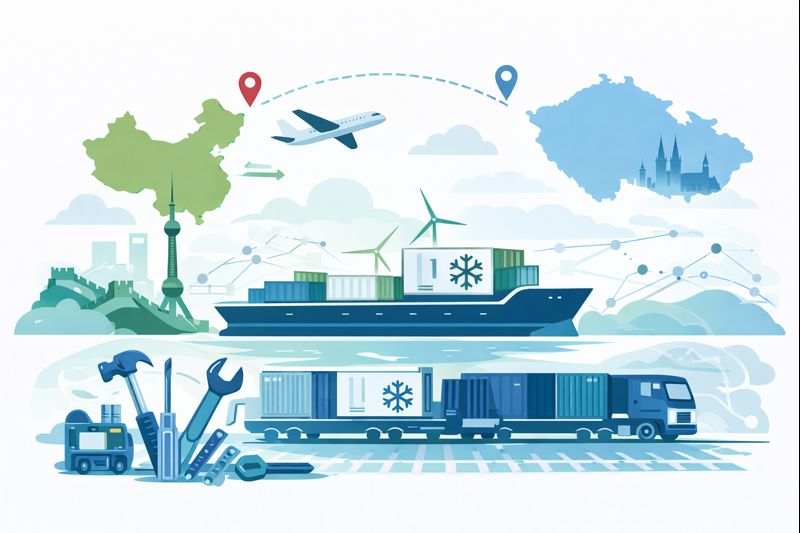
As European demand for industrial products grows, selecting the Reefer FCL best route for hardware tools from China to Czech Republic has become a strategic decision rather than a simple booking choice. Hardware exporters now face longer transit times, inland congestion, and stricter delivery schedules across Central Europe. Therefore, working with an experienced logistics partner such as Top China Freight helps shippers identify reliable routes while maintaining temperature stability and schedule control.
Why Do Hardware Tools Require Reefer FCL Transport?
How temperature stability protects metal and precision tools
First of all, many hardware tools contain coated metals, lubricated components, or precision fittings that react poorly to humidity and temperature swings. During long ocean voyages, uncontrolled conditions may cause corrosion or performance degradation. As a result, temperature controlled FCL shipping for hardware tools is increasingly adopted for exports to Central Europe.
Why reefer containers reduce storage and damage risk
Moreover, reefer containers provide a controlled environment that minimizes condensation during seasonal changes. Consequently, hardware tools reefer container shipping from China to Europe offers better protection than standard dry containers, especially during peak winter and summer months.
What Is the Reefer FCL Best Route from China to the Czech Republic?
Why there is no direct ocean port access
Because the Czech Republic is landlocked, all reefer FCL shipments must enter through major European seaports. Therefore, route selection depends heavily on port efficiency and inland connectivity rather than sea transit alone.
Comparing Northern and Western European gateways
In practice, reefer container routing via Northern Europe to the Czech Republic remains the most stable option. Ports such as Hamburg and Rotterdam provide strong reefer infrastructure and frequent inland connections. Alternatively, Western European gateways may reduce sea freight time but often face heavier congestion.
| Entry Port | Inland Mode | Transit Time (Days) | Route Stability |
|---|---|---|---|
| Hamburg | Rail + Truck | 35–42 | High |
| Rotterdam | Rail + Truck | 36–44 | High |
| Koper | Rail | 32–40 | Medium |
As shown above, China to Czech Republic reefer freight route comparison highlights that inland rail performance is often more decisive than ocean leg duration.
How Does Sea–Rail Combination Improve Delivery Efficiency?
Why sea-only routes create inland bottlenecks
Although direct sea services may appear faster, inland trucking capacity in Central Europe often fluctuates. Consequently, sea-only planning can create delivery delays after port arrival.
How sea–rail routing balances speed and reliability
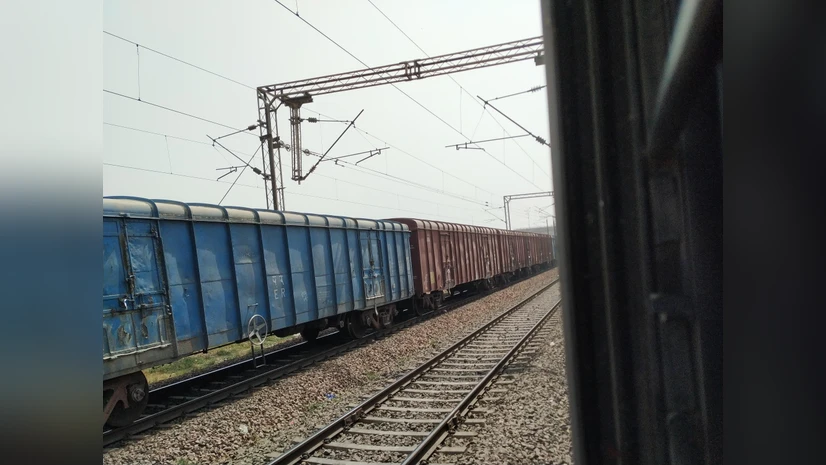
By contrast, reefer FCL sea rail route for hardware tools integrates scheduled rail services directly from port terminals. As a result, inland rail delivery from European ports to the Czech Republic improves delivery schedules and reduces congestion exposure. Providers offering coordinated solutions through rail freight services help stabilize transit performance.
How Do Transit Time and Cost Interact on Reefer FCL Routes?
Understanding trade-offs between speed and budget
When evaluating the reefer FCL best shipping route from China to Czech Republic, exporters must balance speed against cost efficiency. Faster routes often involve premium port handling and higher inland fees, while cost-focused routes may extend transit time slightly.
| Route Type | Transit Time | Cost Level | Best For |
|---|---|---|---|
| Northern Europe + Rail | Medium | Medium | Balanced shipments |
| Adriatic Port + Rail | Shorter | Medium–High | Time-sensitive cargo |
| Northern Europe + Truck | Longer | Medium | Flexible delivery |
Therefore, reefer FCL freight rates for hardware tools exports depend more on inland strategy than on ocean freight alone.
Case Studies
Reefer FCL Hardware Tools Shipment to the Czech Republic
Case Card 1
Origin: Ningbo, China
Destination: Prague, Czech Republic
Cargo: Industrial hand tools and metal assemblies
Mode: Reefer FCL via Hamburg + rail
Cost Range: USD 7,400–8,300
Transit Time: 39 days
In this shipment, the sea–rail combination ensured stable temperature control while avoiding inland trucking congestion, resulting in on-time delivery.
Alternative Reefer FCL Route to the Czech Republic
Case Card 2
Origin: Shanghai, China
Destination: Brno, Czech Republic
Cargo: Precision hardware tools and mechanical fittings
Mode: Reefer FCL via Koper + inland rail
Cost Range: USD 7,800–8,900
Transit Time: 36 days
In this case, an Adriatic entry point reduced inland distance and avoided Northern Europe congestion, improving overall schedule reliability.
How Can Risk Management Improve Reefer FCL Route Reliability?
Why routing risk goes beyond ocean transit
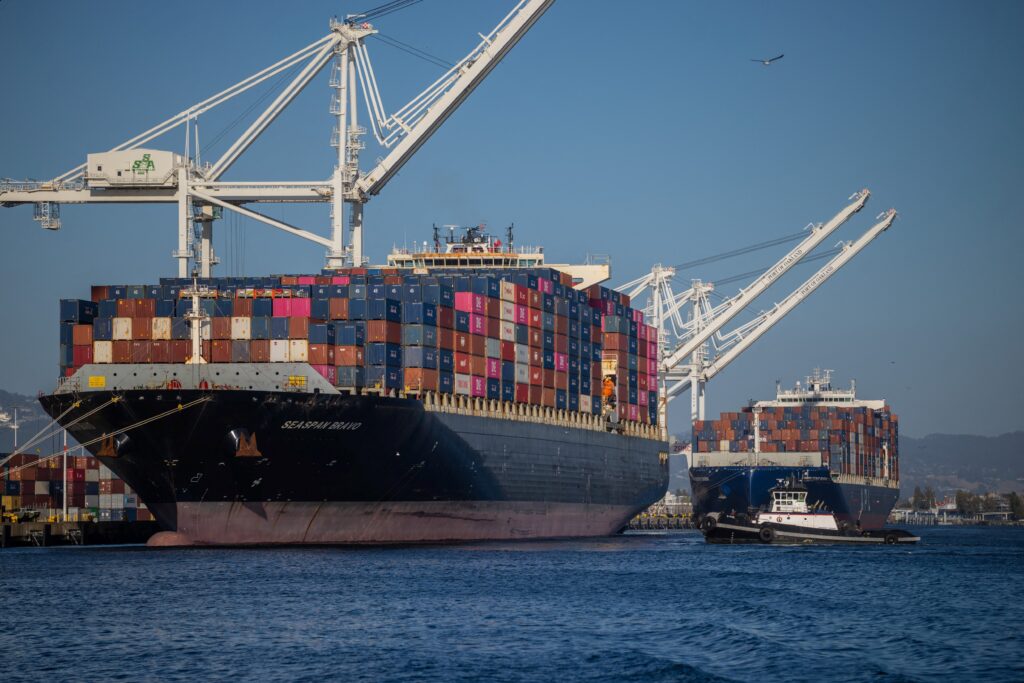
Although ocean transit often receives the most attention, routing risk usually increases after arrival in Europe. Inland congestion, rail capacity shortages, and terminal handling delays can all disrupt delivery schedules. Therefore, risk management for reefer container hardware shipments must cover both port and inland segments.
How proactive routing buffers protect delivery schedules
To reduce exposure, experienced shippers build buffer time into inland rail connections and avoid single-point dependency. By selecting alternative rail corridors and backup terminals, exporters gain flexibility when disruptions occur. As a result, delivery schedules remain stable even during peak season pressure.
Should Door-to-Door Planning Be Used for Hardware Tools?
Why fragmented transport increases hidden costs
When exporters manage ocean freight, inland rail, and customs clearance separately, coordination gaps often appear. These gaps frequently lead to idle containers, missed rail connections, or unexpected storage fees.
How integrated delivery improves control
By adopting door to door reefer FCL shipping for hardware tools, shippers align all transport stages under a single operational plan. Solutions integrating inland delivery and customs coordination through door-to-door transport reduce handover risk and simplify communication across the supply chain.
How Do Freight Rates and Route Choice Interact?
Understanding total landed cost, not just ocean freight
Although base ocean freight remains a major cost element, inland rail charges, port handling, and customs-related fees often influence the final cost more significantly. Consequently, evaluating freight rates without route context may lead to misleading conclusions.
| Cost Component | Influence Level | Route Sensitivity |
|---|---|---|
| Ocean Freight | High | Low |
| Port Handling | Medium | Medium |
| Inland Rail | High | High |
| Customs & Storage | Variable | High |
Because inland rail performance directly affects both cost and delivery schedules, route selection plays a central role in cost optimization.
Conclusion
In conclusion, selecting the Reefer FCL best route for hardware tools from China to Czech Republic requires a balanced view of port efficiency, inland connectivity, and customs readiness. By combining sea–rail routing, alternative gateways, and proactive risk management, exporters gain greater control over cost and delivery schedules. With proper planning, route selection becomes a strategic advantage rather than an operational challenge.
Request A Free Quote
Start shipping smarter with TopChinaForwarder today! 🚢✨ Request a Free Quote 📝 and get a tailored logistics plan built around your cargo and timeline.
FAQ:
Do hardware tools really need reefer containers?
Some tools benefit from temperature and humidity control, especially coated or precision components.
Which European port is best for Czech Republic delivery?
Hamburg and Rotterdam are common, but Koper or Trieste may perform better during congestion.
How long does reefer FCL shipping to the Czech Republic take?
Typical transit time ranges from 35 to 42 days, depending on routing and inland mode.
Does inland rail improve delivery reliability?
Yes, rail reduces dependency on trucking capacity and improves schedule predictability.
Are reefer FCL freight rates higher than dry containers?
Generally yes, due to equipment and power costs, but damage risk is lower.