However complex Spain-bound imports may seem, China FCL warehouse consolidation to Spain offers a practical way to regain control over cost, timing, and compliance. Instead of shipping fragmented cargo from multiple factories, importers can consolidate goods efficiently within China before export. As a result, companies working with partners such as Top China Freight often achieve smoother delivery schedules and stronger supply-chain visibility.
What Is China FCL Warehouse Consolidation to Spain?
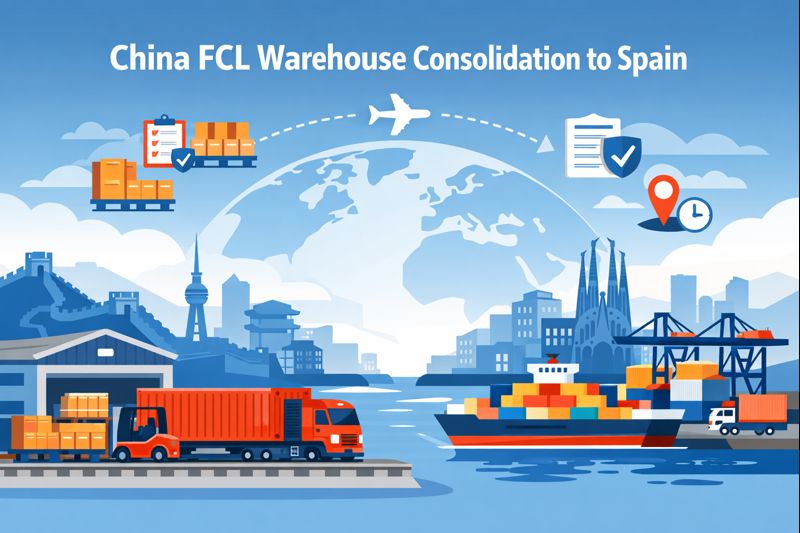
China FCL warehouse consolidation to Spain refers to gathering cargo from multiple suppliers into a single full container load at a centralized warehouse in China. Rather than shipping partial containers separately, exporters combine goods before container stuffing.
Why consolidation works for Spain-bound FCL shipments
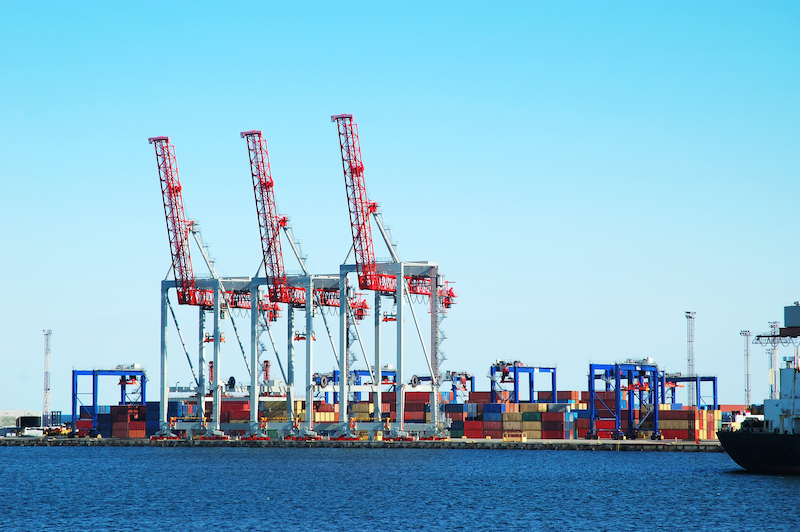
Because Spain imports heavily through ports such as Valencia, Barcelona, and Algeciras, predictable container volumes matter. Consolidation allows exporters to:
Reduce per-unit freight rates
Align production schedules across suppliers
Improve customs documentation accuracy
Consequently, import/export managers gain better cost forecasting and fewer last-minute changes.
How Does the FCL Warehouse Consolidation Process Work?
Although each shipment varies, the core workflow remains consistent. First, cargo arrives at a designated consolidation warehouse. Next, goods undergo inspection, sorting, and labeling. Finally, the container is stuffed, sealed, and prepared for export.
Typical consolidation steps
Factory pickup and inbound delivery
Warehouse receiving and cargo verification
Sorting by SKU, pallet, or destination
FCL container stuffing and sealing
Export customs filing and port delivery
Because this process integrates seamlessly with FCL & LCL services, it minimizes handovers and reduces risk exposure.
How Much Does China FCL Warehouse Consolidation to Spain Cost?
Although exact pricing depends on cargo type and routing, consolidation usually lowers total landed cost.
Cost Component
Without Consolidation
With FCL Consolidation
Inland trucking
Multiple pickups
Planned bulk pickups
Warehouse handling
Minimal
Moderate but optimized
Ocean freight
Higher per unit
Lower per unit
Customs errors
More frequent
Significantly reduced
Therefore, even when warehouse fees apply, overall savings often outweigh additional handling costs.
Why Should Importers Use FCL Consolidation for Spain?
While direct factory-to-port shipping seems simple, it often creates inefficiencies. In contrast, warehouse consolidation improves both operational and financial performance.
Key advantages for Spanish importers
Lower overall freight rates through optimized container utilization
Reduced demurrage and detention risk
Improved delivery schedules aligned with Spanish port congestion patterns
Moreover, consolidation strengthens supply chain resilience, especially during peak seasons.
Case Studies
Electronics Components to Valencia
Origin: Shenzhen & Dongguan Destination: Valencia, Spain Cargo: Mixed electronic components, 18 pallets Solution: China FCL warehouse consolidation to Spain via sea freight Total Cost Range: Mid-range compared to separate shipments Transit Time: 34 days door-to-port
By consolidating two suppliers into one FCL container, the importer reduced freight rates and avoided split customs declarations.
Furniture Parts to Barcelona
Origin: Foshan & Zhongshan Destination: Barcelona, Spain Cargo: Flat-packed furniture components Solution: Warehouse consolidation with pre-export inspection Total Cost Range: Lower than multi-container shipping Transit Time: 36 days door-to-port
Because inspection occurred before stuffing, cargo arrived compliant and ready for immediate clearance.
Transit time varies by port and sailing schedule. However, consolidation does not usually add delays when planned correctly.
Destination Port
Estimated Ocean Transit
Total Door-to-Port Range
Valencia
28–32 days
32–38 days
Barcelona
27–31 days
31–37 days
Algeciras
26–30 days
30–36 days
Because warehouse consolidation improves export readiness, shipments often depart on earlier sailings.
Can Warehouse Consolidation Support Different Transport Modes?
Yes, consolidation integrates smoothly with multiple transport solutions. While sea freight remains the primary option for Spain, other modes also apply.
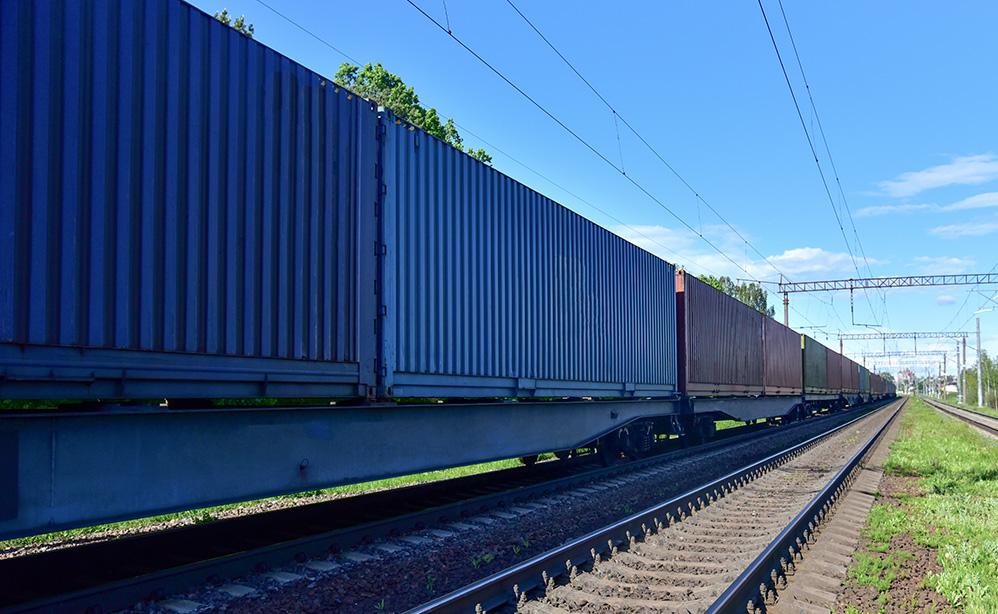
For example, urgent components may ship separately via air freight while the main FCL shipment moves by ocean. In specific scenarios, partial cargo can even connect with rail freight before final consolidation.
How Does Consolidation Support Long-Term Supply Chain Strategy?
Beyond immediate savings, China FCL warehouse consolidation to Spain supports strategic planning. Over time, importers gain better data on freight rates, transit variability, and supplier performance.
Therefore, consolidation enables:
More accurate demand forecasting
Stronger supplier accountability
Improved inventory turnover
In practice, many European importers rely on structured consolidation programs delivered by experienced providers such as Top China Freight to stabilize cross-border operations without locking into rigid contracts.
Conclusion
China FCL warehouse consolidation to Spain offers a structured way to reduce costs, improve timing, and strengthen compliance across international supply chains. By consolidating cargo before export, importers gain control over freight rates, customs accuracy, and delivery schedules. Ultimately, this approach transforms fragmented sourcing into a predictable, scalable logistics model.
Request A Free Quote
Start shipping smarter with TopChinaForwarder today! 🚢✨ Request a Free Quote 📝 and get a tailored logistics plan built around your cargo and timeline.