

When oversized or bulky furniture is shipped in Open Top containers, demurrage risks often rise faster than expected. Therefore, businesses moving furniture between China and France need practical, execution-level solutions rather than generic advice. With structured planning and support from Top China Freight, Open Top FCL demurrage prevention for furniture from China to France becomes predictable, measurable, and far more controllable.

What Makes Open Top FCL Furniture Shipments Prone to Demurrage?
Open Top FCL shipments are designed for oversized furniture that cannot be loaded through standard container doors. However, this flexibility also introduces unique operational risks.
First, loading and securing bulky furniture takes longer than standard FCL cargo. As a result, delays at origin terminals often occur before the vessel even departs. Second, Open Top containers face stricter inspections at French ports, particularly when lashings or tarpaulins appear inconsistent. Consequently, customs or terminal holds can trigger unexpected demurrage charges.
Moreover, furniture shipping from China to France via Open Top FCL frequently involves non-standard dimensions. Because of this, port operators may allocate special handling windows, which increases exposure to congestion-related delays.
How Demurrage Rules Apply to Open Top Containers in France
Demurrage and detention rules in France differ slightly from those for standard dry containers. Understanding these differences is critical.
Generally, French ports offer fewer free days for Open Top containers, especially during peak seasons. In addition, terminals often require earlier documentation submission for oversized furniture. If paperwork arrives late, clearance cannot begin on time, which immediately consumes free storage days.
Furthermore, demurrage and detention rules for France ports are enforced strictly once the free period expires. Therefore, importers must align delivery schedules, trucking availability, and customs clearance timelines before vessel arrival.

How to Avoid Demurrage Charges for Open Top Furniture Containers
Preventing demurrage begins long before the container reaches the port. First, exporters should finalize packing lists and measurements earlier than usual. This allows carriers and terminals to confirm Open Top suitability in advance.
Second, documentation for Open Top container furniture exports must be aligned across all parties. Commercial invoices, packing lists, and certificates of origin should reflect exact dimensions and weights. Any discrepancy often triggers inspections.
Finally, close coordination with a forwarder experienced in FCL & LCL shipping solutions ensures that delivery schedule management aligns with terminal free days, reducing idle time at destination ports.
Comparison of Container Options for Furniture Exports
| Container Type | Suitable Furniture Size | Demurrage Risk Level | Operational Notes |
|---|---|---|---|
| Standard Dry FCL | Small to medium | Low | Limited door access |
| Open Top FCL | Oversized or tall | Medium to High | Requires precise loading |
| Flat Rack | Irregular heavy items | High | Special handling needed |
As shown above, Open Top containers balance flexibility and risk. While they reduce loading constraints, they demand tighter execution to avoid storage-related penalties.
Case Studies
Preventing Delays for Living Room Furniture to Marseille
Shipment route: Foshan, China → Marseille, France
Cargo type: Oversized wooden living room furniture
Container: Open Top FCL
Transit time: 32 days
Initially, the importer faced potential demurrage due to incomplete packing details. However, by submitting revised loading diagrams and advance customs data, inspection requests were minimized. As a result, the container cleared within free days, avoiding storage charges entirely.
Managing Open Top FCL Delivery Schedules to Le Havre
Shipment route: Ningbo, China → Le Havre, France
Cargo type: Custom-made hotel furniture
Container: Open Top FCL
Transit time: 35 days
In this case, port congestion threatened delivery schedules. Nevertheless, pre-booked trucking slots and early document submission allowed immediate pickup after discharge. Consequently, demurrage exposure was reduced to zero despite terminal delays.
Can Port Congestion Increase Demurrage for Open Top Containers?
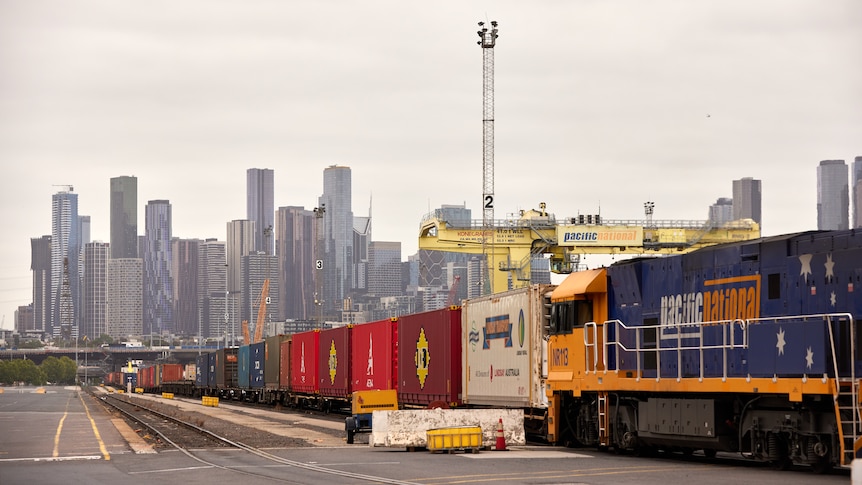
Port congestion impacts all cargo, yet Open Top FCL shipments feel the effects more intensely. Because terminals allocate limited lifting equipment and inspection windows, oversized furniture containers often wait longer for handling.
Moreover, congestion compresses delivery schedules. Even when cargo clears customs quickly, truck shortages or yard congestion may delay pickup. Consequently, demurrage and detention costs rise rapidly if coordination is weak.
However, when congestion is anticipated early, contingency planning becomes possible. Advance trucking reservations, flexible delivery windows, and real-time schedule updates help importers maintain control despite external disruptions.
What Role Delivery Schedule Management Plays in Cost Reduction
Delivery schedule management links port release to final inland transport. Without this connection, demurrage risks multiply.
Furniture importers often overlook the timing gap between container discharge and available trucking. Yet, even a one-day mismatch can exceed free storage limits. Therefore, synchronizing vessel ETA, customs clearance, and inland delivery is essential.
In many cases, combining sea freight planning with door-to-door logistics solutions ensures that each stage aligns seamlessly, protecting margins and delivery commitments.
Furniture Supply Chain Strategies That Prevent Demurrage
Long-term demurrage prevention depends on supply chain strategy rather than one-off fixes. Furniture exporters who standardize Open Top loading procedures experience fewer delays over time.
Additionally, maintaining consistent communication between factories, forwarders, and destination agents ensures early problem detection. When issues surface early, corrective actions remain feasible.
This strategic approach transforms demurrage from an unpredictable penalty into a manageable operational variable.
Conclusion
Open Top FCL demurrage prevention for furniture from China to France requires more than awareness; it demands structured execution across loading, documentation, transit, and delivery stages. When risks are identified early and managed proactively, storage charges become the exception rather than the rule. With the right planning framework, importers can protect margins, stabilize delivery schedules, and scale furniture exports with confidence.
Request A Free Quote
Start shipping smarter with TopChinaForwarder today! 🚢✨ Request a Free Quote 📝 and get a tailored logistics plan built around your cargo and timeline.
FAQ:
How many free demurrage days are typical for Open Top containers in France?
Free days vary by port and carrier, but Open Top containers usually receive fewer days than standard FCL, often between 3 and 5 days.
Does furniture material affect customs clearance speed in France?
Yes. Wooden furniture often requires treatment certificates, and missing documents can trigger inspections and clearance delays.
Can demurrage charges be negotiated after delays occur?
In most cases, demurrage fees are strictly enforced, though limited waivers may apply during severe port congestion.
Is Open Top FCL always better than Flat Rack for furniture?
Not always. Open Top suits tall cargo, while Flat Rack works better for wide or irregular furniture shapes.
How early should documentation be submitted to avoid delays?
Ideally, all documents should be finalized at least 3–5 days before vessel arrival to allow pre-clearance checks.